

26 ottobre 1890: muore Carlo Collodi, lo scrittore toscano che inventò Pinocchio
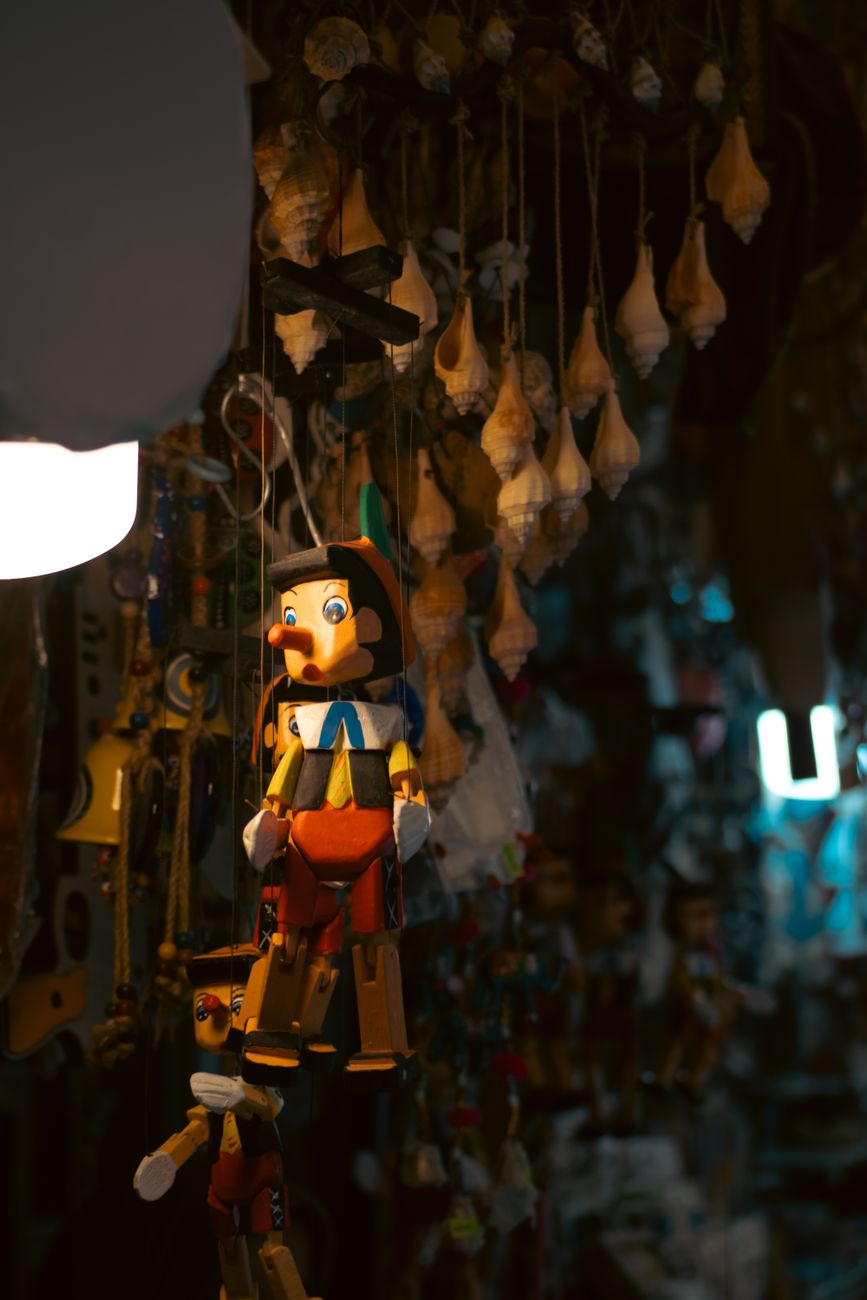
Il 26 ottobre 1890 moriva a Firenze Carlo Lorenzini, conosciuto in tutto il mondo con lo pseudonimo di Carlo Collodi. Giornalista, scrittore e autore di libri per ragazzi, lasciava un’opera destinata a superare i confini della letteratura italiana: Le avventure di Pinocchio, la storia di un burattino di legno che sogna di diventare un bambino vero.
Pubblicato inizialmente a puntate nel 1881, il racconto sarebbe diventato uno dei classici italiani più conosciuti e tradotti, capace di conquistare generazioni di lettori e di ispirare illustratori, registi e artisti. Dietro il successo di Pinocchio, c’è la storia di un uomo che si dedicò alla letteratura per l’infanzia soltanto dopo aver attraversato esperienze molto diverse, dal giornalismo alla satira politica.
Chi era Carlo Lorenzini, in arte Collodi
Carlo Lorenzini nacque a Firenze il 24 novembre 1826. Il nome con cui sarebbe diventato celebre deriva da Collodi, il borgo toscano vicino a Pescia dove era nata sua madre. Quel nome, inizialmente uno pseudonimo, finì per essere indissolubilmente legato alla sua identità di scrittore.
La sua vita non fu dedicata soltanto ai libri. Lorenzini partecipò alle vicende risorgimentali e intraprese un’intensa attività giornalistica, collaborando con diverse testate e fondando anche Il Lampione, giornale satirico che riprese le pubblicazioni nel 1860, dopo l’interruzione imposta dalla restaurazione politica.
Attraverso articoli, racconti e testi umoristici, osservava la società del suo tempo con uno sguardo ironico e attento alle contraddizioni della vita quotidiana. Una capacità di osservazione che avrebbe ritrovato anche nelle pagine di Pinocchio, popolate da personaggi furbi, ingenui, opportunisti e capaci di mettere a nudo le debolezze umane.
Pinocchio nacque sulle pagine di un giornale nel 1881
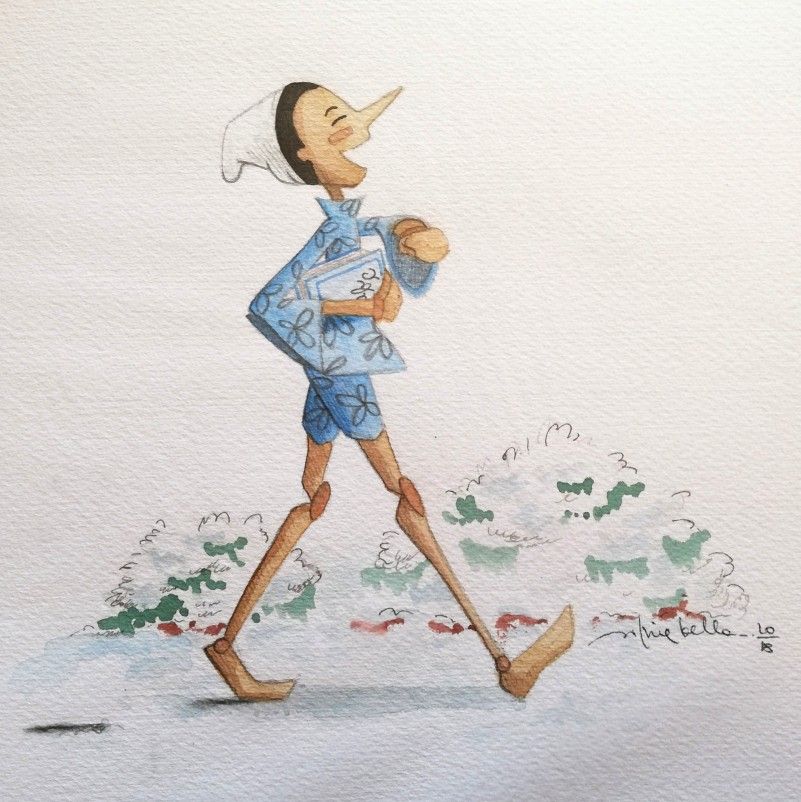
La storia del burattino cominciò il 7 luglio 1881, quando sul Giornale per i bambini apparve la prima puntata di La storia di un burattino. Non si trattava ancora del libro nella forma che conosciamo oggi, ma di un racconto pubblicato a episodi, destinato a incuriosire i giovani lettori.
In un primo momento Collodi aveva immaginato una vicenda molto più breve e dal finale tragico. Il successo della storia e le richieste di proseguirla contribuirono però alla sua ripresa. Le avventure continuarono fino al gennaio 1883, quando fu pubblicato l’ultimo episodio.
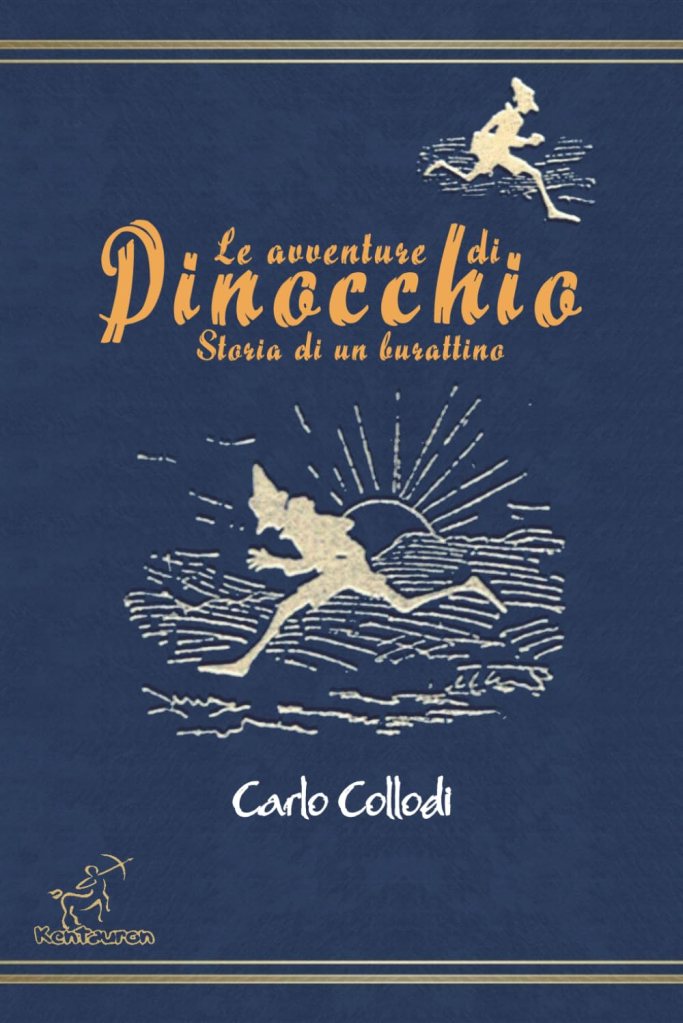
Poco dopo, nel febbraio dello stesso anno, il racconto uscì in volume con il titolo Le avventure di Pinocchio. Storia di un burattino, accompagnato dalle illustrazioni di Enrico Mazzanti. Da quel momento, il personaggio cominciò il suo lungo viaggio ben oltre le pagine del giornale che lo aveva visto nascere.
Un burattino imperfetto, lontano dagli eroi senza difetti
Pinocchio disobbedisce, si lascia convincere da promesse allettanti, fugge dalle responsabilità e spesso dimentica gli insegnamenti ricevuti appena si presenta un’occasione più divertente.
È proprio questa sua imperfezione a renderlo ancora così vicino ai lettori. Il burattino sbaglia, subisce le conseguenze delle proprie scelte, incontra personaggi che cercano di ingannarlo e, nonostante tutto, continua a sperare in una possibilità di cambiare.
Accanto a lui si muove una galleria di figure entrate nell’immaginario collettivo: Geppetto, che lo crea e lo ama come un figlio; la Fata dai capelli turchini, presenza protettiva e severa; il Gatto e la Volpe, simboli di inganno e opportunismo. E poi il Grillo parlante, la cui voce viene ascoltata troppo tardi, quando non viene del tutto ignorata.
La storia può essere letta come un racconto di formazione, ma non si esaurisce in una semplice lezione morale. Collodi racconta anche la fame, la povertà, il bisogno di affetto, la tentazione delle scorciatoie e la difficoltà di crescere. Il suo protagonista non diventa un bambino vero perché non commette più errori, ma perché attraversa esperienze che lo costringono a confrontarsi con le proprie responsabilità.
Dalla letteratura al cinema: il successo internazionale di Pinocchio
l successo del libro non si è fermato alla letteratura. Nel corso del Novecento, Pinocchio è stato reinterpretato attraverso illustrazioni, spettacoli teatrali, film, serie televisive e animazione.
Tra gli adattamenti più noti c’è il film d’animazione Disney del 1940, che ha contribuito a diffondere il personaggio presso un pubblico internazionale. In Italia ha lasciato un segno importante anche lo sceneggiato televisivo diretto da Luigi Comencini nel 1972, diventato familiare a diverse generazioni di spettatori.
Ogni nuova versione ha scelto di mettere in risalto aspetti differenti della storia: il rapporto tra padre e figlio, il desiderio di libertà, la paura di essere ingannati oppure la difficoltà di distinguere ciò che si desidera da ciò che è davvero necessario.

Il legame con la Toscana: da Firenze al paese di Collodi
La storia di Pinocchio è legata profondamente alla Toscana, a partire da Firenze, città natale e luogo della morte del suo autore, fino a Collodi, il borgo che gli prestò il nome.
A Collodi, oggi frazione del comune di Pescia, in provincia di Pistoia, si trova il Parco di Pinocchio, nato per celebrare il celebre personaggio attraverso opere artistiche, sculture e installazioni immerse nel verde. Il percorso permette di avvicinarsi alla storia del burattino anche attraverso il linguaggio delle arti visive.
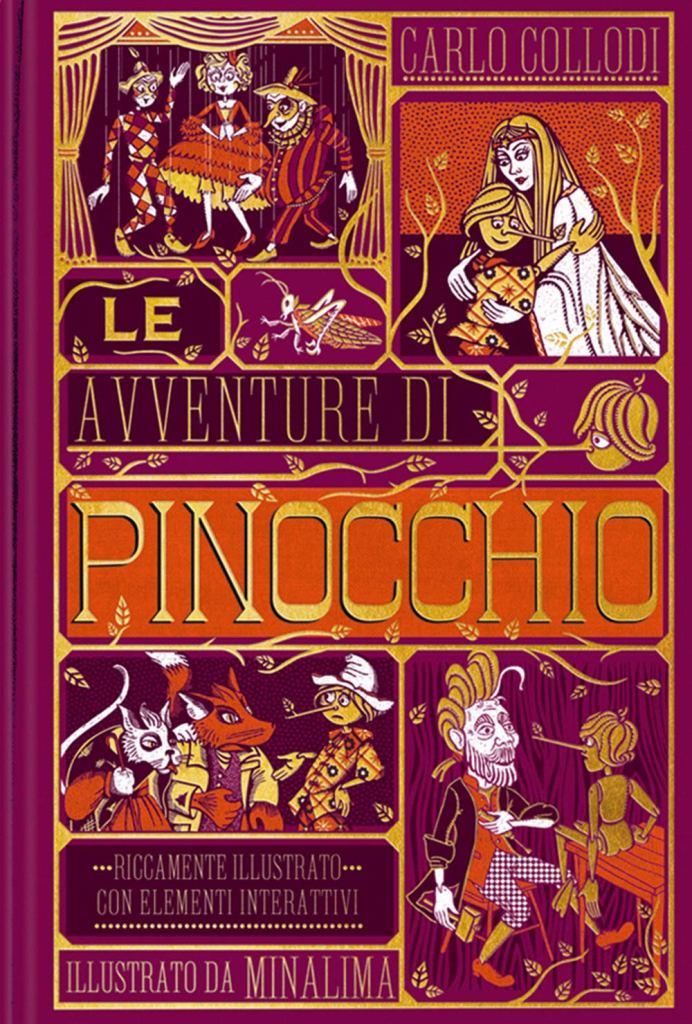
Il legame tra letteratura e arte emerge anche nelle illustrazioni che hanno accompagnato le diverse edizioni del libro. Dalle tavole ottocentesche di Enrico Mazzanti alle reinterpretazioni degli artisti del Novecento, Pinocchio ha offerto a generazioni di illustratori un personaggio ricco di possibilità espressive.
Il borgo toscano non è soltanto un riferimento geografico: è diventato parte integrante della memoria collettiva legata all’opera e alla sua diffusione.

Il 26 ottobre 1890 si spegneva Carlo Collodi
Carlo Lorenzini morì improvvisamente a Firenze la sera del 26 ottobre 1890. Non avrebbe potuto immaginare fino a che punto il suo burattino avrebbe continuato a vivere, attraversando lingue, generazioni e forme artistiche diverse.
Prima di diventare l’autore di Pinocchio, Collodi aveva scritto per giornali, composto testi umoristici e lavorato a opere destinate all’educazione dei ragazzi, come Giannettino e Minuzzolo. La sua esperienza di giornalista e osservatore della società contribuì a dare alle sue storie un ritmo vivace e personaggi lontani dalla perfezione astratta dei racconti edificanti.
Oggi Pinocchio continua a essere letto, illustrato, studiato e reinterpretato. Il suo naso che si allunga quando dice una bugia è diventato un simbolo universale, ma dietro quell’immagine rimane un racconto più complesso: quello di un essere imperfetto che cerca il proprio posto nel mondo.
Per il momento il sempre vostro Michelangelo Buonarroti vi saluta dandovi appuntamento ai prossimi post e sui social.
October 26, 1890: Death of Carlo Collodi, the Tuscan writer who created Pinocchio
On October 26, 1890, Carlo Lorenzini—known worldwide by the pseudonym Carlo Collodi—passed away in Florence. A journalist, writer, and author of children’s books, he left behind a work destined to transcend the boundaries of Italian literature: The Adventures of Pinocchio, the story of a wooden puppet who dreams of becoming a real boy.
Initially published in installments in 1881, the tale would go on to become one of the most well-known and widely translated Italian classics, captivating generations of readers and inspiring countless illustrators, filmmakers, and artists. Behind the success of Pinocchio lies the story of a man who turned to children’s literature only after pursuing a diverse range of other endeavors, from journalism to political satire.
Who was Carlo Lorenzini, alias Collodi?
Carlo Lorenzini was born in Florence on November 24, 1826. The name by which he would become famous—Collodi—comes from the Tuscan village near Pescia where his mother was born. What began as a pseudonym eventually became inextricably linked to his identity as a writer.
His life was not devoted solely to books. Lorenzini took part in the events of the Risorgimento (the Italian unification movement) and was deeply involved in journalism, contributing to various publications and founding Il Lampione, a satirical newspaper that resumed publication in 1860 following a hiatus imposed by the political restoration.
Through his articles, short stories, and humorous texts, he observed the society of his time with an ironic eye, keenly attuned to the contradictions of everyday life. A capacity for observation that would also be reflected in the pages of Pinocchio—a work populated by cunning, naive, and opportunistic characters who lay bare the frailties of human nature.
Pinocchio was born in the pages of a newspaper in 1881
The story of the puppet began on July 7, 1881, when the first installment of La storia di un burattino (“The Story of a Puppet”) appeared in the Giornale per i bambini (“Children’s Newspaper”). At this stage, it was not yet the book as we know it today, but rather a serial narrative designed to pique the interest of young readers.
Initially, Collodi had envisioned a much shorter tale with a tragic ending. However, the story’s success—and the demand for it to continue—led him to resume the narrative. The adventures went on until January 1883, when the final episode was published.
Shortly thereafter, in February of the same year, the story was released as a book titled Le avventure di Pinocchio. Storia di un burattino (“The Adventures of Pinocchio: The Story of a Puppet”), featuring illustrations by Enrico Mazzanti. From that moment on, the character began a long journey that would take him far beyond the pages of the newspaper where he first came to life.
An imperfect puppet, far removed from flawless heroes
Pinocchio disobeys, lets himself be swayed by enticing promises, flees from his responsibilities, and often forgets the lessons he has learned the moment a more entertaining opportunity arises.
It is precisely this imperfection that makes him remain so relatable to readers. The puppet makes mistakes, faces the consequences of his choices, encounters characters who seek to deceive him, and yet—despite everything—continues to hope for a chance to change.
Surrounding him is a cast of characters who have become part of our collective imagination: Geppetto, who creates him and loves him like a son; the Fairy with Turquoise Hair, a protective yet stern presence; and the Cat and the Fox, symbols of deceit and opportunism. Then there is the Talking Cricket, whose voice is heard only too late—if it is not ignored entirely.
The story can be read as a coming-of-age tale, but it is more than just a simple moral lesson. Collodi also writes about hunger, poverty, the need for affection, the temptation of taking shortcuts, and the challenges of growing up. His protagonist does not become a “real boy” because he stops making mistakes, but rather because he undergoes experiences that force him to confront his own responsibilities.
From literature to cinema: the international success of Pinocchio
The book’s success extended well beyond the realm of literature. Throughout the 20th century, Pinocchio was reimagined through illustrations, stage productions, films, television series, and animation.
Among the most well-known adaptations is the 1940 Disney animated film, which helped introduce the character to an international audience. In Italy, the television miniseries directed by Luigi Comencini in 1972 also left a significant mark, becoming a familiar touchstone for several generations of viewers. Each new version has chosen to highlight different aspects of the story: the relationship between father and son, the desire for freedom, the fear of being deceived, or the difficulty of distinguishing between what one desires and what is truly necessary.
The connection to Tuscany: from Florence to the village of Collodi
The story of Pinocchio is deeply rooted in Tuscany—from Florence, the city where its author was born and died, to Collodi, the village that lent its name to the character.
In Collodi—now a hamlet within the municipality of Pescia, in the province of Pistoia—lies Pinocchio Park, created to celebrate the famous character through artworks, sculptures, and installations set amidst lush greenery. The park offers a way to engage with the puppet’s story through the language of the visual arts.
The link between literature and art is also evident in the illustrations that have accompanied various editions of the book. From the 19th-century plates by Enrico Mazzanti to the reinterpretations by 20th-century artists, Pinocchio has provided generations of illustrators with a character rich in expressive potential.
This Tuscan village is more than just a geographical reference point; it has become an integral part of the collective memory surrounding the work and its enduring legacy.
On October 26, 1890, Carlo Collodi passed away.
Carlo Lorenzini died suddenly in Florence on the evening of October 26, 1890. He could never have imagined the extent to which his puppet would continue to live on, transcending languages, generations, and various artistic forms.
Before becoming the author of Pinocchio, Collodi had written for newspapers, composed humorous texts, and worked on educational books for children, such as Giannettino and Minuzzolo. His background as a journalist and an observer of society helped infuse his stories with a lively rhythm and characters far removed from the abstract perfection found in typical moralizing tales.
Today, Pinocchio continues to be read, illustrated, studied, and reinterpreted. His nose—which grows longer whenever he tells a lie—has become a universal symbol; yet, beneath that iconic image lies a more complex narrative: the story of an imperfect being searching for his own place in the world.
For now, yours truly, Michelangelo Buonarroti, bids you farewell—until the next post, here or on social media.

Sostienici – Support Us
Se questo blog ti piace e ti appassiona, puoi aiutarci a farlo crescere sempre più sostenendoci in modo concreto condividendo i post, seguendo le pagine social e con un contributo che ci aiuta ad andare avanti con il nostro lavoro di divulgazione. . ENGLISH: If you like and are passionate about this blog, you can help us make it grow more and more by supporting us in a concrete way by sharing posts, following social pages and with a contribution that helps us to move forward with our dissemination work.
10,00 €
Condividi:


Questo sono io





sostienici

Sostienici - Support Us
Se questo blog ti piace e ti appassiona, puoi aiutarci a farlo crescere sempre più sostenendoci in modo concreto condividendo i post, seguendo le pagine social e con un contributo che ci aiuta ad andare avanti con il nostro lavoro di divulgazione. . ENGLISH: If you like and are passionate about this blog, you can help us make it grow more and more by supporting us in a concrete way by sharing posts, following social pages and with a contribution that helps us to move forward with our dissemination work.
€10,00


