
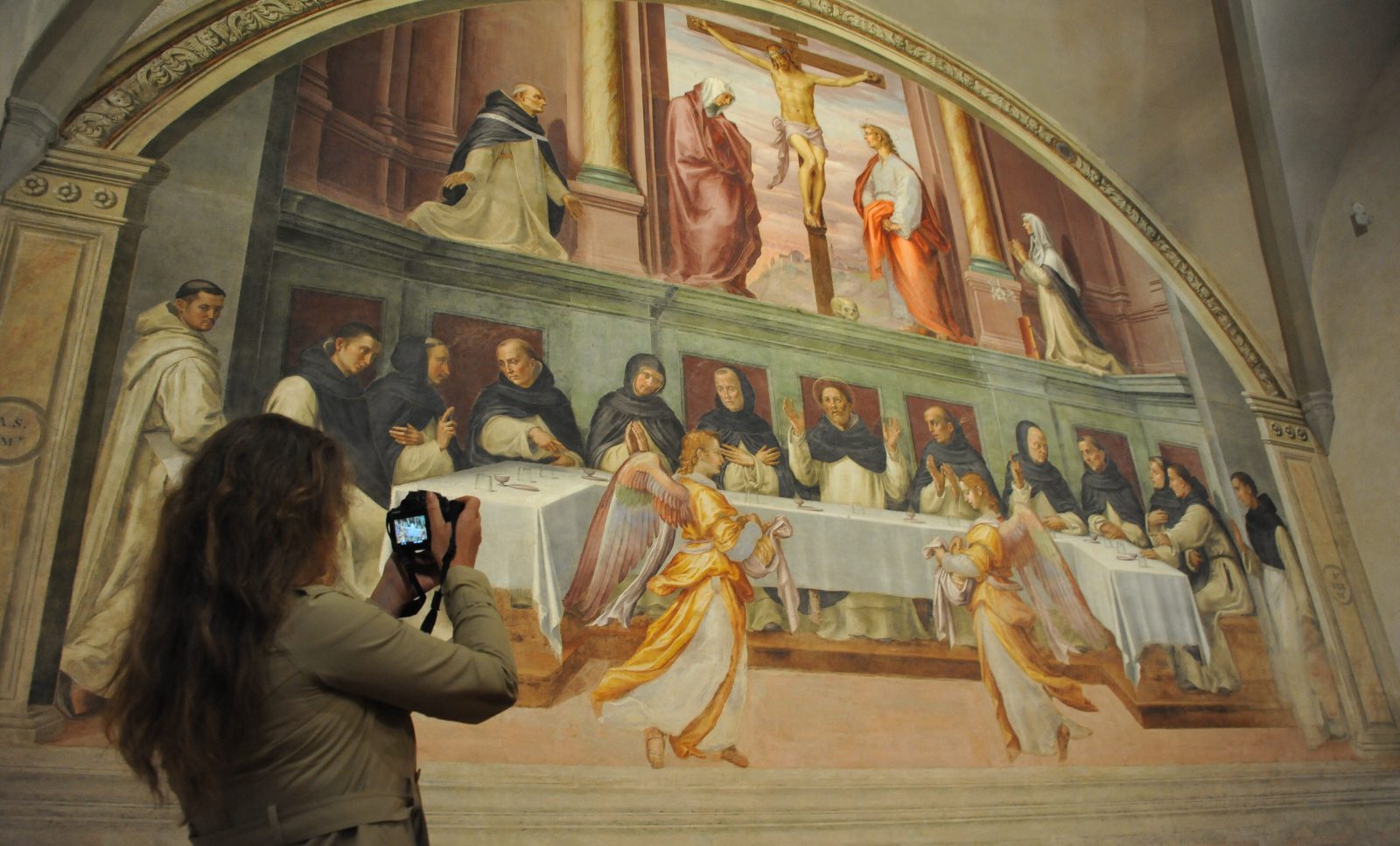
Sono fuggito da Firenze senza salutare Piero de’ Medici. E vi spiego perché quella scelta cambiò la mia vita
C’è chi ha raccontato la mia partenza come una fuga, chi l’ha trasformata in una specie di scandalo politico e chi, ancora oggi, la considera un gesto impulsivo di un giovane troppo orgoglioso. Ricordo quel momento come una decisione che pare improvvisa solo a chi ignora le dinamiche e osserva da lontano per sentenziare. Ho maturato quella scelta giorno dopo giorno, finché arrivò il momento in cui restare diventava più difficile che partire.
Nel 1494 avevo appena diciannove anni e il mio nome iniziava a circolare negli ambienti artistici di Firenze grazie agli anni trascorsi nel Giardino di San Marco, dove avevo avuto la fortuna di formarmi tra sculture antiche, maestri e uomini di cultura sotto la protezione dei Medici. Eppure, proprio quando tutto sembrava indirizzarmi verso una carriera tranquilla nella mia città, decisi di fare fagotto e sparire senza avvertire nessuno.
O quasi.
Firenze si accorse che non c’ero più
La notizia del mio allontanamento si diffuse con una rapidità sorprendente. Il 14 ottobre 1494 una lettera informava che “Michelagniolo ischultore dal giardino se n’è ito a Vinegia sanza dire nulla a Piero”, aggiungendo persino che Piero de’ Medici aveva accolto la cosa con enorme disappunto. Posso immaginare la scena vista da fuori: il giovane scultore cresciuto a casa Medici, alla corte del magnifico, che scompare all’improvviso senza lasciare spiegazioni non era certo il comportamento che ci si sarebbe aspettato da qualcuno che pareva destinato a divenire un artista di corte.
Firenze in quel momento stava attraversando uno dei momenti più turbolenti della sua storia. Le tensioni politiche aumentavano ogni giorno, l’invasione francese stava per travolgere gli equilibri della penisola e la posizione dei Medici diventava sempre più fragile.
In un simile scenario, rimanere dov’ero avrebbe significato affidare il mio destino agli eventi. Io preferii affidarlo alle mie gambe, andandogli incontro e cercando di non lasciarmi sopraffare dagli eventi più grandi di me.
Dovevo arrivare a Venezia, ma fu Bologna a cambiare il mio destino
Partii insieme a due compagni con l’intenzione di raggiungere Venezia, ma il viaggio prese presto una direzione diversa. Bologna, che inizialmente sembrava soltanto una tappa lungo il percorso, si rivelò attendermi o quasi.
Fu lì che incontrai Giovan Francesco Aldrovandi, un giurista colto e raffinato che decise di accogliermi nella propria casa e di offrirmi quella protezione che, in un momento tanto delicato della mia vita, valeva più dell’oro. Ancora oggi qualcuno sostiene che il nostro incontro sia stato casuale, ma conosco abbastanza bene gli uomini da sapere che dietro certe coincidenze si nascondono spesso conoscenze, raccomandazioni e intuizioni maturate molto tempo prima.
Probabilmente Aldrovandi aveva già sentito parlare di me, quel ragazzo fiorentino cresciuto nel Giardino di San Marco, e volle capire se la fama corrispondesse davvero al talento.
A diciannove anni mi ritrovai a lavorare accanto ai giganti della scultura italiana
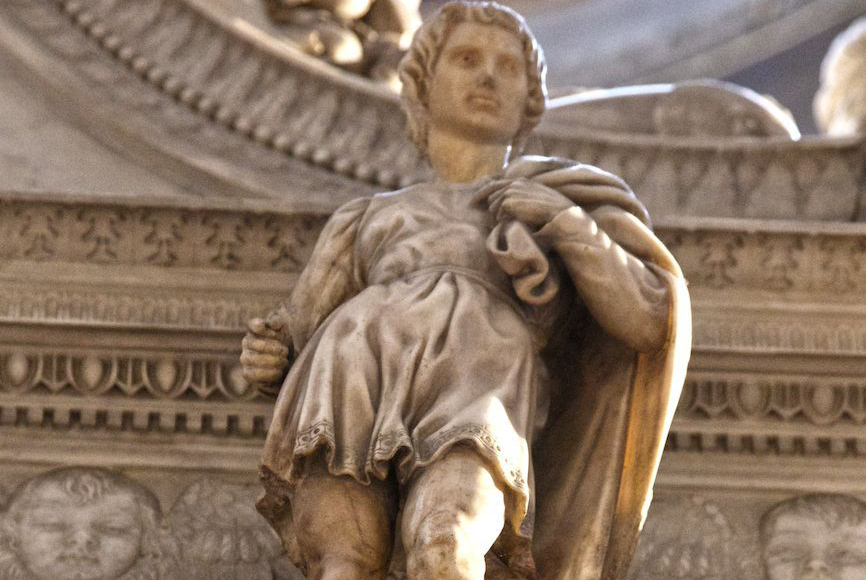
Non mi affidarono un’opera qualsiasi, bensì il completamento di alcune figure destinate alla monumentale Arca di San Domenico, un’impresa iniziata oltre due secoli prima e portata avanti da Niccolò dell’Arca, uno dei più straordinari scultori del Quattrocento.
Pensateci un momento: un ragazzo che non aveva ancora compiuto vent’anni veniva chiamato a intervenire su uno dei monumenti più importanti della città, confrontandosi con artisti che appartenevano ormai alla storia della scultura italiana.
Qualcuno avrebbe avvertito soltanto il peso della responsabilità. Io lì ci vidi un’occasione irripetibile. Non capita spesso di poter dialogare con i grandi maestri attraverso il marmo, anche quando quei maestri non sono più in vita.
Non ero più soltanto il ragazzo del Giardino di San Marco
È vero, la mia età poteva far pensare a un apprendista ancora inesperto, ma arrivavo a Bologna con un bagaglio che molti artisti più anziani non potevano vantare.
Avevo già scolpito la Madonna della Scala, avevo affrontato la complessa composizione della Battaglia dei Centauri, avevo lavorato al Crocifisso per Santo Spirito e avevo persino realizzato un grande Ercole in marmo destinato ai Medici, oggi purtroppo perduto.
In pochi anni avevo sperimentato il bassorilievo, l’altorilievo, la scultura lignea e quella monumentale in marmo, costruendomi una reputazione che iniziava a superare i confini di Firenze.
Insomma, non ero più soltanto un giovane promettente. Stavo diventando uno scultore sul quale valeva la pena scommettere.
L’Angelo di Bologna fu il mio primo vero dialogo con un altro artista
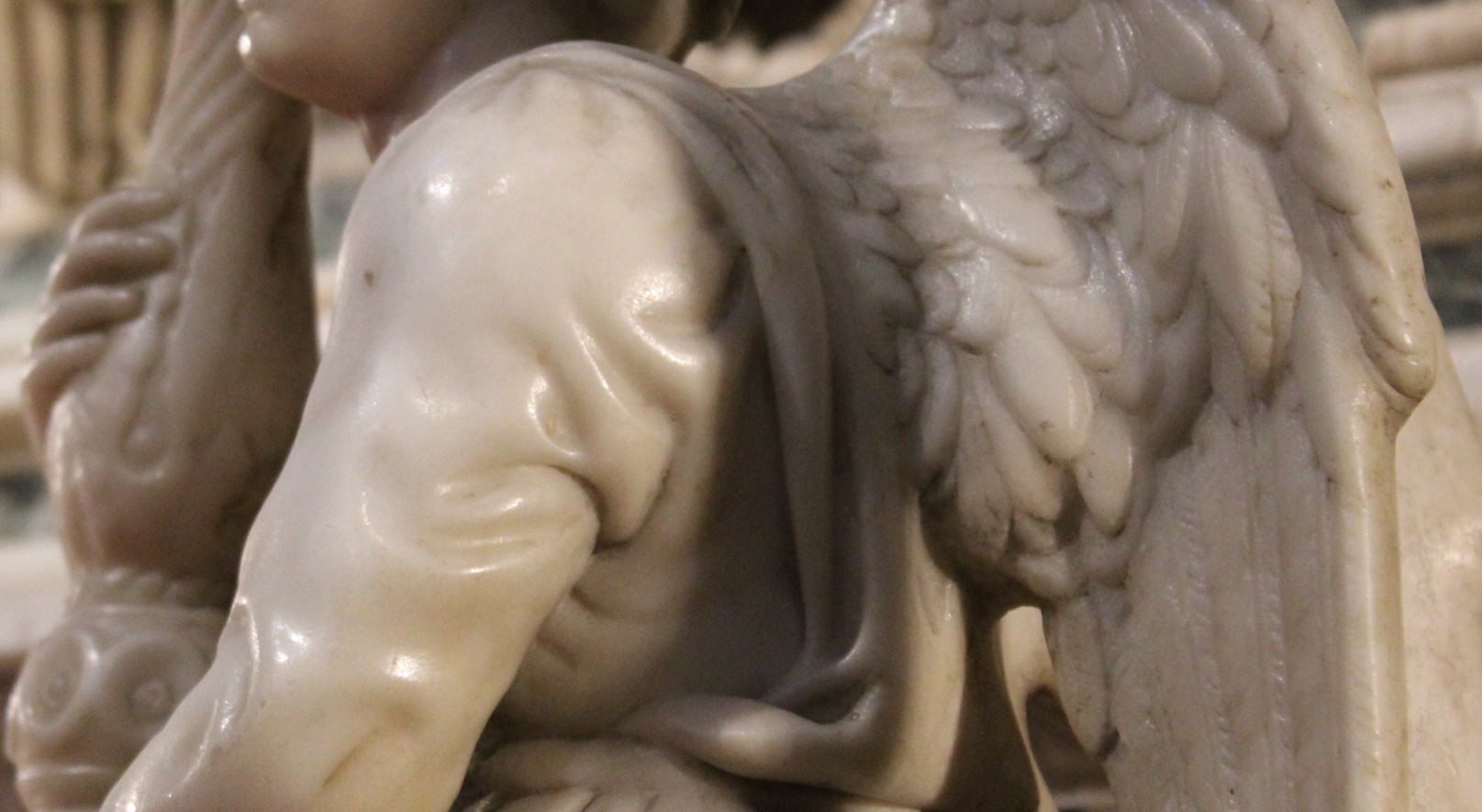
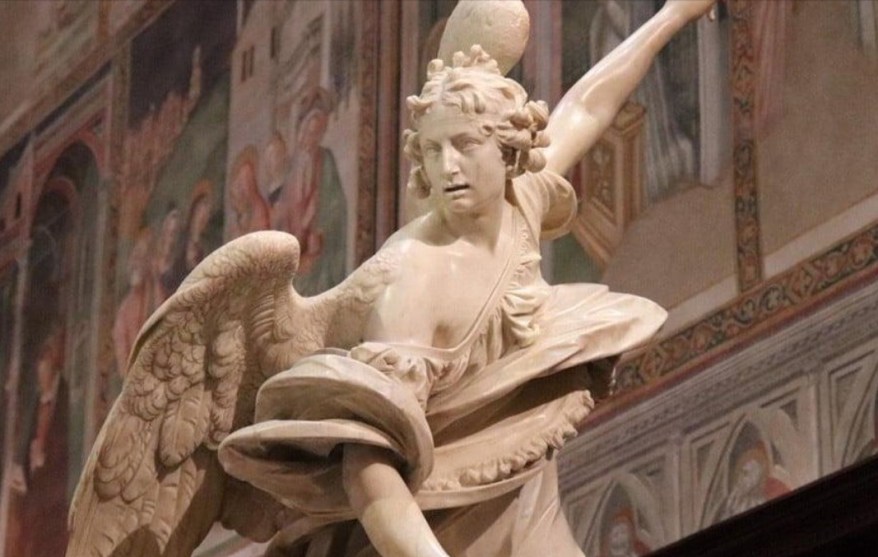
Tra le statue che scolpii per l’Arca di San Domenico, quella che ancora oggi attira immediatamente lo sguardo è l’Angelo reggicandelabro. Qualcuno potrebbe pensare che bastasse imitare quello scolpito decenni prima da Niccolò dell’Arca, così da mantenere uniforme l’intero monumento. Sarebbe stata la scelta più semplice, ma anche la più inutile.
Io non ho mai creduto che il rispetto per il passato coincidesse con la copia. Preferivo ascoltare ciò che il marmo mi suggeriva. Così scolpii nel marmo una figura che dialogava con quella già esistente senza diventarne un’ombra. Le pieghe della veste scorrono lungo il corpo invece di soffocarlo, le ali sembrano accompagnare il movimento anziché limitarlo e l’intera figura possiede quella lieve torsione che permette all’anatomia di respirare, come se il giovane angelo stesse per compiere un gesto nell’istante successivo.
Guardandolo oggi, riconosco già molte delle idee che avrei sviluppato negli anni successivi, quando il corpo umano sarebbe diventato il centro assoluto della mia ricerca artistica.
Anche nel Rinascimento gli artisti si contendevano le commissioni
Non tutti accolsero con entusiasmo il mio arrivo. Ascanio Condivi racconta che uno scultore bolognese si lamentò apertamente perché quelle statue, a suo dire, erano state promesse a lui e non a un giovane forestiero arrivato da Firenze. Gli storici discutono ancora sull’identità di questo rivale e continuano a interrogarsi se si trattasse di Vincenzo Onofri o di un altro maestro locale, ma la questione, alla fine, cambia poco.
L’arte è anche rivalità, gelosie e occasioni perdute. Cambiano i secoli, cambiano gli strumenti, ma quando un giovane ottiene un incarico prestigioso c’è quasi sempre qualcuno pronto a sostenere che non lo meritasse.
Quella fuga fu il primo passo verso il Michelangelo che conoscete
Quando ripenso a quei giorni mi viene da sorridere. Tutti ricordano il ragazzo che lasciò Firenze senza nemmeno salutare Piero de’ Medici, ma pochi si soffermano sul fatto che senza quella partenza probabilmente non avrei mai avuto l’opportunità di dimostrare quanto valessi davvero.
Bologna mi costrinse a confrontarmi con opere monumentali, con committenti esigenti e con artisti affermati, insegnandomi che il talento da solo non basta se non si ha il coraggio di metterlo continuamente alla prova.
Per questo non considero quel viaggio una fuga ma il momento esatto in cui smisi di essere soltanto Michelangelo, il ragazzo del Giardino di San Marco, e iniziai lentamente a diventare il Michelangelo che la storia avrebbe ricordato.
Come scrisse Pietro Aretino, prima che si scagliasse contro di me, “Il mondo ha molti re e un sol Michelangelo.”
Per il momento il sempre vostro Michelangelo Buonarroti vi saluta dandovi appuntamento ai prossimi post e sui social.
I fled Florence without saying goodbye to Piero de’ Medici. And I’ll explain why that decision changed my life.
Some have described my departure as a flight, some have turned it into a kind of political scandal, and some, even today, consider it the impulsive act of an overly proud young man. I remember that moment as a decision that seems sudden only to those unaware of the dynamics and observing from afar before passing judgment. I matured that choice day by day, until the moment came when staying became more difficult than leaving.
In 1494, I was just nineteen years old, and my name was beginning to circulate in Florentine artistic circles thanks to the years spent in the Garden of San Marco, where I had been fortunate enough to be educated among ancient sculptures, masters, and men of culture under the protection of the Medici. Yet, just when everything seemed to be pointing me toward a peaceful career in my hometown, I decided to pack up and disappear without telling anyone.
Or almost.
Florence realized I was gone.
News of my departure spread with surprising speed. On October 14, 1494, a letter informed them that “Michelagniolo, the schoolmaster, has left the garden for Venice without telling Piero,” even adding that Piero de’ Medici had received the news with enormous disappointment. I can imagine the scene from the outside: the young sculptor, raised in the Medici household, at the court of the Magnificent, suddenly disappearing without explanation—certainly not the behavior one would have expected from someone who seemed destined to become a court artist.
Florence at that time was experiencing one of the most turbulent moments in its history. Political tensions were rising daily, the French invasion was about to overturn the balance of power on the peninsula, and the Medici position was becoming increasingly fragile.
In such a scenario, remaining where I was would have meant entrusting my fate to events. I preferred to entrust it to my own two feet, walking toward it and trying not to be overwhelmed by events bigger than myself.
I was supposed to reach Venice, but it was Bologna that changed my destiny
I set out with two companions, intending to reach Venice, but the journey soon took a different direction. Bologna, which initially seemed like just a stop along the way, turned out to be waiting for me, or almost.
It was there that I met Giovan Francesco Aldrovandi, a cultured and refined jurist who decided to welcome me into his home and offer me the protection that, at such a delicate moment in my life, was worth more than gold. Even today, some say our meeting was a chance one, but I know men well enough to know that behind certain coincidences often lie connections, recommendations, and intuitions developed long ago.
Aldrovandi had probably already heard of me, that Florentine boy who grew up in the Garden of San Marco, and wanted to understand if fame truly corresponded to talent.
At nineteen, I found myself working alongside the giants of Italian sculpture
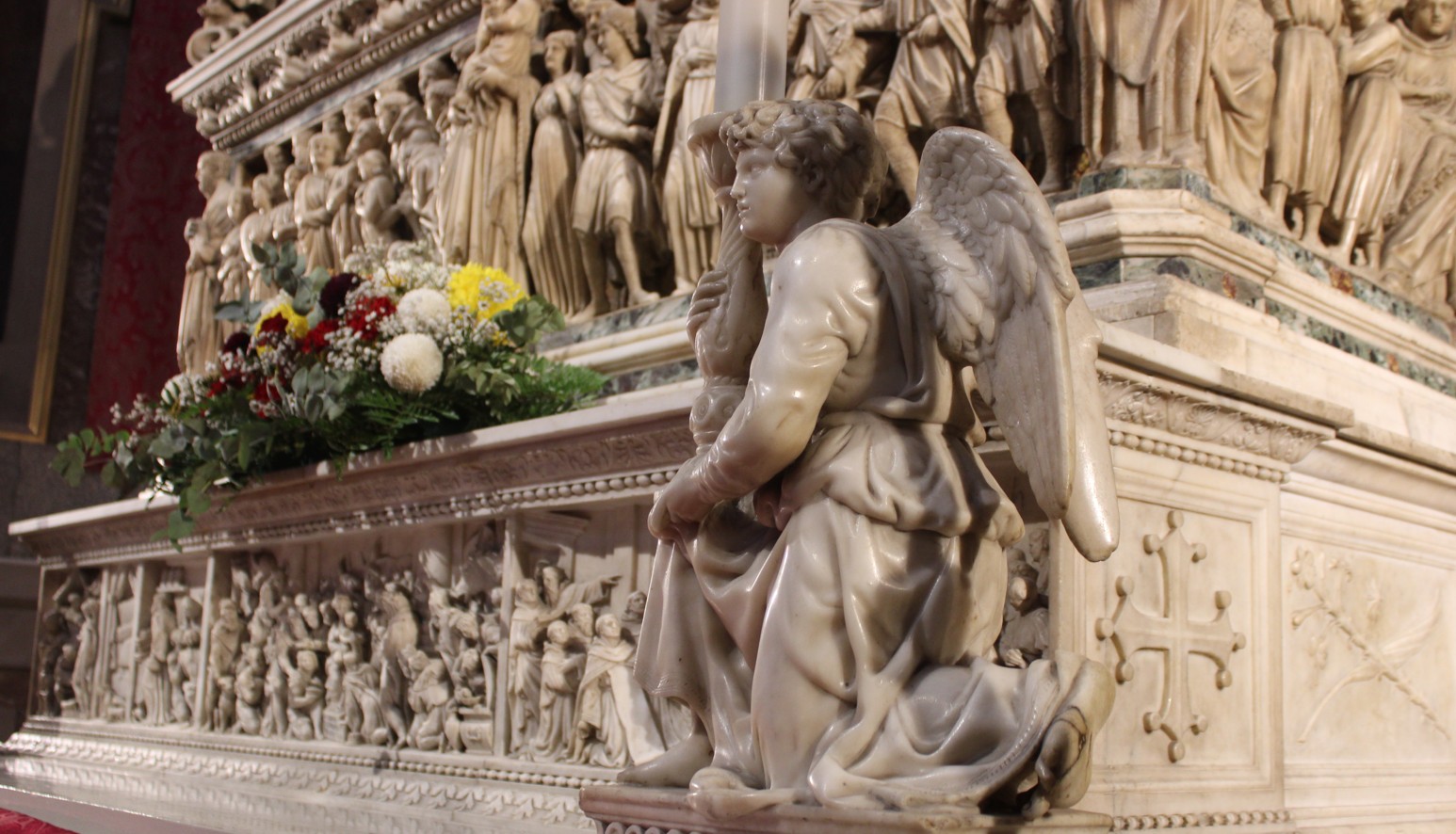
They didn’t just entrust me with any project, but with the completion of several figures for the monumental Arca di San Domenico, a project begun over two centuries earlier and continued by Niccolò dell’Arca, one of the most extraordinary sculptors of the fifteenth century.
Think about it for a moment: a boy who hadn’t yet turned twenty was called upon to work on one of the city’s most important monuments, engaging with artists who had become part of the history of Italian sculpture.
Some might have felt only the weight of responsibility. I saw it as a once-in-a-lifetime opportunity. It’s not often that you get to dialogue with the great masters through marble, even when those masters are no longer alive.
I was no longer just the boy from the Garden of San Marco
It’s true, my age might have made one think of an inexperienced apprentice, but I arrived in Bologna with a wealth of experience that many older artists couldn’t boast.
I had already sculpted the Madonna della Scala, tackled the complex composition of the Battle of the Centaurs, worked on the Crucifix for Santo Spirito, and even created a large marble Hercules for the Medici family, now sadly lost.
In just a few years, I had experimented with bas-relief, high-relief, wooden sculpture, and monumental marble sculpture, building a reputation that was beginning to spread beyond the confines of Florence.
In short, I was no longer just a promising young man. I was becoming a sculptor worth taking a chance on.
The Angel of Bologna was my first real dialogue with another artist
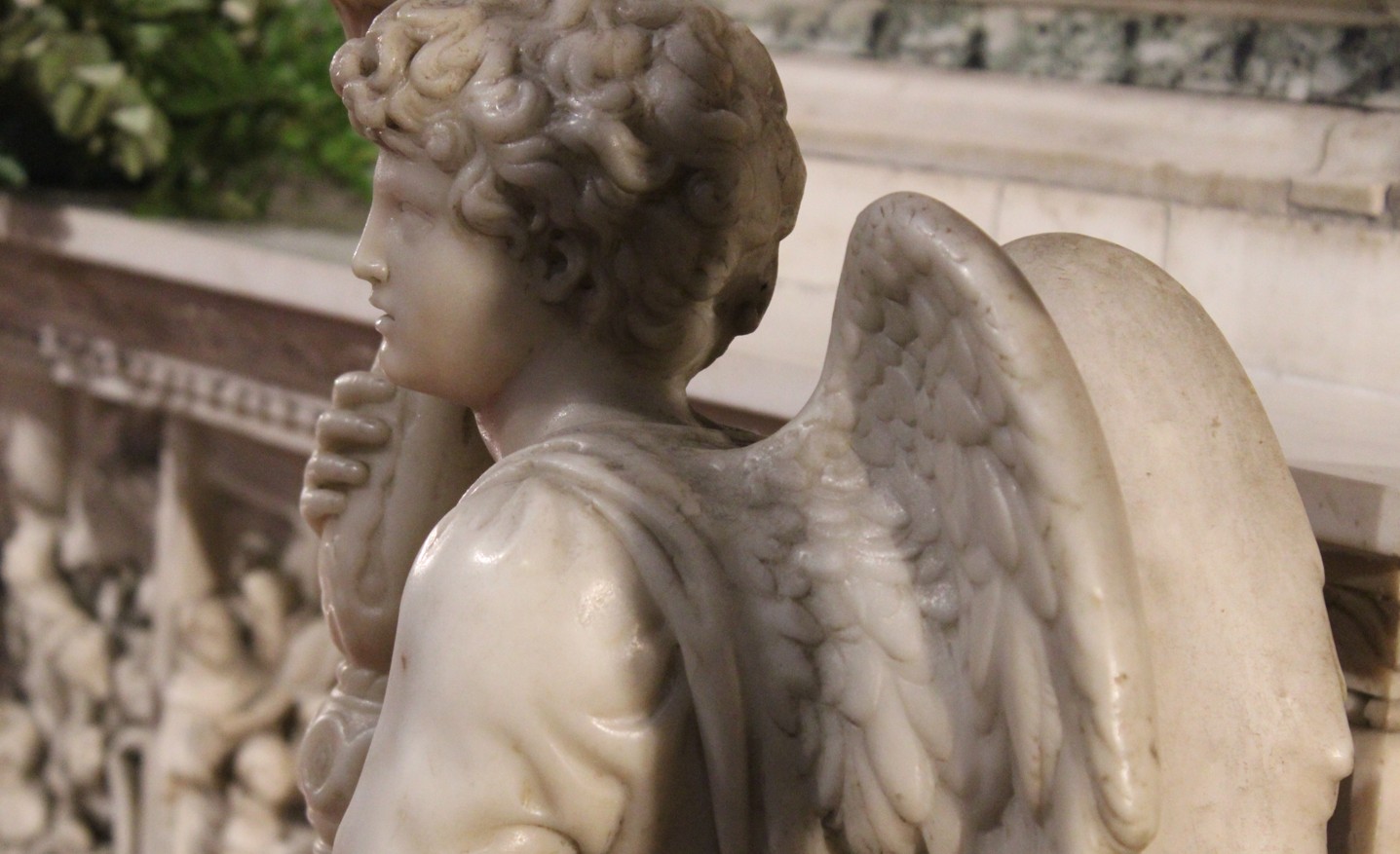
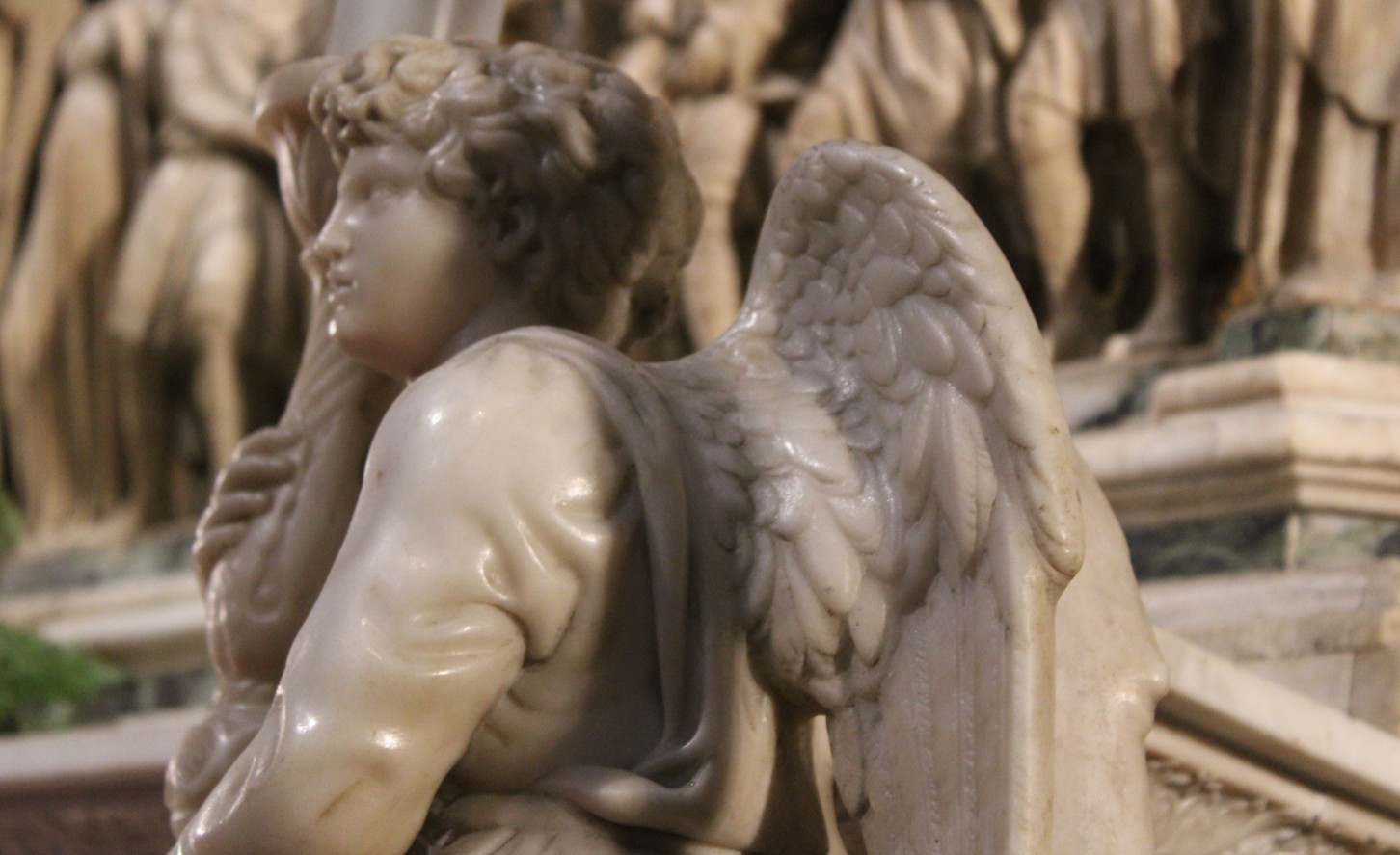
Among the statues I sculpted for the Ark of San Domenico, the one that still immediately catches the eye today is the Angel Holding the Candlestick. Some might think that it would have been enough to imitate the one sculpted decades earlier by Niccolò dell’Arca, thus maintaining the uniformity of the entire monument. It would have been the simplest choice, but also the most pointless.
I never believed that respect for the past meant copying. I preferred to listen to what the marble suggested to me. So I sculpted a figure in marble that interacted with the existing one without becoming a shadow. The folds of the robe flow along the body rather than suffocating it, the wings seem to accompany the movement rather than limit it, and the entire figure possesses that slight twist that allows the anatomy to breathe, as if the young angel were about to perform a gesture in the next moment.
Looking at it today, I already recognize many of the ideas I would develop in later years, when the human body would become the absolute center of my artistic research.
Even during the Renaissance, artists competed for commissions
Not everyone welcomed my arrival with enthusiasm. Ascanio Condivi recounts that a Bolognese sculptor openly complained that those statues had, in his opinion, been promised to him and not to a young foreigner from Florence. Historians still debate the identity of this rival and continue to wonder whether he was Vincenzo Onofri or another local master, but in the end, the matter changes little.
Art is also rivalry, jealousy, and missed opportunities. Centuries change, tools change, but when a young man receives a prestigious commission, there’s almost always someone ready to argue that he didn’t deserve it.
That escape was the first step towards the Michelangelo you know
When I think back to those days, it makes me smile. Everyone remembers the boy who left Florence without even saying goodbye to Piero de’ Medici, but few pause to consider that without that departure, I probably would never have had the opportunity to prove my true worth.
Bologna forced me to confront monumental works, demanding clients, and established artists, teaching me that talent alone is not enough unless you have the courage to continually put it to the test.
That’s why I don’t consider that trip an escape, but rather the exact moment when I stopped being just Michelangelo, the boy from the Garden of San Marco, and slowly began to become the Michelangelo that history would remember.
As Pietro Aretino wrote, before he attacked me, “The world has many kings and only one Michelangelo.”
For now, yours truly, Michelangelo Buonarroti bids you farewell and says goodbye, looking forward to seeing you in future posts and on social media.

Sostienici – Support Us
Se questo blog ti piace e ti appassiona, puoi aiutarci a farlo crescere sempre più sostenendoci in modo concreto condividendo i post, seguendo le pagine social e con un contributo che ci aiuta ad andare avanti con il nostro lavoro di divulgazione. . ENGLISH: If you like and are passionate about this blog, you can help us make it grow more and more by supporting us in a concrete way by sharing posts, following social pages and with a contribution that helps us to move forward with our dissemination work.
10,00 €
Condividi:


Questo sono io




sostienici

Sostienici – Support Us
Se questo blog ti piace e ti appassiona, puoi aiutarci a farlo crescere sempre più sostenendoci in modo concreto condividendo i post, seguendo le pagine social e con un contributo che ci aiuta ad andare avanti con il nostro lavoro di divulgazione. . ENGLISH: If you like and are passionate about this blog, you can help us make it grow more and more by supporting us in a concrete way by sharing posts, following social pages and with a contribution that helps us to move forward with our dissemination work.
€10,00


