

Francia, rubato il leggendario collare d’oro della principessa di Vix
La Francia torna al centro della cronaca internazionale per un nuovo furto che scuote il mondo dell’arte e dell’archeologia. Dopo il clamoroso colpo che aveva interessato il Museo del Louvre, un altro tesoro di inestimabile valore è sparito da un museo francese. Questa volta i ladri hanno preso di mira il celebre collare d’oro della principessa di Vix, uno dei reperti più preziosi dell’età celtica, custodito nel Museo del Pays Châtillonnais di Châtillon-sur-Seine, in Borgogna.
Il furto, avvenuto in pieno giorno venerdì 24 luglio, ha provocato sconcerto tra studiosi, archeologi e istituzioni. Non si tratta soltanto della sottrazione di un oggetto d’oro: è scomparso uno dei simboli più importanti della storia europea.
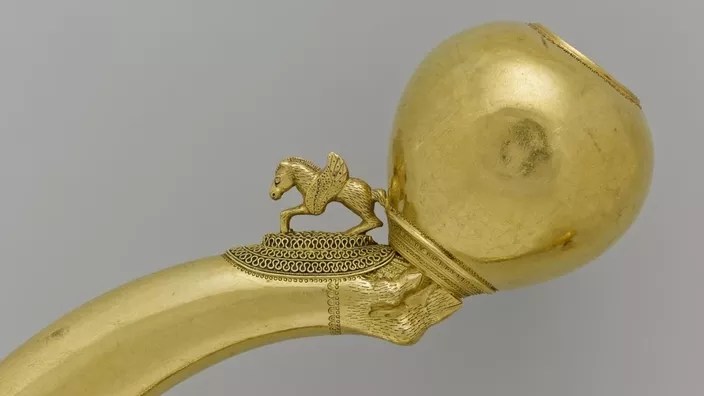
Un gioiello unico al mondo sparito davanti ai visitatori
Secondo le prime ricostruzioni, i responsabili sarebbero entrati nel museo fingendosi normali visitatori. Dopo aver individuato il prezioso reperto, lo avrebbero sottratto in pochi istanti, uscendo dall’ingresso principale senza destare immediatamente sospetti.
L’azione, avvenuta a volto scoperto e davanti ad altri turisti, dimostrerebbe una pianificazione accurata e una perfetta conoscenza degli spazi museali. Gli investigatori stanno ora analizzando le immagini delle telecamere per ricostruire i movimenti dei responsabili.
Il sindaco di Châtillon-sur-Seine, Jérémie Brigand, ha parlato di un’operazione condotta con grande professionalità, capace di aggirare i sistemi di sicurezza installati negli ultimi anni.
Il collare della principessa di Vix: un capolavoro dell’arte celtica
Il reperto trafugato rappresentava uno dei più straordinari gioielli dell’archeologia europea. Realizzato con circa 480 grammi d’oro lavorato in un unico pezzo apribile, adornava il collo della cosiddetta principessa di Vix, una donna appartenente all’élite aristocratica celtica vissuta nel VI secolo avanti Cristo.
La raffinatezza della lavorazione ha sempre affascinato gli studiosi. Ancora oggi il collare alimenta il dibattito sulle relazioni tra il mondo celtico e le grandi civiltà del Mediterraneo. Alcuni esperti ritengono che sia stato realizzato da un maestro greco o etrusco, mentre altri sostengono che possa essere opera di un abilissimo artigiano locale influenzato dalle culture mediterranee.
Qualunque sia la sua origine, il gioiello costituisce una testimonianza eccezionale dei rapporti commerciali e culturali nell’Europa di oltre duemilacinquecento anni fa.
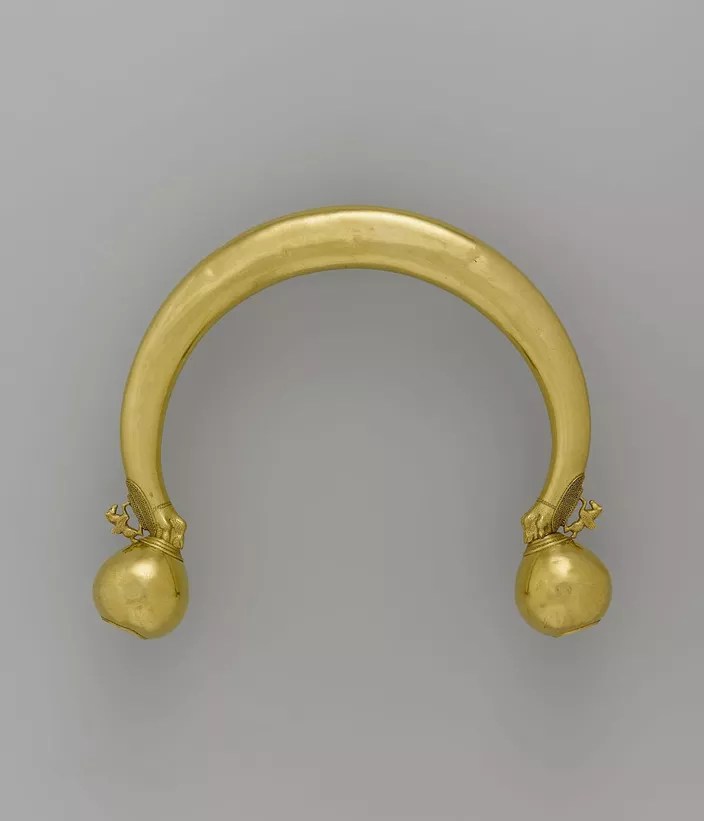
Il tesoro di Vix che cambiò la storia dell’archeologia
Il collare faceva parte del celebre tesoro della principessa di Vix, scoperto nel 1953 dall’insegnante e archeologo René Joffroy durante gli scavi della monumentale tomba aristocratica.
La scoperta ebbe una risonanza internazionale. Accanto al collare furono rinvenuti oggetti di straordinario pregio, tra cui il gigantesco cratere in bronzo alto circa 1,65 metri e dal peso superiore ai 200 chilogrammi, considerato ancora oggi uno dei più grandi vasi in bronzo dell’antichità mai ritrovati.
Quel corredo funerario rivoluzionò la conoscenza della civiltà celtica, dimostrando il ruolo centrale delle élite della Borgogna nei commerci con il mondo greco ed etrusco.
La sicurezza dei musei francesi torna sotto accusa
Il furto riaccende il dibattito sulla protezione del patrimonio culturale francese. Il museo era già stato preso di mira in passato: nella notte tra il 17 e il 18 luglio alcuni individui avevano tentato di introdursi nell’edificio senza riuscirci, mentre un altro episodio si era verificato circa otto mesi prima.
Negli ultimi due anni erano stati investiti circa 150 mila euro per rafforzare la sicurezza con nuove telecamere e porte blindate. Misure che, evidentemente, non sono bastate a impedire l’ennesimo colpo.
Dopo l’accaduto, la ministra della Cultura Catherine Pégard ha annunciato un nuovo piano nazionale destinato a rafforzare la sicurezza dei musei francesi e a proteggere le opere custodite nelle collezioni pubbliche.
Il timore degli archeologi: una perdita irreparabile
La preoccupazione maggiore degli studiosi riguarda il destino del collare. Un oggetto così celebre è praticamente impossibile da immettere nel mercato legale dell’arte. Il rischio, tuttavia, è che venga smembrato o addirittura fuso per recuperare il metallo prezioso, cancellando per sempre un capolavoro che raccontava oltre venticinque secoli di storia.
Se ciò accadesse, non scomparirebbe soltanto un gioiello di straordinario valore economico, ma una testimonianza insostituibile della civiltà celtica e delle sue relazioni con il mondo antico.
L’ennesimo furto ai danni di un museo francese riapre così una questione sempre più urgente: come proteggere un patrimonio culturale che rappresenta la memoria collettiva dell’Europa e che continua a essere nel mirino della criminalità specializzata.
Per il momento il sempre vostro Michelangelo Buonarroti vi saluta dandovi appuntamento ai prossimi post e sui social.
France: Princess Vix’s legendary golden collar stolen
France is back in the international news for a new theft that is rocking the world of art and archaeology. After the sensational robbery at the Louvre Museum, another priceless treasure has disappeared from a French museum. This time, the thieves targeted the famous gold collar of the Princess of Vix, one of the most precious relics of the Celtic era, housed in the Musée du Pays Châtillonnais in Châtillon-sur-Seine, Burgundy.
The theft, which occurred in broad daylight on Friday, July 24, has caused shock among scholars, archaeologists, and institutions. It’s not just the theft of a gold object: one of the most important symbols of European history has disappeared.
A unique jewel vanished in front of visitors
According to initial reports, the perpetrators entered the museum posing as ordinary visitors. After identifying the precious artifact, they apparently stole it in a matter of moments, exiting through the main entrance without immediately arousing suspicion.
The act, carried out uncovered and in front of other tourists, demonstrates careful planning and a thorough knowledge of the museum spaces. Investigators are now analyzing CCTV footage to reconstruct the perpetrators’ movements.
The mayor of Châtillon-sur-Seine, Jérémie Brigand, described it as a highly professional operation, capable of bypassing the security systems installed in recent years.
The Collar of the Princess of Vix: A Masterpiece of Celtic Art
The stolen artifact was one of the most extraordinary jewels of European archaeology. Made of approximately 480 grams of gold, worked into a single, openable piece, it adorned the neck of the so-called Princess of Vix, a woman belonging to the Celtic aristocratic elite who lived in the 6th century BC.
The refinement of its workmanship has always fascinated scholars. Even today, the collar fuels debate about the relationship between the Celtic world and the great Mediterranean civilizations. Some experts believe it was crafted by a Greek or Etruscan master, while others maintain it may be the work of a highly skilled local craftsman influenced by Mediterranean cultures.
Whatever its origins, the jewel represents an exceptional testimony to the commercial and cultural relations in Europe over 2,500 years ago.
The Vix Treasure That Changed the History of Archaeology
The collar was part of the famous treasure of the Princess of Vix, discovered in 1953 by teacher and archaeologist René Joffroy during excavations of the monumental aristocratic tomb.
The discovery received international attention. Alongside the collar, other objects of extraordinary value were found, including the gigantic bronze krater, approximately 1.65 meters tall and weighing over 200 kilograms, still considered one of the largest ancient bronze vessels ever discovered.
The funerary objects revolutionized our understanding of Celtic civilization, demonstrating the central role of Burgundy’s elite in trade with the Greek and Etruscan worlds.
French Museum Security Returns Under Fire
The theft reignites the debate over the protection of France’s cultural heritage. The museum had been targeted in the past: on the night of July 17th to 18th, individuals had attempted to break into the building but failed, while another incident had occurred approximately eight months earlier.
Over the past two years, approximately €150,000 had been invested to strengthen security with new cameras and reinforced doors. These measures, evidently, were not enough to prevent yet another theft.
After the incident, Culture Minister Catherine Pégard announced a new national plan to strengthen the security of French museums and protect the works held in public collections.
Archaeologists Fear: An Irreparable Loss
Scholars’ greatest concern is the fate of the collar. Such a celebrated object is virtually impossible to place on the legal art market. The risk, however, is that it will be dismembered or even melted down to recover the precious metal, forever erasing a masterpiece that recounted over twenty-five centuries of history.
If this were to happen, not only would a jewel of extraordinary economic value disappear, but an irreplaceable testimony to Celtic civilization and its relationship with the ancient world.
The latest theft from a French museum thus reopens an increasingly urgent question: how to protect a cultural heritage that represents Europe’s collective memory and continues to be targeted by specialized criminals.
For now, yours truly, Michelangelo Buonarroti bids you farewell and invites you to join him in future posts and on social media.

Sostienici – Support Us
Se questo blog ti piace e ti appassiona, puoi aiutarci a farlo crescere sempre più sostenendoci in modo concreto condividendo i post, seguendo le pagine social e con un contributo che ci aiuta ad andare avanti con il nostro lavoro di divulgazione. . ENGLISH: If you like and are passionate about this blog, you can help us make it grow more and more by supporting us in a concrete way by sharing posts, following social pages and with a contribution that helps us to move forward with our dissemination work.
10,00 €
Articoli
Condividi:


Questo sono io




sostienici

Sostienici – Support Us
Se questo blog ti piace e ti appassiona, puoi aiutarci a farlo crescere sempre più sostenendoci in modo concreto condividendo i post, seguendo le pagine social e con un contributo che ci aiuta ad andare avanti con il nostro lavoro di divulgazione. . ENGLISH: If you like and are passionate about this blog, you can help us make it grow more and more by supporting us in a concrete way by sharing posts, following social pages and with a contribution that helps us to move forward with our dissemination work.
€10,00


Ma non capisco come oggetti d’inestimabile valore siano tenuti così, senza la massima sicurezza contro i furti, evidentemente da quelle parti confidano troppo sulla bontà delle persone, cose dell’altro mondo 😱
"Mi piace"Piace a 1 persona