

Il tradimento di Sansone nel capolavoro giovanile di Van Dyck
Un attimo di silenzio prima della tragedia. È proprio quell’istante carico di tensione psicologica che Anthony van Dyck sceglie di immortalare nel suo straordinario Sansone e Dalila, uno dei primi capolavori del grande maestro fiammingo.
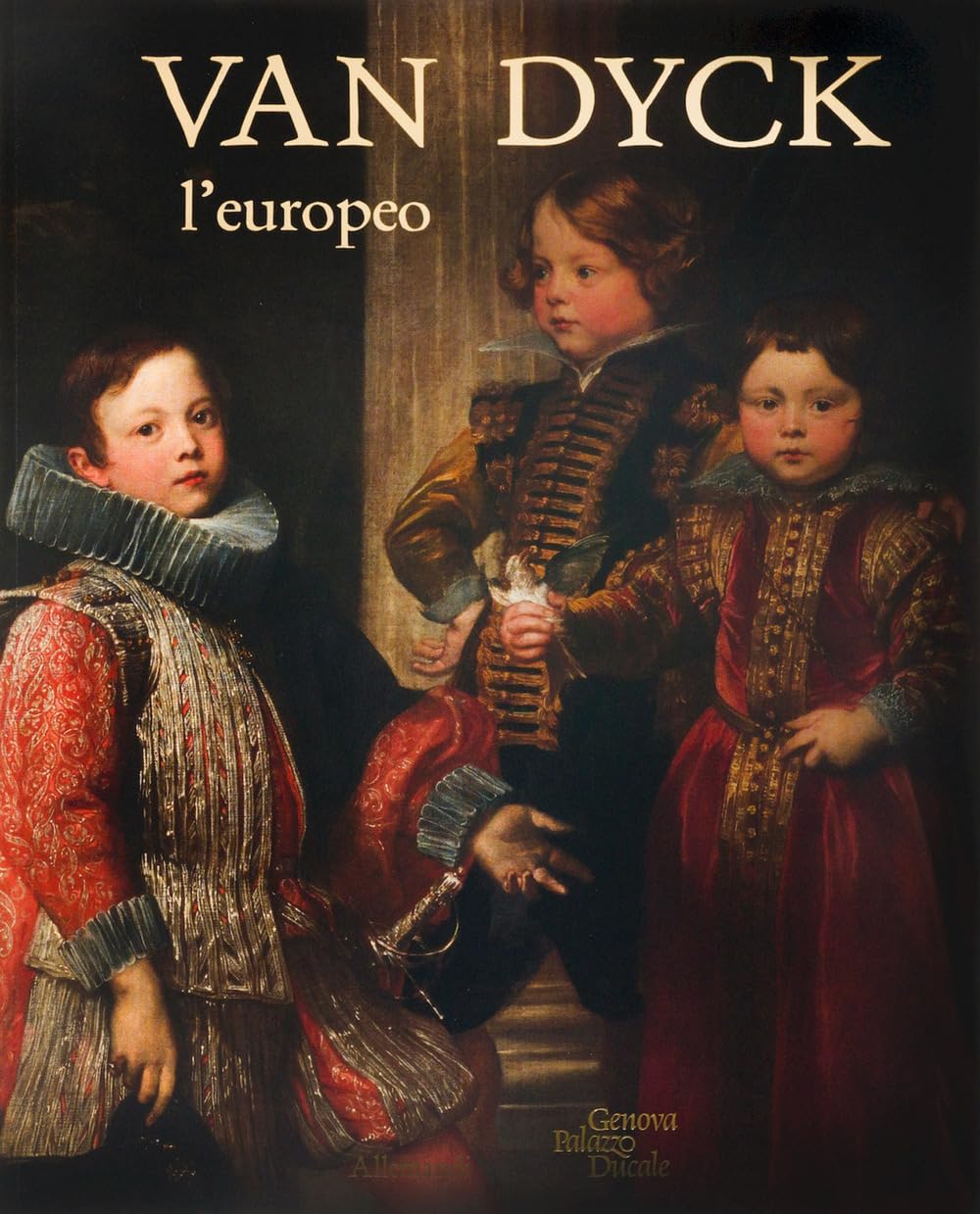
Oggi questo dipinto è uno dei protagonisti della mostra “Van Dyck l’Europeo”, allestita negli Appartamenti e nella Cappella del Doge di Palazzo Ducale a Genova, visitabile fino al 19 luglio 2026.

Il momento che cambia il destino di Sansone
La scena si ispira a uno degli episodi più celebri dell’Antico Testamento, narrato nel Libro dei Giudici (16,4-21). Sansone, l’eroe dalla forza sovrumana donatagli da Dio, dorme serenamente con la testa appoggiata sulle ginocchia dell’amata Dalila, ignaro che proprio quella donna stia per consegnarlo ai suoi nemici.
I Filistei, infatti, avevano promesso a Dalila 1.100 monete d’argento affinché scoprisse il segreto dell’invincibilità di Sansone. Dopo ripetuti tentativi, la donna riuscì a farsi confidare la verità: la sua forza risiedeva nei lunghi capelli, mai tagliati.
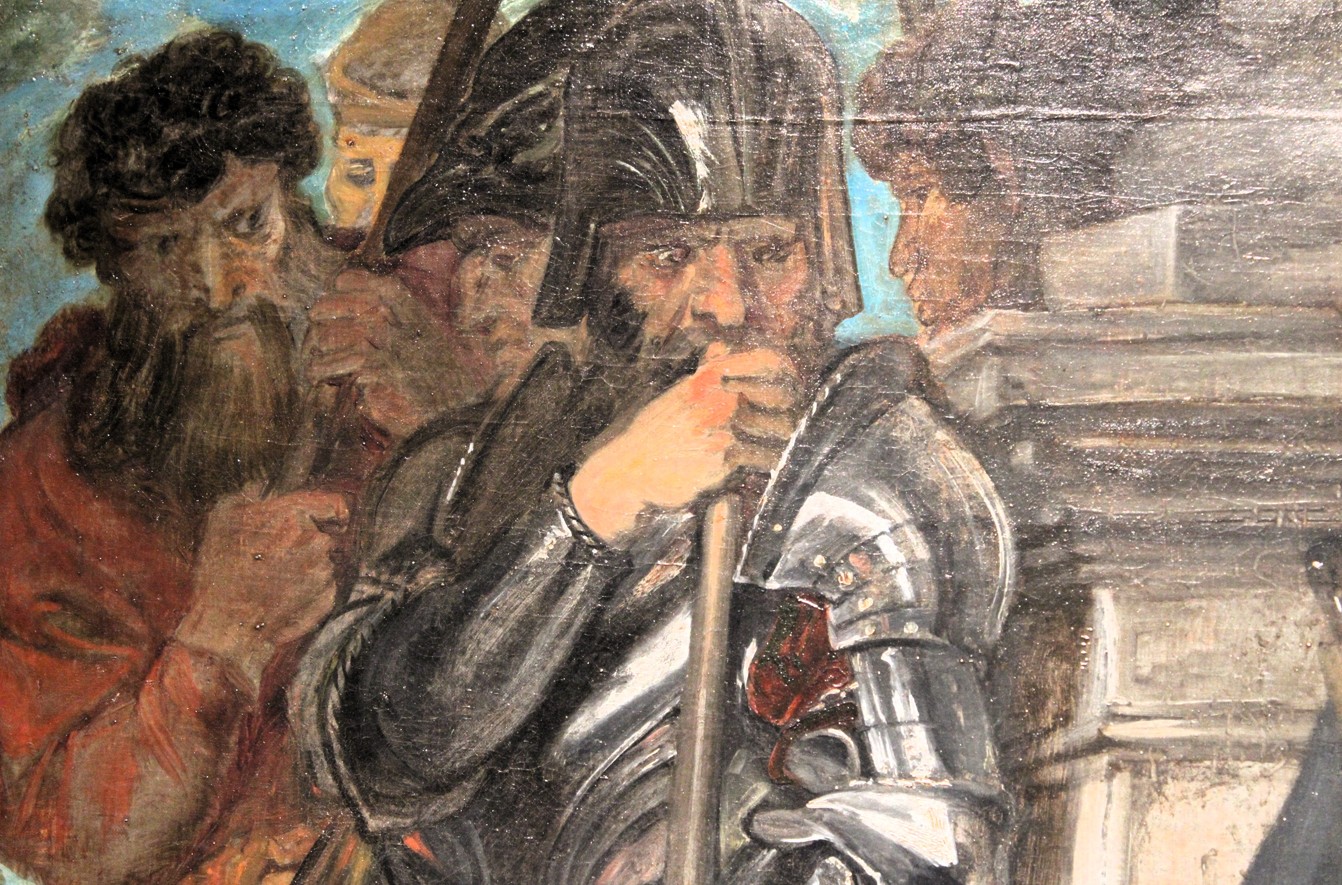
Nel dipinto di Van Dyck, i Filistei sono già nascosti dietro la colonna sulla sinistra, pronti a entrare in azione.
Tutto è pronto, ma nulla è ancora accaduto. È questo il momento scelto dall’artista: il respiro trattenuto prima dell’inevitabile.
Una Dalila fredda e calcolatrice
L’elemento più sorprendente dell’opera è proprio Dalila. Van Dyck la trasforma nella vera protagonista della scena, raffigurandola come la mente del tradimento.
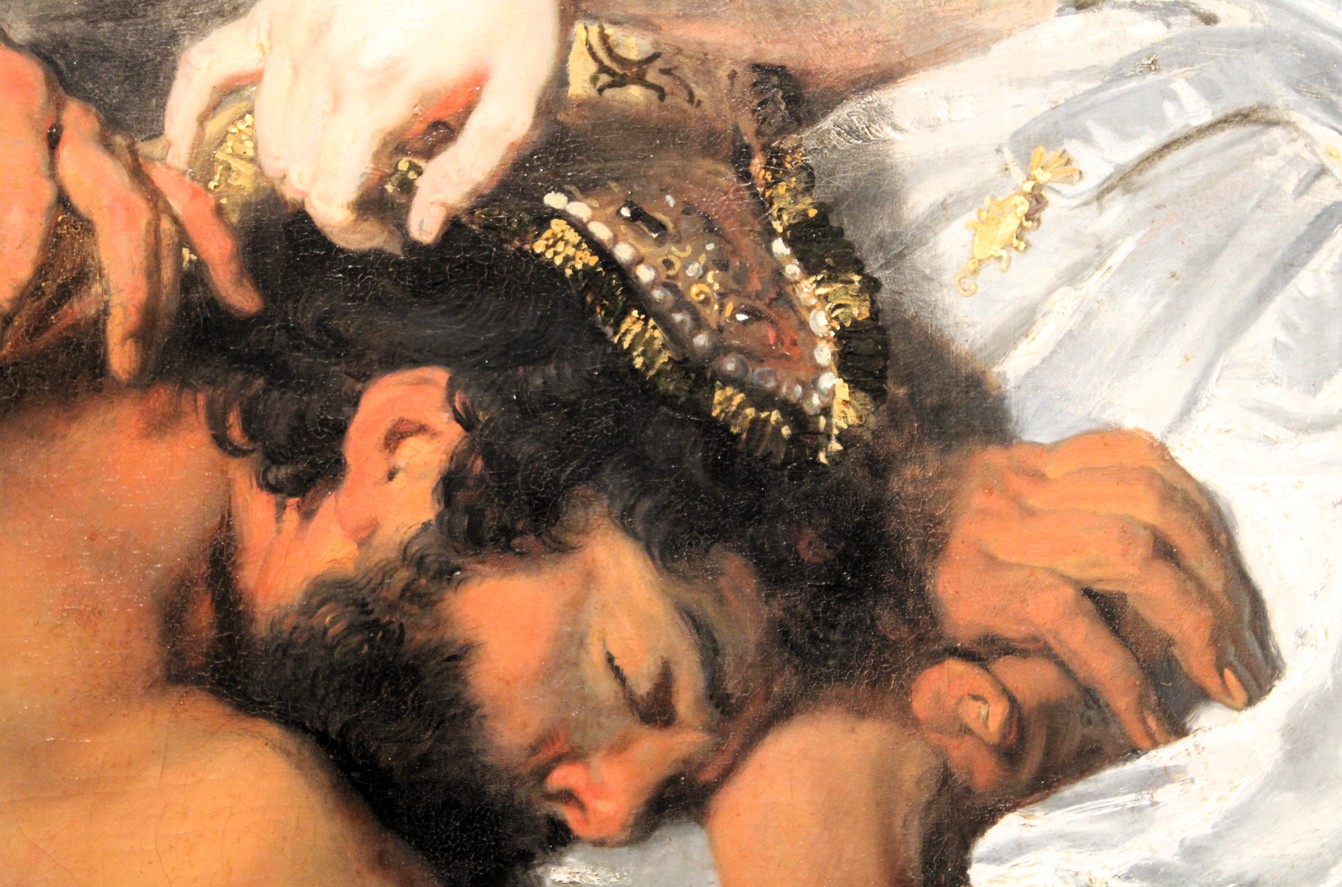
Con un dito sulle labbra invita al silenzio, mentre con l’altra mano scosta con delicatezza le ciocche dei capelli di Sansone, preparando il lavoro del servo armato di forbici. Un gesto apparentemente delicato che nasconde una determinazione glaciale.
L’intera composizione è costruita sulla tensione psicologica: Sansone appare completamente vulnerabile, mentre ogni personaggio sembra trattenere il fiato nell’attesa dell’atto decisivo.

Il giovane Van Dyck sfida il maestro Rubens
Quando realizzò quest’opera, Anthony van Dyck aveva appena una ventina d’anni e lavorava ad Anversa come assistente nella bottega di Peter Paul Rubens.
Il confronto con il maestro è inevitabile. Circa dieci anni prima Rubens aveva dipinto lo stesso soggetto, oggi conservato alla National Gallery di Londra, scegliendo di rappresentare il momento in cui le forbici iniziano già a recidere i capelli di Sansone.
Van Dyck, invece, cambia completamente il ritmo della narrazione. Come spesso accade nelle sue reinterpretazioni delle invenzioni di Rubens, ribalta la composizione e concentra tutta l’attenzione sull’attimo precedente all’azione. Il risultato è una scena più intima, teatrale e psicologicamente intensa, nella quale la suspense diventa la vera protagonista.

Un virtuosismo pittorico già sorprendente
Sansone e Dalila rappresenta anche una straordinaria dimostrazione del talento precoce dell’artista.
Il giovane Van Dyck mette in mostra una padronanza tecnica indiscutibile: dalla resa anatomica dei corpi ai riflessi del raso, dalla morbidezza della pelliccia fino alla ricchezza del broccato e ai preziosi ornamenti che impreziosiscono l’acconciatura di Dalila.
Osservate i piedi sudici di Sansone che molto hanno a che fare con il realismo di Caravaggio e i piedi del pellegrino che prega in ginocchio nel dipinto della Madonna di Loreto.
Ogni dettaglio contribuisce a costruire il racconto di seduzione e inganno, elementi che diventeranno una delle cifre stilistiche del pittore negli anni successivi.

Dove vedere oggi il Sansone e Dalila di Van Dyck
Il dipinto è attualmente esposto a Palazzo Ducale di Genova, negli Appartamenti e Cappella del Doge, all’interno della mostra “Van Dyck l’Europeo”, un’importante esposizione dedicata all’artista fiammingo e alla sua influenza sulla pittura europea.
La mostra rimarrà aperta al pubblico fino al 19 luglio 2026, offrendo l’occasione di ammirare da vicino uno dei lavori che segnano l’inizio della straordinaria carriera di Van Dyck e che già rivelano quella raffinatezza psicologica destinata a renderlo uno dei più grandi interpreti della pittura barocca europea.
Per il momento il sempre vostro Michelangelo Buonarroti vi saluta dandovi appuntamento ai prossimi post e sui social.
Samson’s Betrayal in Van Dyck’s Early Masterpiece
A moment of silence before tragedy. It is precisely that moment, charged with psychological tension, that Anthony van Dyck chooses to immortalize in his extraordinary Samson and Delilah, one of the great Flemish master’s early masterpieces.
Today, this painting is one of the highlights of the exhibition “Van Dyck the European,” held in the Doge’s Apartments and Chapel of the Doge’s Palace in Genoa, open until July 19, 2026.
The Moment That Changes Samson’s Destiny
The scene is inspired by one of the most famous episodes of the Old Testament, narrated in the Book of Judges (16:4-21). Samson, the hero endowed with superhuman strength by God, sleeps peacefully with his head resting on the lap of his beloved Delilah, unaware that she is about to hand him over to his enemies.
The Philistines had promised Delilah 1,100 silver coins to reveal the secret of Samson’s invincibility. After repeated attempts, Delilah finally revealed the truth: his strength lay in his long, uncut hair.
In Van Dyck’s painting, the Philistines are already hidden behind the column on the left, ready to spring into action.
Everything is ready, but nothing has happened yet. This is the moment chosen by the artist: the breath held before the inevitable.
A Cold and Calculating Delilah
The most striking element of the work is Delilah herself. Van Dyck transforms her into the true protagonist of the scene, portraying her as the mastermind of the betrayal.
With a finger on her lips, she calls for silence, while with the other hand she delicately pushes back strands of Samson’s hair, preparing the servant armed with scissors. A seemingly delicate gesture conceals icy determination.
The entire composition is built on psychological tension: Samson appears completely vulnerable, while each character seems to be holding their breath, awaiting the decisive act.
The Young Van Dyck Challenges the Master Rubens
When he painted this work, Anthony van Dyck was just twenty years old and working in Antwerp as an assistant in the workshop of Peter Paul Rubens.
The comparison with the master is inevitable. About ten years earlier, Rubens had painted the same subject, now in the National Gallery in London, choosing to depict the moment when the scissors are already beginning to cut Samson’s hair.
Van Dyck, on the other hand, completely changes the narrative’s pace. As often happens in his reinterpretations of Rubens’s inventions, he reverses the composition and focuses all attention on the moment preceding the action. The result is a more intimate, theatrical, and psychologically intense scene, in which suspense takes center stage.
An already astonishing pictorial virtuosity
Samson and Delilah also represents an extraordinary demonstration of the artist’s precocious talent.
The young Van Dyck displays undeniable technical mastery: from the anatomical rendering of the bodies to the reflections of the satin, from the softness of the fur to the richness of the brocade and the precious ornaments that embellish Delilah’s hair.
Observe Samson’s dirty feet, which have much in common with Caravaggio’s realism, and the feet of the pilgrim kneeling in prayer in the painting of the Madonna of Loreto.
Every detail contributes to the story of seduction and deception, elements that would become one of the painter’s stylistic hallmarks in later years.
Where to see Van Dyck’s Samson and Delilah today
The painting is currently on display at the Palazzo Ducale in Genoa, in the Doge’s Apartments and Chapel, as part of the exhibition “Van Dyck the European,” a major exhibition dedicated to the Flemish artist and his influence on European painting.
The exhibition will remain open to the public until July 19, 2026, offering the opportunity to admire up close one of the works that marked the beginning of Van Dyck’s extraordinary career and which already revealed the psychological refinement that would make him one of the greatest interpreters of European Baroque painting.
For now, yours truly, Michelangelo Buonarroti bids you farewell and invites you to join him in future posts and on social media.

Sostienici – Support Us
Se questo blog ti piace e ti appassiona, puoi aiutarci a farlo crescere sempre più sostenendoci in modo concreto condividendo i post, seguendo le pagine social e con un contributo che ci aiuta ad andare avanti con il nostro lavoro di divulgazione. . ENGLISH: If you like and are passionate about this blog, you can help us make it grow more and more by supporting us in a concrete way by sharing posts, following social pages and with a contribution that helps us to move forward with our dissemination work.
10,00 €
Articoli
Condividi:


Questo sono io




sostienici

Sostienici – Support Us
Se questo blog ti piace e ti appassiona, puoi aiutarci a farlo crescere sempre più sostenendoci in modo concreto condividendo i post, seguendo le pagine social e con un contributo che ci aiuta ad andare avanti con il nostro lavoro di divulgazione. . ENGLISH: If you like and are passionate about this blog, you can help us make it grow more and more by supporting us in a concrete way by sharing posts, following social pages and with a contribution that helps us to move forward with our dissemination work.
€10,00


