
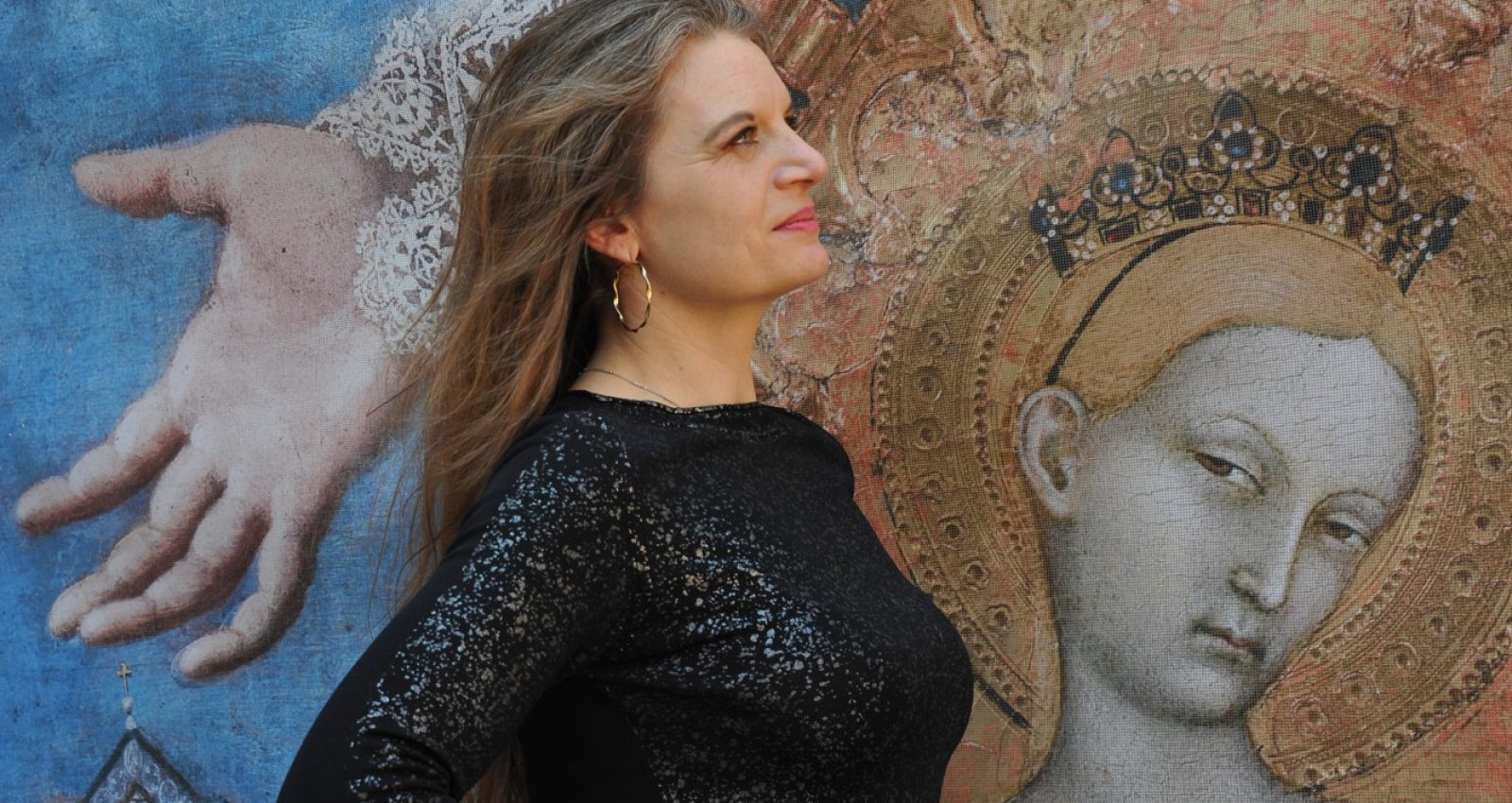
Il Rinascimento oltre il canone: a Milano la mostra che racconta il fascino della “bella bruttezza”
La bellezza può nascere dalla bruttezza? È una domanda che continua a interrogare artisti, filosofi e osservatori ancora oggi. E proprio da questo affascinante paradosso prende forma “Bellezza e Bruttezza. Ideale, reale, caricaturale nel Rinascimento”, la grande mostra che approda alle Gallerie d’Italia-Milano dal 10 luglio al 18 ottobre dopo il successo registrato al Bozar di Bruxelles.
L’esposizione, curata da Chiara Rabbi Bernard con il coordinamento generale di Gianfranco Brunelli, invita il pubblico a riscoprire il Rinascimento da una prospettiva inedita. Non solo l’epoca dell’armonia perfetta, delle proporzioni ideali e dei volti angelici, ma anche un laboratorio creativo in cui il deforme, il grottesco e il caricaturale diventano strumenti di riflessione estetica.
Oltre l’ideale: quando la bruttezza diventa arte
Attraverso oltre cento opere tra dipinti, sculture, disegni, manoscritti e oggetti d’arte decorativa, la mostra affronta uno dei temi più complessi della cultura figurativa europea: il rapporto tra ideale e reale, tra natura e artificio, tra perfezione e imperfezione.
Il percorso espositivo mette a confronto la tradizione italiana con quella nord-europea e fiamminga, evidenziando come il concetto di bellezza abbia subito profonde trasformazioni nel corso del XVI secolo. Se nel Quattrocento il modello estetico si ispira all’eredità classica e alla ricerca dell’armonia, il Cinquecento apre la strada a una visione più articolata e sfaccettata della realtà.
Artisti come Leonardo da Vinci e Albrecht Dürer contribuiscono infatti a legittimare il valore espressivo del volto deformato, della caricatura e dell’anomalia fisica. Con il Manierismo, poi, l’idea di un canone assoluto viene progressivamente messa in discussione, lasciando emergere il concetto di “bella bruttezza”: ciò che appare imperfetto può diventare straordinariamente affascinante grazie allo sguardo dell’artista.
Capolavori dai grandi musei del mondo
Uno degli elementi più significativi della mostra è la straordinaria qualità dei prestiti internazionali. Le opere provengono da alcune delle più prestigiose istituzioni museali del mondo, tra cui i Musei Vaticani, il Louvre, il British Museum, il Prado, il Kunsthistorisches Museum di Vienna e la National Gallery of Art di Washington.
Il percorso riunisce lavori di alcuni dei protagonisti assoluti del Rinascimento e della prima età moderna, come Botticelli, io, Tiziano, Veronese, Tintoretto, Lorenzo Lotto, Bernardino Luini e i Carracci.
Un’occasione rara per osservare come i grandi maestri abbiano interpretato il tema della bellezza nelle sue infinite sfumature, dalla perfezione ideale alla rappresentazione più realistica e anticonvenzionale dell’essere umano.
Le “Belle” del Rinascimento e il culto dell’apparenza
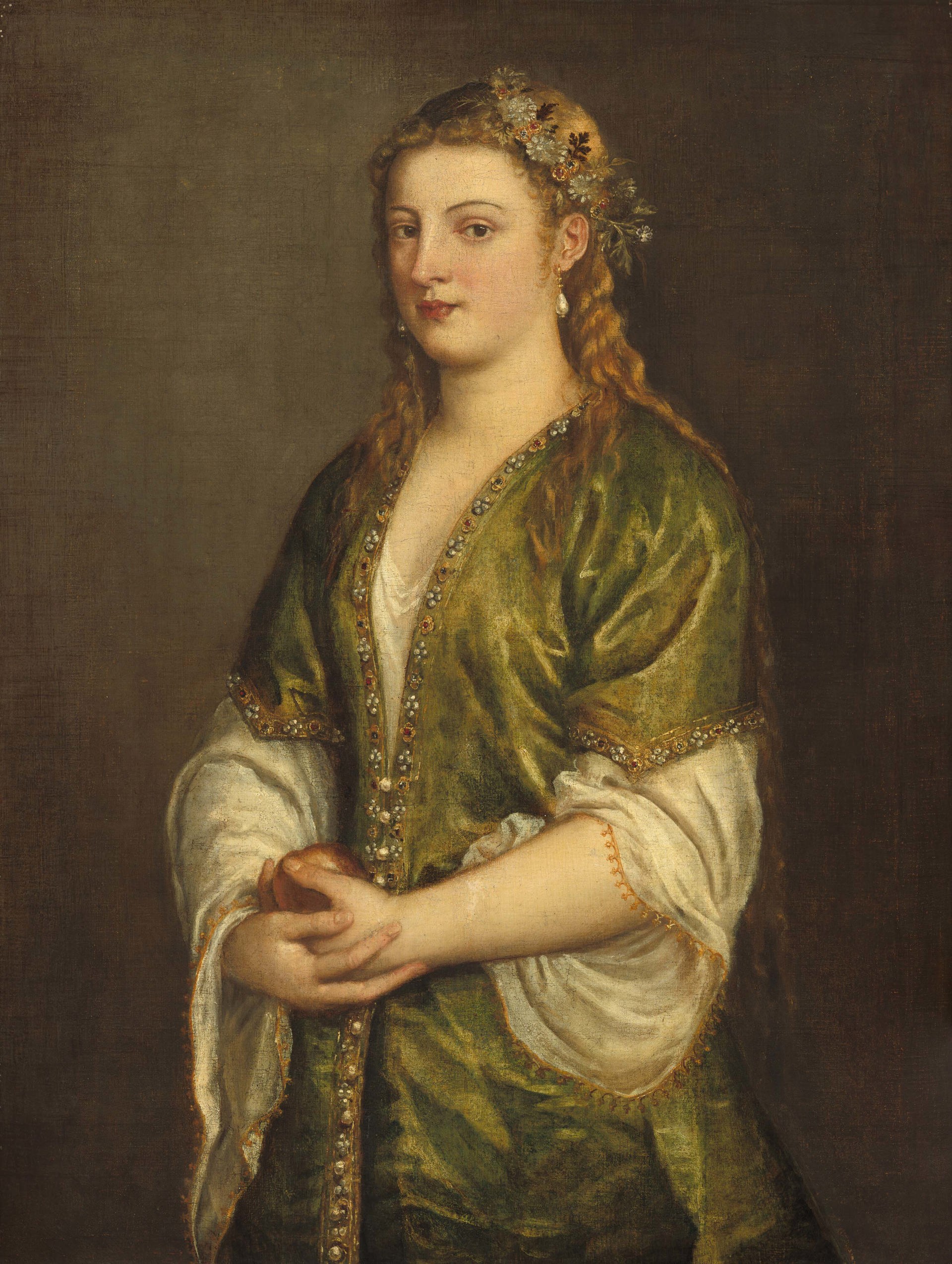
La mostra dedica ampio spazio anche alla costruzione dell’identità attraverso l’immagine. Le celebri “Belle” rinascimentali dialogano con ritratti realistici e oggetti legati alla cura del corpo, offrendo uno sguardo sorprendentemente attuale sul rapporto tra estetica e rappresentazione di sé.
Pettini, specchi, pomandri e altri accessori testimoniano una cultura dell’apparenza in cui la trasformazione del corpo diventa parte integrante della definizione dell’identità personale. Un tema che, a distanza di secoli, continua a risuonare con forza nella società contemporanea.
Muse, mostri e figure fuori dal comune
Tra le sezioni più suggestive spicca quella dedicata a “Muse, Mostri e Prodigi”, dove convivono figure iconiche e personaggi considerati eccezionali o eccentrici.
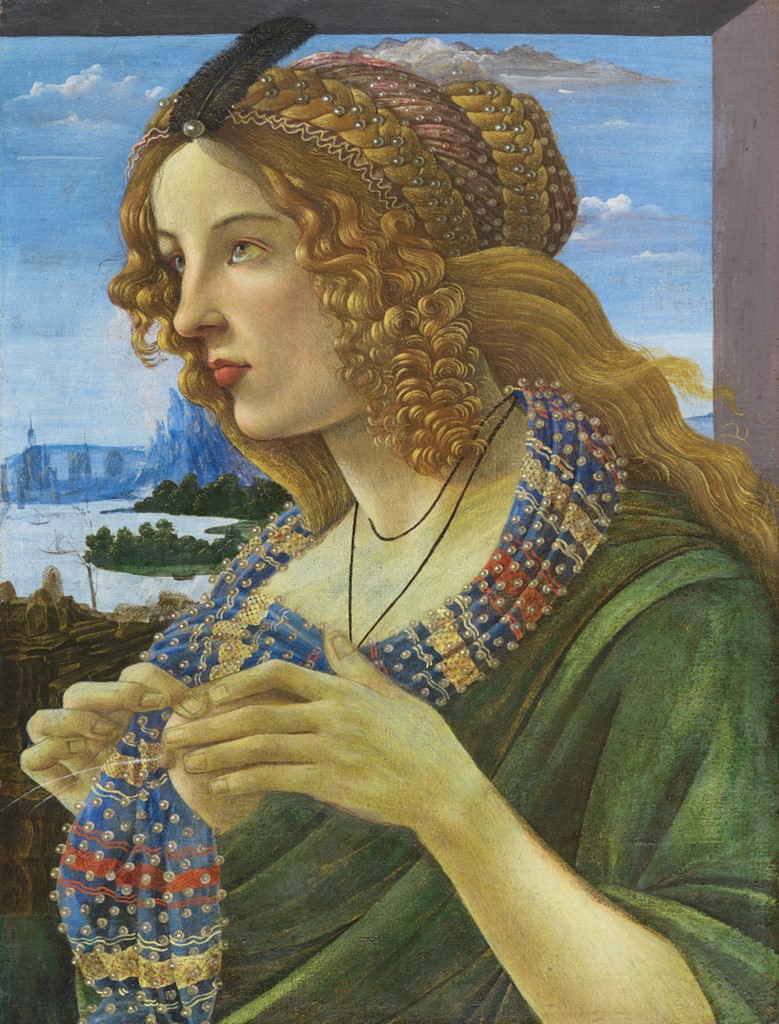
Da Simonetta Vespucci, simbolo della bellezza ideale rinascimentale, al celebre nano Morgante, il percorso racconta come l’arte abbia saputo trasformare la diversità fisica in potente strumento narrativo e simbolico.
Queste immagini oscillano continuamente tra celebrazione, curiosità e alterità, rivelando una visione del mondo molto più complessa di quanto suggerisca l’idea tradizionale del Rinascimento come semplice trionfo della perfezione.
Un viaggio che parla anche al presente
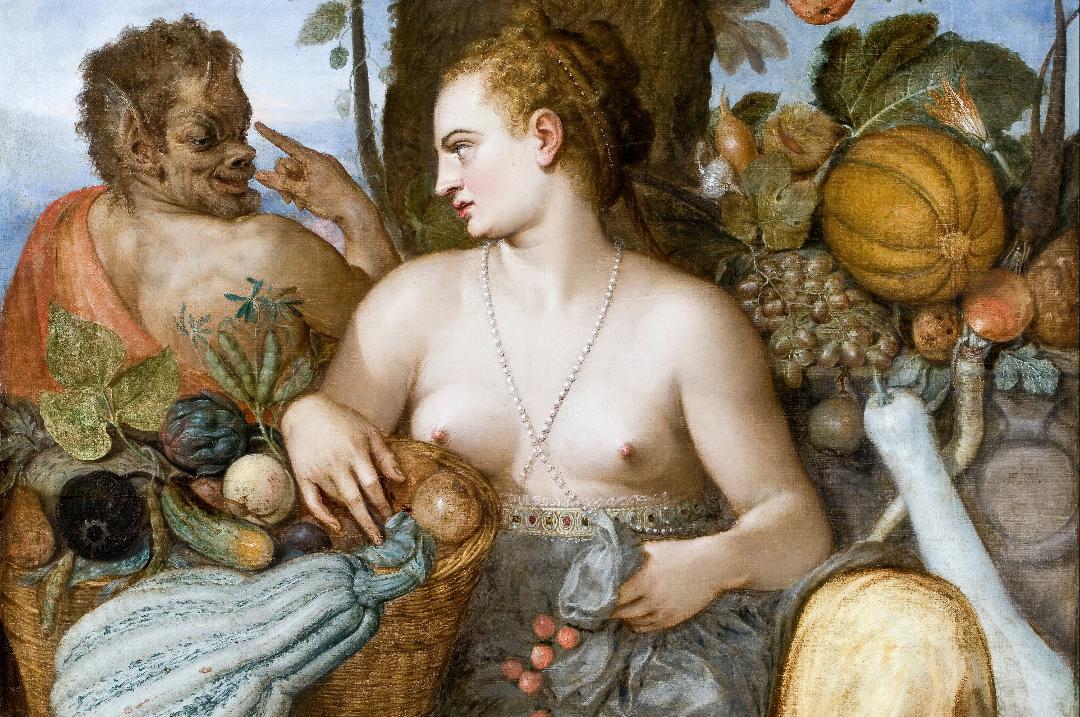
Il percorso si conclude con il tema delle coppie mal assortite, un motivo iconografico molto diffuso tra Quattrocento e Cinquecento. Qui bellezza e bruttezza convivono nello stesso spazio figurativo, dimostrando come i due concetti non siano opposti assoluti, ma categorie che si definiscono reciprocamente.
La bellezza in fondo non è una realtà immutabile, ma una costruzione culturale in continua evoluzione. E spesso ciò che appare insolito, imperfetto o distante dai canoni dominanti può rivelare nuove forme di fascino e significato.
Per il momento il sempre vostro Michelangelo Buonarroti vi saluta dandovi appuntamento ai prossimi post e sui social.
The Renaissance Beyond the Canon: Milan hosts an exhibition showcasing the allure of “beautiful ugliness”
Can beauty arise from ugliness? It’s a question that continues to puzzle artists, philosophers, and observers today. And it is precisely from this fascinating paradox that “Beauty and Ugliness: Ideal, Real, and Caricature in the Renaissance” takes shape. This major exhibition opens at the Gallerie d’Italia-Milan from July 10th to October 18th, following its success at Bozar in Brussels.
The exhibition, curated by Chiara Rabbi Bernard with general coordination by Gianfranco Brunelli, invites the public to rediscover the Renaissance from a new perspective. It is not only the era of perfect harmony, ideal proportions, and angelic faces, but also a creative laboratory in which the deformed, the grotesque, and the caricature become tools for aesthetic reflection.
Beyond the Ideal: When Ugliness Becomes Art
Through over one hundred works, including paintings, sculptures, drawings, manuscripts, and decorative art objects, the exhibition addresses one of the most complex themes in European figurative culture: the relationship between ideal and reality, nature and artifice, perfection and imperfection.
The exhibition compares the Italian tradition with that of Northern Europe and Flemish art, highlighting how the concept of beauty underwent profound transformations during the 16th century. While the aesthetic model of the 15th century was inspired by classical heritage and the search for harmony, the 16th century paved the way for a more nuanced and multifaceted vision of reality.
Artists such as Leonardo da Vinci and Albrecht Dürer contributed to legitimizing the expressive value of the deformed face, caricature, and physical abnormality. With Mannerism, the idea of an absolute canon was gradually challenged, allowing the concept of “beautiful ugliness” to emerge: what appears imperfect can become extraordinarily fascinating through the artist’s gaze.
Masterpieces from the world’s great museums
One of the most significant elements of the exhibition is the extraordinary quality of the international loans. The works come from some of the world’s most prestigious museums, including the Vatican Museums, the Louvre, the British Museum, the Prado, the Kunsthistorisches Museum in Vienna, and the National Gallery of Art in Washington.
The exhibition brings together works by some of the leading figures of the Renaissance and early modern period, such as Botticelli, Titian, Veronese, Tintoretto, Lorenzo Lotto, Bernardino Luini, and the Carraccis.
A rare opportunity to observe how the great masters interpreted the theme of beauty in its infinite nuances, from ideal perfection to the most realistic and unconventional representation of the human being.
Renaissance Beauties and the Cult of Appearance
The exhibition also devotes ample space to the construction of identity through images. The celebrated Renaissance Beauties interact with realistic portraits and objects related to personal care, offering a surprisingly contemporary perspective on the relationship between aesthetics and self-representation.
Combs, mirrors, pomanders, and other accessories testify to a culture of appearance in which the transformation of the body becomes an integral part of defining personal identity. A theme that, centuries later, continues to resonate powerfully in contemporary society.
Muses, Monsters, and Extraordinary Figures
Among the most evocative sections, the one dedicated to “Muses, Monsters, and Prodigies” stands out, where iconic figures coexist with those considered exceptional or eccentric.
From Simonetta Vespucci, a symbol of ideal Renaissance beauty, to the famous dwarf Morgante, the exhibition illustrates how art has transformed physical diversity into a powerful narrative and symbolic tool.
These images continually oscillate between celebration, curiosity, and otherness, revealing a vision of the world far more complex than the traditional idea of the Renaissance as a simple triumph of perfection suggests.
A journey that also speaks to the present
The journey concludes with the theme of mismatched couples, a widespread iconographic motif between the fifteenth and sixteenth centuries. Here, beauty and ugliness coexist in the same figurative space, demonstrating that the two concepts are not absolute opposites, but rather mutually defining categories.
Beauty, ultimately, is not an immutable reality, but a constantly evolving cultural construct. And often, what appears unusual, imperfect, or distant from the dominant canons can reveal new forms of fascination and meaning.
For now, yours truly, Michelangelo Buonarroti bids you farewell and invites you to join him in future posts and on social media.

Sostienici – Support Us
Se questo blog ti piace e ti appassiona, puoi aiutarci a farlo crescere sempre più sostenendoci in modo concreto condividendo i post, seguendo le pagine social e con un contributo che ci aiuta ad andare avanti con il nostro lavoro di divulgazione. . ENGLISH: If you like and are passionate about this blog, you can help us make it grow more and more by supporting us in a concrete way by sharing posts, following social pages and with a contribution that helps us to move forward with our dissemination work.
10,00 €
Articoli

Condividi:


Questo sono io




sostienici

Sostienici – Support Us
Se questo blog ti piace e ti appassiona, puoi aiutarci a farlo crescere sempre più sostenendoci in modo concreto condividendo i post, seguendo le pagine social e con un contributo che ci aiuta ad andare avanti con il nostro lavoro di divulgazione. . ENGLISH: If you like and are passionate about this blog, you can help us make it grow more and more by supporting us in a concrete way by sharing posts, following social pages and with a contribution that helps us to move forward with our dissemination work.
€10,00


Interessante questa mostra, in fondo nella vita non c’è solo la bellezza, e l’arte spesso prende esempio dalla realtà di ogni giorno. 👌👌👍👍👏👏👏👏👏
"Mi piace"Piace a 1 persona
🙂 spero di riuscire a vederla
"Mi piace"Piace a 1 persona