
The Lady of Shalott: il capolavoro di Waterhouse che racconta il prezzo fatale dell’amore e della libertà
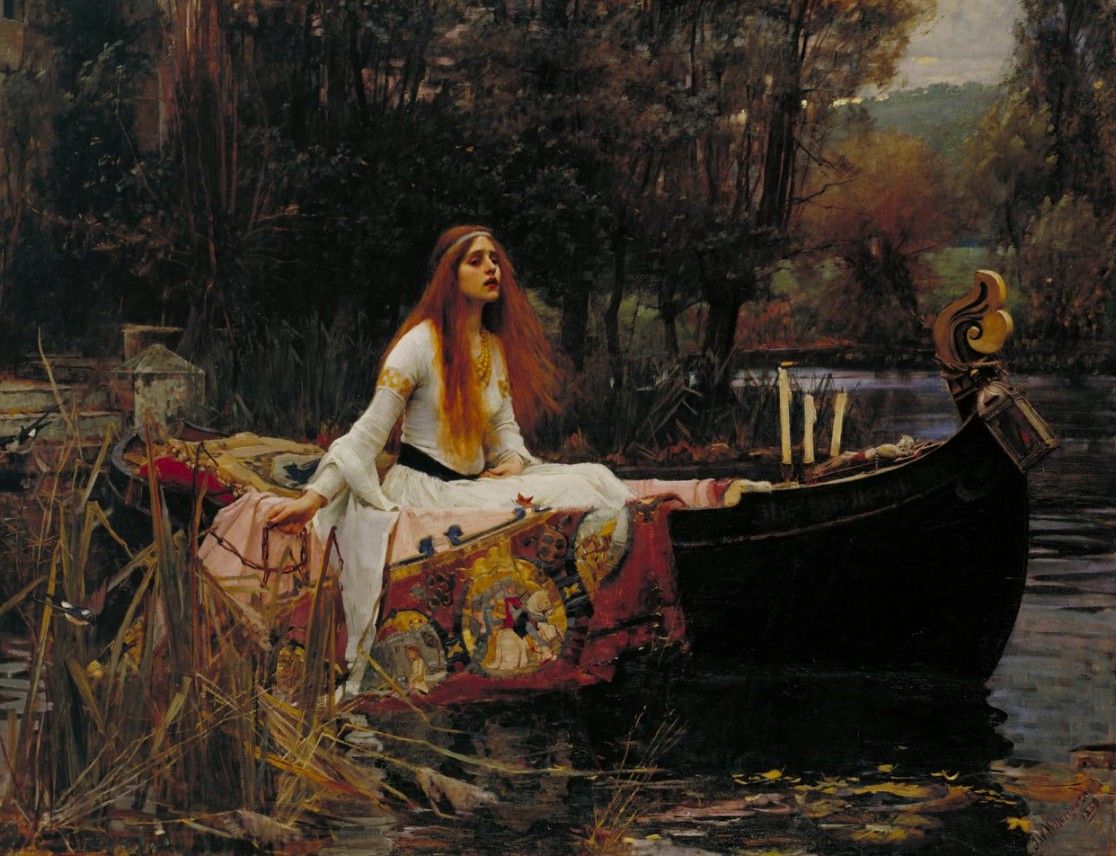
C’è un’immagine che, a distanza di oltre un secolo, continua a incantare gli amanti dell’arte: una giovane donna vestita di bianco, sola su una barca che scivola lentamente lungo un fiume immerso nel silenzio. Il suo volto è segnato dalla malinconia, mentre le candele accanto a lei stanno per spegnersi.
È The Lady of Shalott, il celebre dipinto realizzato nel 1888 da John William Waterhouse, una delle opere più iconiche del Preraffaellismo britannico. Conservato alla Tate Britain di Londra, il quadro rappresenta uno dei momenti più tragici e poetici della pittura europea dell’Ottocento.
Ancora oggi la sua forza narrativa conquista il pubblico perché racconta un tema universale: il conflitto tra il desiderio di vivere pienamente e il destino che sembra già scritto.
The Lady of Shalott: la tragica storia dietro il dipinto
L’opera si ispira all’omonimo poemetto di Alfred Tennyson, a sua volta derivato dalle leggende del ciclo arturiano.
La protagonista è Elaine di Astolat, conosciuta come la Dama di Shalott. Vittima di una misteriosa maledizione, è costretta a vivere isolata in una torre sull’isola di Shalott. Le è proibito guardare direttamente il mondo esterno e, soprattutto, la città di Camelot: infrangere questa regola significherebbe andare incontro alla morte.
Per anni osserva la realtà soltanto attraverso uno specchio, tessendo immagini della vita che le è negata. Ma tutto cambia quando vede il cavaliere Lancillotto e se ne innamora.
Quel sentimento la spinge a sfidare il proprio destino.
Analisi del dipinto: ogni dettaglio annuncia la morte della protagonista
A prima vista il quadro sembra rappresentare una tranquilla scena fluviale. In realtà ogni elemento è carico di significati simbolici.
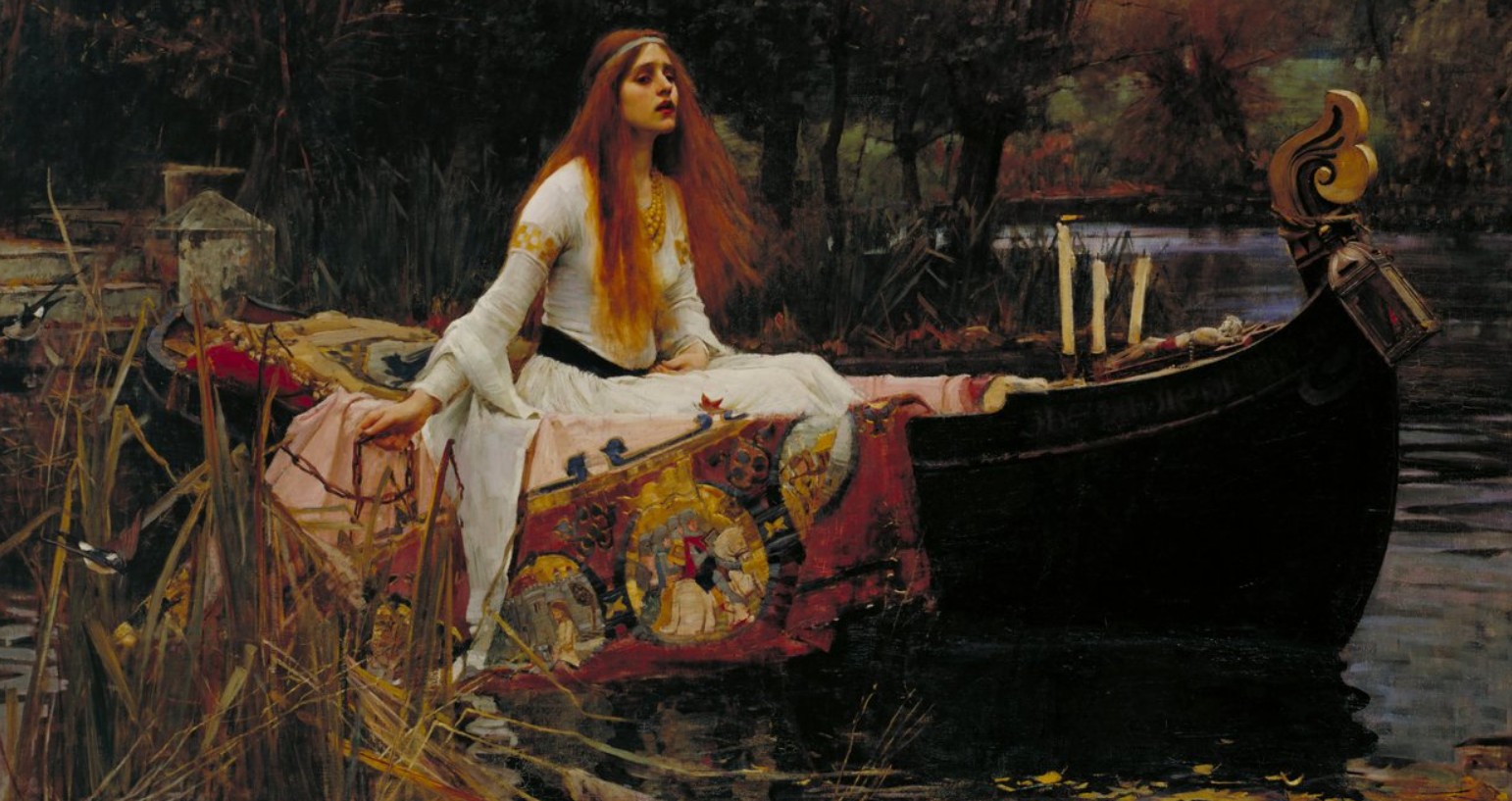
Waterhouse raffigura Elaine mentre attraversa il fiume diretta verso Camelot, consapevole che il viaggio sarà l’ultimo della sua vita.
L’espressione della giovane è intensa e dolorosa. Le sue labbra socchiuse sembrano pronunciare un ultimo canto, mentre il corpo appare fragile e vulnerabile.
Le candele poste sulla prua della barca sono uno dei simboli più potenti dell’opera: due sono già spente, mentre l’ultima sta per consumarsi. Un chiaro riferimento alla vita che sta lentamente abbandonando la protagonista.
Anche la natura partecipa al dramma. Le foglie autunnali, le acque scure e l’atmosfera sospesa evocano il passaggio inevitabile tra vita e morte.
Il significato nascosto di The Lady of Shalott
Secondo molti storici dell’arte, il dipinto va oltre la semplice illustrazione di una leggenda medievale.
La figura di Elaine rappresenterebbe il conflitto eterno tra arte e vita.
Costretta all’isolamento, la giovane trascorre l’esistenza osservando il mondo senza potervi partecipare davvero. Diventa così una metafora dell’artista che dedica la propria vita alla contemplazione, allo studio e alla creazione, ma che al tempo stesso desidera vivere le passioni e le emozioni della realtà.
La scelta di lasciare la torre e inseguire l’amore diventa quindi simbolo della ribellione contro i limiti imposti dalla società, dal destino o persino dalla propria vocazione.
È proprio questa ambiguità a rendere l’opera così moderna e attuale.
Le tre versioni della Lady of Shalott realizzate da Waterhouse
Non tutti sanno che Waterhouse dedicò molti anni a questo soggetto, realizzando ben tre dipinti ispirati alla vicenda della Dama di Shalott.
Il capolavoro del 1888 rappresenta il momento finale della storia, quello più drammatico e conosciuto.
Successivamente l’artista tornò sul tema illustrando altri episodi del racconto: la vita della dama nella torre e il momento in cui osserva Lancillotto attraverso lo specchio, dando inizio alla sua tragica passione.
Questa trilogia testimonia quanto il pittore fosse affascinato dalla figura di Elaine e dal suo destino.
Chi era John William Waterhouse
Nato a Roma nel 1849 da genitori britannici, John William Waterhouse crebbe in un ambiente profondamente legato all’arte. Il padre era infatti un noto paesaggista.
Dopo il trasferimento a Londra, il giovane artista studiò alla Royal Academy of Arts, dove iniziò a esporre le sue opere.
Pur non essendo membro ufficiale della Confraternita Preraffaellita, la critica lo ha spesso considerato uno degli eredi più importanti del movimento. Le sue tele condividono infatti molte caratteristiche tipiche del Preraffaellismo: l’amore per il Medioevo, le leggende classiche, il simbolismo e le enigmatiche figure femminili.
Le sue donne non sono semplici protagoniste, ma incarnazioni di desiderio, mistero, spiritualità e tragedia.
Guardando Elaine mentre scivola verso il proprio destino, lo spettatore non osserva soltanto una leggenda medievale. Vede riflessa una delle domande più antiche dell’esistenza: vale la pena rischiare tutto per vivere davvero?
Per il momento il sempre vostro Michelangelo Buonarroti vi saluta dandovi appuntamento ai prossimi post e sui social.
The Lady of Shalott: Waterhouse’s masterpiece that tells the fateful price of love and freedom
There is an image that, over a century later, continues to enchant art lovers: a young woman dressed in white, alone on a boat slowly gliding along a silent river. Her face is marked by melancholy, as the candles beside her are about to go out.
It is The Lady of Shalott, the famous painting created in 1888 by John William Waterhouse, one of the most iconic works of British Pre-Raphaelitism. Housed at the Tate Britain in London, the painting represents one of the most tragic and poetic moments in 19th-century European painting.
Even today, its narrative power captivates audiences because it speaks to a universal theme: the conflict between the desire to live life to the full and a seemingly predetermined destiny.
The Lady of Shalott: The Tragic Story Behind the Painting
The work is inspired by Alfred Tennyson’s poem of the same name, itself derived from the Arthurian legends.
The protagonist is Elaine of Astolat, known as the Lady of Shalott. Victim of a mysterious curse, she is forced to live isolated in a tower on the Isle of Shalott. She is forbidden to look directly at the outside world, especially the city of Camelot: breaking this rule would mean death.
For years, she observes reality only through a mirror, weaving images of the life denied her. But everything changes when she sees the knight Lancelot and falls in love.
That feeling drives her to challenge her own destiny.
Analysis of the painting: every detail announces the protagonist’s death
At first glance, the painting appears to depict a tranquil river scene. In reality, every element is charged with symbolic meaning.
Waterhouse depicts Elaine crossing the river toward Camelot, knowing that the journey will be her last.
The young woman’s expression is intense and painful. Her parted lips seem to utter a final song, while her body appears fragile and vulnerable.
The candles placed on the bow of the boat are one of the most powerful symbols of the work: two are already extinguished, while the last is about to burn out. A clear reference to the life slowly ebbing away from the protagonist.
Nature also participates in the drama. The autumn leaves, the dark waters, and the suspended atmosphere evoke the inevitable passage between life and death.
The Hidden Meaning of The Lady of Shalott
According to many art historians, the painting goes beyond the simple illustration of a medieval legend.
The figure of Elaine represents the eternal conflict between art and life
Forced into isolation, the young woman spends her life observing the world without being able to truly participate in it. She thus becomes a metaphor for the artist who dedicates his life to contemplation, study, and creation, but who at the same time longs to experience the passions and emotions of reality.
The choice to leave the tower and pursue love thus becomes a symbol of rebellion against the limits imposed by society, fate, or even one’s own vocation.
It is precisely this ambiguity that makes the work so modern and timely.
Waterhouse’s Three Versions of the Lady of Shalott
Not everyone knows that Waterhouse devoted many years to this subject, creating three paintings inspired by the story of the Lady of Shalott.
The 1888 masterpiece represents the final moment of the story, the most dramatic and well-known.
The artist later returned to the theme, illustrating other episodes of the tale: the life of the lady in the tower and the moment when she observes Lancelot through the mirror, marking the beginning of her tragic passion.
This trilogy demonstrates the painter’s fascination with the figure of Elaine and her fate.
Who was John William Waterhouse?
Born in Rome in 1849 to British parents, John William Waterhouse grew up in an environment deeply connected to art. His father was a renowned landscape painter.
After moving to London, the young artist studied at the Royal Academy of Arts, where he began exhibiting his work.
Although not an official member of the Pre-Raphaelite Brotherhood, critics have often considered him one of the movement’s most important heirs. His paintings share many typical characteristics of Pre-Raphaelitism: a love of the Middle Ages, classical legends, symbolism, and enigmatic female figures.
His women are not simply protagonists, but embodiments of desire, mystery, spirituality, and tragedy.
Watching Elaine slide toward her destiny, the viewer witnesses more than just a medieval legend. They see reflected one of life’s most ancient questions: is it worth risking everything to truly live?
For now, yours truly, Michelangelo Buonarroti bids you farewell, and says he’ll see you in future posts and on social media.

Sostienici – Support Us
Se questo blog ti piace e ti appassiona, puoi aiutarci a farlo crescere sempre più sostenendoci in modo concreto condividendo i post, seguendo le pagine social e con un contributo che ci aiuta ad andare avanti con il nostro lavoro di divulgazione. . ENGLISH: If you like and are passionate about this blog, you can help us make it grow more and more by supporting us in a concrete way by sharing posts, following social pages and with a contribution that helps us to move forward with our dissemination work.
10,00 €
Condividi:


Questo sono io




sostienici

Sostienici – Support Us
Se questo blog ti piace e ti appassiona, puoi aiutarci a farlo crescere sempre più sostenendoci in modo concreto condividendo i post, seguendo le pagine social e con un contributo che ci aiuta ad andare avanti con il nostro lavoro di divulgazione. . ENGLISH: If you like and are passionate about this blog, you can help us make it grow more and more by supporting us in a concrete way by sharing posts, following social pages and with a contribution that helps us to move forward with our dissemination work.
€10,00


