
Il sogno turco: quando fui pronto a lasciare Roma per il sultano
Lasciai Roma nell’aprile del 1506 con il cuore incendiato dall’orgoglio e dalla delusione. Avevo dedicato anima e forza al grandioso progetto della tomba di papa Giulio II, ma fui trattato come un servo qualsiasi, ignorato e umiliato proprio da colui che avrebbe dovuto proteggere il mio genio.
Così scelsi la fuga. Partii senza voltarmi indietro, deciso a non tornare più nella città che mi aveva tradito.
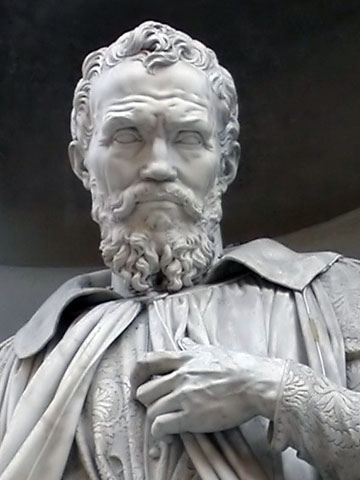
Ma Giulio II non era uomo disposto ad accettare una simile ribellione. Il papa non poteva tollerare che lo scultore più celebre d’Italia si sottraesse al suo potere. Il mio allontanamento divenne presto un caso politico, un affare di Stato che coinvolse Firenze e la sua Signoria.
Nel luglio del 1506 il pontefice scrisse al gonfaloniere Pier Soderini fiorentini promettendo che, se fossi tornato a Roma, non mi avrebbe fatto alcun male. Eppure non mi fidavo. Temevo davvero per la mia vita. A Firenze vivevo inquieto, pronto a fuggire ancora pur di non consegnarmi nelle mani del papa guerriero.
«Tu hai fatta una prova col papa, che non l’arebbe fatta un re di Francia. Però non è più da farsi pregare. Noi non vogliamo per re far guerra con lui e metter lo stato nostro a risico. Però disponti a tornare» Pier Soderini

Lo scontro tra arte e potere
Il gonfaloniere Pier Soderini cercò di convincermi a tornare. Volle ricordarmi che avevo sfidato Giulio II in un modo che nemmeno il re di Francia avrebbe osato. Firenze, però, non voleva rischiare uno scontro con Roma per difendere un solo artista, anche se quell’artista ero io.
Quelle parole mi ferirono profondamente. Fino a quel momento avevo creduto che la mia città mi avrebbe sostenuto contro ogni ingiustizia. Mi arresi: la ragion di Stato valeva più del talento e dell’orgoglio di uno scultore.
L’offerta segreta del sultano Bayezid II
Mentre Roma tentava di richiamarmi, da Oriente arrivò una proposta sorprendente. Il sultano ottomano Bayezid II, informato delle mie vicende, mi fece recapitare un’offerta attraverso alcuni frati francescani. Voleva che raggiungessi Costantinopoli per progettare un ponte immenso tra la città e Pera, sulle acque del Corno d’Oro.
Per me quell’idea fu come una visione.
Dopo il fallimento del monumento funebre del papa, mi si presentava davanti un’opera destinata a superare ogni impresa precedente. Un ponte gigantesco, capace di unire due mondi. Un progetto che avrebbe sfidato il tempo e la storia.
E vi era un dettaglio ancora più affascinante: anche Leonardo da Vinci aveva cercato di ottenere lo stesso incarico pochi anni prima. L’idea di confrontarmi ancora con lui, questa volta davanti agli occhi del sultano ottomano, accese la mia ambizione.
Costantinopoli: il sogno di una nuova vita
La Turchia non mi appariva come una terra lontana e ostile. I mercanti fiorentini erano presenti sul Bosforo, le banche della mia città commerciavano con l’Oriente e avrei trovato appoggi importanti. Non sarei stato isolato.
Forse, per la prima volta, immaginai davvero una vita lontana dall’Italia e dai giochi di potere della corte papale. In Oriente avrei potuto ricominciare. Avrei costruito qualcosa di mai visto, trasformando la mia rabbia in grandezza.
Era anche una sottile vendetta contro Roma. Il fatto che un sovrano musulmano, nemico della cristianità, volesse affidarmi un’opera così monumentale rappresentava quasi uno schiaffo simbolico alla Santa Sede.
Perché rinunciai alla Turchia
Alla fine, però, non partii.
Alcuni conoscitori della corte ottomana mi misero in guardia. Mi dissero che Bayezid II, a causa del divieto islamico delle immagini, nutriva diffidenza verso gli artisti. Il rischio era enorme: avrei potuto trovarmi in una realtà incapace di comprendere davvero la mia arte.
Ma il colpo decisivo arrivò ancora una volta da Firenze. Soderini mi parlò non più come politico, ma come uomo cristiano. Mi disse che sarebbe stato più onorevole affrontare il papa che vivere presso il “Turco”.
Il ponte mai costruito che cambiò la mia storia
Quel ponte sul Corno d’Oro non venne mai realizzato da me. Rimase un sogno sospeso tra Rinascimento e Oriente, tra fede cristiana e Impero ottomano.
Per un istante, fui davvero vicino a cambiare il destino dell’arte occidentale partendo verso Costantinopoli.
Per il momento il sempre vostro Michelangelo Buonarroti vi saluta dandovi appuntamento ai prossimi post e sui social.
The Turkish Dream: When I Was Ready to Leave Rome for the Sultan
I left Rome in April 1506, my heart burning with pride and disappointment. I had devoted my soul and strength to the grandiose project of Pope Julius II’s tomb, but I was treated like a common servant, ignored and humiliated by the very person who should have protected my genius.
So I chose to flee. I left without looking back, determined never to return to the city that had betrayed me.
But Julius II was not a man willing to accept such a rebellion. The pope could not tolerate Italy’s most celebrated sculptor escaping his power. My departure soon became a political issue, an affair of state involving Florence and its Signoria.
In July 1506, the pontiff wrote to the Florentine Gonfaloniere Pier Soderini, promising that if I returned to Rome, he would do me no harm. Yet I didn’t trust him. I truly feared for my life. I lived in Florence restless, ready to flee again rather than surrender to the warrior pope.
“You have made a test with the pope that a king of France would not have made. But there’s no need to be begged any more. We don’t want to wage war with him as a king and put our state at risk. But we are ready to return.” Pier Soderini
The clash between art and power
Gonfaloniere Pier Soderini tried to convince me to return. He reminded me that I had challenged Julius II in a way that not even the king of France would have dared. Florence, however, did not want to risk a clash with Rome to defend a single artist, even if that artist was me.
Those words hurt me deeply. Until that moment, I had believed that my city would support me against any injustice. I gave up: reasons of state were more important than a sculptor’s talent and pride.
Sultan Bayezid II’s Secret Offer
While Rome attempted to recall me, a surprising proposal arrived from the East. The Ottoman Sultan Bayezid II, informed of my plight, sent me an offer through some Franciscan friars. He wanted me to travel to Constantinople to design an immense bridge between the city and Pera, spanning the waters of the Golden Horn.
For me, that idea was like a vision.
After the failure of the pope’s funerary monument, I was faced with a project destined to surpass all previous undertakings. A gigantic bridge, capable of uniting two worlds. A project that would defy time and history.
And there was an even more fascinating detail: Leonardo da Vinci had also attempted the same commission a few years earlier. The idea of competing with him again, this time before the eyes of the Ottoman sultan, ignited my ambition.
Constantinople: The Dream of a New Life
Turkey didn’t seem like a distant and hostile land to me. Florentine merchants were present on the Bosphorus, my city’s banks traded with the East, and I would find important support. I wouldn’t be isolated.
Perhaps, for the first time, I truly imagined a life far from Italy and the power games of the papal court. In the East, I could start over. I would build something unprecedented, transforming my anger into greatness.
It was also a subtle revenge against Rome. The fact that a Muslim ruler, an enemy of Christianity, wanted to entrust me with such a monumental work was almost a symbolic slap in the face to the Holy See.
Why I gave up Turkey
In the end, however, I didn’t leave.
Some experts at the Ottoman court warned me. They told me that Bayezid II, due to the Islamic ban on images, was wary of artists. The risk was enormous: I could find myself in a world incapable of truly understanding my art.
But the decisive blow came once again from Florence. Soderini spoke to me no longer as a politician, but as a Christian. He told me it would be more honorable to confront the Pope than to live with the “Turk.”
The Unbuilt Bridge That Changed my History
That bridge over the Golden Horn was never built by me. It remained a dream suspended between the Renaissance and the East, between the Christian faith and the Ottoman Empire.
For a moment, I was truly close to changing the destiny of Western art by setting out for Constantinople.
For now, yours truly, Michelangelo Buonarroti bids you farewell and invites you to see him in future posts and on social media.

Sostienici – Support Us
Se questo blog ti piace e ti appassiona, puoi aiutarci a farlo crescere sempre più sostenendoci in modo concreto condividendo i post, seguendo le pagine social e con un contributo che ci aiuta ad andare avanti con il nostro lavoro di divulgazione. . ENGLISH: If you like and are passionate about this blog, you can help us make it grow more and more by supporting us in a concrete way by sharing posts, following social pages and with a contribution that helps us to move forward with our dissemination work.
10,00 €
Condividi:


Questo sono io




sostienici

Sostienici – Support Us
Se questo blog ti piace e ti appassiona, puoi aiutarci a farlo crescere sempre più sostenendoci in modo concreto condividendo i post, seguendo le pagine social e con un contributo che ci aiuta ad andare avanti con il nostro lavoro di divulgazione. . ENGLISH: If you like and are passionate about this blog, you can help us make it grow more and more by supporting us in a concrete way by sharing posts, following social pages and with a contribution that helps us to move forward with our dissemination work.
€10,00


