

Da Monet a Van Gogh a Kandinsky: il viaggio che riscrive la modernità della pittura europea
A Palazzo dei Diamanti, a Ferrara, prende forma una delle narrazioni più affascinanti dedicate all’arte tra Otto e Novecento. “Da Monet a Van Gogh a Kandinsky. Nuovi sguardi sulla natura e la modernità” è un attraversamento lento e vertiginoso insieme dentro la trasformazione dello sguardo occidentale. Un percorso che racconta come la pittura abbia imparato a non imitare più il mondo, ma a reinventarlo.
Dal 19 settembre 2026 al 10 gennaio 2027, le sale del palazzo rinascimentale si trasformano in una soglia temporale: da un lato la natura osservata con rigore, dall’altro la sua progressiva dissoluzione in forme, colori ed emozioni autonome.

Il paesaggio come origine di una rivoluzione visiva
Tutto inizia dalla natura, o meglio, dal modo in cui la natura viene guardata. Le radici del percorso espositivo affondano nella sensibilità della Scuola di Barbizon, dove artisti come Gustave Courbet ridefiniscono il rapporto tra pittura e realtà attraverso l’osservazione diretta del paesaggio.
Da qui si sviluppa una linea che attraversa la modernità: la luce diventa materia viva, il colore smette di essere descrittivo e si trasforma in percezione. Con gli impressionisti, tra cui Claude Monet, Camille Pissarro, Pierre-Auguste Renoir e Alfred Sisley, la pittura si fa istante, vibrazione, impressione fugace del reale.
Il paesaggio non è più uno sfondo immobile, ma un organismo vivo che cambia con la luce e con lo sguardo.
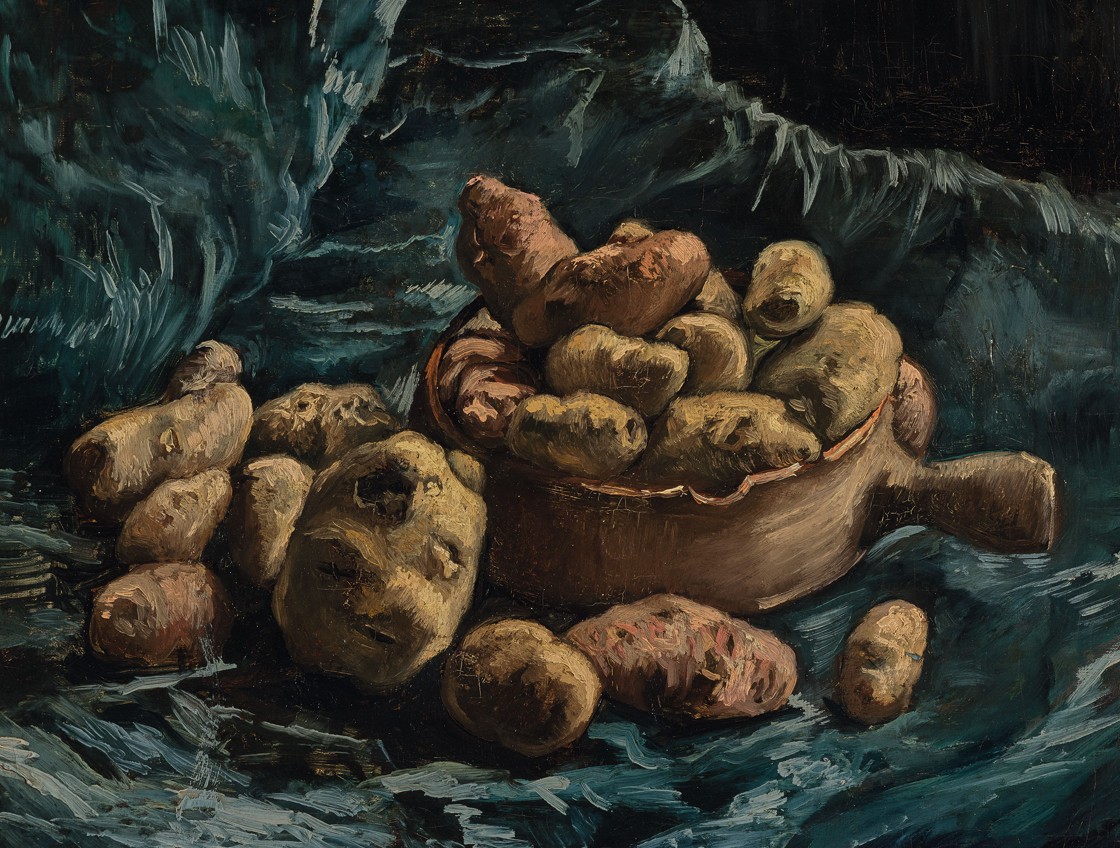
Van Gogh e la crisi della rappresentazione: il colore come emozione
Con il postimpressionismo, la realtà smette definitivamente di essere un modello da imitare. È il momento in cui la pittura entra in una dimensione più interiore, più simbolica, più radicale.
Vincent van Gogh rappresenta uno dei vertici di questa trasformazione: il paesaggio diventa tensione emotiva, campo di forze psicologiche, superficie in cui il colore non descrive ma racconta stati d’animo.
Accanto a lui, Paul Gauguin, Paul Signac e Odilon Redon contribuiscono a ridefinire le regole del visibile, aprendo la strada a una pittura sempre più autonoma rispetto alla natura.
L’Italia tra luce, vibrazione e modernità
Il percorso della mostra non si limita alla scena francese e nord europea. L’Italia entra con forza nel dialogo europeo attraverso il divisionismo, dove la luce si frammenta e diventa energia visiva.
Artisti come Giovanni Segantini, Gaetano Previati e Giovanni Pellizza da Volpedo portano la ricerca luministica verso una dimensione lirica e quasi spirituale.
Parallelamente, la pittura urbana e sociale di Giovanni Fattori e Teodoro Signorini racconta un’Italia in trasformazione, sospesa tra natura e modernità.
Dalla città moderna al sogno futurista
All’inizio del Novecento, la città diventa protagonista assoluta. Il movimento, la velocità, l’energia industriale entrano con forza nella pittura.
Con Umberto Boccioni, Carlo Carrà e Mario Sironi, la realtà urbana non è più solo rappresentata: viene scomposta, accelerata, reinterpretata. Il mondo moderno non si guarda più da fermo, ma si attraversa.
È qui che la pittura entra definitivamente nel Novecento.
Kandinsky, Mondrian e la nascita dell’astrazione
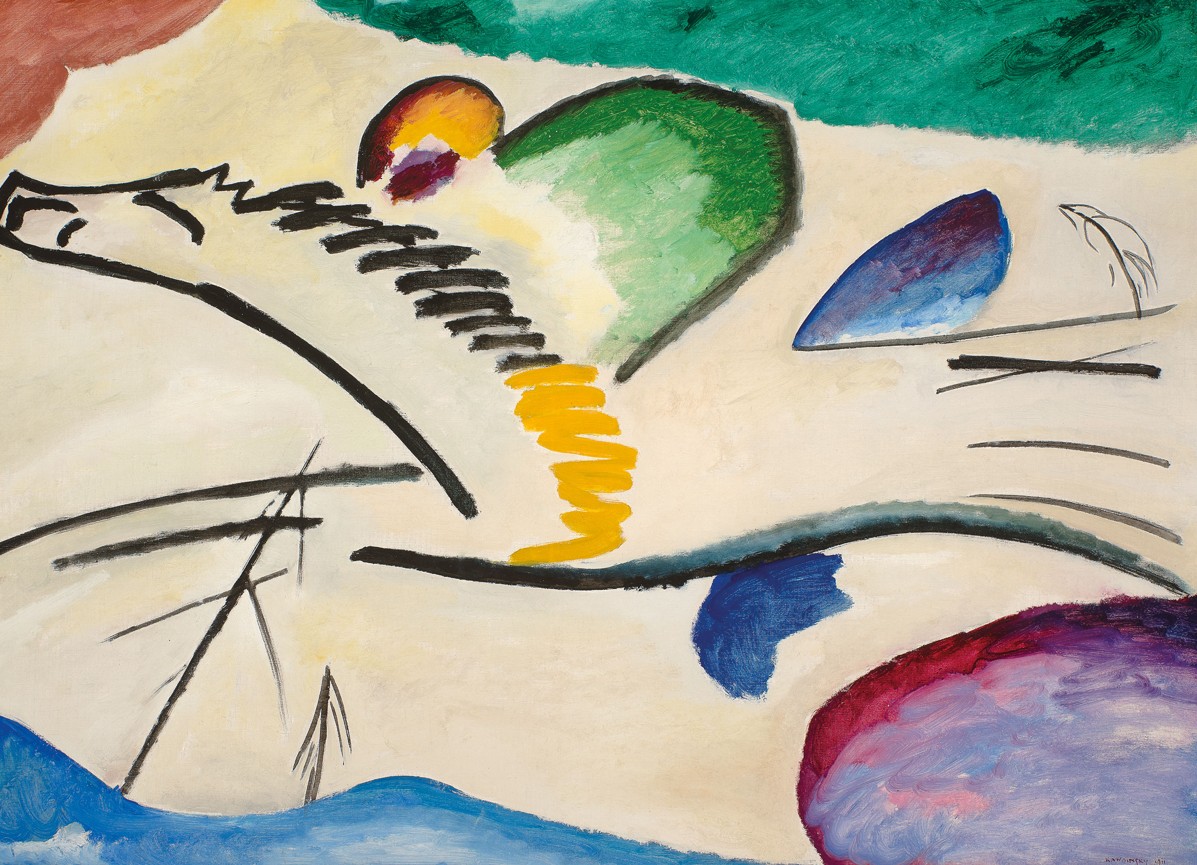
Il passaggio più radicale arriva quando la realtà smette di essere necessaria. Con Vasilij Kandinsky e Piet Mondrian, la pittura si libera completamente dal dato visibile.
Forma e colore diventano linguaggio puro, struttura mentale, ritmo interiore. L’arte non rappresenta più il mondo: lo costruisce.
In questo spazio di libertà si collocano anche le ricerche di Pablo Picasso, che contribuisce a frammentare la visione tradizionale e a ridefinire il concetto stesso di realtà.
La mostra
L’intero percorso espositivo trova casa in uno dei luoghi simbolo dell’arte italiana: Palazzo dei Diamanti. Qui la Fondazione Ferrara Arte, in collaborazione con il Museum Boijmans Van Beuningen e le Gallerie d’Arte Moderna e Contemporanea di Ferrara, costruisce un dialogo tra collezioni, epoche e visioni.
Le 120 opere in mostra, provenienti da prestigiose raccolte europee costruiscono un racconto sensibile della trasformazione dello sguardo.
“Da Monet a Van Gogh a Kandinsky” è una riflessione attuale su come guardiamo il mondo oggi. Ferrara diventa così il punto d’incontro tra natura e astrazione, tra passato e futuro, tra ciò che vediamo e ciò che scegliamo di vedere.
Per il momento il sempre vostro Michelangelo Buonarroti vi saluta dandovi appuntamento ai prossimi post e sui social.
From Monet to Van Gogh to Kandinsky: A Journey Rewriting the Modernity of European Painting
At the Palazzo dei Diamanti in Ferrara, one of the most fascinating narratives dedicated to art between the 19th and 20th centuries takes shape. “From Monet to Van Gogh to Kandinsky: New Perspectives on Nature and Modernity” is a slow yet dizzying journey through the transformation of the Western gaze. A journey that explains how painting has learned not to imitate the world, but to reinvent it.
From September 19, 2026, to January 10, 2027, the halls of the Renaissance palace will transform into a temporal threshold: on one side, nature observed with rigor; on the other, its progressive dissolution into autonomous forms, colors, and emotions.
Landscape as the Origin of a Visual Revolution
Everything begins with nature, or rather, with the way nature is observed. The exhibition’s roots lie in the sensibility of the Barbizon School, where artists like Gustave Courbet redefine the relationship between painting and reality through direct observation of the landscape.
From here, a thread runs through modernity: light becomes living matter, color ceases to be descriptive and transforms into perception. With the Impressionists, including Claude Monet, Camille Pissarro, Pierre-Auguste Renoir, and Alfred Sisley, painting becomes an instant, a vibration, a fleeting impression of reality.
The landscape is no longer an immobile background, but a living organism that changes with the light and the gaze.
Van Gogh and the Crisis of Representation: Color as Emotion
With Post-Impressionism, reality definitively ceases to be a model to imitate. It is the moment when painting enters a more interior, more symbolic, more radical dimension.
Vincent van Gogh represents one of the pinnacles of this transformation: the landscape becomes an emotional tension, a field of psychological forces, a surface where color does not describe but rather expresses moods.
Alongside him, Paul Gauguin, Paul Signac, and Odilon Redon helped redefine the rules of the visible, paving the way for a painting increasingly independent of nature.
Italy between Light, Vibration, and Modernity
The exhibition’s narrative is not limited to the French and Northern European scene. Italy forcefully entered the European dialogue through Divisionism, where light fragments and becomes visual energy.
Artists such as Giovanni Segantini, Gaetano Previati, and Giovanni Pellizza da Volpedo take the exploration of light to a lyrical and almost spiritual dimension.
In parallel, the urban and social painting of Giovanni Fattori and Teodoro Signorini depicts an Italy in transformation, suspended between nature and modernity.
From the Modern City to the Futurist Dream
At the beginning of the twentieth century, the city became the absolute protagonist. Movement, speed, and industrial energy forcefully enter painting.
With Umberto Boccioni, Carlo Carrà, and Mario Sironi, urban reality is no longer merely represented: it is broken down, accelerated, and reinterpreted. The modern world is no longer viewed from a standstill, but traversed.
This is where painting definitively enters the twentieth century.
Kandinsky, Mondrian, and the Birth of Abstraction
The most radical shift comes when reality ceases to be necessary. With Wassily Kandinsky and Piet Mondrian, painting completely frees itself from the visible.
Form and color become pure language, mental structure, and inner rhythm. Art no longer represents the world: it constructs it.
This space of freedom also encompasses the research of Pablo Picasso, who contributes to fragmenting traditional vision and redefining the very concept of reality.
The Exhibition
The entire exhibition is housed in one of the symbolic locations of Italian art: Palazzo dei Diamanti. Here, the Ferrara Arte Foundation, in collaboration with the Museum Boijmans Van Beuningen and the Gallerie d’Arte Moderna e Contemporary di Ferrara, creates a dialogue between collections, eras, and visions.
The 120 works on display, from prestigious European collections, create a sensitive narrative of the transformation of our gaze.
“From Monet to Van Gogh to Kandinsky” is a timely reflection on how we look at the world today. Ferrara thus becomes the meeting point between nature and abstraction, between past and future, between what we see and what we choose to see.
For now, yours truly, Michelangelo Buonarroti bids you farewell and invites you to join us in future posts and on social media.

Sostienici – Support Us
Se questo blog ti piace e ti appassiona, puoi aiutarci a farlo crescere sempre più sostenendoci in modo concreto condividendo i post, seguendo le pagine social e con un contributo che ci aiuta ad andare avanti con il nostro lavoro di divulgazione. . ENGLISH: If you like and are passionate about this blog, you can help us make it grow more and more by supporting us in a concrete way by sharing posts, following social pages and with a contribution that helps us to move forward with our dissemination work.
10,00 €
Articoli
Condividi:


Questo sono io




sostienici

Sostienici – Support Us
Se questo blog ti piace e ti appassiona, puoi aiutarci a farlo crescere sempre più sostenendoci in modo concreto condividendo i post, seguendo le pagine social e con un contributo che ci aiuta ad andare avanti con il nostro lavoro di divulgazione. . ENGLISH: If you like and are passionate about this blog, you can help us make it grow more and more by supporting us in a concrete way by sharing posts, following social pages and with a contribution that helps us to move forward with our dissemination work.
€10,00


