
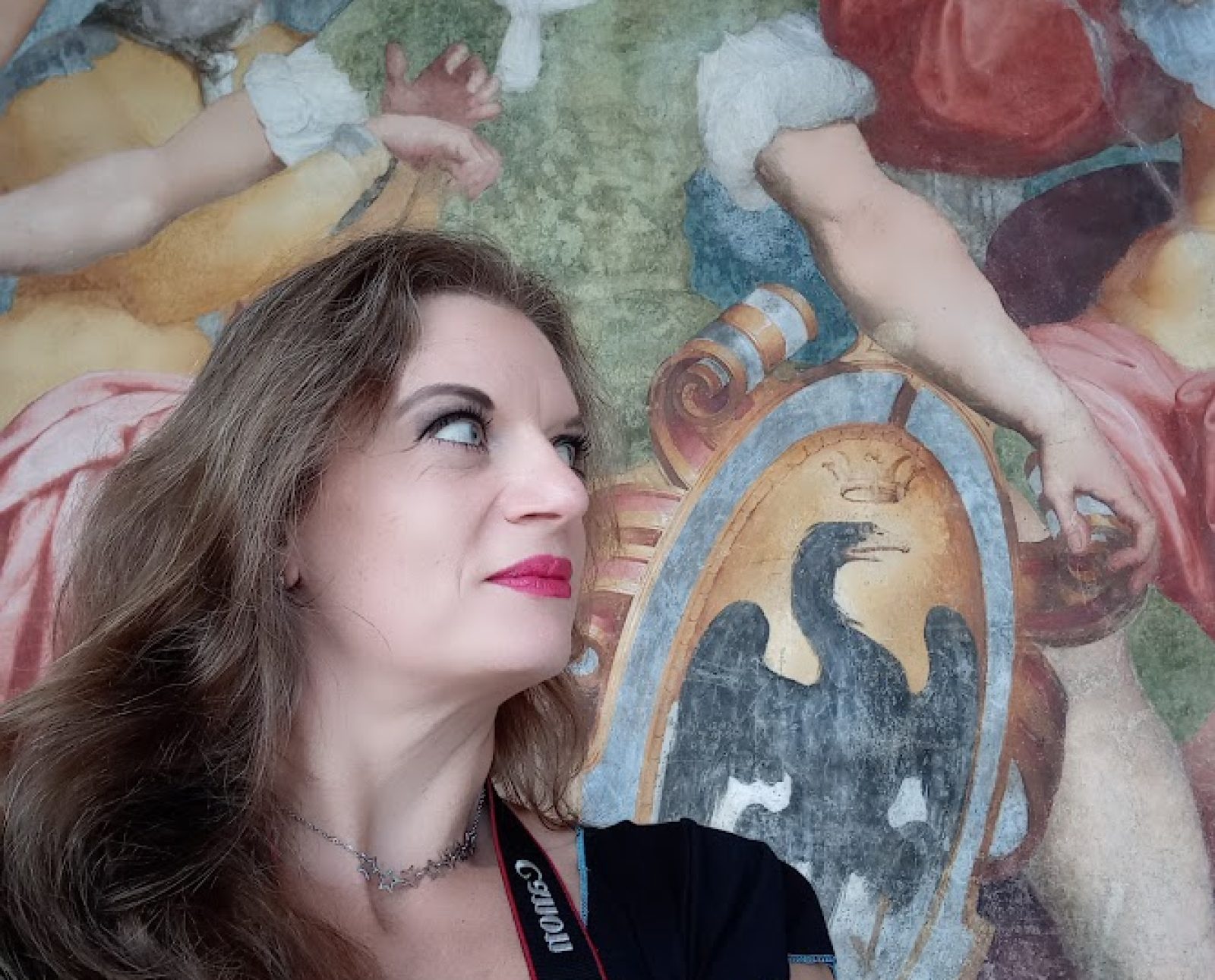
2 giugno 1448: nasce il Ghirlandaio, il mio primo maestro “dalla natura fatto per esser pittore”
Era il 2 giugno del 1448 quando venne al mondo a Firenze Domenico Bigordi, colui che tutti avrebbero imparato a conoscere con il nome di Ghirlandaio.
Per me il Ghirlandaio non fu soltanto uno dei più celebri pittori della sua epoca. Fu il mio primo maestro. Fu l’uomo che mi accolse nella sua bottega quando ero un bambino e mi permise di osservare da vicino l’arte trasformarsi in mestiere, disciplina e grandezza.
Ricordo ancora quel giorno dell’aprile del 1488 quando entrai ufficialmente nella sua bottega. Avevo appena tredici anni. In verità frequentavo quell’ambiente già da qualche tempo, attratto irresistibilmente dall’odore dei colori, dalle tavole preparate per la pittura e dal continuo lavorio di artisti e apprendisti. Era un luogo vivo, dove ogni giornata contribuiva alla costruzione della bellezza.
La bottega del Ghirlandaio: una scuola di arte e di vita
Esiste una curiosa coincidenza che mi ha sempre fatto sorridere. Il Ghirlandaio aprì la sua celebre bottega fiorentina nel 1475, proprio l’anno della mia nascita. Quella bottega sarebbe diventata una delle più prestigiose della città e un punto di riferimento per chiunque volesse imparare l’arte della pittura.
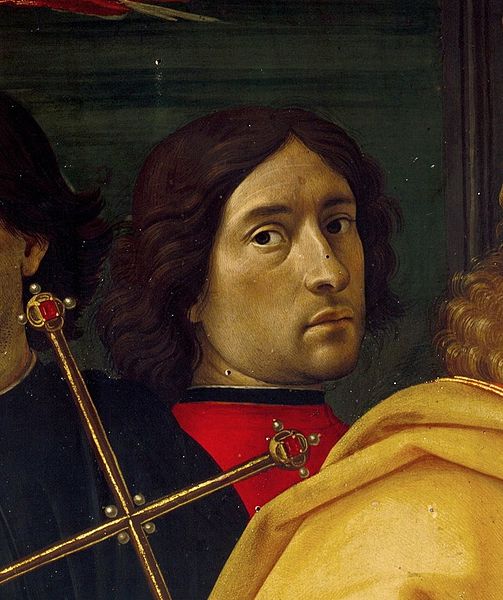
Lì non si imparava soltanto a disegnare o a stendere il colore. Si imparava a osservare il mondo. Domenico possedeva infatti una qualità rara: riusciva a cogliere la realtà con uno sguardo straordinariamente acuto. Non sorprende che Giorgio Vasari, molti anni dopo, lo definisse con parole destinate a diventare immortali: «dalla natura fatto per esser pittore».
Era un’espressione perfetta. Il Ghirlandaio sembrava nato per tradurre sulla parete e sulla tavola tutto ciò che vedeva. Nessun dettaglio gli sfuggiva. Nessuna piega di un mantello, nessun ricamo, nessuna espressione del volto.
Il pittore che trasformò il colore in oro
Tra i molti meriti del mio maestro ve ne fu uno particolarmente innovativo. In un’epoca in cui la doratura era ancora largamente utilizzata per impreziosire le opere sacre, Domenico sviluppò una tecnica capace di simulare la brillantezza dei metalli preziosi attraverso il solo uso del colore.
Era una soluzione raffinata e moderna, che consentiva di ottenere effetti luminosi sorprendenti senza ricorrere alle tradizionali applicazioni di foglia d’oro. Il risultato era straordinario: i tessuti, le armature e gli ornamenti sembravano brillare di luce propria.
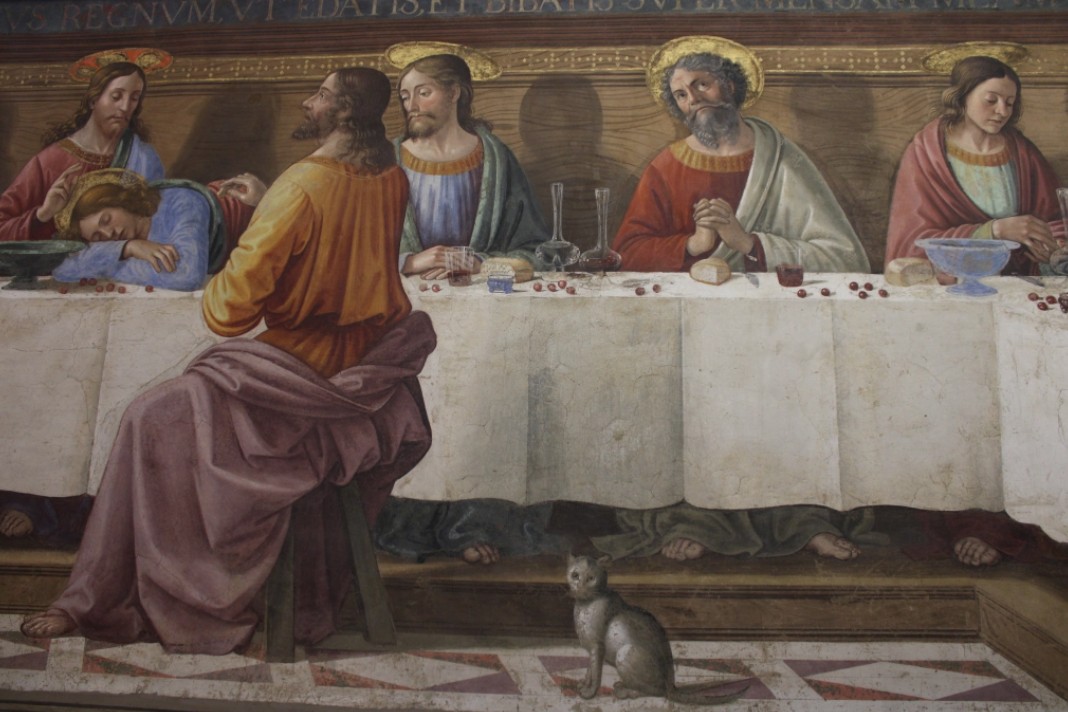
Un magnifico esempio di questa abilità si può osservare nella celebre Pala di San Giusto alle Mura, oggi conservata presso la Galleria degli Uffizi. L’opera testimonia la capacità del Ghirlandaio di coniugare innovazione tecnica e sensibilità artistica, anticipando in parte quella ricerca di naturalismo che avrebbe caratterizzato l’intero Rinascimento.
La Cappella Tornabuoni, il capolavoro che racconta Firenze
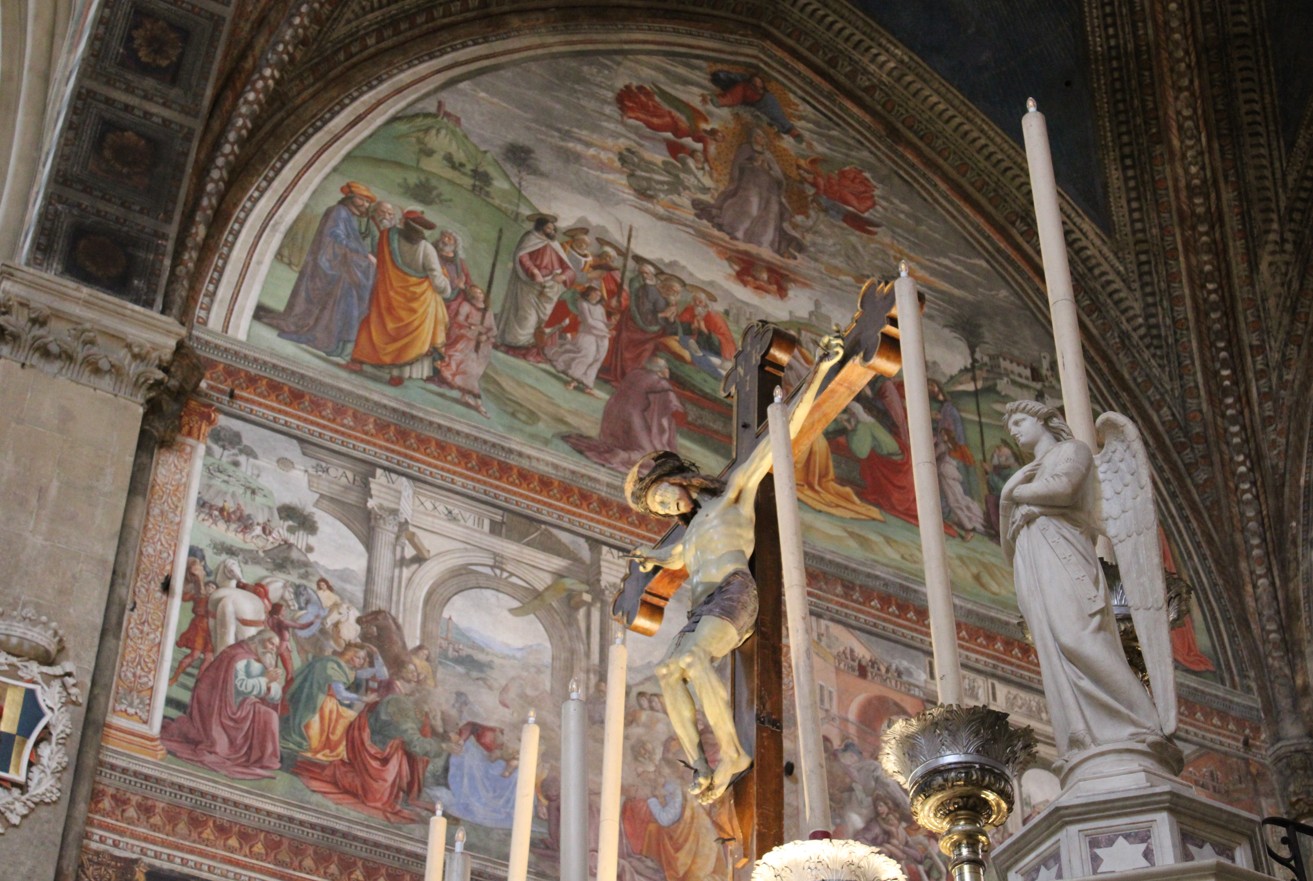
Se dovessi indicare un luogo capace di racchiudere l’essenza della sua arte, sceglierei senza esitazione la Cappella Tornabuoni nella Basilica di Santa Maria Novella.
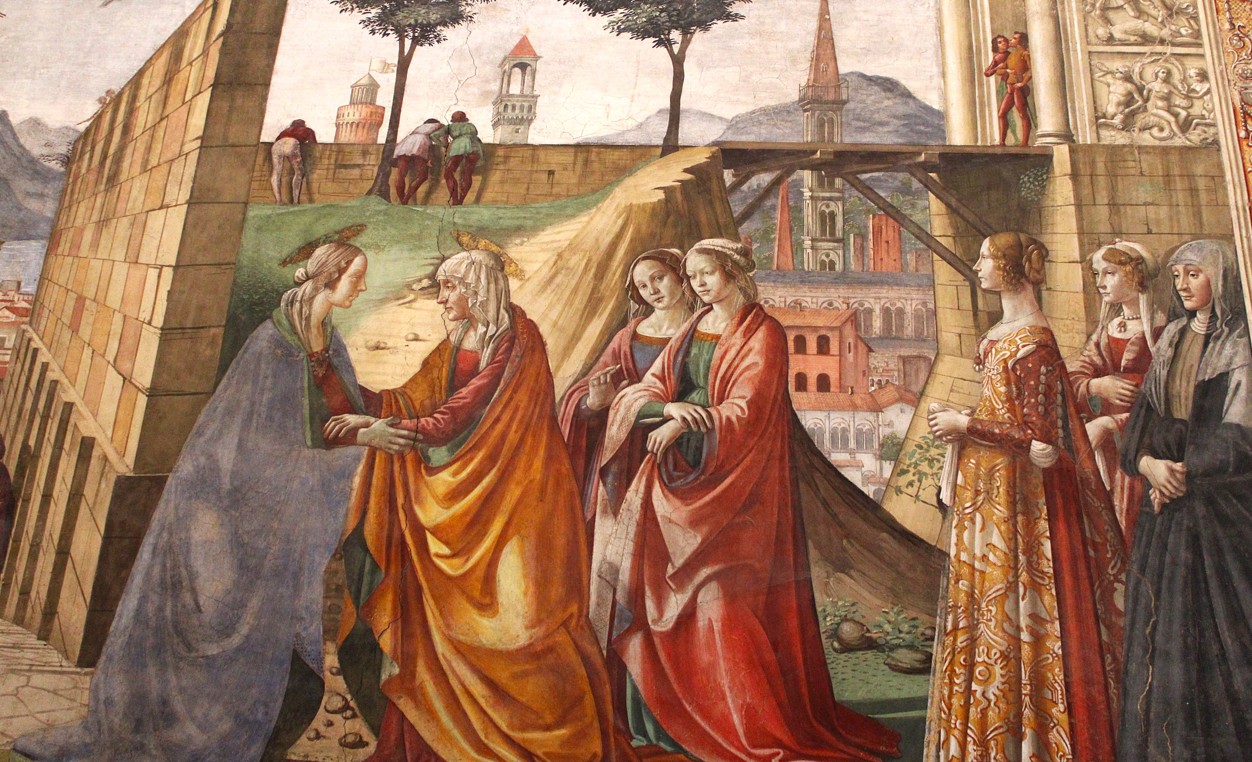
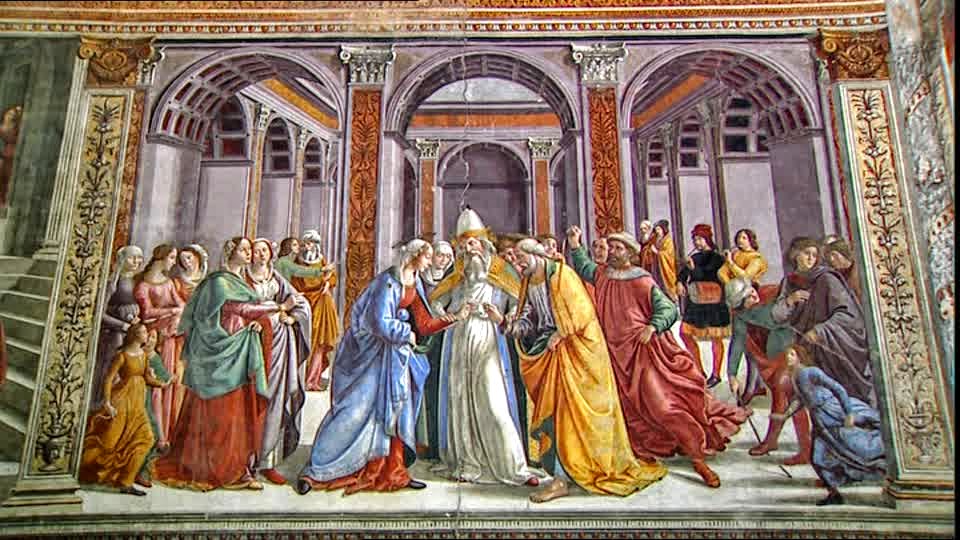
Tra il 1485 e il 1490 il Ghirlandaio e la sua bottega realizzarono qui uno dei più vasti e affascinanti cicli di affreschi della Firenze rinascimentale. Le pareti si trasformarono in un racconto monumentale dedicato alla vita della Vergine e di San Giovanni Battista.
Ma il vero miracolo di queste pitture non risiede soltanto nei soggetti religiosi. Domenico riuscì a trasformare le scene sacre in uno straordinario ritratto della Firenze del suo tempo. Nobili, mercanti, dame elegantemente vestite e uomini illustri della città entrarono a far parte delle narrazioni evangeliche.
Ancora oggi, osservando quegli affreschi, è possibile incontrare i volti autentici dei protagonisti della società fiorentina del Quattrocento. È come aprire una finestra su un mondo lontano eppure sorprendentemente vivo.
Il maestro dei dettagli e della realtà
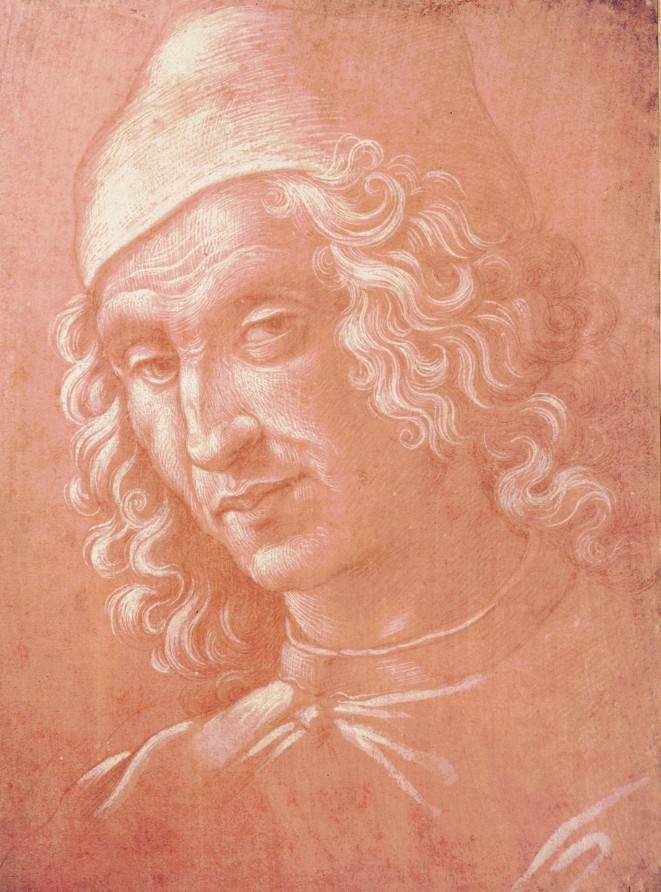
Il Ghirlandaio possedeva una capacità quasi unica nel rendere credibile ogni elemento della composizione. I suoi dipinti sono una miniera inesauribile di informazioni sulla vita quotidiana del Rinascimento.
Le stoffe preziose, gli arredi domestici, le architetture, gli oggetti d’uso comune e persino le acconciature vengono descritti con una precisione che oggi rappresenta una fonte preziosa anche per gli storici.
Ogni volto aveva una personalità riconoscibile, ogni figura sembrava appartenere a una storia reale. Questa straordinaria attenzione alla verità delle cose contribuì a fare del Ghirlandaio uno degli interpreti più autentici della cultura fiorentina.
Da Firenze a Roma: il Ghirlandaio nella Cappella Sistina
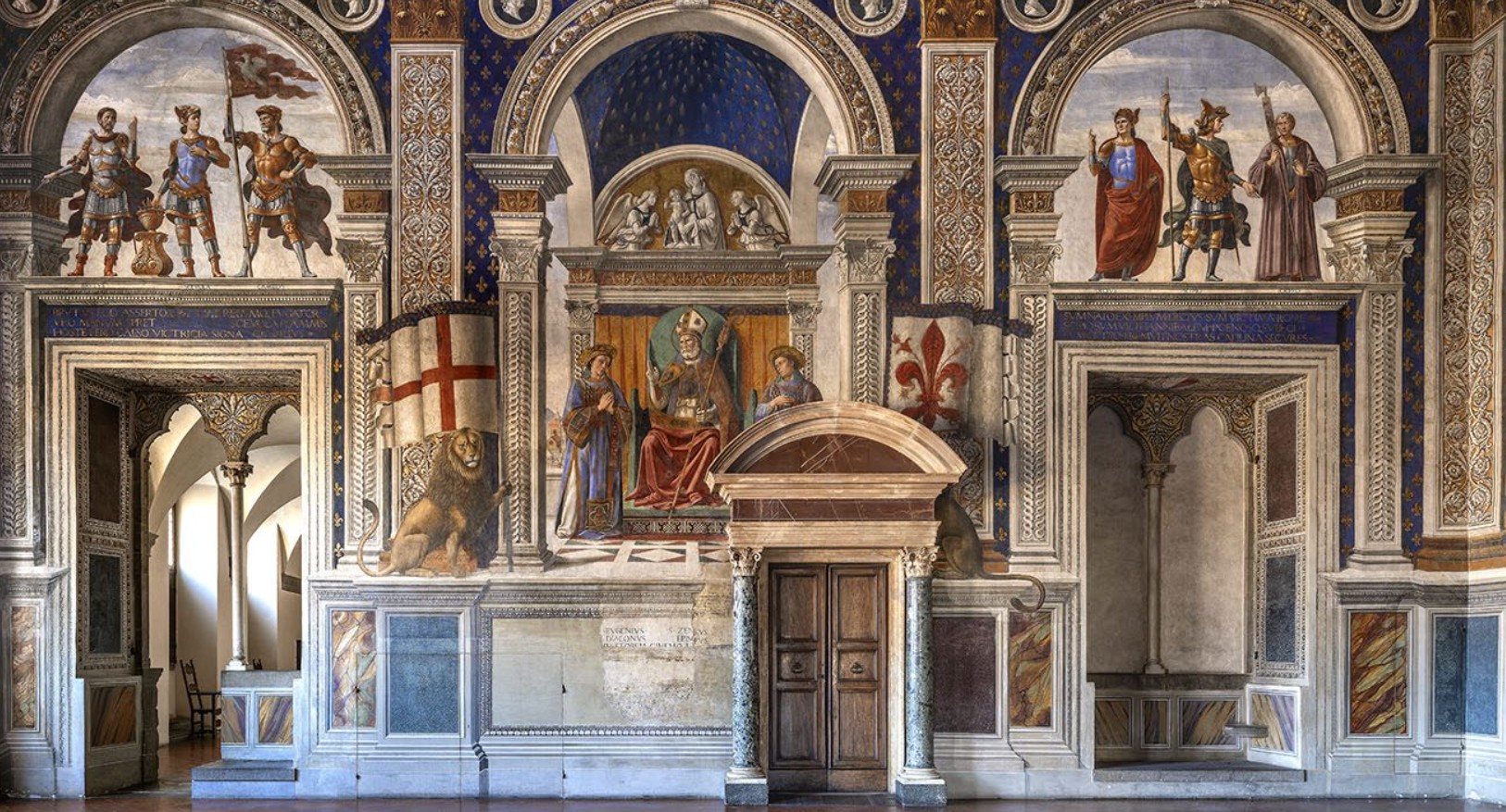
La fama del mio maestro superò rapidamente i confini della Toscana. Quando i rapporti tra Firenze e il papato tornarono sereni dopo le tensioni degli anni precedenti, Lorenzo il Magnifico inviò a Roma alcuni tra i migliori artisti della città.
Tra questi vi era naturalmente anche il Ghirlandaio.
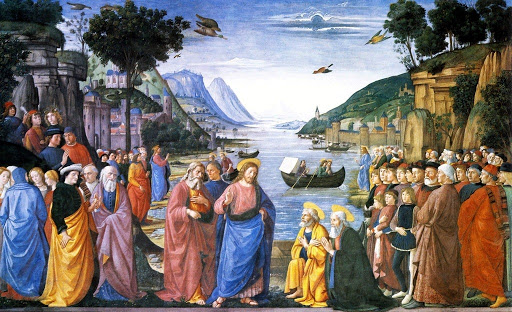
Papa Sisto IV della Rovere gli affidò il compito di partecipare alla decorazione della Cappella Sistina, destinata a diventare uno dei luoghi simbolo dell’arte occidentale. Tra il 1481 e il 1482 Domenico realizzò la splendida scena della Vocazione dei Primi Apostoli.
Molti anni dopo sarei stato io a tornare in quella stessa cappella per dipingere prima la volta e in un secondo momento il Giudizio Universale. Ma prima del mio lavoro vi erano già le opere di maestri come il Ghirlandaio, che avevano contribuito a rendere quel luogo uno scrigno di bellezza senza eguali.
L’eredità del Ghirlandaio, il maestro che aprì la strada ai grandi del Rinascimento
Quando si ricorda il 2 giugno 1448 si celebra l’arrivo di uno degli artisti che più profondamente contribuirono alla maturazione del Rinascimento italiano.
Domenico Ghirlandaio fu maestro, innovatore e straordinario osservatore della realtà. Raccontò la Firenze dei Medici con una precisione che ancora oggi incanta studiosi e visitatori.
Se io stesso ho potuto intraprendere il cammino che mi avrebbe condotto a scolpire il David, a dipingere la Cappella Sistina e a lasciare la mia impronta nella storia dell’arte, una parte del merito appartiene anche a quel maestro. Un uomo che, come scrisse Vasari, sembrava davvero essere stato creato dalla natura per diventare pittore.
Per il momento il sempre vostro Michelangelo Buonarroti vi saluta dandovi appuntamento ai prossimi post e sui social.
June 2, 1448: Ghirlandaio was born, my first teacher, “made by nature to be a painter.”
It was June 2, 1448, when Domenico Bigordi, the man everyone would come to know as Ghirlandaio, was born in Florence.
For me, Ghirlandaio wasn’t just one of the most celebrated painters of his time. He was my first teacher. He was the man who welcomed me into his workshop as a child and allowed me to observe up close how art transformed into craft, discipline, and greatness.
I still remember that day in April 1488 when I officially entered his workshop. I was just thirteen years old. In truth, I had been frequenting that environment for some time, irresistibly drawn by the smell of paint, the panels prepared for painting, and the constant toil of artists and apprentices. It was a vibrant place, where every day contributed to the creation of beauty.
Ghirlandaio’s Workshop: A School of Art and Life
There’s a curious coincidence that has always made me smile. Ghirlandaio opened his famous Florentine workshop in 1475, the very year I was born. That workshop would become one of the most prestigious in the city and a point of reference for anyone wishing to learn the art of painting.
There, one learned not only to draw or apply color. One learned to observe the world. Domenico possessed a rare quality: he could capture reality with an extraordinarily acute gaze. It’s no surprise that Giorgio Vasari, many years later, defined him with words destined to become immortal: “made by nature to be a painter.”
It was a perfect expression. Ghirlandaio seemed born to translate everything he saw onto walls and panels. No detail escaped him. Not a fold in a cloak, not a single embroidery, not a single facial expression.
The painter who transformed color into gold
Among my master’s many achievements, one was particularly innovative. At a time when gilding was still widely used to embellish religious works, Domenico developed a technique capable of simulating the brilliance of precious metals through the use of color alone.
It was a refined and modern solution, allowing for striking luminous effects without resorting to traditional gold leaf applications. The result was extraordinary: fabrics, armor, and ornaments seemed to glow with their own light.
A magnificent example of this skill can be seen in the famous San Giusto alle Mura Altarpiece, now housed in the Uffizi Gallery. The work demonstrates Ghirlandaio’s ability to combine technical innovation and artistic sensitivity, partially anticipating the pursuit of naturalism that would characterize the entire Renaissance.
The Tornabuoni Chapel, the masterpiece that tells the story of Florence
If I had to name a place that best captures the essence of his art, I would choose without hesitation the Tornabuoni Chapel in the Basilica of Santa Maria Novella.
Between 1485 and 1490, Ghirlandaio and his workshop created one of the largest and most fascinating fresco cycles of Renaissance Florence here. The walls were transformed into a monumental narrative dedicated to the life of the Virgin and Saint John the Baptist.
But the true miracle of these paintings lies not only in the religious subjects. Domenico succeeded in transforming the sacred scenes into an extraordinary portrait of the Florence of his time. Nobles, merchants, elegantly dressed ladies, and illustrious men of the city became part of the evangelical narratives.
Even today, observing those frescoes, it is possible to encounter the authentic faces of the protagonists of fifteenth-century Florentine society. It is like opening a window onto a distant yet surprisingly vibrant world.
The Master of Detail and Reality
Ghirlandaio possessed an almost unique ability to render every element of a composition believable. His paintings are an inexhaustible source of information about Renaissance daily life.
The precious fabrics, domestic furnishings, architecture, everyday objects, and even hairstyles are depicted with a precision that today represents a valuable source for historians.
Each face had a recognizable personality, each figure seemed to belong to a real story. This extraordinary attention to the truth of things helped make Ghirlandaio one of the most authentic interpreters of Florentine culture.
From Florence to Rome: Ghirlandaio in the Sistine Chapel
My master’s fame quickly spread beyond the borders of Tuscany. When relations between Florence and the papacy calmed down after the tensions of the previous years, Lorenzo the Magnificent sent some of the city’s finest artists to Rome.
Ghirlandaio, of course, was among them.
Pope Sixtus IV della Rovere entrusted him with the task of helping to decorate the Sistine Chapel, destined to become one of the symbols of Western art. Between 1481 and 1482, Domenico created the splendid scene of the Calling of the First Apostles.
Many years later, I would return to that same chapel to paint, first the vault and then the Last Judgment. But before my work, there were already the works of masters like Ghirlandaio, who had contributed to making that place a treasure trove of unparalleled beauty.
The Legacy of Ghirlandaio, the Master Who Paved the Way for the Greats of the Renaissance
When we commemorate June 2, 1448, we celebrate the arrival of one of the artists who most profoundly contributed to the maturation of the Italian Renaissance.
Domenico Ghirlandaio was a master, an innovator, and an extraordinary observer of reality. He depicted the Florence of the Medici with a precision that still enchants scholars and visitors today.
If I myself was able to embark on the path that would lead me to sculpt David, paint the Sistine Chapel, and leave my mark on art history, part of the credit also belongs to that master. A man who, as Vasari wrote, truly seemed to have been created by nature to become a painter.
For now, yours truly, Michelangelo Buonarroti bids you farewell and invites you to see him in future posts and on social media.

Sostienici – Support Us
Se questo blog ti piace e ti appassiona, puoi aiutarci a farlo crescere sempre più sostenendoci in modo concreto condividendo i post, seguendo le pagine social e con un contributo che ci aiuta ad andare avanti con il nostro lavoro di divulgazione. . ENGLISH: If you like and are passionate about this blog, you can help us make it grow more and more by supporting us in a concrete way by sharing posts, following social pages and with a contribution that helps us to move forward with our dissemination work.
10,00 €

Condividi:


Questo sono io




sostienici

Sostienici – Support Us
Se questo blog ti piace e ti appassiona, puoi aiutarci a farlo crescere sempre più sostenendoci in modo concreto condividendo i post, seguendo le pagine social e con un contributo che ci aiuta ad andare avanti con il nostro lavoro di divulgazione. . ENGLISH: If you like and are passionate about this blog, you can help us make it grow more and more by supporting us in a concrete way by sharing posts, following social pages and with a contribution that helps us to move forward with our dissemination work.
€10,00


