

Non fuoco che illumina ma fuoco che divora
Nel marmo il fuoco non dorme mai. Lo si crede freddo, immobile, vinto dal tempo, eppure basta una scintilla a far cenere dell’anima.
Ho veduto uomini piegarsi sotto il peso d’una sola passione come colonne spezzate dal terremoto, mentre la medesima fiamma, condivisa da molti cuori, pareva lieve come polvere trasportata dal vento.
Così accade alla bellezza grande: quando si sparge tra mille sguardi, consola; ma quando si raccoglie in un solo petto, consuma.

La bellezza condivisa pesa meno del desiderio custodito in solitudine
V’è un ardore che non concede tregua. Somiglia alla fornace che stringe il suo respiro entro mura strette e, nel chiuso del calore, riesce a sgretolare il sasso più duro.
Nessuna montagna resiste al fuoco quando esso trova dimora profonda. La pietra si fa calce, la forza si muta in polvere, e poi basta l’acqua d’un istante per dissolvere ciò che pareva eterno.
Chi ha conosciuto davvero l’amore sa distinguere questa verità da ogni menzogna cortese.
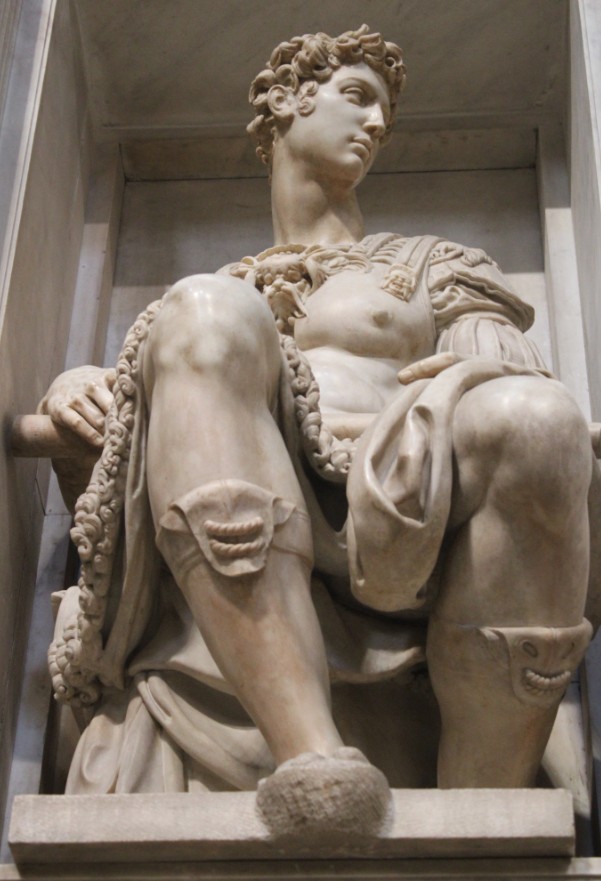
Il fuoco interiore che accende mille amanti
Dentro le vene porto un incendio.
Non è fuoco che illumina: è fuoco che divora. Ha trovato strada nelle parti più interne del cuore, là dove l’uomo non mente neppure a sé stesso. E quanto più il mondo ammira la bellezza, tanto più chi la custodisce in silenzio ne resta trafitto.
Le lacrime sciolgono anche il cuore più duro
Pure, non è il fuoco il più crudele dei mali. Sono le lacrime. Cadono lente, continue, ostinate come acqua sopra il marmo.
Consumano senza rumore ciò che il dolore aveva reso forte. Il cuore, un tempo duro abbastanza da sfidare scalpello e destino, si scioglie poco a poco in una stanchezza senza nome.
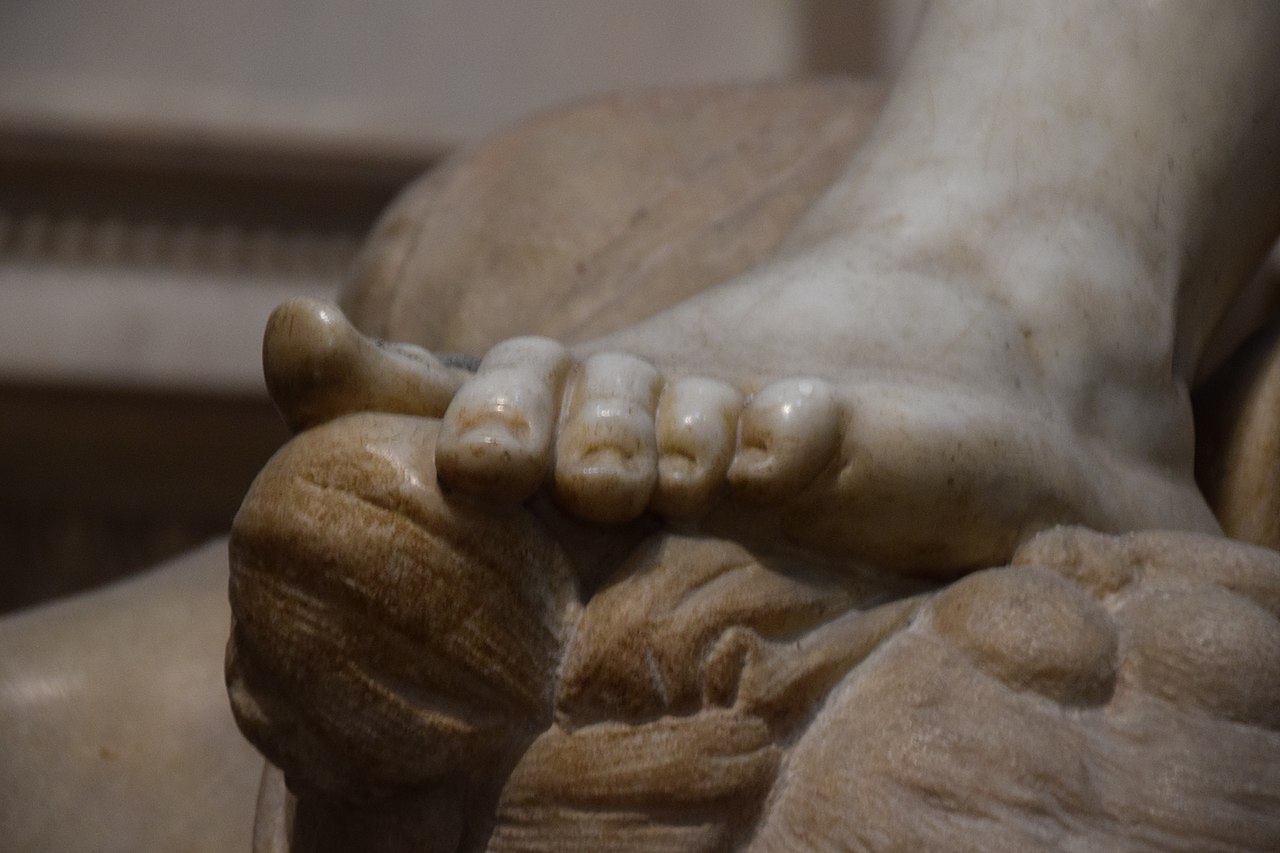
Meglio dissolversi che ardere senza fine
Forse allora sarebbe miglior sorte dissolversi del tutto, diventare nulla come polvere dispersa nella cava, piuttosto che restare vivi in un ardore che non concede fine.
Perché vi sono fiamme che non uccidono, ma negano perfino il conforto della morte.
Spargendo gran bellezza ardente foco
per mille cori accesi,
come cosa è che pesi,
c’un solo ancide, a molti è lieve e poco.
Ma, chiuso in picciol loco,
s’il sasso dur calcina,
che l’acque poi il dissolvon ’n un momento,
come per pruova il sa chi ’l ver dicerne:
così d’una divina
de mille il foco ho drento
c’arso m’ha ’l cor nelle mie parte interne;
ma le lacrime etterne
se quel dissolvon già sì duro e forte,
fie me’ null’esser c’arder senza morte
Per il momento il sempre vostro Michelangelo Buonarroti vi saluta dandovi appuntamento ai prossimi post e sui social.

Not a fire that illuminates, but a fire that devours
In marble, fire never sleeps. It is thought cold, immobile, conquered by time, yet a spark is enough to reduce the soul to ashes.
I have seen men bend under the weight of a single passion like columns shattered by an earthquake, while the same flame, shared by many hearts, seemed light as dust carried by the wind.
So it is with great beauty: when it spreads among a thousand gazes, it consoles; but when it gathers in a single chest, it consumes.
Beauty shared weighs less than desire held in solitude
There is a burning that allows no respite. It resembles a furnace that confines its breath within narrow walls and, in the confines of its heat, manages to crumble the hardest stone.
No mountain can resist fire when it finds a deep home. Stone turns to lime, strength turns to dust, and then a moment’s water is enough to dissolve what seemed eternal.
He who has truly known love knows how to distinguish this truth from every polite lie.
The inner fire that ignites a thousand lovers
I carry a fire within my veins.
It is not a fire that illuminates: it is a fire that devours. It has found its way into the innermost recesses of the heart, where man does not lie even to himself. And the more the world admires beauty, the more those who guard it in silence are pierced by it.
Tears melt even the hardest heart
Yet fire is not the cruelest of evils. It is tears. They fall slowly, continuously, stubbornly like water on marble.
They silently consume what pain had made strong. The heart, once hard enough to defy chisel and fate, gradually melts into a nameless weariness.
Better to dissolve than to burn endlessly
Perhaps then it would be better to dissolve completely, to become nothing like dust scattered in the quarry, rather than to remain alive in a ardour that allows no end.
Because there are flames that do not kill, but deny even the comfort of death.
Spargendo gran bellezza ardente foco
per mille cori accesi,
come cosa è che pesi,
c’un solo ancide, a molti è lieve e poco.
Ma, chiuso in picciol loco,
s’il sasso dur calcina,
che l’acque poi il dissolvon ’n un momento,
come per pruova il sa chi ’l ver dicerne:
così d’una divina
de mille il foco ho drento
c’arso m’ha ’l cor nelle mie parte interne;
ma le lacrime etterne
se quel dissolvon già sì duro e forte,
fie me’ null’esser c’arder senza morte
For now, yours truly, Michelangelo Buonarroti, bids farewell and invites you to join him in future posts and on social media.

Sostienici – Support Us
Se questo blog ti piace e ti appassiona, puoi aiutarci a farlo crescere sempre più sostenendoci in modo concreto condividendo i post, seguendo le pagine social e con un contributo che ci aiuta ad andare avanti con il nostro lavoro di divulgazione. . ENGLISH: If you like and are passionate about this blog, you can help us make it grow more and more by supporting us in a concrete way by sharing posts, following social pages and with a contribution that helps us to move forward with our dissemination work.
10,00 €
Articoli
Condividi:


Questo sono io




sostienici

Sostienici – Support Us
Se questo blog ti piace e ti appassiona, puoi aiutarci a farlo crescere sempre più sostenendoci in modo concreto condividendo i post, seguendo le pagine social e con un contributo che ci aiuta ad andare avanti con il nostro lavoro di divulgazione. . ENGLISH: If you like and are passionate about this blog, you can help us make it grow more and more by supporting us in a concrete way by sharing posts, following social pages and with a contribution that helps us to move forward with our dissemination work.
€10,00


