
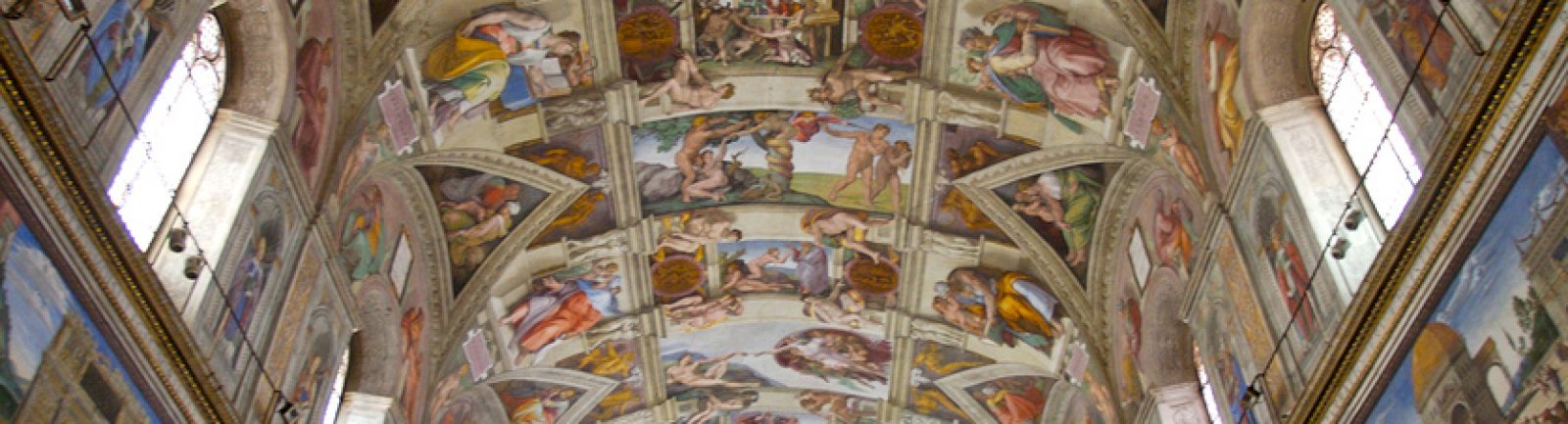
5 opere d’arte con storie inquietanti
Dietro alcuni dei capolavori più celebri della storia dell’arte si nascondono racconti oscuri, misteriosi e a tratti inquietanti. Alcune opere si portano dietro leggende metropolitane dure a morire, talvolta tragedie e dettagli che continuano a inquietare anche chi le osserva senza sapere nulla della loro storia.
Vi propongo cinque opere d’arte note che hanno una storia assai singolare.
Il volto urlante de L’urlo
Dipinto da Edvard Munch, “L’urlo” è diventato il simbolo universale dell’angoscia. Ma la sua storia è ancora più inquietante del soggetto rappresentato.
Munch raccontò di aver avuto l’ispirazione durante una passeggiata, quando il cielo gli apparve “rosso sangue” e sentì un urlo attraversare la natura.
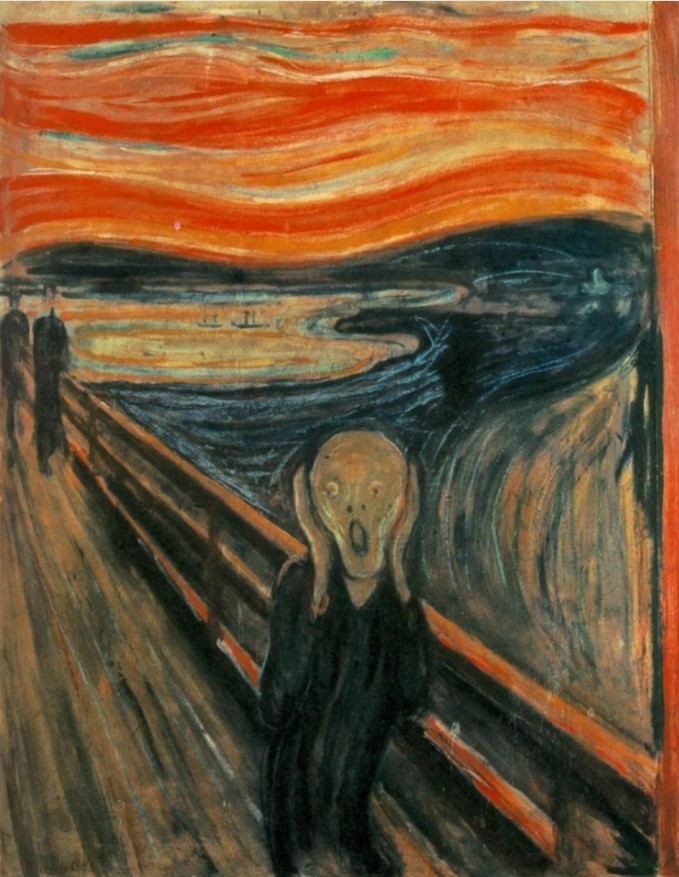
Negli anni, alcune versioni dell’opera sono state rubate e recuperate in circostanze drammatiche. Inoltre, si è diffusa la leggenda che chi lavora a stretto contatto con il dipinto possa essere colpito da sfortune o eventi tragici.
La maledizione del The Crying Boy
Questa è forse una delle storie più inquietanti mai legate a un’opera d’arte. I quadri della serie “Crying Boy”, attribuiti a Bruno Amadio, erano molto diffusi nelle case europee negli anni ’70 e ’80.
La leggenda esplose quando diversi incendi domestici distrussero abitazioni ma i quadri del bambino in lacrime vennero ritrovati intatti tra le macerie.
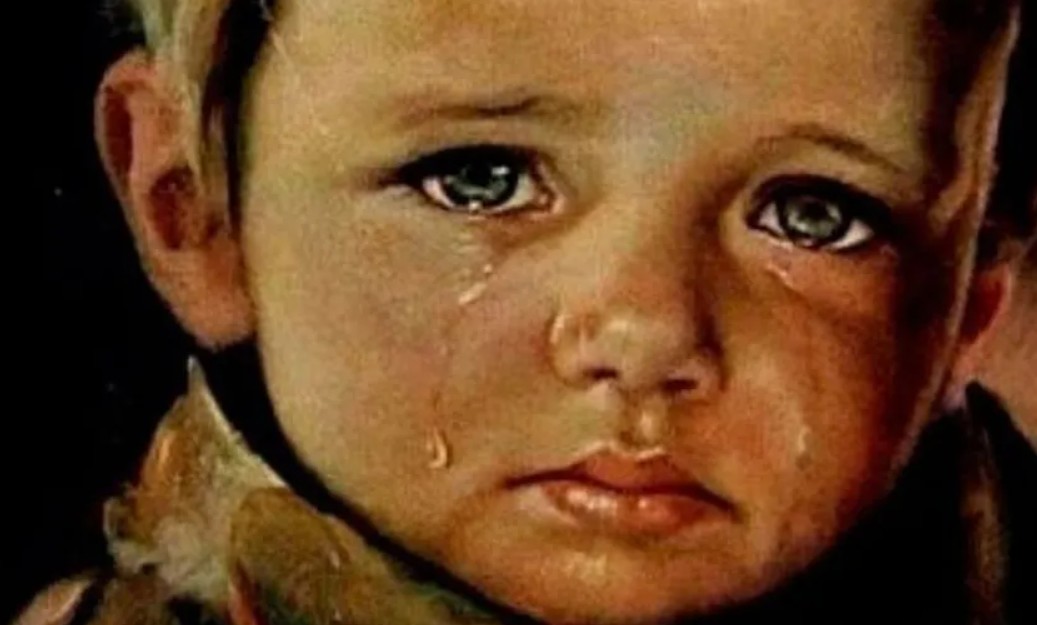
I giornali dell’epoca alimentarono il mito parlando di una vera e propria “maledizione”. Ancora oggi, molte persone evitano di tenere una copia di queste opere in casa.

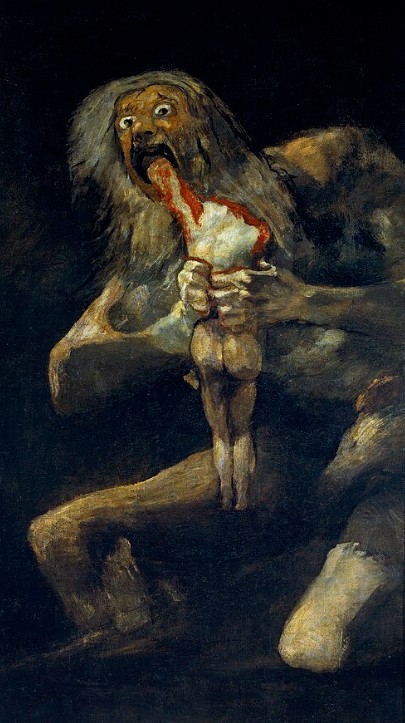
L’enigma oscuro de Saturno che divora i suoi figli
Tra le opere più disturbanti della storia dell’arte, questo dipinto di Francisco Goya colpisce per la sua brutalità.
Realizzato direttamente sulle pareti della sua casa, fa parte delle celebri “Pitture nere”. L’opera rappresenta il dio Saturno mentre divora uno dei suoi figli, in una scena cruda e quasi animalesca.
Goya la dipinse in un periodo di isolamento e problemi mentali, e molti critici ritengono che rifletta le sue paure più profonde. Guardarla da vicino è un’esperienza intensa, angosciosa e disturbante.
Il volto che si deforma ne Il figlio dell’uomo
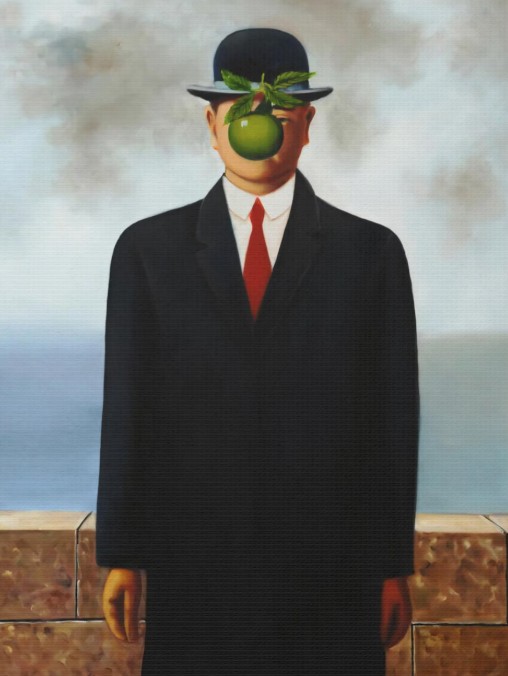
Quest’opera di René Magritte è apparentemente semplice: un uomo in giacca e cravatta con il volto coperto da una mela verde.
Ma proprio questo dettaglio genera inquietudine. Il volto non è mai visibile, come se l’identità del soggetto fosse nascosta o negata per sempre.
Molti interpreti vedono nel dipinto una riflessione sull’alienazione moderna e sull’impossibilità di conoscere davvero le persone. Il risultato è un’immagine che resta impressa e leggermente disturbante.
Lo sguardo che segue ne The Hands Resist Him
Dipinto nel 1972 da Bill Stoneham, quest’opera è diventata famosa grazie a una storia virale in rete.
Il quadro raffigura un bambino accanto a una bambola, davanti a una porta di vetro dietro la quale si intravedono mani inquietanti.
Secondo alcune testimonianze, i proprietari dell’opera avrebbero vissuto esperienze paranormali: figure che si muovono nel dipinto, sensazioni di essere osservati, incubi ricorrenti.
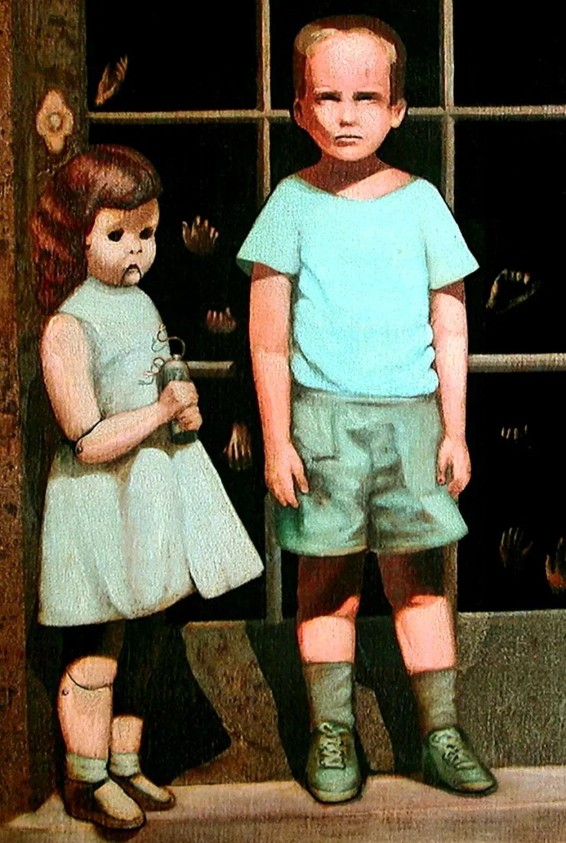
Anche se non esistono prove concrete, la fama “maledetta” del quadro continua ad attirare curiosi e appassionati di misteri.
Le opere d’arte non sono solo immagini: sono frammenti di vita, emozioni e spesso tormenti degli artisti. Quando a questo si aggiungono misteri e leggende, il fascino cresce ancora di più.
Forse è proprio questo il motivo per cui queste storie continuano a circolare: ci ricordano che l’arte può essere bellissima ma anche profondamente inquietante.
Per il momento il sempre vostro Michelangelo Buonarroti vi saluta dandovi appuntamento ai prossimi post e sui social.

5 Works of Art with Disturbing Stories
Behind some of the most famous masterpieces in the history of art lie dark, mysterious, and sometimes disturbing tales. Some works carry with them die-hard urban legends, sometimes tragedies, and details that continue to unsettle even those who view them without knowing anything about their history.
I propose five well-known works of art with a very unique history.
The Scream’s Scream
Painted by Edvard Munch, “The Scream” has become the universal symbol of anguish. But its story is even more disturbing than the subject itself.
Munch said he was inspired during a walk, when the sky appeared “blood red” and he heard a scream rippling through nature.
Over the years, some versions of the work have been stolen and recovered in dramatic circumstances. Furthermore, a legend has spread that those who work closely with the painting can be struck by misfortune or tragedy.
The Curse of The Crying Boy
This is perhaps one of the most disturbing stories ever linked to a work of art. The paintings from the “Crying Boy” series, attributed to Bruno Amadio, were widespread in European homes in the 1970s and 1980s.
The legend exploded when several house fires destroyed homes, but the paintings of the crying boy were found intact among the rubble.
Newspapers of the time fueled the myth, speaking of a veritable “curse.” Even today, many people avoid having copies of these works in their homes.
The Dark Enigma of Saturn Devouring His Son
Among the most disturbing works in the history of art, this painting by Francisco Goya is striking for its brutality.
Painted directly on the walls of his home, it is part of the famous “Black Paintings.” The work depicts the god Saturn devouring one of his sons, in a raw, almost animalistic scene.
Goya painted it during a period of isolation and mental illness, and many critics believe it reflects his deepest fears. Viewing it up close is an intense, anguished, and disturbing experience.
The distorted face in The Son of Man
This work by René Magritte is seemingly simple: a man in a suit and tie with his face covered by a green apple.
But this very detail generates unease. The face is never visible, as if the subject’s identity were hidden or forever denied.
Many interpreters see the painting as a reflection on modern alienation and the impossibility of truly knowing people. The result is an image that lingers and is slightly disturbing.
The gaze that follows in The Hands Resist Him
Painted in 1972 by Bill Stoneham, this work became famous thanks to a viral story online.
The painting depicts a child next to a doll, in front of a glass door behind which disturbing hands can be seen.
According to some accounts, the owners of the work have reported paranormal experiences: figures moving in the painting, sensations of being watched, recurring nightmares.
Even though there is no concrete evidence, the painting’s “cursed” reputation continues to attract the curious and mystery enthusiasts.
Works of art are more than just images: they are fragments of the artists’ lives, emotions, and often torments. When mystery and legends are added to this, the fascination grows even more.
Perhaps this is precisely why these stories continue to circulate: they remind us that art can be beautiful but also profoundly disturbing.
For now, yours truly, Michelangelo Buonarroti bids farewell and says he’ll see you in future posts and on social media.

Sostienici – Support Us
Se questo blog ti piace e ti appassiona, puoi aiutarci a farlo crescere sempre più sostenendoci in modo concreto condividendo i post, seguendo le pagine social e con un contributo che ci aiuta ad andare avanti con il nostro lavoro di divulgazione. . ENGLISH: If you like and are passionate about this blog, you can help us make it grow more and more by supporting us in a concrete way by sharing posts, following social pages and with a contribution that helps us to move forward with our dissemination work.
10,00 €
Articoli
Condividi:


Questo sono io




sostienici

Sostienici – Support Us
Se questo blog ti piace e ti appassiona, puoi aiutarci a farlo crescere sempre più sostenendoci in modo concreto condividendo i post, seguendo le pagine social e con un contributo che ci aiuta ad andare avanti con il nostro lavoro di divulgazione. . ENGLISH: If you like and are passionate about this blog, you can help us make it grow more and more by supporting us in a concrete way by sharing posts, following social pages and with a contribution that helps us to move forward with our dissemination work.
€10,00


