
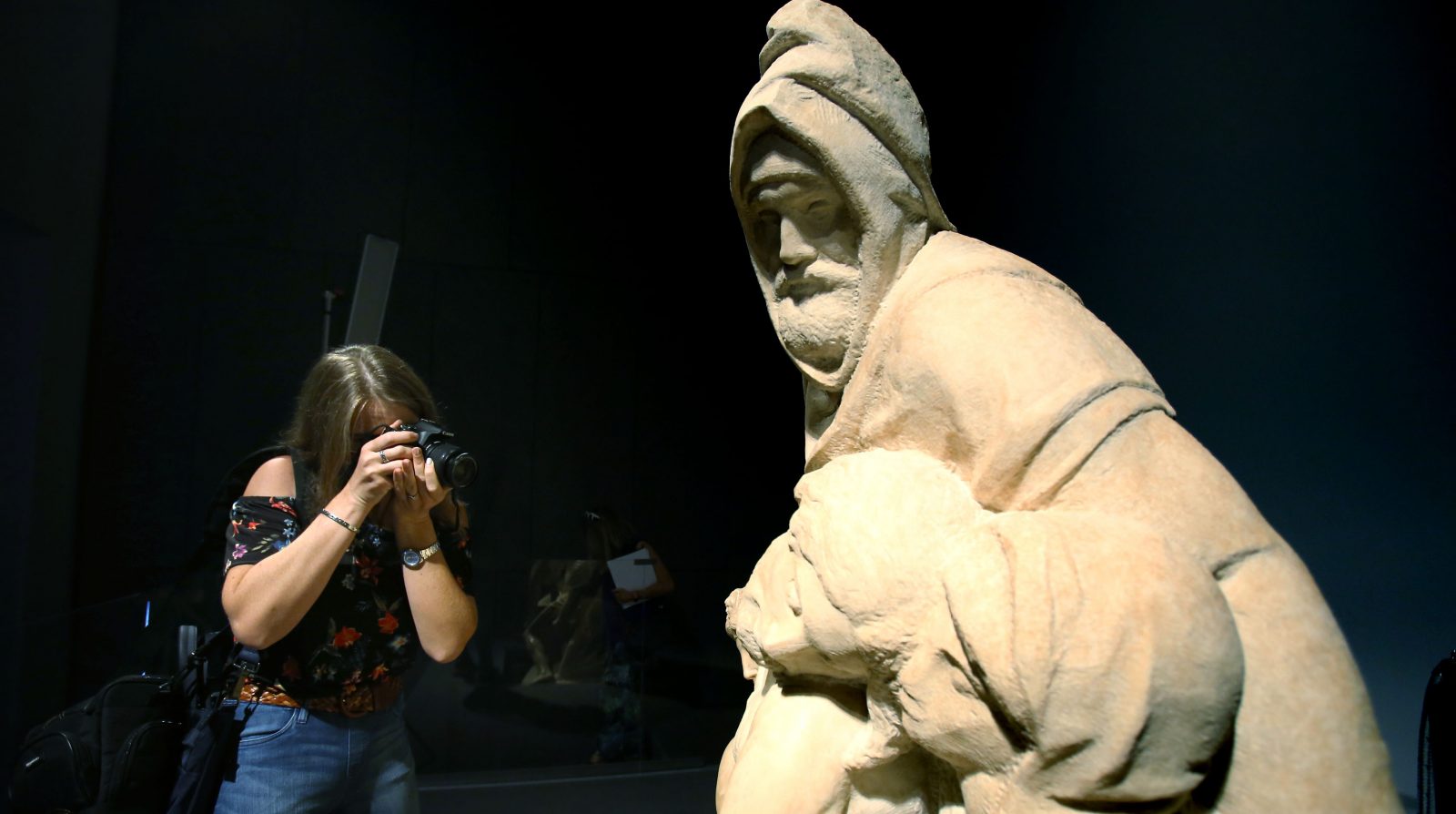
La Scultura del giorno: il Bambino che dorme di Giovan Battista Lombardi
La scultura del giorno che vi propongo oggi è il Bambino che Dorme, scolpito nel 1870 circa da Giovan Battista Lombardi.
L’opera in questione segue un filone molto in voga in quel momento storico, sulla scia del successo della Pudicizia Velata di Antonio Corradini, ideata per la Cappella di San Severo a Napoli a metà del Settecento.
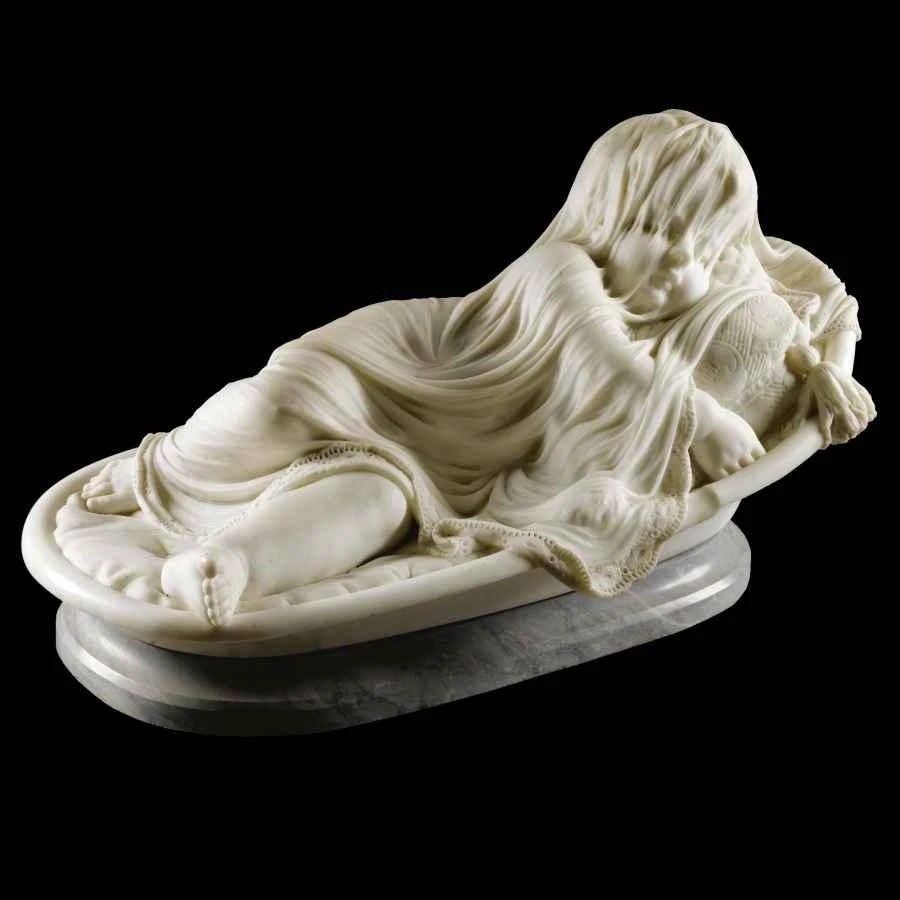
Lombardi diede forma con mazzuolo, scalpelli, gradine e raspe a un giovane fanciullo in maro statuario di Carrara che dorme beatamente abbracciandosi a un cuscino finemente lavorato e decorato con delle nappe.
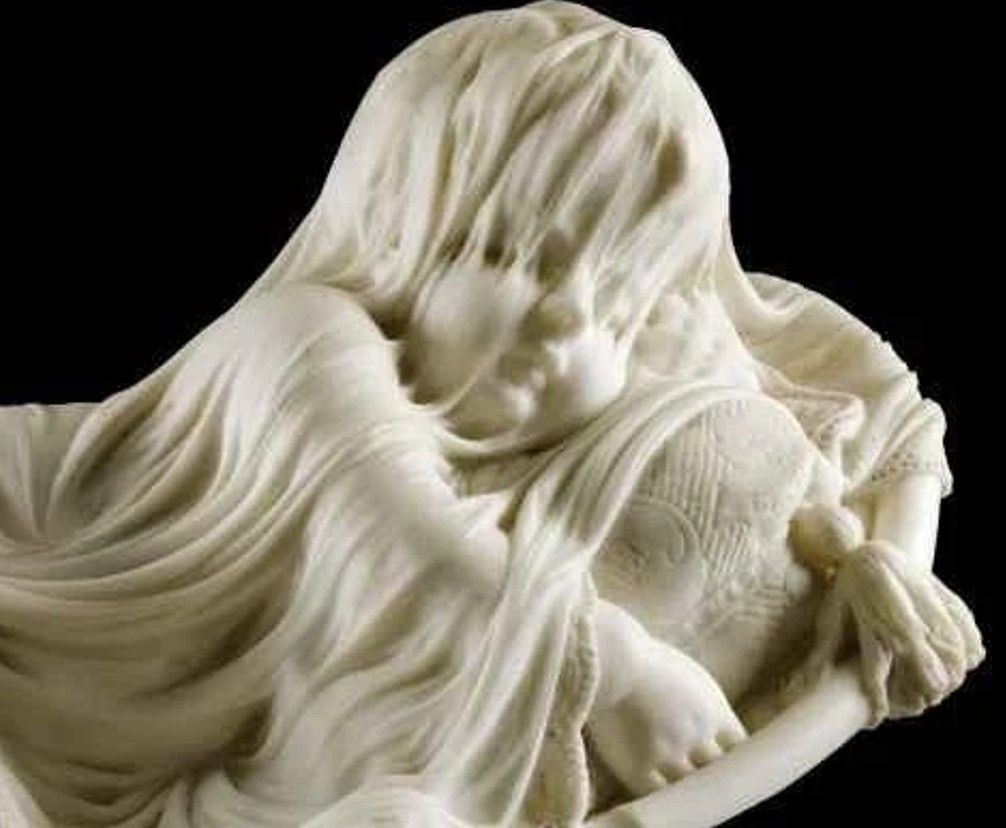
Il delicato lenzuolo che avrebbe dovuto servire per coprigli il corpo durante il riposo, durante i movimenti del bambino si è spostato andandogli a coprire il busto e la testa. Talmente è sottile la stoffa da lasciar intravedere i lineamenti del viso e altri dettagli del corpo del bimbo.
Dovete sapere che Giovanni Battista Lombardi è stato uno degli scultori italiani più importanti dell’Ottocento, noto per la sua abilità nel sapere armonizzare le linee pure del neoclassicismo con la forza espressiva del naturalismo.
Era nato a Rezzato nel 1822 e passò a miglior vita a Brescia nel 1880. La sua carriera sviluppò prevalentemente principalmente a Roma dove ebbe modo di perfezionarsi sotto l’attenta guida di Pietro Tenerani.
Le sue opere, caratterizzate da un’elevata tecnica e da una profonda sensibilità, spaziavano dai monumenti funebri ai busti, dalle figure mitologiche ai ritratti.
Fra le opere di maggior successo di Giovan Battista Lombardi vale la pena menzionare la celeberrima Ninfa.
La scultura del Bambino che dorme appartiene a una collezione privata. Per il momento il sempre vostro Michelangelo Buonarroti vi saluta dandovi appuntamento ai prossimi post e sui social.

Sculpture of the day: The Sleeping Child by Giovan Battista Lombardi
The sculpture of the day that I propose to you today is the Sleeping Child, sculpted around 1870 by Giovan Battista Lombardi.
The work in question follows a trend that was very popular at that time in history, in the wake of the success of the Veiled Modesty by Antonio Corradini, designed for the Chapel of San Severo in Naples in the mid-eighteenth century.
Lombardi gave shape with mallet, chisels, chisels and rasps to a young boy in Carrara statuary marble who is sleeping blissfully, hugging a finely crafted pillow decorated with tassels.
The delicate sheet that should have served to cover his body during rest, during the child’s movements has moved, covering his torso and head. The fabric is so thin that you can see the features of the face and other details of the child’s body.
You should know that Giovanni Battista Lombardi was one of the most important Italian sculptors of the nineteenth century, known for his ability to harmonize the pure lines of neoclassicism with the expressive force of naturalism.
He was born in Rezzato in 1822 and passed away in Brescia in 1880. His career developed mainly in Rome where he had the opportunity to perfect himself under the careful guidance of Pietro Tenerani.
His works, characterized by a high level of technique and a deep sensitivity, ranged from funerary monuments to busts, from mythological figures to portraits.
Among the most successful works of Giovan Battista Lombardi it is worth mentioning the very famous Nymph.
The sculpture of the Sleeping Child belongs to a private collection. For the moment, the always your Michelangelo Buonarroti bids you farewell, making an appointment with you in the next posts and on social media.

Sostienici – Support Us
Se questo blog ti piace e ti appassiona, puoi aiutarci a farlo crescere sempre più sostenendoci in modo concreto condividendo i post, seguendo le pagine social e con un contributo che ci aiuta ad andare avanti con il nostro lavoro di divulgazione. . ENGLISH: If you like and are passionate about this blog, you can help us make it grow more and more by supporting us in a concrete way by sharing posts, following social pages and with a contribution that helps us to move forward with our dissemination work.
10,00 €
-
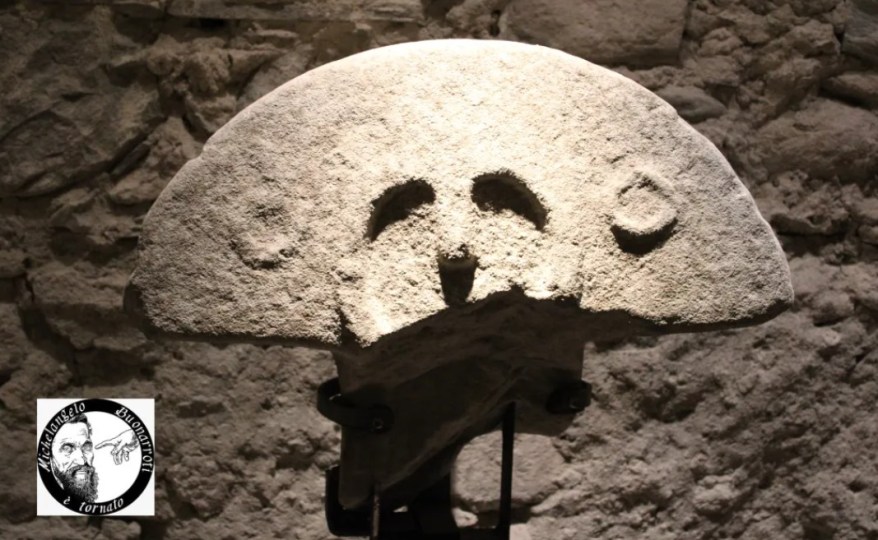
Pontremoli: il fascino silenzioso delle Statue Stele e il profumo dell’Amor
🇮🇹Ritorno al Castello del Piagnaro a Pontremoli: una visita al Museo delle Statue Stele Lunigianesi tra misteriosi volti di pietra e la dolce sosta all’Amor Pontremoli… 🇬🇧A return to the Castle of Piagnaro in Pontremoli: a visit to the Museum of the Lunigiana Stele Statues, amidst mysterious stone faces, followed by a delightful stop for…
-
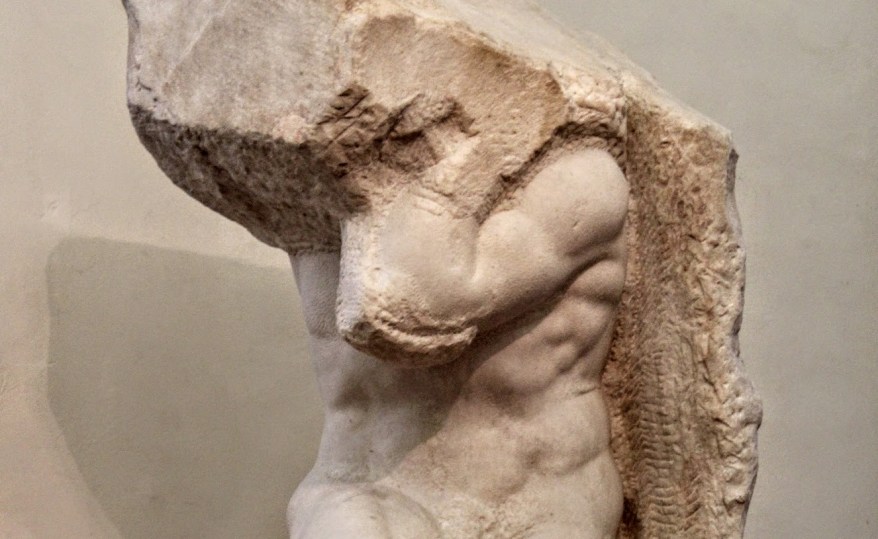
Il tormento del mio marmo ha stregato il Novecento: la nuova mostra a Firenze
🇮🇹Dal 15 dicembre 2026 la Galleria dell’Accademia di Firenze ospita “L’anima dei marmi”. Rodin, Bourdelle e i maestri del Simbolismo rileggono il mio genio… 🇬🇧Starting December 15, 2026, the Galleria dell’Accademia in Florence will host “The Soul of Marble.” Rodin, Bourdelle, and the masters of Symbolism reinterpret my genius…
-
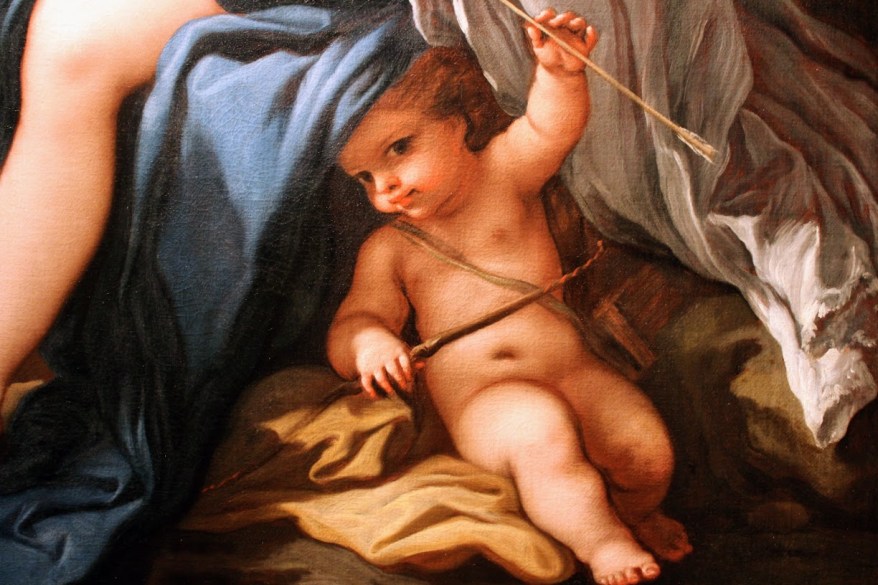
18 ottobre 1634: nasce Luca Giordano, il pittore che dipingeva così in fretta da essere chiamato «Luca fa’ presto»
🇮🇹Luca Giordano nacque a Napoli il 18 ottobre 1634. Scopri perché era chiamato «Luca fa’ presto» e i suoi capolavori, dalla Galleria degli Specchi alla corte di Spagna… 🇬🇧Luca Giordano was born in Naples on October 18, 1634. Discover why he was nicknamed “Luca fa’ presto” (“Luca, hurry up!”) and explore his masterpieces—from the Hall…
Condividi:


Questo sono io




sostienici

Sostienici - Support Us
Se questo blog ti piace e ti appassiona, puoi aiutarci a farlo crescere sempre più sostenendoci in modo concreto condividendo i post, seguendo le pagine social e con un contributo che ci aiuta ad andare avanti con il nostro lavoro di divulgazione. . ENGLISH: If you like and are passionate about this blog, you can help us make it grow more and more by supporting us in a concrete way by sharing posts, following social pages and with a contribution that helps us to move forward with our dissemination work.
€10,00


