
La Scultura del giorno: il David Vittorioso di Donatello
La scultura del giorno che vi propongo oggi è il David Vittorioso di Donatello, un’opera che gli fu commissionata quando aveva poco più di vent’anni e che in qualche modo ha molto a che fare con me.
Sedetevi comodi che vi racconto anche questa storia.

Era il 1408 quando all’artista fu affidata la realizzazione di un David in marmo da collocare su uno dei contrafforti delle tribune absidali del duomo di Firenze
Vi ricorda qualcosa questa insolita collocazione? Ebbene, anni dopo sarebbe stata scelta per un altro David: il mio.
Le sculture ancorate lassù sugli sproni avrebbero creato un grande effetto scenografico. Nello stesso periodo fu richiesto anche a Nanni di Banco la realizzazione di un Isaia in marmo da posizionare sempre sui contrafforti.

Nel giugno del 1409 il David di Donatello era terminato e si pensò alla messa in opera. Dopo aver montato i ponteggi che avrebbero consentito di innalzare l’opera fino a quell’altezza, ci si rese conto che le dimensioni della scultura non erano adeguate.
Posizionando l’opera sui contrafforti, non ci sarebbe stato quell’effetto dei giganti che dominavano sulla città che era stato pensato in origine. Troppo piccolo quel David per ottenere un effetto simile nonostante avesse un’altezza di quasi due metri. Non era stata di fatto calcolata preventivamente la deformazione prospettica data da quella vertiginosa altezza.

Così Il David non fu mai collocato sugli sproni ma lo stesso Donatello propose di collocare lassù figure alte più di cinque metri realizzandole però in terracotta dipinta di bianco.
Qualche anno dopo, nel 1412, fu issato un grande Giosuè realizzato in quel modo ottenendo un grandioso effetto scenografico. Il materiale usato, più delicato e deteriorabile rispetto al marmo, obbligava però aed effettuare ripetutamente restauri e così fu tolta anche quell’opera.
Il David scolpito nel marmo trovò dunque un’altra illustre collocazione. Nel 1416 la Signoria chiese a Donatello di riadattare l’opera per essere vista ad altezza d’occhi. Lo scultore intervenne soprattutto sulla testa di Golia riducendola.

Oggi il David in marmo di Donatello fa parte delle prestigiose collezioni del Museo Nazionale del Bargello.
Per il momento il sempre vostro Michelangelo Buonarroti vi saluta dandovi appuntamento ai prossimi post e sui social.

Sculpture of the day: Donatello’s Victorious David
The sculpture of the day that I propose to you today is Donatello’s Victorious David, a work that was commissioned when he was in his early twenties and which in some way has a lot to do with me.
Sit back and I’ll tell you this story too.
It was 1408 when the artist was entrusted with the creation of a marble David to be placed on one of the buttresses of the apsidal stands of the Florence cathedral
Does this unusual location remind you of anything? Well, years later she would be chosen for another David: mine.
The sculptures anchored up there on the spurs would have created a great scenographic effect. In the same period, Nanni di Banco was also asked to create a marble Isaiah to always be placed on the buttresses.
In June 1409 Donatello’s David was finished and work began. After having mounted the scaffolding that would have allowed the work to be raised to that height, it was realized that the dimensions of the sculpture were not adequate.
By positioning the work on the buttresses, there would not have been that effect of the giants dominating the city that had originally been thought of. David was too small to achieve a similar effect despite being almost two meters tall. In fact, the perspective deformation given by that dizzying height had not been calculated in advance.
So the David was never placed on the spurs but Donatello himself proposed placing figures more than five meters tall up there, but making them in white painted terracotta.
A few years later, in 1412, a large Joshua made in that way was hoisted, obtaining a grandiose scenographic effect. However, the material used, more delicate and perishable than marble, meant that restorations had to be carried out repeatedly and so that work was also removed.
The David carved in marble therefore found another illustrious location. In 1416 the Signoria asked Donatello to adapt the work to be seen at eye level. The sculptor worked above all on Goliath’s head, reducing it.
Today Donatello’s marble David is part of the prestigious collections of the Bargello National Museum.
For the moment, your always Michelangelo Buonarroti greets you and will meet you in the next posts and on social media.

Sostienici – Support Us
Se questo blog ti piace e ti appassiona, puoi aiutarci a farlo crescere sempre più sostenendoci in modo concreto condividendo i post, seguendo le pagine social e con un contributo che ci aiuta ad andare avanti con il nostro lavoro di divulgazione. . ENGLISH: If you like and are passionate about this blog, you can help us make it grow more and more by supporting us in a concrete way by sharing posts, following social pages and with a contribution that helps us to move forward with our dissemination work.
10,00 €
-
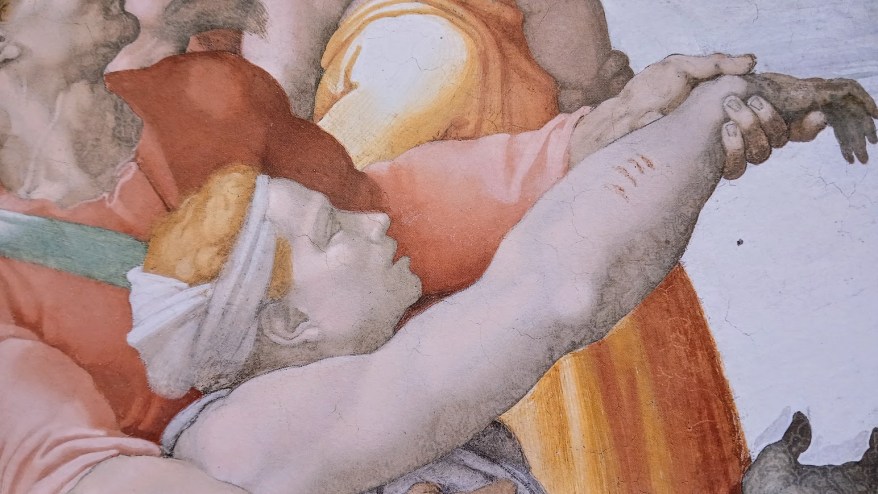
La donna morsa dal serpente nella Cappella Sistina
🇮🇹Quattro segni sul braccio. Nella volta della Cappella Sistina ho dipinto serpenti velenosi, corpi contorti e volti deformati dal terrore. Ma c’è un particolare che potrebbe sfuggirvi… 🇬🇧Four marks on the arm. On the ceiling of the Sistine Chapel, I painted venomous snakes, contorted bodies, and faces twisted by terror. But there is a detail…
-
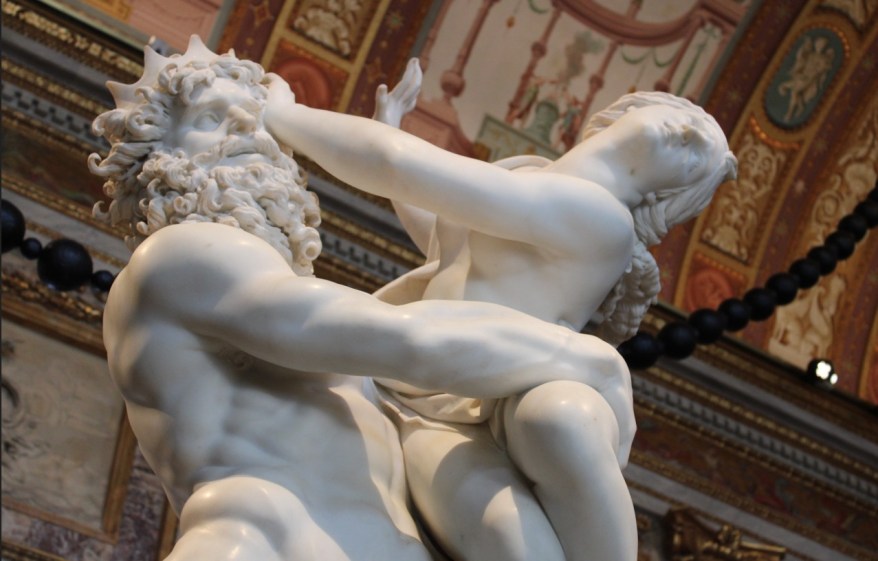
Gian Lorenzo Bernini: l’uomo che fece muovere il marmo
🇮🇹Davanti a una scultura di Gian Lorenzo Bernini, capita di avvicinarsi per osservare un dettaglio e ritrovarsi a seguire con lo sguardo l’intera scena. Una mano stringe una coscia, un volto si volta per sfuggire a uno sguardo, le dita si trasformano in foglie… 🇬🇧When standing before a sculpture by Gian Lorenzo Bernini, you might…
-
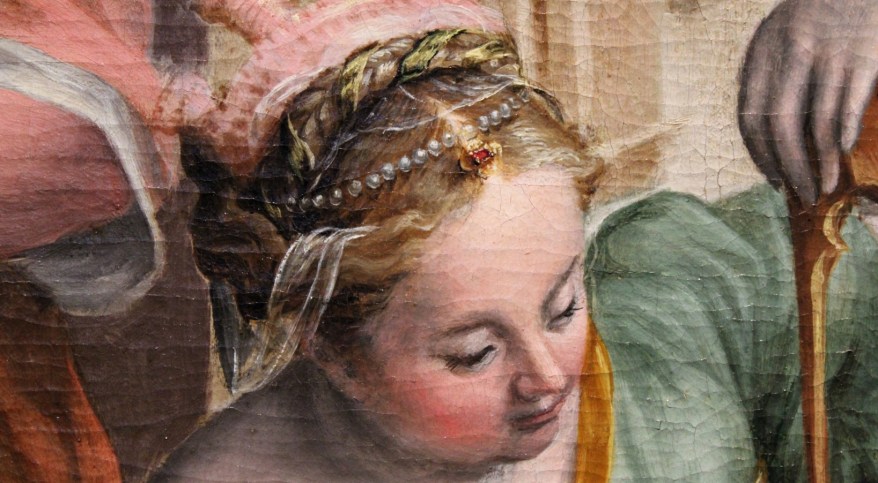
L’Allegoria della Geometria di Prospero Fontana: il dipinto attribuito per errore a Jacopo Coppi
🇮🇹L’Allegoria della Geometria, attribuita un tempo a Jacopo Coppi, è stata restituita a Prospero Fontana: storia, significato e segreti del dipinto… 🇬🇧The Allegory of Geometry, once attributed to Jacopo Coppi, has been reattributed to Prospero Fontana: the history, meaning, and secrets of the painting…
Condividi:


Questo sono io




sostienici

Sostienici - Support Us
Se questo blog ti piace e ti appassiona, puoi aiutarci a farlo crescere sempre più sostenendoci in modo concreto condividendo i post, seguendo le pagine social e con un contributo che ci aiuta ad andare avanti con il nostro lavoro di divulgazione. . ENGLISH: If you like and are passionate about this blog, you can help us make it grow more and more by supporting us in a concrete way by sharing posts, following social pages and with a contribution that helps us to move forward with our dissemination work.
€10,00


