
18 aprile 1504: muore Filippino Lippi a Firenze
Il 18 aprile del 1504, Filippino Lippi morì in quel di Firenze a soli 47 anni, lasciando incompiuta la Deposizione che stava dipingendo per la chiesa della Santissima Annunziata di Firenze.
L’opera fu portata a termine dal Perugino mentre le spoglie del Filippino furono tumulate a ridosso della chiesa di San Michele Visdomini, proprio come ricorda la targa apposta in tempi assai recenti.

Cappella Brancacci. Chiesa di Santa Maria del Carmine, Firenze
La sua scomparsa fu pianta da tutti in città e, come era in uso fare per i funerali più sentiti, in occasione del corteo funebre tutte le botteghe su Via de’ Servi furono chiuse in segno di lutto.
Filippino Lippi è considerato uno dei maestri della pittura rinascimentale fiorentina.
La sua arte ha influenzato quella di tanti artisti a seguire come Raffaello e Correggio, giusto per citarne un paio. Le sue opere sono conservate nei più importanti musei del mondo, tra cui la Galleria degli Uffizi a Firenze, il Louvre a Parigi e la National Gallery di Londra.

Era nato a Prato il 15 aprile 1457 ed era figlio d’arte. Venuto al mondo grazie all’intensa relazione fra il celeberrimo pittore Fra Filippo Lippi e la monaca Lucrezia Buti, fin dalla più tenera età respirò l’atmosfera artistica della Firenze di metà Quattrocento.
Filippino dimostrò un talento prorompente già da bambino, affinando le sue doti nella bottega paterna e successivamente sotto la guida di Sandro Botticelli, suo maestro e mentore.
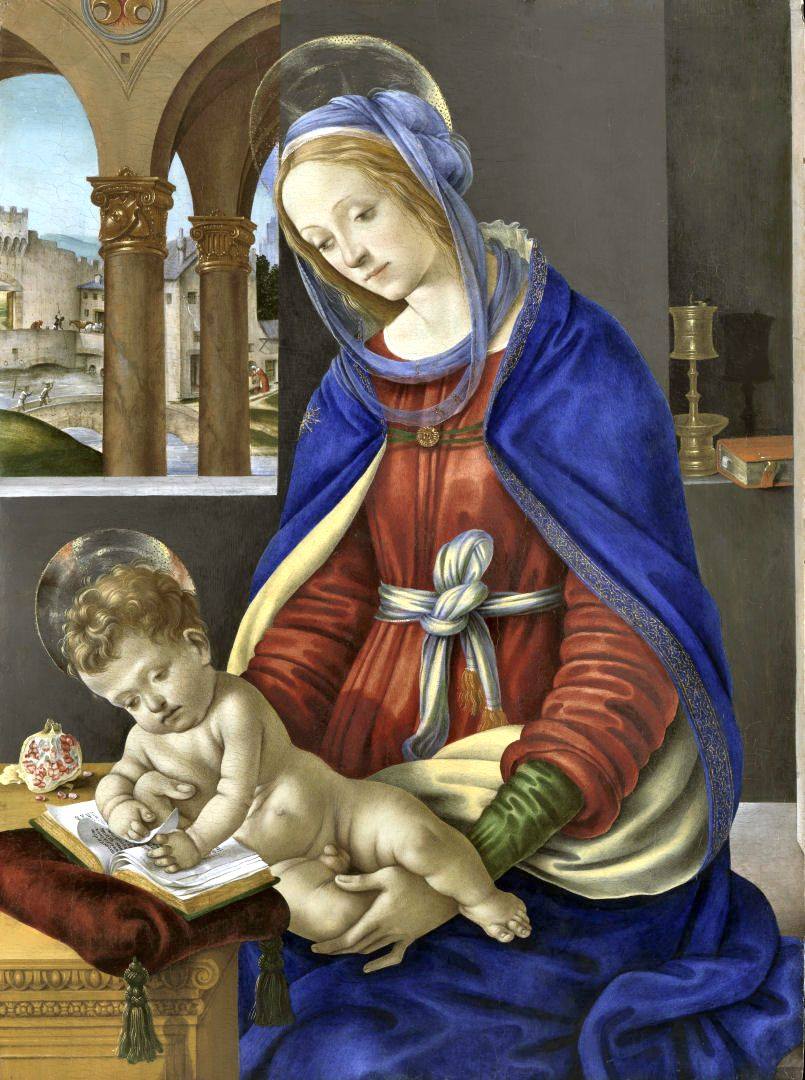
Nel corso degli anni sviluppò uno stile pittorico unico, capace di coniugare l’eleganza lineare di Botticelli con una maggiore ricchezza di dettagli e una più intensa espressività.
Le sue opere erano caratterizzate da linee morbide e fluide con figure allungate e slanciate delineate da un tratto sicuro e grazioso capace di creare un senso di armonia e movimento.
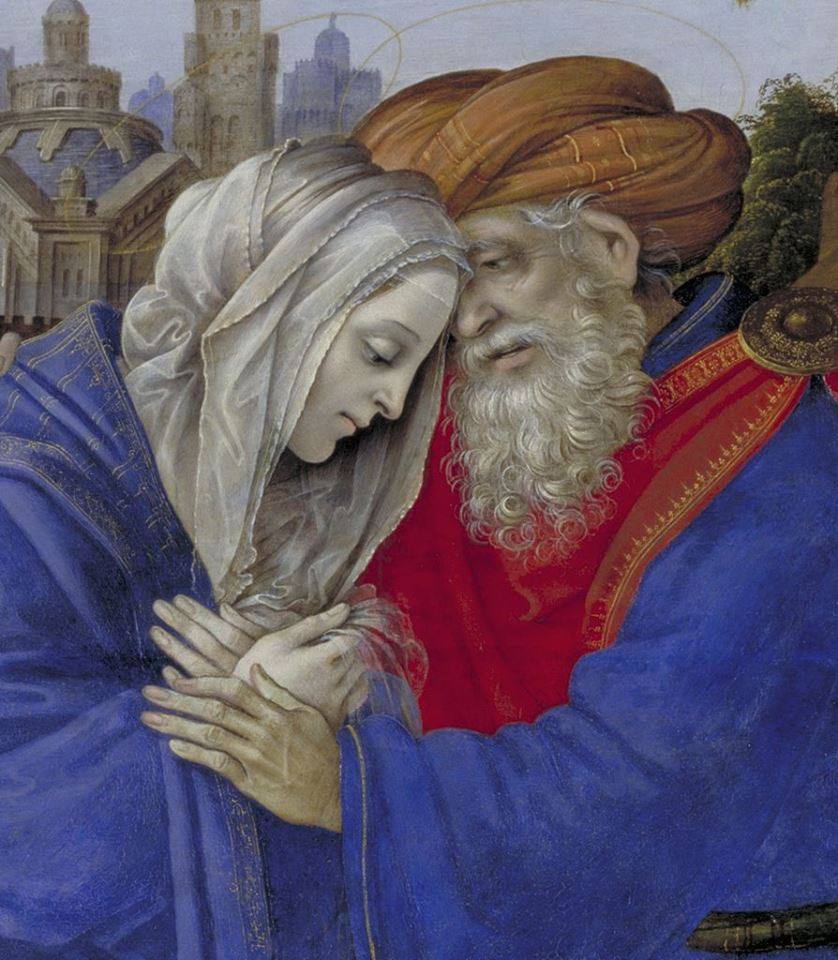
L’artista prediligeva adoperare tonalità brillanti e contrastanti. Amava riprodurre dettagli raffinati ed elaborati paesaggi, arricchiti di elementi architettonici.
Una delle opere più belle realizzate da Filippino è senza dubbio l’Apparizione della Vergine a San Bernardo: un dipinto su tavola che realizzò fra il 1482 e il 1486 e che si trova nella Badia Fiorentina a Firenze.

L’opera fu commissionata da Piero del Pugliese per la cappella di Francesco del Pugliese nel monastero delle Campora, al di fuori di Porta Romana.
Purtroppo dopo i seri danneggiamenti subiti dal monastero durante l’assedio di Firenze, si decise di spostare l’opera alla Badia Fiorentina dove ancora in effetti si trova.

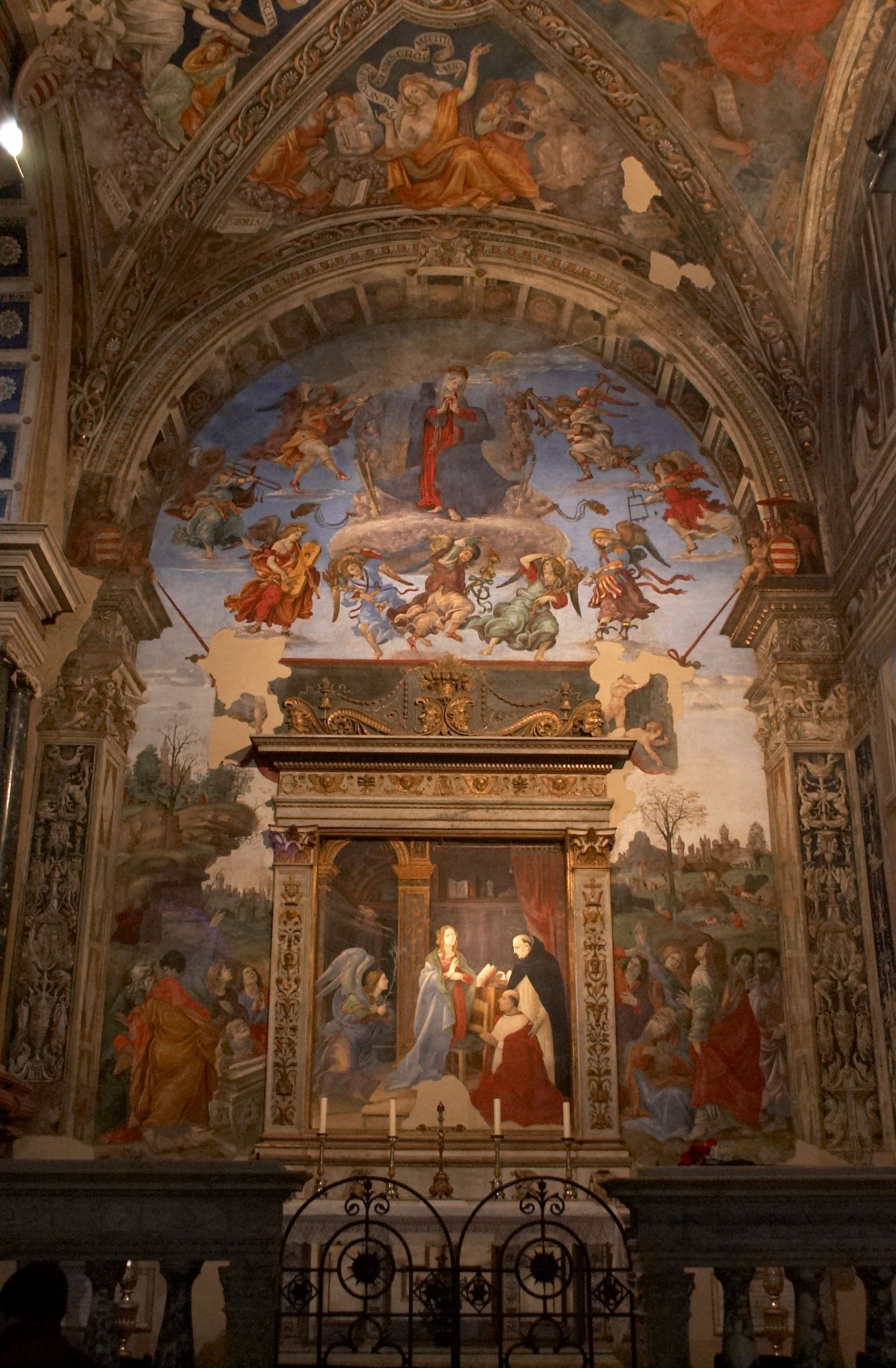
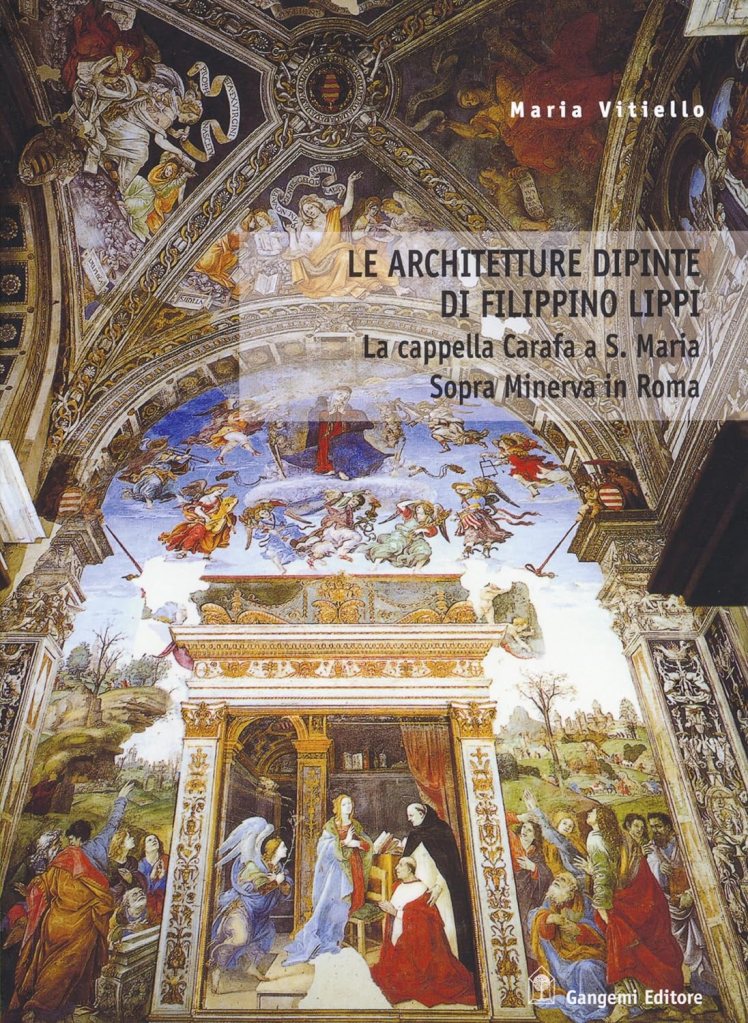
Mirabile è anche il ciclo di affreschi della Cappella Carafa in Santa Maria sopra Minerva a Roma. Nell’agosto del 1488 il Filippino ricevette l’incarico dal cardinale Oliviereo Carafa di affrescare la cappella di famiglia, su raccomandazione di Lorenzo il Magnifico.
Qualche anno dopo ritornerà a Firenze per riprendere il ciclo di affreschi della Cappella di Filippo Strozzi in Santa Maria Novella che già aveva avviato anni prima.
Per il momento il sempre vostro Michelangelo Buonarroti vi saluta dandovi appuntamento ai prossimi post e sui social.
18 April 1504: Filippino Lippi dies in Florence
On 18 April 1504, Filippino Lippi died in Florence at just 47 years old, leaving the Deposition that he was painting for the church of the Santissima Annunziata in Florence unfinished.
The work was completed by Perugino while the remains of Filippino were buried near the church of San Michele Visdomini just as the plaque affixed in very recent times recalls. His passing was mourned by everyone in the city and as was customary for the most heartfelt funerals, on the occasion of the funeral procession all the shops on Via de’ Servi were closed as a sign of mourning.
Filippino Lippi is considered one of the masters of Florentine Renaissance painting. His art influenced that of many artists to follow such as Raphael and Correggio, just to name a couple. His works are preserved in the most important museums in the world, including the Uffizi Gallery in Florence, the Louvre in Paris and the National Gallery in London.
He was born in Prato on 15 April 1457 and was the son of an artist. Born from the intense relationship between the famous painter Fra Filippo Lippi and the nun Lucrezia Buti, from an early age he breathed the artistic atmosphere of mid-fifteenth-century Florence. Filippino demonstrated an exuberant talent already as a child, honing his skills in his father’s workshop and subsequently under the guidance of Sandro Botticelli, his teacher and mentor.
Over the years, Filippino developed a unique pictorial style, capable of combining the linear elegance of Botticelli with a greater richness of detail and a more intense expressiveness. His works were characterized by soft and fluid lines with elongated and slender figures outlined by a confident and graceful line capable of creating a sense of harmony and movement.
The artist preferred to use bright and contrasting shades and loved to reproduce refined details and elaborate landscapes, enriched with architectural elements.
One of the most beautiful works created by Filippino is undoubtedly the Apparition of the Virgin to Saint Bernard: a panel painting that he created between 1482 and 1486 and which is located in the Badia Fiorentina in Florence.
The work was commissioned by Piero del Pugliese for the chapel of Francesco del Pugliese in the Campora monastery, outside Porta Romana. Unfortunately, after the serious damage suffered by the monastery during the siege of Florence, it was decided to move the work to the Badia Fiorentina where it still remains.
Also admirable is the cycle of frescoes in the Carafa Chapel in Santa Maria sopra Minerva in Rome. In August 1488 Filippino received the commission from Cardinal Oliviereo Carafa to fresco the family chapel, on the recommendation of Lorenzo the Magnificent.
A few years later he returned to Florence to resume the cycle of frescoes in the Filippo Strozzi Chapel in Santa Maria Novella which he had already started years earlier.
For the moment, your always Michelangelo Buonarroti greets you and will meet you in the next posts and on social media.

Sostienici – Support Us
Se questo blog ti piace e ti appassiona, puoi aiutarci a farlo crescere sempre più sostenendoci in modo concreto condividendo i post, seguendo le pagine social e con un contributo che ci aiuta ad andare avanti con il nostro lavoro di divulgazione. . ENGLISH: If you like and are passionate about this blog, you can help us make it grow more and more by supporting us in a concrete way by sharing posts, following social pages and with a contribution that helps us to move forward with our dissemination work.
8,00 €
-
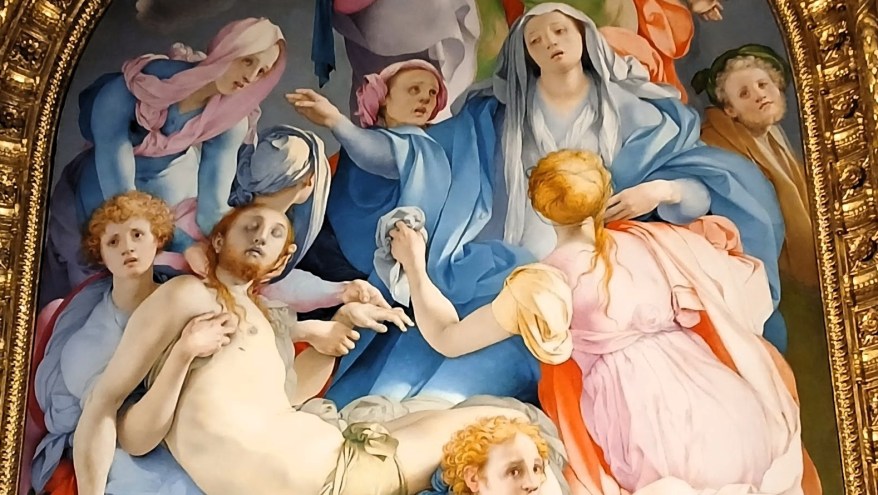
La Deposizione del Pontormo: il capolavoro dell’artista
🇮🇹Ti coinvolge. Ti mette a disagio. Ti costringe a sentire. E’ la Deposizione dalla Croce, dipinta da Jacopo Pontormo tra il 1525 e il 1528 per la Cappella Capponi… 🇬🇧It draws you in. It makes you uncomfortable. It forces you to feel. It’s the Deposition from the Cross, painted by Jacopo Pontormo between 1525 and…
-
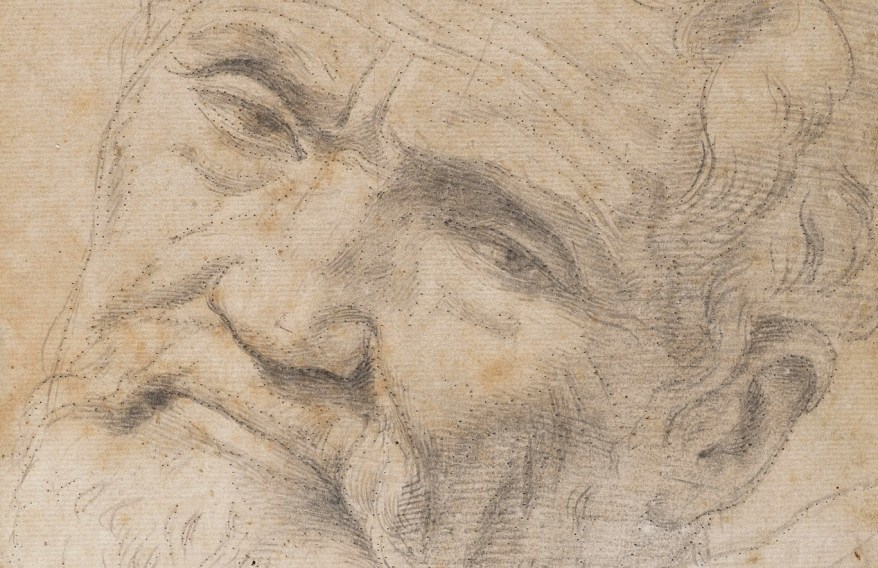
Non chiamatelo Braghettone: il 4 aprile del 1566 muore Daniele da Volterra, l’artista che salvò il Giudizio Universale
🇮🇹Braghettone? No, molto di più. Il 4 aprile 1566 moriva Daniele da Volterra, il mio allievo più fedele, l’uomo che mi rimase accanto fino all’ultimo respiro e che salvò il mio Giudizio Universale dalla distruzione… 🇬🇧Braghettone? No, much more. On April 4, 1566, Daniele da Volterra died, my most faithful student, the man who remained…
-
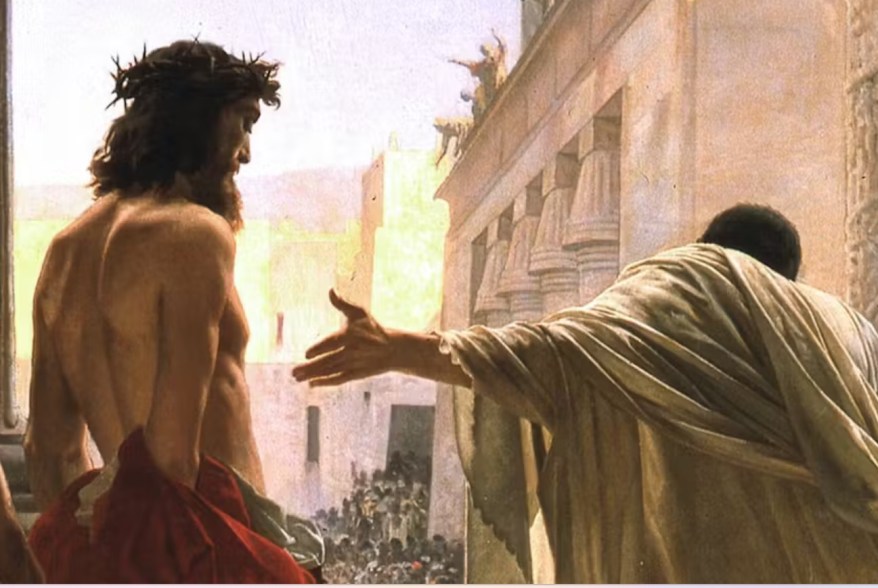
Venerdì Santo: gli “Ecce Homo” più intensi della storia dell’arte
🇮🇹Ecce Homo. Da Antonello da Messina a Tintoretto, fino al sorprendente capolavoro di Antonio Ciseri, questo soggetto ha attraversato i secoli raccontando dolore, umanità e coscienza… 🇬🇧Ecce Homo. From Antonello da Messina to Tintoretto, to Antonio Ciseri’s astonishing masterpiece, this subject has spanned the centuries, recounting pain, humanity, and conscience…
Condividi:


Questo sono io





sostienici

Sostienici - Support Us
Se questo blog ti piace e ti appassiona, puoi aiutarci a farlo crescere sempre più sostenendoci in modo concreto condividendo i post, seguendo le pagine social e con un contributo che ci aiuta ad andare avanti con il nostro lavoro di divulgazione. . ENGLISH: If you like and are passionate about this blog, you can help us make it grow more and more by supporting us in a concrete way by sharing posts, following social pages and with a contribution that helps us to move forward with our dissemination work.
€10,00


