
La Scultura del giorno: Zenobia in catene della scultrice Harriet Hosmer
La scultura del giorno che vi propongo oggi è Zenobia in catene realizzata dalla scultrice statunitense Harriet Goodhue Hosmer nel 1859.
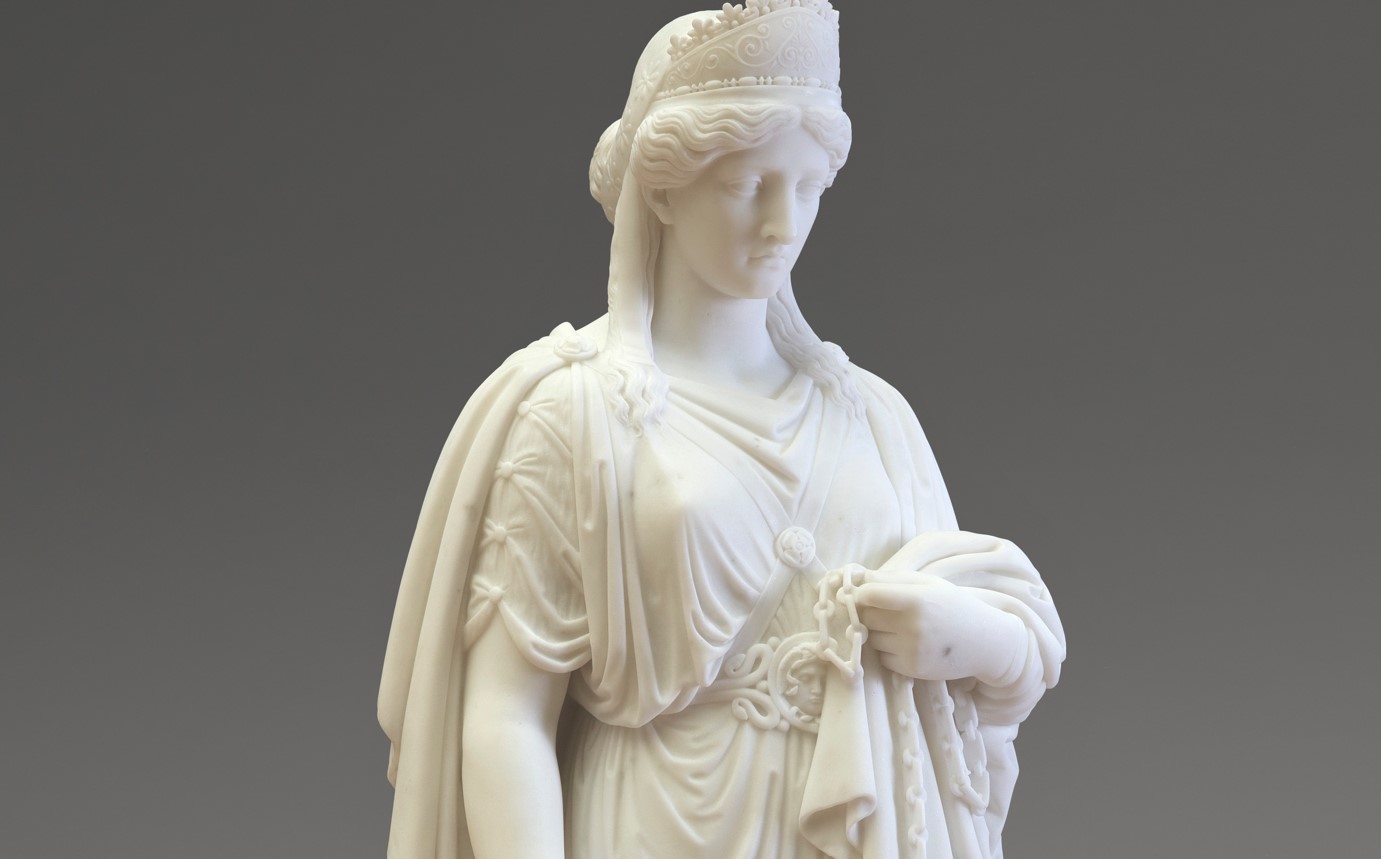
L’artista volle ritrarre la regina di Palmira del III secolo messa in catene dall’Impero Romano. Sconfitta di fatto ma regale nel suo portamento, Zenobia indossa un intricato abito e porta ancora il diadema sul capo.

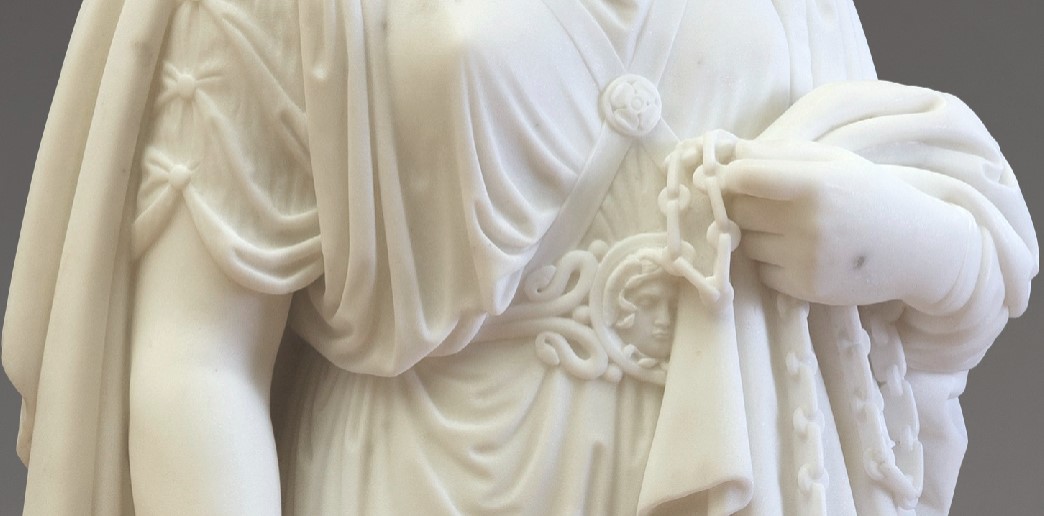
Solo lo sguardo rivolto verso il basso rivela una pesante malinconia e tristezza mentre le catene ben visibili mostrano il suo status di prigioniera.
La figura di Zenobia fu realizzata dall’artista ispirandosi alle figure precedenti delle opere greche che la ritraggono. Leggenda narra che quando Zenobia già era in catene, l’imperatore Aureliano vedendola così fiera e bella la liberò.
La Hosmer volle imprimere al marmo proprio la fierezza che permisero a Zenobia di riconquistare a libertà perduta solo temporaneamente.
L’opera fu portata alla grande esposizione di Londra del 1862, nello stesso anno in cui erano presenti Pandora di Chauncey Butler Ives e un lavoro di William Wetmore Story.

Alcuni critici misero in dubbio che una donna come la scultrice Hosmer fosse stata in grado di realizzare da sola un’opera così monumentale ma i suoi colleghi americani presenti a Roma come Story ribadirono sulla stampa il talento della scultrice, smentendo così le sciocche critiche che le erano state mosse.
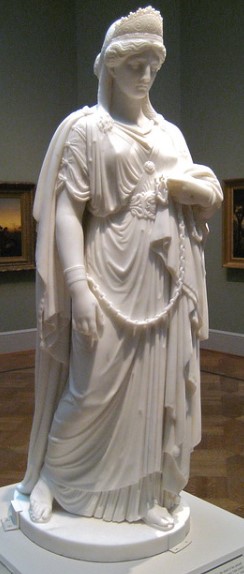
La scultura di Zenobia è custodita presso il Saint Louis Art Museum in Missouri.
Per il momento il vostro Michelangelo Buonarroti vi saluta dandovi appuntamento ai prossimi post e sui social.
Sculpture of the day: Zenobia in chains by sculptor Harriet Hosmer
The sculpture of the day that I propose to you today is Zenobia in chains created by the American sculptor Harriet Goodhue Hosmer in 1859.
The artist wanted to portray the 3rd century Queen of Palmyra who was chained by the Roman Empire. Defeated in fact but regal in her bearing, Zenobia wears an intricate dress and still wears the diadem on her head.
Only her downward gaze reveals a heavy melancholy and sadness while the clearly visible chains show her prisoner status.
The figure of Zenobia was created by the artist on the previous figures of the Greek works that portray her. Legend has it that when Zenobia was already in chains, the emperor Aurelian, seeing her so proud and beautiful, freed her from her.
Hosmer wanted to impart to the alarm the very pride that allowed Zenobia to regain her freedom, which she had only temporarily lost.
The work was taken to the great London exhibition of 1862, in the same year in which Pandora by Chauncey Butler Ives and a work by William Wetmore Story were exhibited.
Some critics questioned whether a woman like the sculptor Hosmer had been able to create such a monumental work on her own, but her American colleagues present in Rome, such as Story, reiterated the sculptor’s talent in the press, thus denying the foolish criticisms that had been moved.
The Zenobia culture is kept at the Saint Louis Art Museum in Missouri.
For the moment, your Michelangelo Buonarroti greets you and will meet you in future posts and on social media.

Sostienici – Support Us
Se questo blog ti piace e ti appassiona, puoi aiutarci a farlo crescere sempre più sostenendoci in modo concreto condividendo i post, seguendo le pagine social e con un contributo che ci aiuta ad andare avanti con il nostro lavoro di divulgazione. . ENGLISH: If you like and are passionate about this blog, you can help us make it grow more and more by supporting us in a concrete way by sharing posts, following social pages and with a contribution that helps us to move forward with our dissemination work.
8,00 €
-
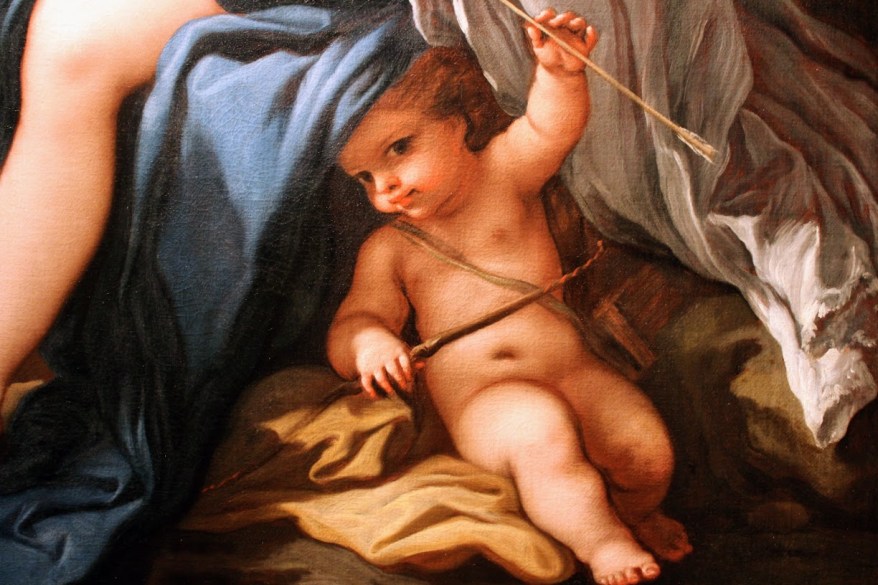
18 ottobre 1634: nasce Luca Giordano, il pittore che dipingeva così in fretta da essere chiamato «Luca fa’ presto»
🇮🇹Luca Giordano nacque a Napoli il 18 ottobre 1634. Scopri perché era chiamato «Luca fa’ presto» e i suoi capolavori, dalla Galleria degli Specchi alla corte di Spagna… 🇬🇧Luca Giordano was born in Naples on October 18, 1634. Discover why he was nicknamed “Luca fa’ presto” (“Luca, hurry up!”) and explore his masterpieces—from the Hall…
-

Incendio al municipio di Limoges, crolla la torre dell’orologio: distrutto storico palazzo dell’Ottocento
🇮🇹Incendio a Limoges, il municipio storico è devastato: crollano il tetto e la torre dell’orologio alta 43 metri. Che cosa resta del patrimonio artistico? 🇬🇧Fire in Limoges: the historic town hall is devastated, with its roof and 43-meter-tall clock tower having collapsed. What remains of its artistic heritage?
-
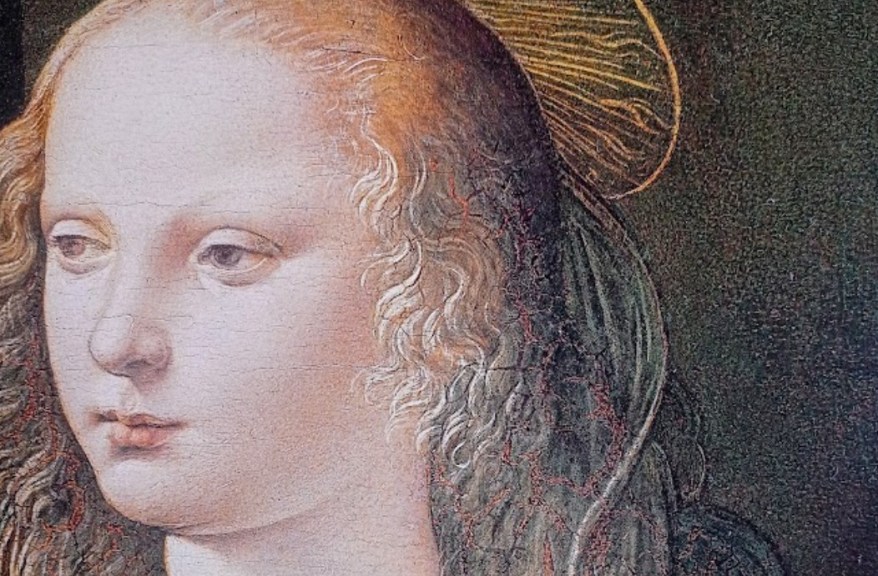
Prima di Gesù Bambino viene l’Annunciazione: i dipinti che raccontano l’inizio della storia di Natale
🇮🇹Prima di Gesù Bambino c’è l’Annunciazione: scopri i dipinti più celebri di Leonardo, Beato Angelico e Simone Martini e i simboli nascosti nell’arte cristiana… 🇬🇧Before the Christ Child comes the Annunciation: discover the most famous paintings by Leonardo, Fra Angelico, and Simone Martini, and the symbols hidden within Christian art…
Condividi:


Questo sono io




sostienici

Sostienici – Support Us
Se questo blog ti piace e ti appassiona, puoi aiutarci a farlo crescere sempre più sostenendoci in modo concreto condividendo i post, seguendo le pagine social e con un contributo che ci aiuta ad andare avanti con il nostro lavoro di divulgazione. . ENGLISH: If you like and are passionate about this blog, you can help us make it grow more and more by supporting us in a concrete way by sharing posts, following social pages and with a contribution that helps us to move forward with our dissemination work.
€10,00


