
La Scultura del giorno: Teti con le armi di Achille di Emil Wolff
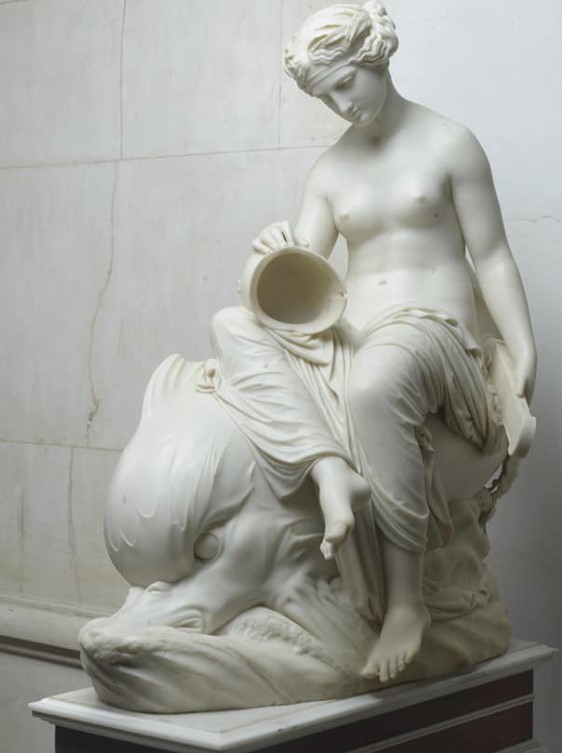
La scultura del giorno che vi propongo oggi è Teti con le armi di Achille realizzata dallo scultore tedesco Emil Wolff nel 1838.
Emil Wolff era nato a Berlino nel 1802 e studiò scultura a partire dal 1815 presso l‘Accademia delle Arti prussiana della sua città. Riuscì a conquistare una prestigiosa borsa di studio che gli permise di andare a studiare a Roma sotto l’attenta guida di Bertel Thorvaldsen.
Arrivò nella città eterna nel 1822, anno della morte di Canova, e rimase talmente affascinato dall’arte antica e dalle meraviglie scolpite da chi lo aveva preceduto, che non volle più andarsene.
Anni dopo, nel 1874, divenne il presidente della prestigiosa Accademia di San Luca.
Per scolpire Teti con le armi di Achille si ispirò a un rilievo presente su un antico sarcofago romano del II secolo d.C..
Su quel marmo erano state scolpite secoli prima le Nereidi con le armi di Achille e lui rimase particolarmente colpito dalla nereide Teti, ninfa del mare e madre di Achille.
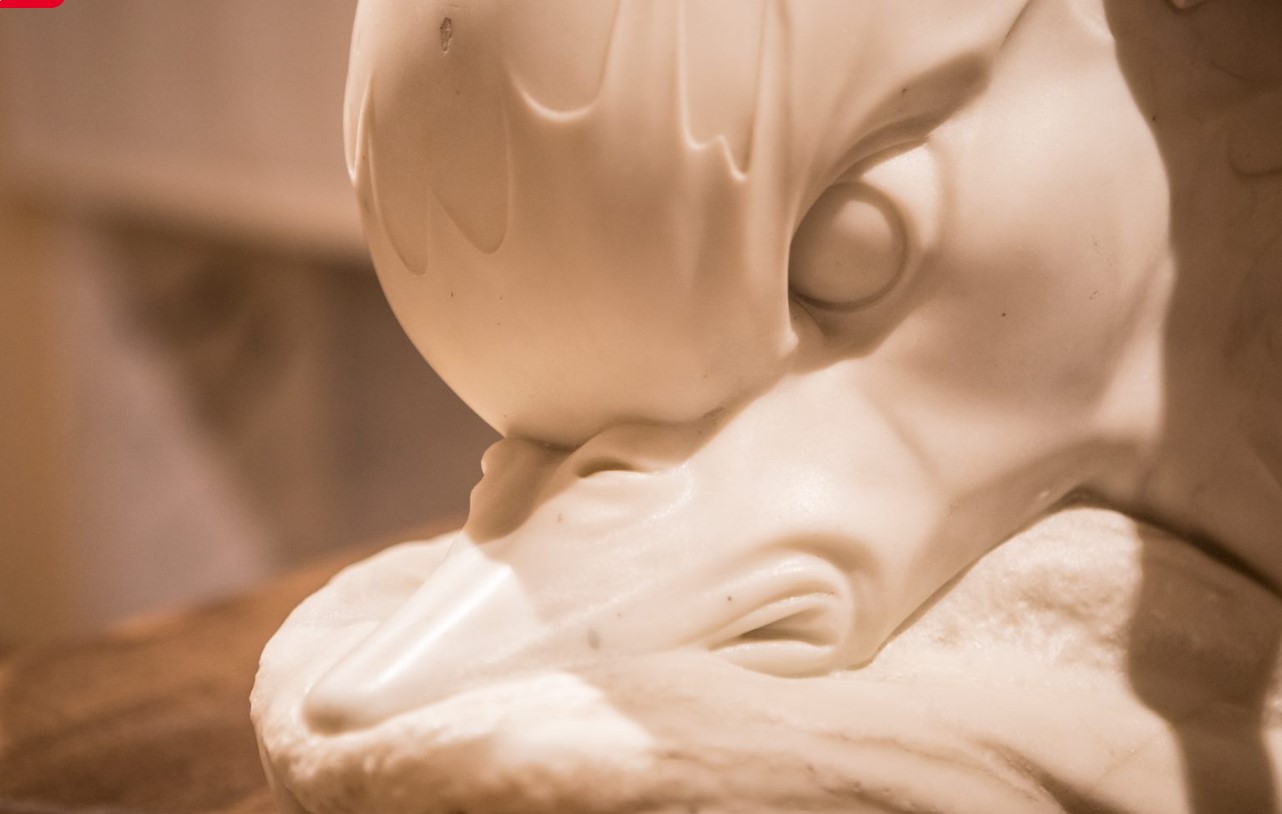
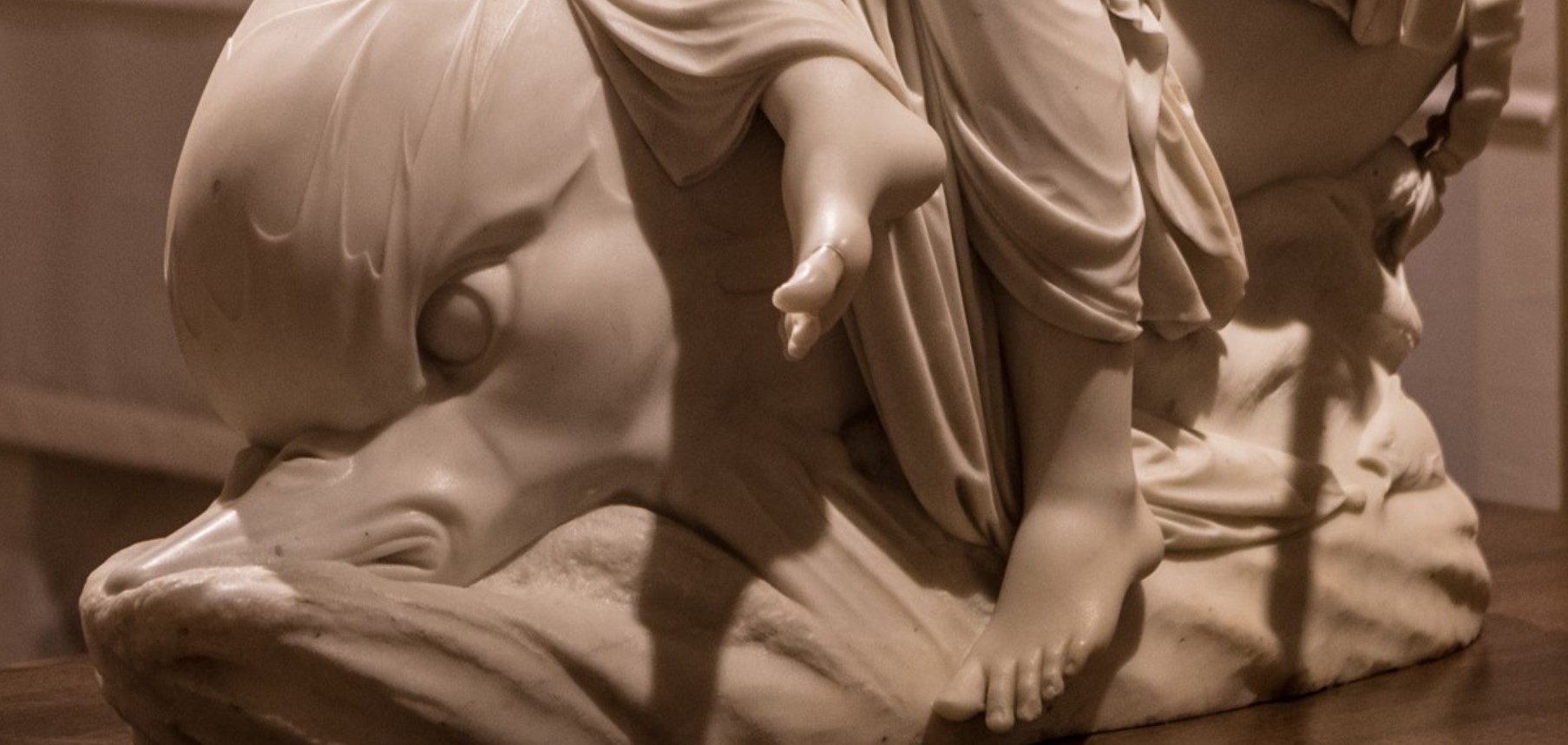
Lo scultore volle scolpirla mentre a cavalcioni di un delfino porta al figlio Achille le armi invincibili appena forgiate da Efesto, dio del fuoco.
Con quell’equipaggiamento affronterà la guerra di Troia ma verrà ucciso da Paride che lo colpì nel solo punto vulnerabile: il tallone.
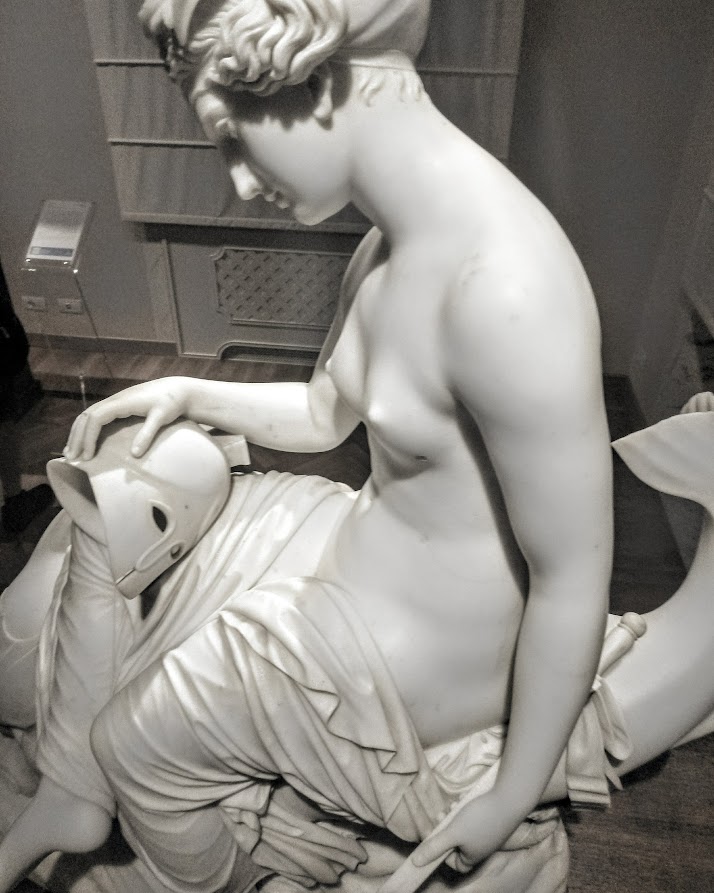
Se osservate bene l’atteggiamento di Teti, non vi sfuggirà il fatto che Wolff volle mostrare tutto il suo turbamento e dolore profondo nella cosapevolezza della fine che farà il figlio Achille. Era stato l’indovino Calcante a raccontargli della morte che avrebbe fatto a Troia.
La donna aveva tentato di non farlo coinvolgere in quella battaglia ma senza ottenere alcun risultato.
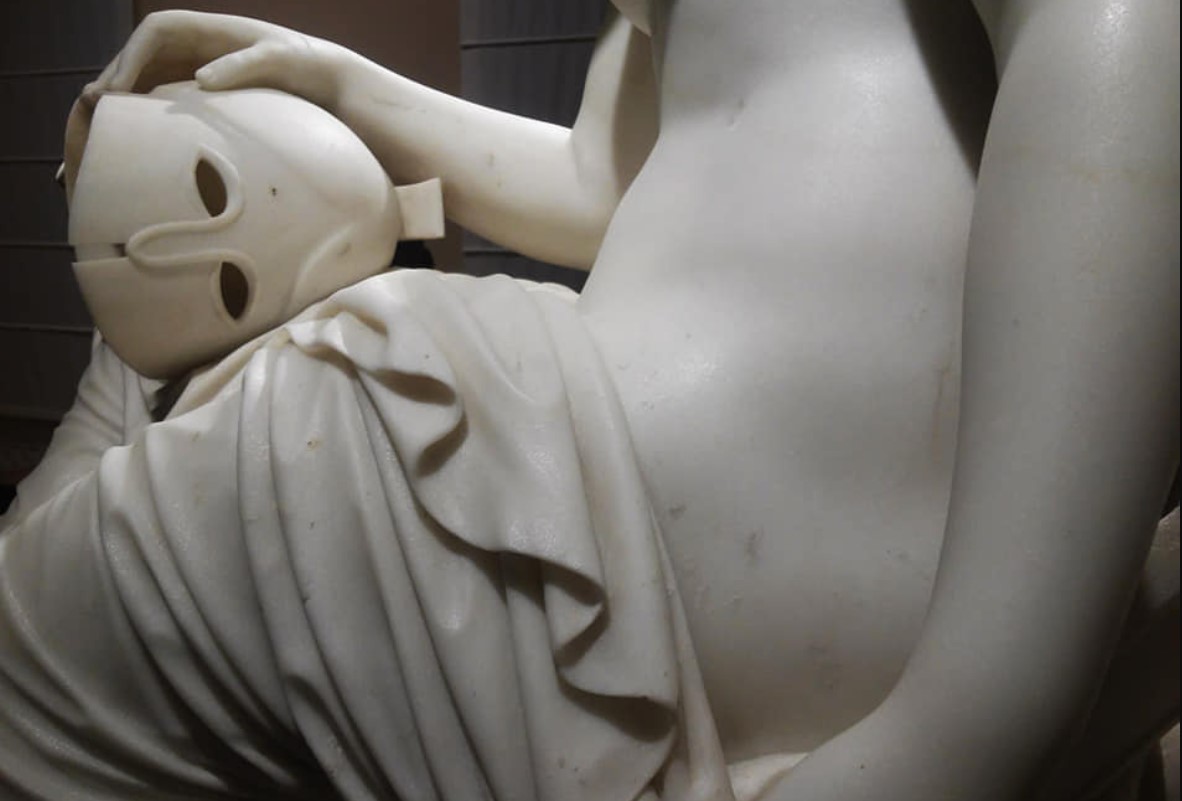
Teti ha lo sguardo fisso sull’elmo che sfiora con le dita della mano destra mentre nell’altra mano tiene saldamente la spada non dalla parte dell’impugnatura ma da quella della lama, protetta dal fodero.
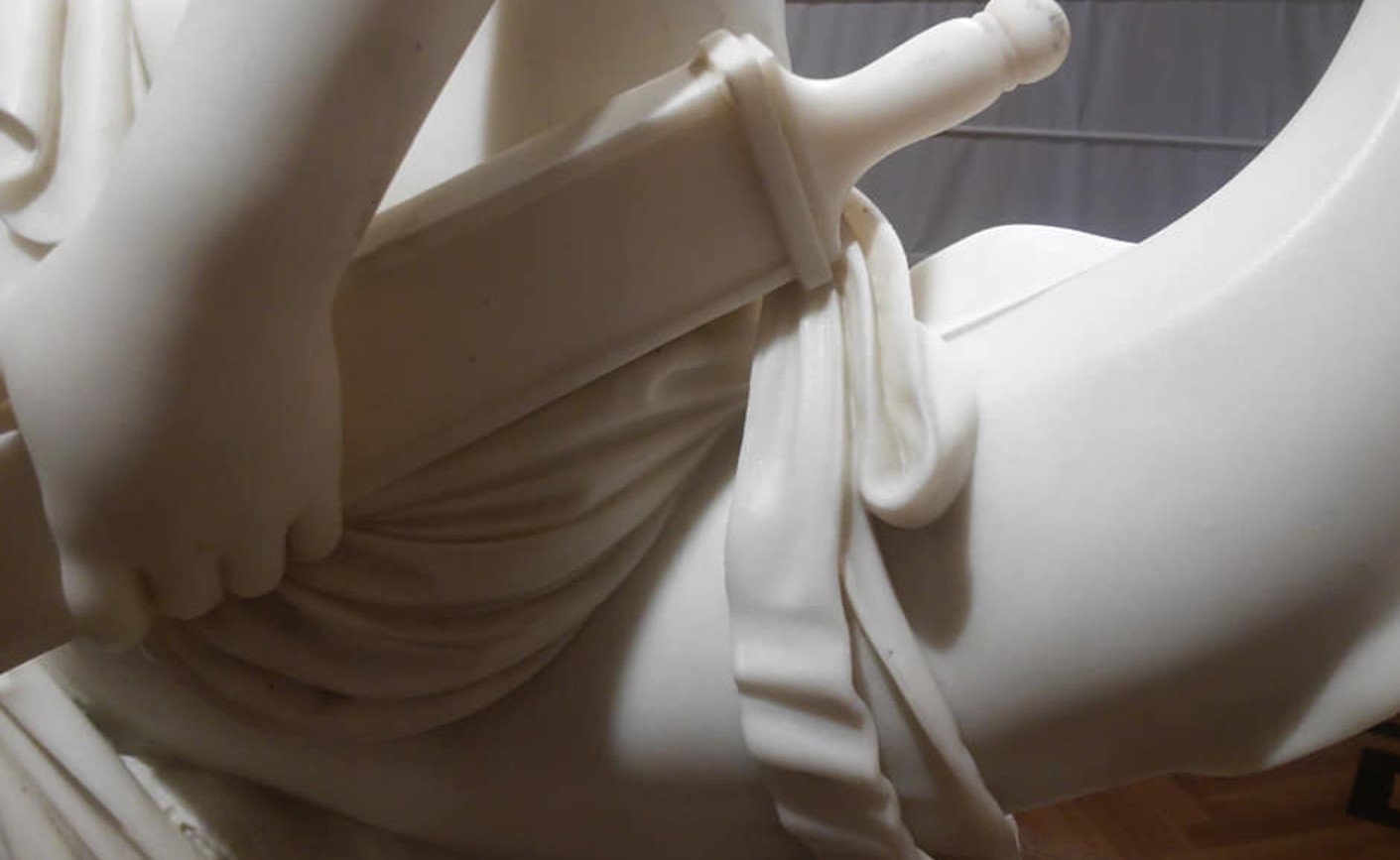
Tiene stretta la spada per evitare che durante la sua cavalcata a dorso di delfino per raggiungere il figlio a Troia possa caderle in acqua.
La scultura appartiene all’Hermitage Museum di San Pietroburgo.
Per il momento il vostro Michelangelo Buonarroti vi saluta dandovi appuntamento ai prossimi post e sui social.
Sculpture of the day: Thetis with Achilles’ weapons by Emil Wolff
The sculpture of the day that I propose to you today is Thetis with the weapons of Achilles created by the German sculptor Emil Wolff in 1838.
Emil Wolff was born in Berlin in 1802 and studied sculpture starting in 1815 at the Prussian Academy of Arts in his city. He managed to win a prestigious scholarship that allowed him to go to study in Rome under the careful guidance of Bertel Thorvaldsen.
He arrived in the eternal city in 1822, the year of Canova’s death, and was so fascinated by the ancient art and the wonders sculpted by those who preceded him, that he never wanted to leave. Years later, in 1874, he became the president of the prestigious Accademia di San Luca.
To sculpt Thetis with the weapons of Achilles he was inspired by a relief present on an ancient Roman sarcophagus from the 2nd century AD. The Nereids with the weapons of Achilles had been sculpted on that marble centuries earlier and he was particularly struck by the nereid Thetis, nymph of sea and mother of Achill
The sculptor wanted to sculpt her while astride a dolphin brings her son Achilles the invincible weapons just forged by Hephaestus, god of fire.
With that equipment he will face the Trojan War but will be killed by Paris who hit him in the only vulnerable point: the heel.
If you look carefully at Thetis’ attitude, you will not miss the fact that Wolff wanted to show all his deep confusion and pain in the knowledge of the end that his son Achilles will end up with. It was the soothsayer Calchas who told him about his death in Troy.
The woman had tried not to get him involved in that battle but to no avail.
Thetis has her gaze fixed on the helmet which she touches with the fingers of her right hand while in her other hand she holds the sword firmly not on the hilt side but on that of the blade, protected by the scabbard.
She holds the sword tightly to prevent it from falling into the water during her ride on the back of a dolphin to reach her son in Troy.
The sculpture belongs to the Hermitage Museum in St. Petersburg.
For the moment, your Michelangelo Buonarroti greets you and will meet you in future posts and on social media.

Sostienici – Support Us
Se questo blog ti piace e ti appassiona, puoi aiutarci a farlo crescere sempre più sostenendoci in modo concreto condividendo i post, seguendo le pagine social e con un contributo che ci aiuta ad andare avanti con il nostro lavoro di divulgazione. . ENGLISH: If you like and are passionate about this blog, you can help us make it grow more and more by supporting us in a concrete way by sharing posts, following social pages and with a contribution that helps us to move forward with our dissemination work.
8,00 €
-
Pietrasanta: un museo per Fernando Botero
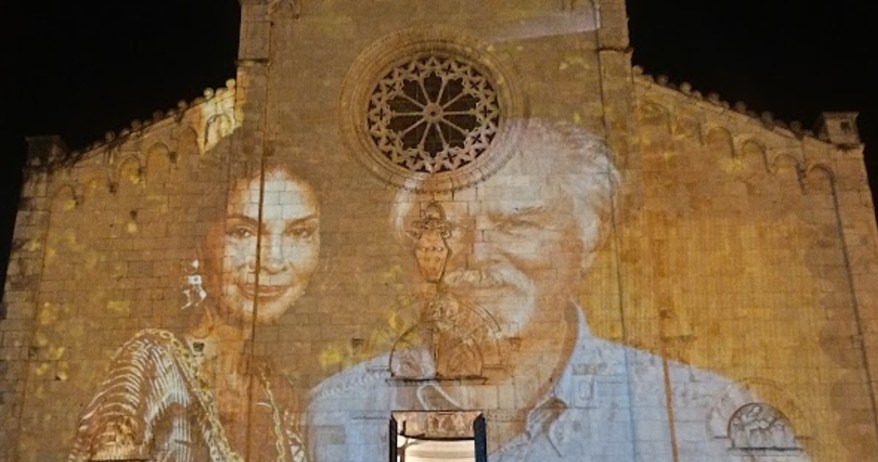
🇮🇹Pietrasanta prepara un museo dedicato a Fernando Botero con circa 90 bozzetti a Palazzo Panichi. Il legame con la città che lo nominò cittadino onorario nel 2001… 🇬🇧Pietrasanta is preparing a museum dedicated to Fernando Botero, featuring around 90 sketches at Palazzo Panichi. This reflects his connection to the city, which named him an honorary…
-
Il ritratto enigmatico di Petrus Christus
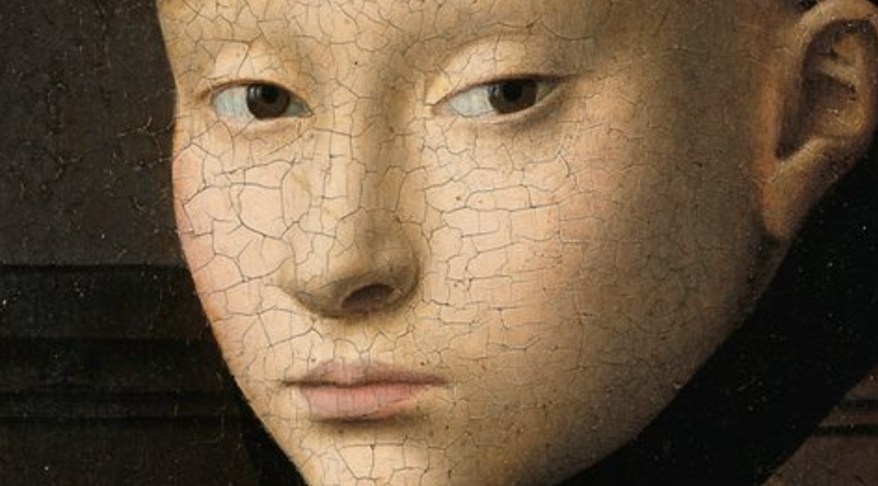
🇮🇹Chi è la giovane ritratta da Petrus Christus? Un volto misterioso, abiti preziosi e la luce del capolavoro fiammingo del 1470… 🇬🇧Who is the young woman portrayed by Petrus Christus? A mysterious face, exquisite attire, and the light of a Flemish masterpiece from 1470…
-
Pentagono, danneggiato il mappamondo legato a Eisenhower: era destinato all’ufficio di Hegseth
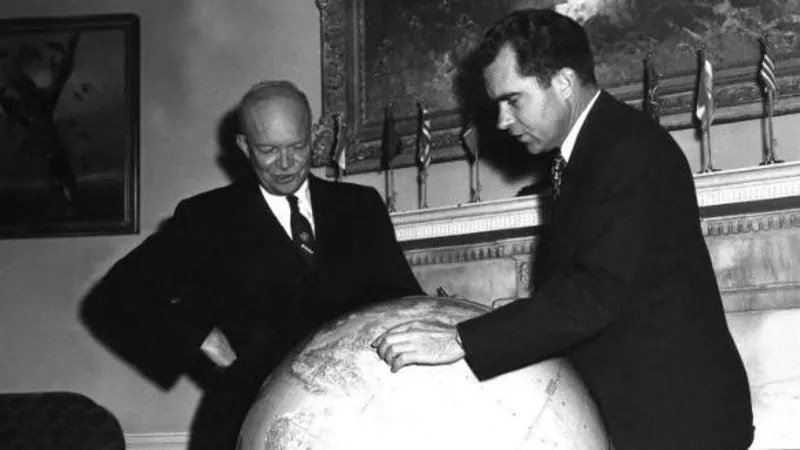
🇮🇹Il mappamondo di Eisenhower, cimelio della Seconda guerra mondiale conservato al Pentagono, è stato danneggiato durante un tentativo di trasferimento nell’ufficio di Pete Hegseth… 🇬🇧Eisenhower’s globe, a World War II relic kept at the Pentagon, was damaged during an attempt to move it to Pete Hegseth’s office…
Condividi:


Questo sono io




sostienici

Sostienici – Support Us
Se questo blog ti piace e ti appassiona, puoi aiutarci a farlo crescere sempre più sostenendoci in modo concreto condividendo i post, seguendo le pagine social e con un contributo che ci aiuta ad andare avanti con il nostro lavoro di divulgazione. . ENGLISH: If you like and are passionate about this blog, you can help us make it grow more and more by supporting us in a concrete way by sharing posts, following social pages and with a contribution that helps us to move forward with our dissemination work.
€10,00


L’arte dell’800 è incredibilmente bella e raffinata, purtroppo è anche (in buona parte)misconosciuta e sottovalutata. Molti di questi artisti hanno avuto la sfortuna di operare pochi decenni prima dell’avvento delle avanguardie e del cambio di gusto generalizzato in Europa( “neoclassico” divenne un insulto…). Lodi a questo sito, che sta avviando(oltre a presentare anche sculture più conosciute o di altri secoli)una bella opera di riscoperta.
"Mi piace"Piace a 1 persona
Grazie di cuore ❤️
"Mi piace""Mi piace"