

Il Prigione che si risveglia
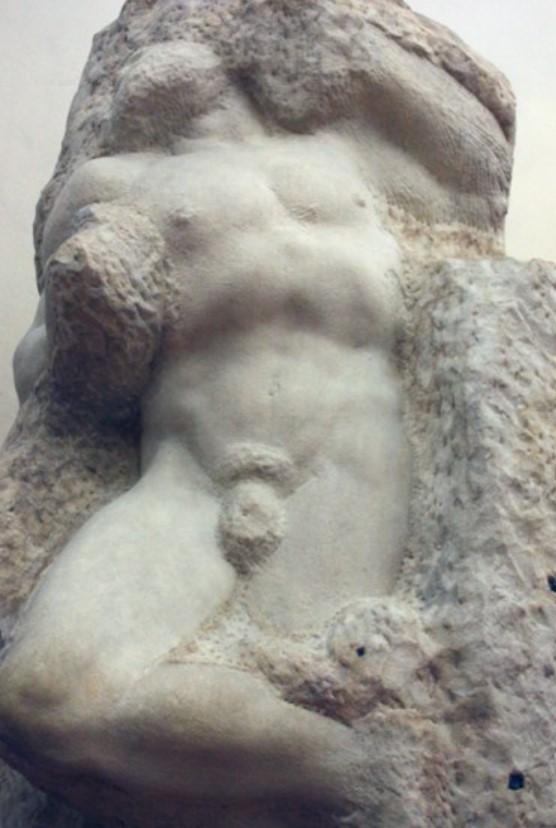
Il Prigione che si ridesta leva il braccio sinistro verso l’alto assumendo una posizione inclinata all’indietro. Rende l’idea di un uomo barbuto che si stia svegliando dal torpore della non conoscenza che lo ha tenuto intrappolato fino al momento.
La figura è in tensione e sembra volersi liberare dal blocco di marmo che ancora la trattiene. Se osservate bene l’opera vi renderete conto che è scolpita sullo spigolo del blocco.
Era destinato infatti ad avere una posizione angolare nella tomba di Giulio II della Rovere.
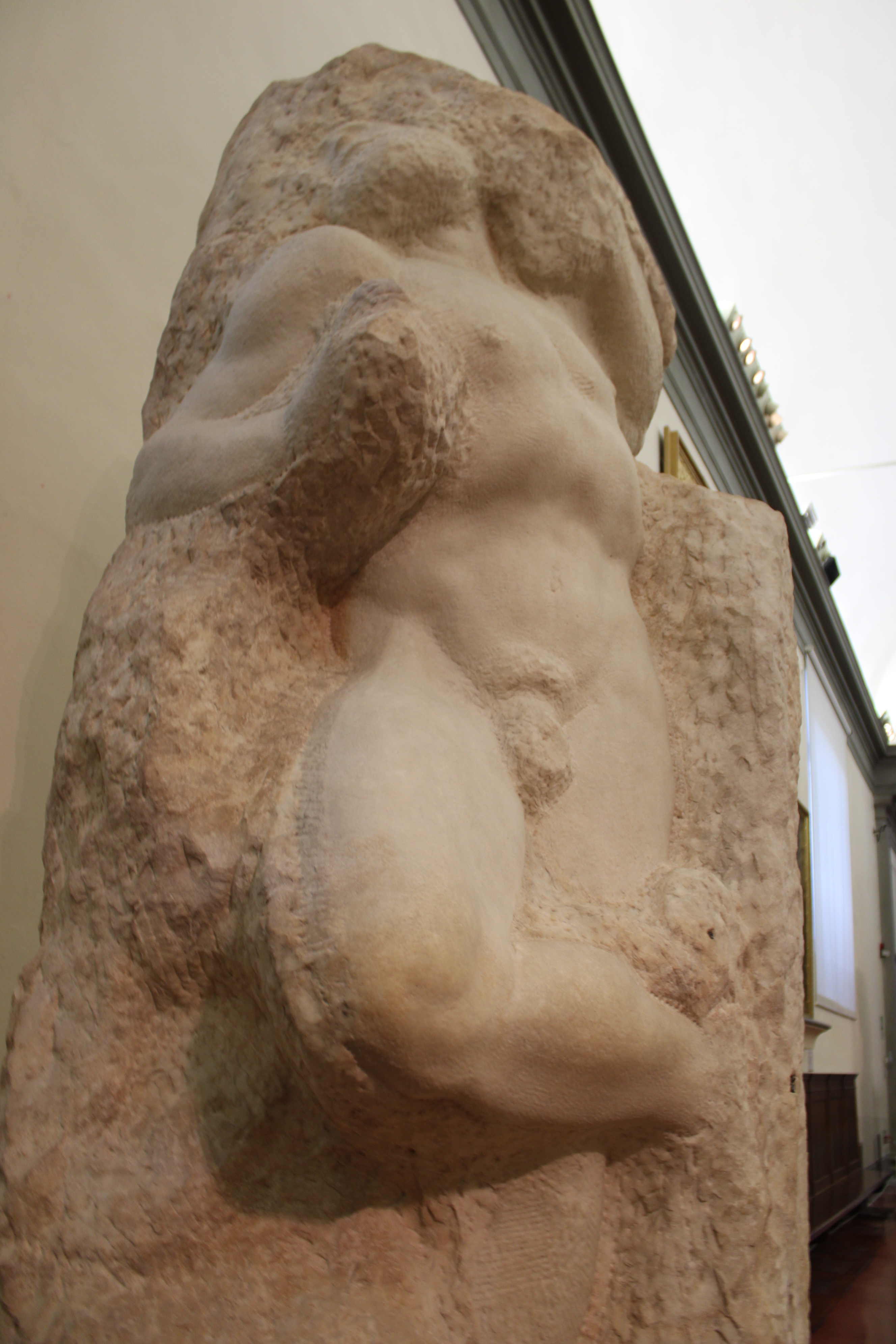
Il Prigione che si risveglia è uno dei quattro schiavi disposti lungo il corridoio che conduce alla tribuna del David, nella Galleria dell’Accademia.
Il Bonsanti scrisse in merito alla posa della scultura in questione: “lotta violentemente contro il sonno per raggiungere la consapevolezza“.
Il sonno alla fine dei conti può avere differenti letture: il Prigione lo raffigurai durante una fase di non conoscenza oppure, al contrario, tentò di cedere alle braccia di Morfeo per sottrarsi a un incombente tragedia? Entrambe le interpretazioni sono plausibili.
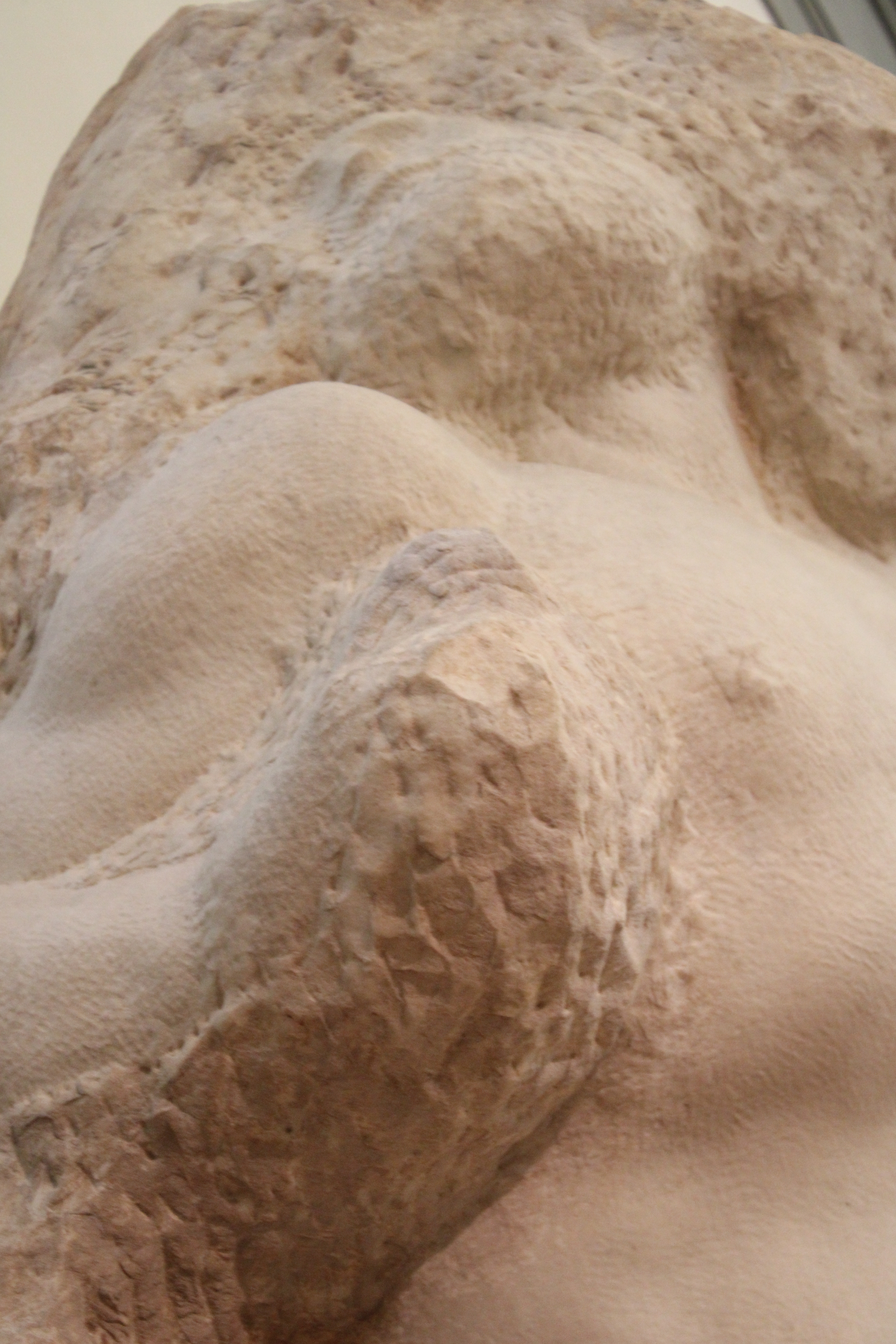
I Prigioni bisogna osservarli tenendo presente l’ottica con la quale li avevo ideati: la raffigurazione della rovina dei saperi del mondo con la morte del pontefice.
Il Prigione che si Ridesta si trovava nel mio studio fiorentino di via Mozza quando lasciai la città definitivamente alla volta di Roma, nel 1534. Dopo la morte, il mi nipote Lionardo fu costretto a cedere quest’opera, assieme agli altri tre prigioni di Firenze e alla Vittoria, al duca Cosimo de’ Medici.
Per il momento il vostro Michelangelo Buonarroti vi saluta dandovi appuntamento ai prossimi post e sui social.
The Prison that awakens
The awakening Prisoner raises his left arm upwards assuming a backwards leaning position. He gives the impression of a bearded man who is waking up from the torpor of ignorance that has kept him trapped until now.
The figure is tense and seems to want to free itself from the block of marble that still holds it. If you look closely at the work you will realize that it is carved on the corner of the block. In fact, it was destined to have a corner position in the tomb of Julius II della Rovere.
The prisoner who awakens is one of the four slaves arranged along the corridor leading to the David tribune, in the Accademia Gallery.
Bonsanti wrote regarding the pose of the sculpture in question: “it violently fights against sleep to reach awareness”. Ultimately, sleep can have different readings: did I depict the Prisoner during a phase of not knowing or, on the contrary, did he try to give in to the arms of Morpheus to escape an impending tragedy? Both interpretations are plausible.
The Prisoners must be observed keeping in mind the perspective with which I had conceived them: the representation of the ruin of the world’s knowledge with the death of the pontiff.
The Awakening Prison was in my Florentine studio in via Mozza when I left the city definitively for Rome in 1534. After my death, my nephew Lionardo was forced to give up this work, together with the other three prisons of Florence and to Vittoria, to Duke Cosimo de’ Medici.
For the moment, your Michelangelo Buonarroti greets you and will meet you in future posts and on social media.

Sostienici – Support Us
Se questo blog ti piace e ti appassiona, puoi aiutarci a farlo crescere sempre più sostenendoci in modo concreto condividendo i post, seguendo le pagine social e con un contributo che ci aiuta ad andare avanti con il nostro lavoro di divulgazione. . ENGLISH: If you like and are passionate about this blog, you can help us make it grow more and more by supporting us in a concrete way by sharing posts, following social pages and with a contribution that helps us to move forward with our dissemination work.
8,00 €
-
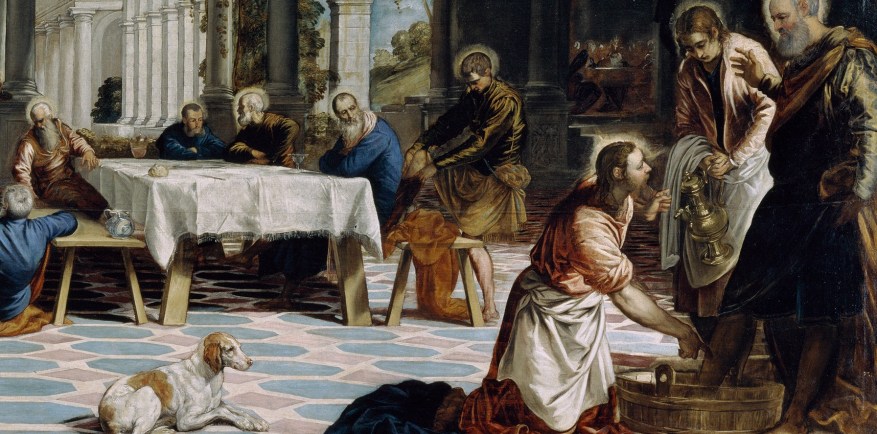
La Lavanda dei Piedi di Tintoretto: Il Capolavoro Veneziano al Prado
🇮🇹Tra i capolavori più affascinanti del Rinascimento veneziano, “La Lavanda dei Piedi” di Jacopo Tintoretto rappresenta un perfetto equilibrio tra spiritualità, innovazione compositiva e straordinaria forza narrativa… 🇬🇧Among the most fascinating masterpieces of the Venetian Renaissance, Jacopo Tintoretto’s “The Washing of the Feet” represents a perfect balance between spirituality, compositional innovation, and extraordinary narrative force…
-
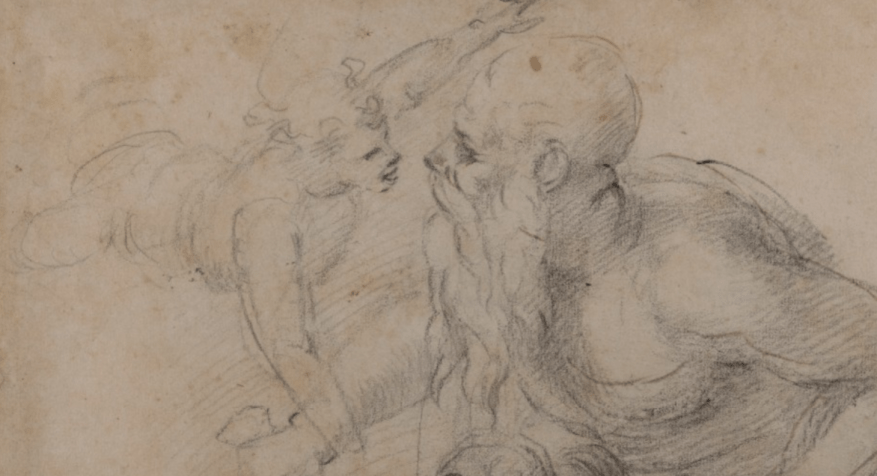
Il Sacrificio di Isacco e quel momento tra la vita e la morte
🇮🇹Oggi voglio raccontarvi alcuni dettagli sul mio disegno del Sacrificio di Isacco, conservato oggi a Casa Buonarroti. Su quel foglio volli tracciare il momento preciso in cui la paura fa spazio al miracolo… 🇬🇧Today I want to tell you some details about my drawing of the Sacrifice of Isaac, now preserved at Casa Buonarroti. On…
-
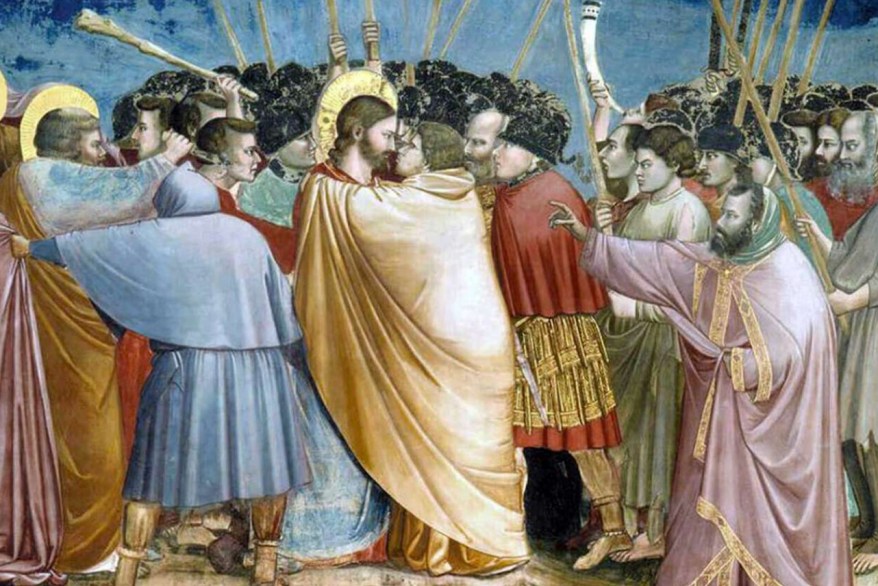
Mercoledì Santo: il giorno del tradimento di Giuda affrescato da Giotto
🇮🇹Il Mercoledì Santo è il giorno del silenzio, della riflessione e del tradimento. È il momento in cui Giuda sceglie di vendere Gesù per trenta denari, segnando uno dei passaggi più dolorosi della Settimana Santa…. 🇬🇧Holy Wednesday is a day of silence, reflection, and betrayal. ✝It is the moment when Judas chooses to sell Jesus…
Condividi:


Questo sono io





sostienici

Sostienici – Support Us
Se questo blog ti piace e ti appassiona, puoi aiutarci a farlo crescere sempre più sostenendoci in modo concreto condividendo i post, seguendo le pagine social e con un contributo che ci aiuta ad andare avanti con il nostro lavoro di divulgazione. . ENGLISH: If you like and are passionate about this blog, you can help us make it grow more and more by supporting us in a concrete way by sharing posts, following social pages and with a contribution that helps us to move forward with our dissemination work.
€10,00


1 commento »