
Le mie rime: un po’ di chiarezza sull’edizione seicentesca e quella attuale
Amavo scrivere componimenti poetici e con poche parole ero capace di mettere nero su bianco i sentimenti che m’attraversavano l’animo, momento dopo momento.
Quando ancora ero in vita, alcuni dei miei versi erano noti solo dalle persone a me più vicine come il Varchi, il Vasari, Giannotti, il mio amato Tommaso de’ Cavalieri e Vittoria Colonna. Non erano a conoscenza tutti i versi che poi vennero dati alle stampe ma solo le liriche che avevo fatto leggere direttamente a loro oppure quelle che avevano ottenuto tramite copisti.

M’ero preso la briga di scrivere alcune liriche in bella grafia su fogli esclusivamente dedicati allo scopo mentre altre le avevo annotate rapidamente su fogli manoscritti che comprendevano disegni e appunti vari.
Non ebbi mai modo di vedere in vita la stampa completa di tutti i versi ma nemmeno un libretto che ne riportasse solo alcuni.
Solo nel 1623 i miei componimenti furono dati alle stampe o oramai ero morto e sepolto da lungi. Chissà se da vivo avrei mai permesso fosser pubblicate. Fu il mio pronipote Michelangelo Buonarroti il Giovane a occuparsene e riuscì a mettere assieme 137 versi.
Purtroppo si prese la briga di metter mano a diversi componimenti aggiustando metriche, lacune e contraffacendo alcuni versi affinchè suonassero meno scandalosi ai suoi contemporanei. Insomma, quei componimenti cinquecenteschi acquisirono un gusto seicentesco che non gli apparteneva.
«Rime di Michelagnolo Buonarroti, Raccolte da Michelagnolo suo nipote, in Firenze, appresso i Giunti, con licenza de’ superiori, MdCXXiii»: questo fu il titolo con il quale il libro fu dato alle stampe.
La raccolta rimase invariata per due secoli buoni e quindi, chi leggeva i miei componimenti fino ad allora, si trovava a fare i conti con una versione alterata di ciò che io avevo scritto.
Le rime che potete leggere oggi invece sono il frutto di un intenso lavoro di ricostruzione filologica che fu fatto nel 1960 dal Girardi, seguendo un lavoro che era già stato cominciato nell’Ottocento dal Frey, Grimm e Guasti.

I componimenti poetici iniziali sono considerati versi della giovinezza mentre quelli finali sono quelli attribuiti alla vecchiaia. I versi che si trovano in mezzo sono i più numerosi e sono direttamente collegati al mio periodo romano che ebbe inizio nel settembre del 1534.
Sempre Girardi suddivise in modo arbitrario i versi in quattro gruppi assai generici: le poesie riconducibili al fotte legame che ebbi con Tommaso de’ Cavalieri, quelle dedicate a Vittoria Colonna, i componimenti dedicati a un’indefinita donna bella e crudele e un ultimo gruppo molto più personale dedicato alla confessione privata.
Insomma, quando vi apprestate a leggere i miei versi, tenete in conto di queste considerazioni.
In totale la pubblicazione delle mie poesie che potete trovare adesso è formata da 302 componimenti poetici fra ultimati e non finiti, scritti fra il 1503 e il 1560 e nell’edizione critica vengono aggiunti in calce anche 42 frammenti.
Fra i componimenti ultimati sono riconoscibili 80 sonetti, un centinaio di madrigali, 4 capitoli interza rima, 2 sestine e ben 50 epitaffi composti per la morte di Cecchino Bracci
Per il momento il vostro Michelangelo buonarroti vi saluta dandovi appuntamento ai prossimi post e sui social.

My rhymes: a little clarity on the seventeenth-century edition and the current one
I loved writing poetic compositions and with just a few words I was able to put down on paper the feelings that ran through my soul, moment after moment.
When I was still alive, some of my verses were known only by the people closest to me such as Varchi, Vasari, Giannotti, my beloved Tommaso de’ Cavalieri and Vittoria Colonna. They were not aware of all the verses that were then printed but only the lyrics that I had them read directly or those that they had obtained through copyists.
I had taken the trouble to write some lyrics in beautiful handwriting on sheets exclusively dedicated to the purpose, while others I had quickly jotted down on manuscript sheets that included drawings and various notes.
I never had the opportunity to see the complete print of all the verses in life, nor a booklet that reported only some of them.
Only in 1623 were my compositions published or by then I was dead and buried far away. Who knows if I would have ever allowed them to be published when I was alive. It was my great-grandson Michelangelo Buonarroti the Younger who took care of it and managed to put together 137 verses.
Unfortunately he took the trouble to write several compositions, adjusting metrics, gaps and counterfeiting some verses so that they sounded less scandalous to his contemporaries. In short, those sixteenth-century compositions acquired a seventeenth-century flavor that did not belong to them.
«Rime di Michelagnolo Buonarroti, Collected by Michelagnolo’s nephew, in Florence, near the Giunti family, with permission of the superiors, MdCXXiii »: this was the title with which the book was published.
The collection remained unchanged for a good two centuries and therefore, those who read my compositions until then found themselves dealing with an altered version of what I had written.
The rhymes that you can read today, however, are the result of an intense work of philological reconstruction that was carried out in 1960 by Girardi, following a work that had already been begun in the nineteenth century by Frey, Grimm and Guasti.
The initial poems are considered verses of youth while the final ones are those attributed to old age. The verses found in the middle are the most numerous and are directly connected to my Roman period which began in September 1534.
Girardi again arbitrarily divided the verses into four very generic groups: the poems attributable to the fucking bond I had with Tommaso de’ Cavalieri, those dedicated to Vittoria Colonna, the poems dedicated to an indefinite beautiful and cruel woman and a last group very more staff dedicated to private confession.
In short, when you prepare to read my verses, take these considerations into account.
In total, the publication of my poems that you can find now is made up of 302 completed and unfinished poetic compositions, written between 1503 and 1560 and in the critical edition 42 fragments are also added at the bottom.
Among the completed compositions there are 80 sonnets, a hundred madrigals, 4 interza rima chapters, 2 sestinas and 50 epitaphs composed for the death of Cecchino Bracci
For the moment, your Michelangelo Buonarroti greets you and will meet you in future posts and on social media.

Sostienici – Support Us
Se questo blog ti piace e ti appassiona, puoi aiutarci a farlo crescere sempre più sostenendoci in modo concreto condividendo i post, seguendo le pagine social e con un contributo che ci aiuta ad andare avanti con il nostro lavoro di divulgazione. . ENGLISH: If you like and are passionate about this blog, you can help us make it grow more and more by supporting us in a concrete way by sharing posts, following social pages and with a contribution that helps us to move forward with our dissemination work.
8,00 €
-
31 marzo 1889: inaugurata la Torre Eiffel tra critiche feroci e un destino inaspettato
🇮🇹Il 31 marzo 1889 segna una data destinata a cambiare per sempre il volto di Parigi e dell’immaginario collettivo globale: viene inaugurata la Torre Eiffel, l’opera più audace e discussa del suo tempo… 🇬🇧March 31, 1889 marks a date destined to change the face of Paris and the global collective imagination forever: the Eiffel Tower,…
-
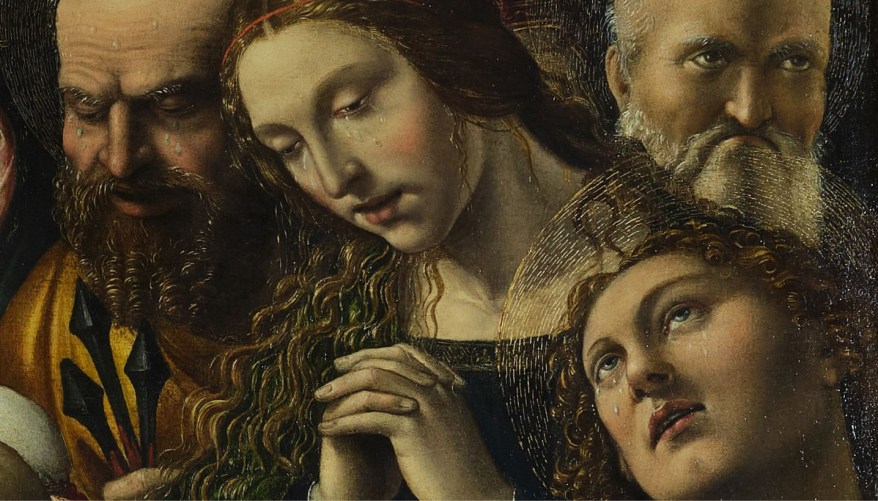
Sodoma in mostra a Torino: il Rinascimento al Museo Accorsi-Ometto
🇮🇹Al Museo di Arti Decorative Accorsi-Ometto arriva una mostra dedicata al Sodoma: oltre 50 opere, alcune mai viste prima, raccontano la formazione dell’artista e il suo dialogo con maestri come Pinturicchio… 🇬🇧An exhibition dedicated to Sodoma arrives at the Accorsi-Ometto Museum of Decorative Arts: over 50 works, some never before seen, recount the artist’s development…
-
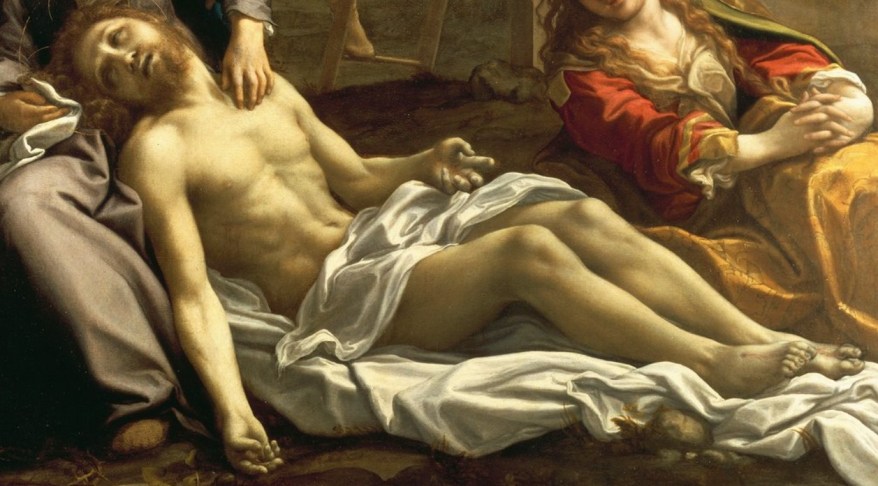
Il Compianto sul Cristo morto di Correggio: pathos e devozione
🇮🇹Con l’inizio della Settimana Santa, vi propongo il Compianto sul Cristo morto di Antonio Allegri, più noto come il Correggio: uno dei vertici assoluti della pittura emiliana del Cinquecento… 🇬🇧With the beginning of Holy Week, I propose the Lamentation over the Dead Christ by Antonio Allegri, better known as Correggio: one of the absolute peaks…
Condividi:


Questo sono io





sostienici

Sostienici – Support Us
Se questo blog ti piace e ti appassiona, puoi aiutarci a farlo crescere sempre più sostenendoci in modo concreto condividendo i post, seguendo le pagine social e con un contributo che ci aiuta ad andare avanti con il nostro lavoro di divulgazione. . ENGLISH: If you like and are passionate about this blog, you can help us make it grow more and more by supporting us in a concrete way by sharing posts, following social pages and with a contribution that helps us to move forward with our dissemination work.
€10,00


