
Quando Rubens studiò la mia Battaglia dei Centauri
Nell’ottobre del 1600 Rubens arrivò per la prima volta a Firenze e rimase affascinato dalle mie opere scultoree.
Ebbe modo di tornare in città anche nella nella primavera del 1503 e nelle due occasioni di viaggio non mancò di studiare a fondo il modellato delle sculture che preferiva, rivolgendo particolare attenzione alla Notte della Sagrestia Nuova, alla Madonna Medici e alla Battaglia dei Centauri.

Sono note ben due versioni di studi di Rubens relative all’intera composizione dell’altorilievo di Casa Buonarroti.
In particolare quello che vedete in foto fu realizzato dall’artista in gesso nero e lumeggiatura bianca su foglio grigio e appartiene al Museo Boymans Vanm Beunungen di Rotterdam.
L’altra versione appartiene rispettivamente alla Foundation Custodia di Parigi.
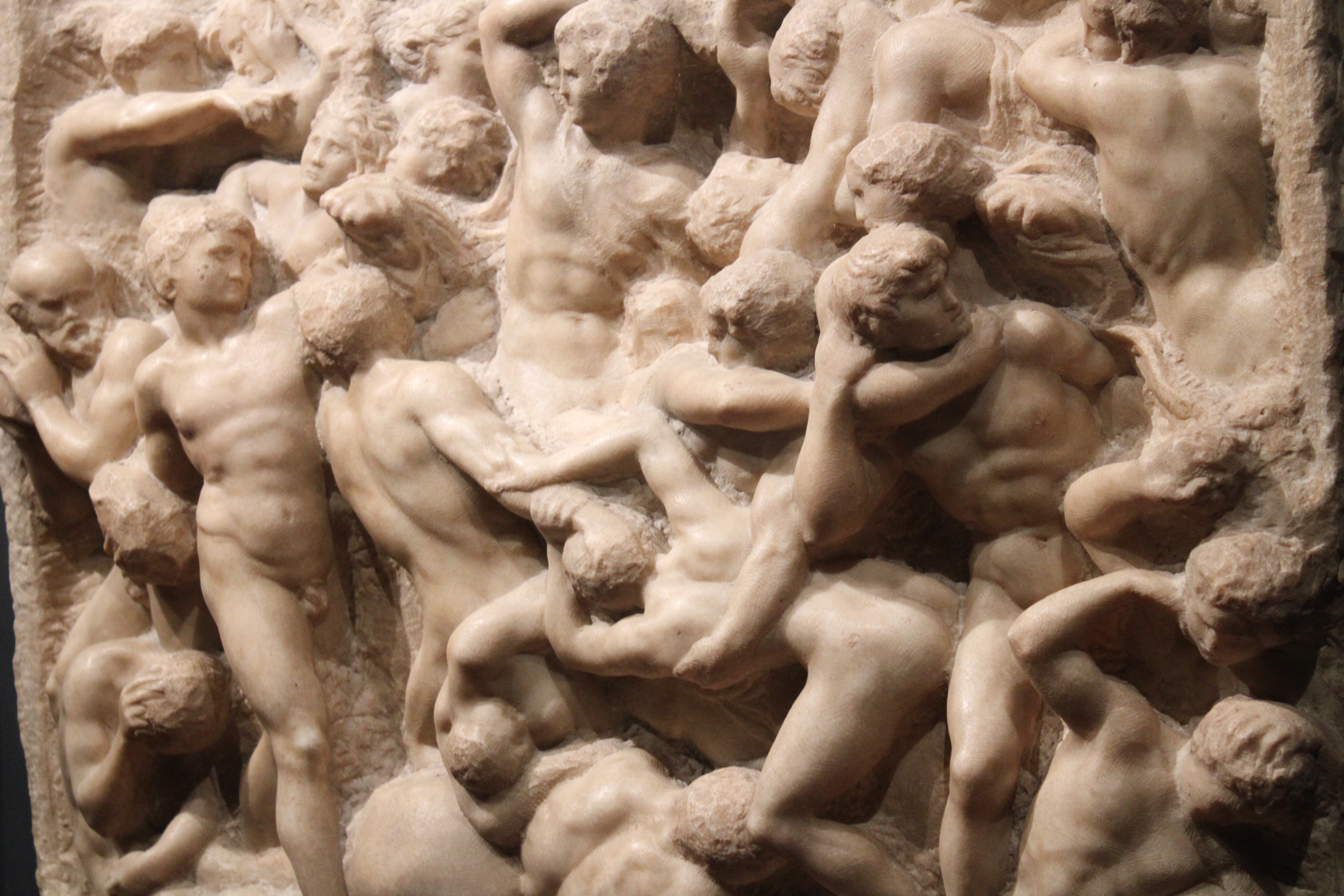
Nei disegno non c’è la presenza delle tracce lasciate dalle mie gradine. Evidentemente Rubens non ebbe l’intenzione evidentemente di riportare i differenti gradi di finitezza dell’opera.
Da parte sua invece c’è una chiara intenzione nello studiare le ombre che probabilmente furono rese ancora più marcate studiando la Battaglia dei Centauri al lume di una torcia posizionata a distanza ravvicinata.

D’altro canto la proiezione delle ombre effettuata in questo modo era di prassi tipica della bottega del Tintoretto e probabilmente Rubens ne venne a conoscenza durante la sua permanenza in quel di Venezia, avvenuta qualche mese prima di raggiungere Firenze.
Per il momento il vostro Michelangelo Buonarroti vi saluta dandovi appuntamento ai prossimi post e sui social.

When Rubens studied my Battle of the Centaurs
In October 1600 Rubens arrived in Florence for the first time and was fascinated by my sculptural works.
He also had the opportunity to return to the city in the spring of 1503 and on the two occasions of his trip he did not fail to study in depth the modeling of the sculptures he preferred, paying particular attention to the Night of the New Sacristy, the Medici Madonna and the Battle of the Centaurs.
Two versions of studies by Rubens relating to the entire composition of the high relief from the Buonarroti house are known. In particular, the one you see in the photo was created by the artist in black chalk and white highlighting on gray sheet and belongs to the Boymans Vanm Beunungen Museum in Rotterdam.
The other version belongs respectively to the Custody Foundation of Paris.
In the drawings there are no traces left by my steps and Rubens evidently did not intend to report the different degrees of finishing of the work.
On his part, however, there is a clear intention in studying the shadows which were probably made even more marked by studying the Battle of the Centaurs in the light of a torch positioned at close range.
On the other hand, the projection of shadows carried out in this way was a typical practice in Tintoretto’s workshop and Rubens probably learned about it during his stay in Venice, which took place a few months before reaching Florence.
For the moment, your Michelangelo Buonarroti greets you and will meet you in future posts and on social media.

Sostienici – Support Us
Se questo blog ti piace e ti appassiona, puoi aiutarci a farlo crescere sempre più sostenendoci in modo concreto condividendo i post, seguendo le pagine social e con un contributo che ci aiuta ad andare avanti con il nostro lavoro di divulgazione. . ENGLISH: If you like and are passionate about this blog, you can help us make it grow more and more by supporting us in a concrete way by sharing posts, following social pages and with a contribution that helps us to move forward with our dissemination work.
8,00 €
-
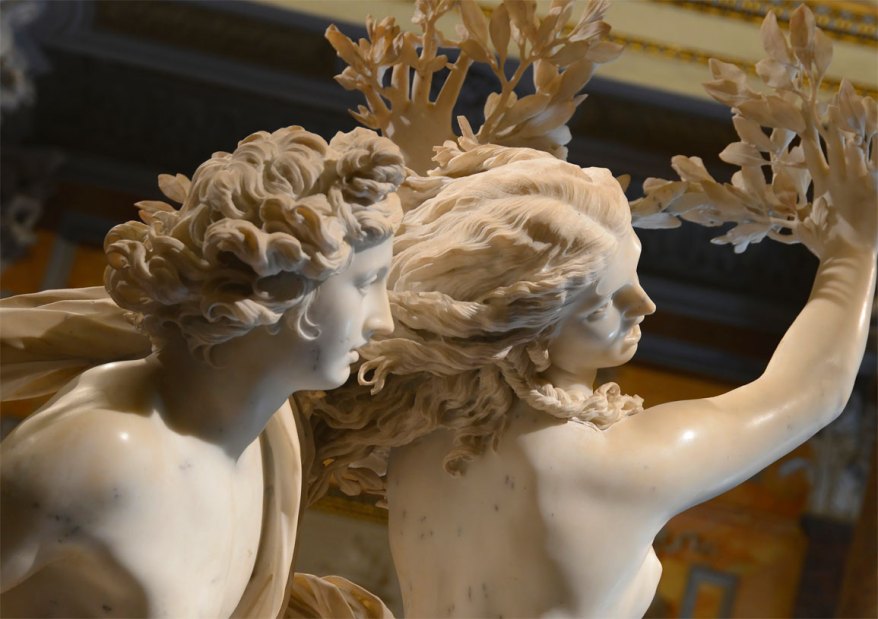
I giganti del Barocco: i grandi scultori del Seicento
🇮🇹Nel Seicento la scultura cambia per sempre. A Roma, Bernini, Algardi, Mochi e Maderno trasformano le sculture in scene capaci di coinvolgere lo sguardo e lasciare senza fiato… 🇬🇧In the seventeenth century, sculpture changed forever. In Rome, Bernini, Algardi, Mochi, and Maderno transformed sculptures into scenes capable of captivating the eye and leaving the viewer…
-
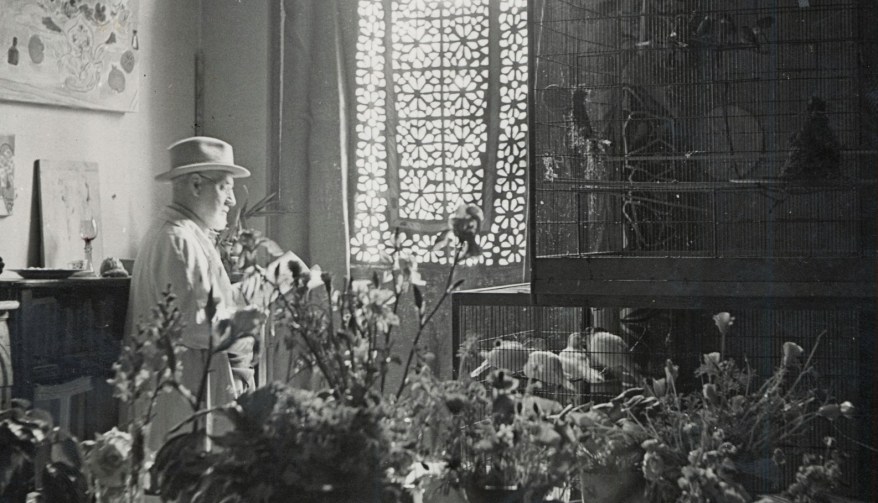
Matisse, il mondo intero dentro una stanza: al MUDEC la mostra che racconta la sua arte
🇮🇹’Matisse. Il mondo in una stanza’ al MUDEC di Milano racconta come Africa, Islam, Russia, Cina e Tahiti cambiarono l’arte di Henri Matisse… 🇬🇧’Matisse: The World in a Room’ at MUDEC in Milan tells the story of how Africa, Islam, Russia, China, and Tahiti transformed the art of Henri Matisse…
-
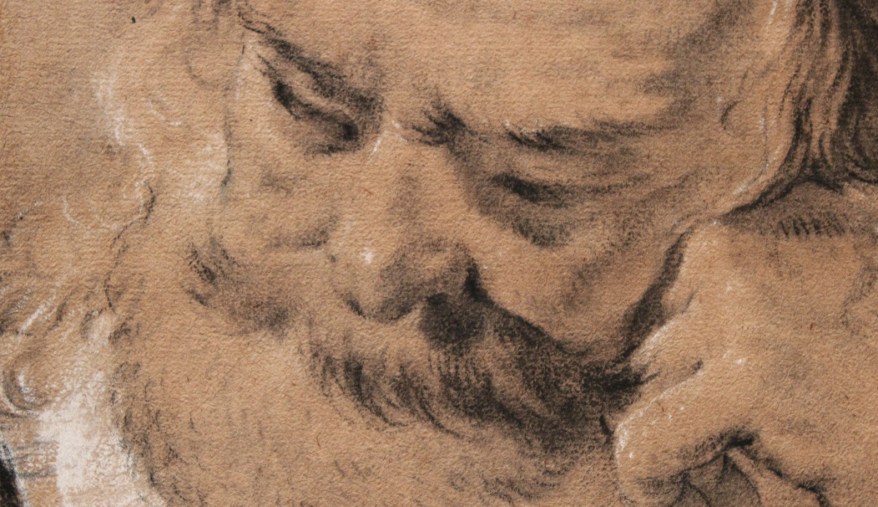
Giovanni Battista Piazzetta, il vecchio che sembra vivo: la poesia in un disegno
🇮🇹Una testa, una barba, due mani e una luce straordinaria: nella Testa di vecchio, Piazzetta trasforma gesso bianco e nero e carta bruna in un’immagine di incredibile intensità… 🇬🇧A head, a beard, two hands, and extraordinary light: in *Head of an Old Man*, Piazzetta transforms black and white chalk and brown paper into an image…
Condividi:


Questo sono io




sostienici

Sostienici – Support Us
Se questo blog ti piace e ti appassiona, puoi aiutarci a farlo crescere sempre più sostenendoci in modo concreto condividendo i post, seguendo le pagine social e con un contributo che ci aiuta ad andare avanti con il nostro lavoro di divulgazione. . ENGLISH: If you like and are passionate about this blog, you can help us make it grow more and more by supporting us in a concrete way by sharing posts, following social pages and with a contribution that helps us to move forward with our dissemination work.
€10,00


