
Il satiro ritratto di profilo
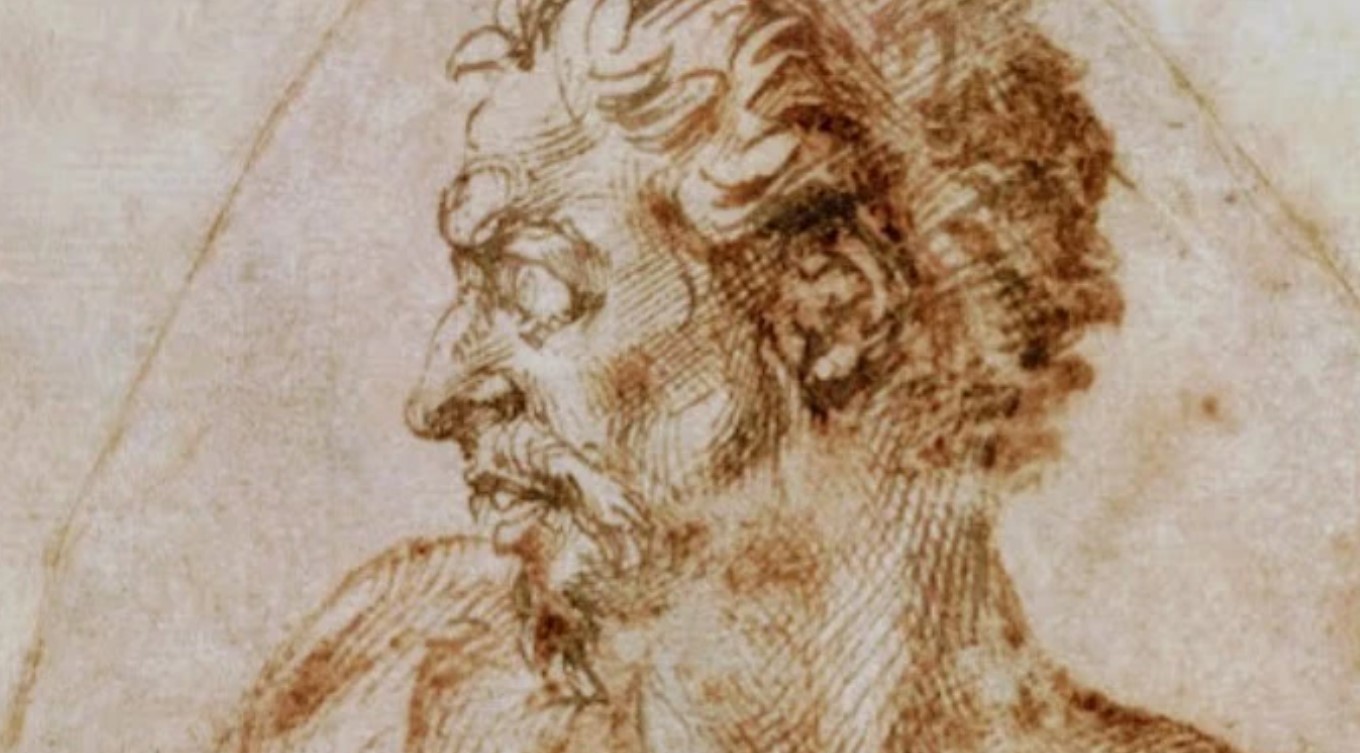
Il disegno che vi propongo è lo studio di un Satiro tracciato a penna che ha una peculiarità: porta a pensare sia lo studio per un busto scolpito.
La rappresentazione frontale delle spalle con il capo girato di profilo non fa pensare infatti a questo disegno come una parte rimasta di una figura intera: avrei sicuramente rappresentato l’intero in maniera più dinamica e articolata.
Il disegno suggerisce invece che abbia pensato di raffigurare un più semplice busto, con quell’impostazione che è tipica di quel tipo di rappresentazione.
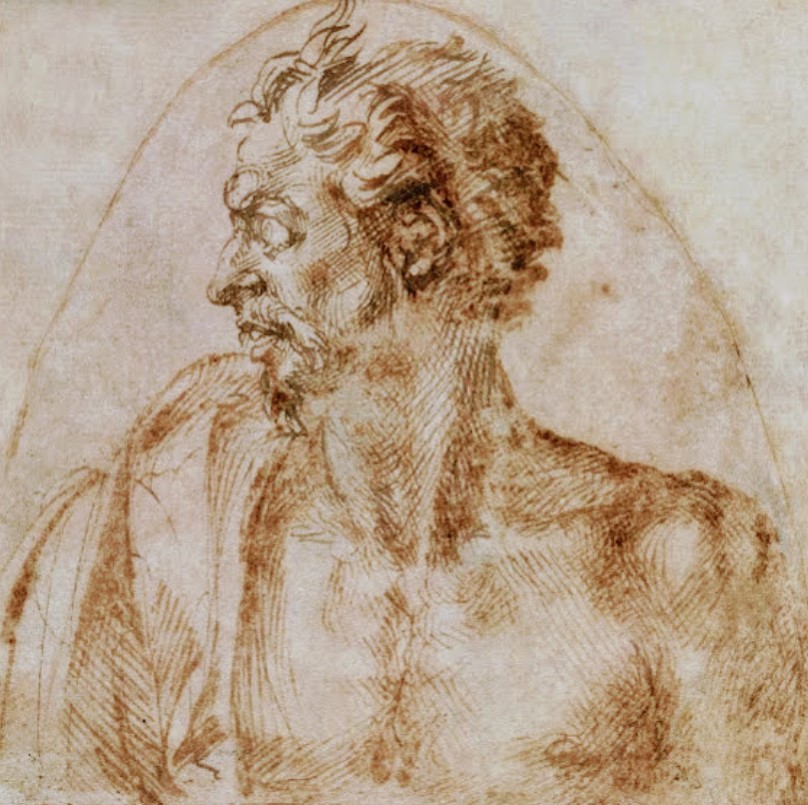
Potrei averlo concepito per un busto scolpito a tutto tondo o molto più probabilmente per un rilievo. Non è da escludere che abbia realizzato lo studio in questione per poi regalarlo a qualche amico affinché lo potesse tradurre in marmo.
Osservate con attenzione la testa di questo satiro: vi assomiglia a qualche altra opera mia?
Ebbene sì, ha una forte somiglianza con la scultura non finita del San Matteo che avevo iniziato a scolpire per l’Opera del Duomo di Firenze.
Non avevo certo studiato questa testa saturnina per il santo, con quei capelli scompigliati e la barba spelacchiata ma probabilmente successivamente scelsi di riadoperare la medesima impostazione.
Il disegno del Satiro appartiene oggi al British Museum di Londra e, dato lo stile che lo caratterizza, è da collocare temporalmente fra il 1501 e il 1503, ovvero nel periodo in cui ero tornato a Firenze dopo il primo soggiorno romano ed ero impegnato a scolpire il David.
Per il momento il vostro Michelangelo Buonarroti vi saluta dandovi appuntamento ai prossimi post e sui social.
The satyr portrayed in profile
The drawing that I propose to you is the study of a pen-drawn Satyr which has a peculiarity that leads us to think it is the study for a sculpted bust.
The frontal representation of the shoulders with the head turned in profile does not in fact suggest this drawing as a remaining part of a whole figure: I would certainly have represented the whole in a more dynamic and articulated way.
Instead, the drawing suggests that he thought of depicting a simpler bust, with that setting that is typical of that type of representation.
I may have conceived it for a sculpted bust in the round or much more probably for a relief. It cannot be excluded that he made the study in question and then gave it to some friends so that they could translate it into marble.
Look carefully at the head of this satyr: does it look like any other of my works?
Well yes, it bears a strong resemblance to the unfinished sculpture of San Matteo that I had begun to sculpt for the Opera del Duomo in Florence. I had certainly not studied this saturnine head for the saint, with that disheveled hair and mangy beard but probably later I chose to re-use the same approach for San Matteo.
The drawing of the Satyr belongs today to the British Museum in London and given the style that characterizes it, it can be placed in time between 1501 and 1503, or in the period in which I had returned to Florence after my first stay in Rome and was busy sculpting the David.
For the moment, your Michelangelo Buonarroti greets you by making an appointment for the next posts and on social media.

Sostienici – Support Us
Se questo blog ti piace e ti appassiona, puoi aiutarci a farlo crescere sempre più sostenendoci in modo concreto condividendo i post, seguendo le pagine social e con un contributo che ci aiuta ad andare avanti con il nostro lavoro di divulgazione. . ENGLISH: If you like and are passionate about this blog, you can help us make it grow more and more by supporting us in a concrete way by sharing posts, following social pages and with a contribution that helps us to move forward with our dissemination work.
8,00 €
-
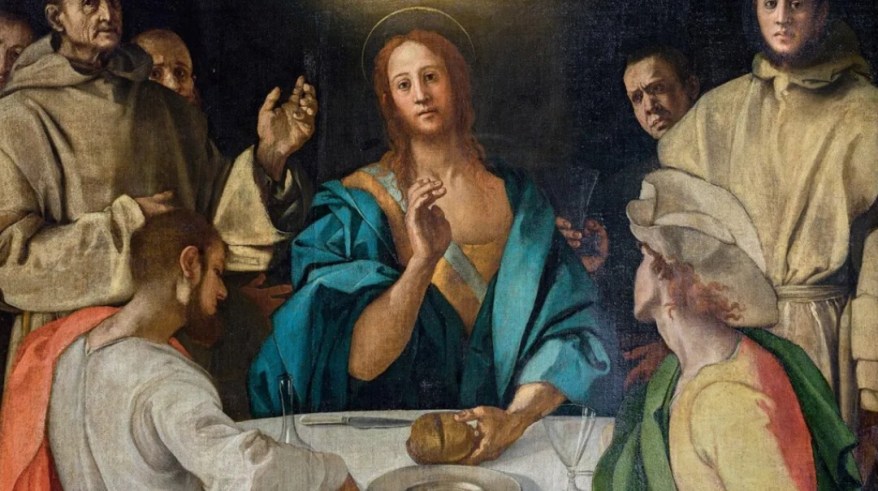
Cena in Emmaus di Pontormo: il pane, il gatto e il cane alle Scuderie del Quirinale
La Cena in Emmaus di Pontormo nasconde dettagli sorprendenti: il significato del pane, i simboli e il mistero della Resurrezione. Scopri il capolavoro del 1525 in mostra alle Scuderie del Quirinale a Roma… 🇬🇧Pontormo’s *Supper at Emmaus* conceals surprising details: the significance of the bread, various symbols, and the mystery of the Resurrection. Discover this…
-
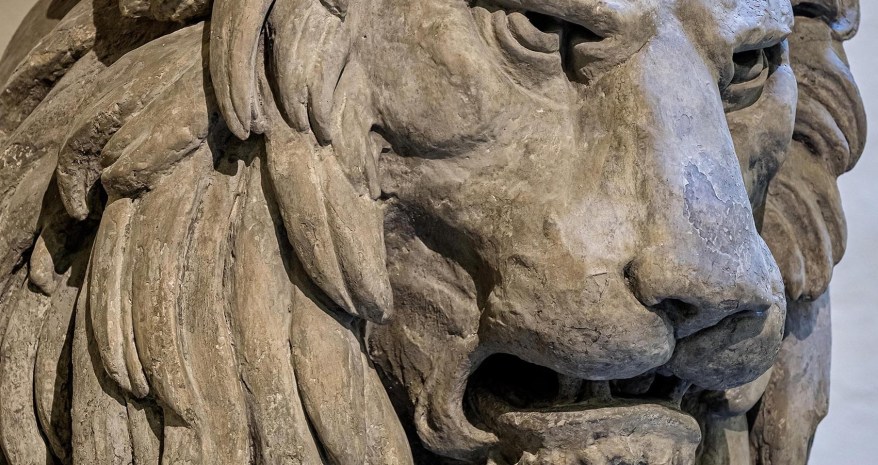
Palazzo Vecchio, il restauro svela la vera natura dei quattro leoni e il mistero della fontana greca
🇮🇹Restaurato il Cortile della Dogana di Palazzo Vecchio a Firenze: i quattro leoni sono calchi, una fontana conserva un’iscrizione greca da studiare e tornano a funzionare entrambe le fontane… 🇬🇧The Cortile della Dogana (Customs Courtyard) at Palazzo Vecchio in Florence has been restored: the four lions are casts, one fountain features a Greek inscription that…
-
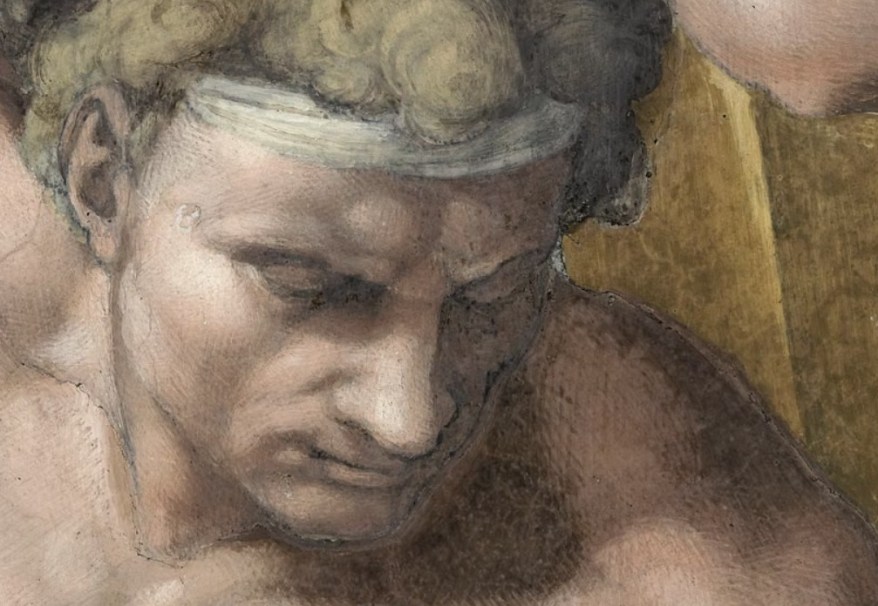
Disma, il buon ladrone nel Giudizio Universale: la misericordia e la giustizia divina
Nel Giudizio Universale della Cappella Sistina ci sono particolari che rischiano di passare inosservati, anche a chi ha avuto la fortuna di alzare gli occhi verso la mia grande parete. Tra i corpi che si sollevano, gli angeli che suonano le trombe e le anime che cercano di raggiungere il cielo, ci sono figure che…
Condividi:


Questo sono io




sostienici

Sostienici – Support Us
Se questo blog ti piace e ti appassiona, puoi aiutarci a farlo crescere sempre più sostenendoci in modo concreto condividendo i post, seguendo le pagine social e con un contributo che ci aiuta ad andare avanti con il nostro lavoro di divulgazione. . ENGLISH: If you like and are passionate about this blog, you can help us make it grow more and more by supporting us in a concrete way by sharing posts, following social pages and with a contribution that helps us to move forward with our dissemination work.
€10,00


