

La Scultura del giorno: la Principessa Emily Doria Pamphilj di Pietro Canonica
La scultura del giorno che vi propongo oggi è il busto della Principessa Emily Doria Pamphilj, scolpito da Pietro Canonica nel 1920.
Emily aveva origini inglesi ma divenne molto nota e apprezzata a Roma dove si trasferì dopo le nozze con il principe Alfonso Doria Pamphilj Landi.
Fu protagonista della vita mondana della Città Eterna ma dopo la morte di uno dei figli, rifuggì dalla levità dedicandosi completamente a importanti opere benefiche.
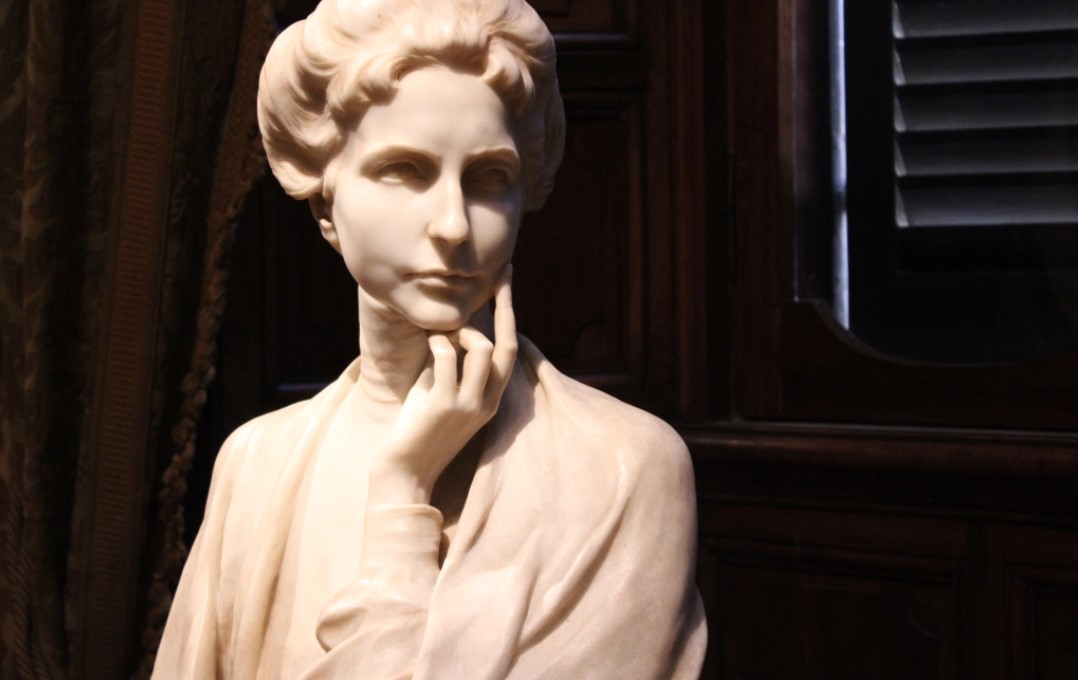
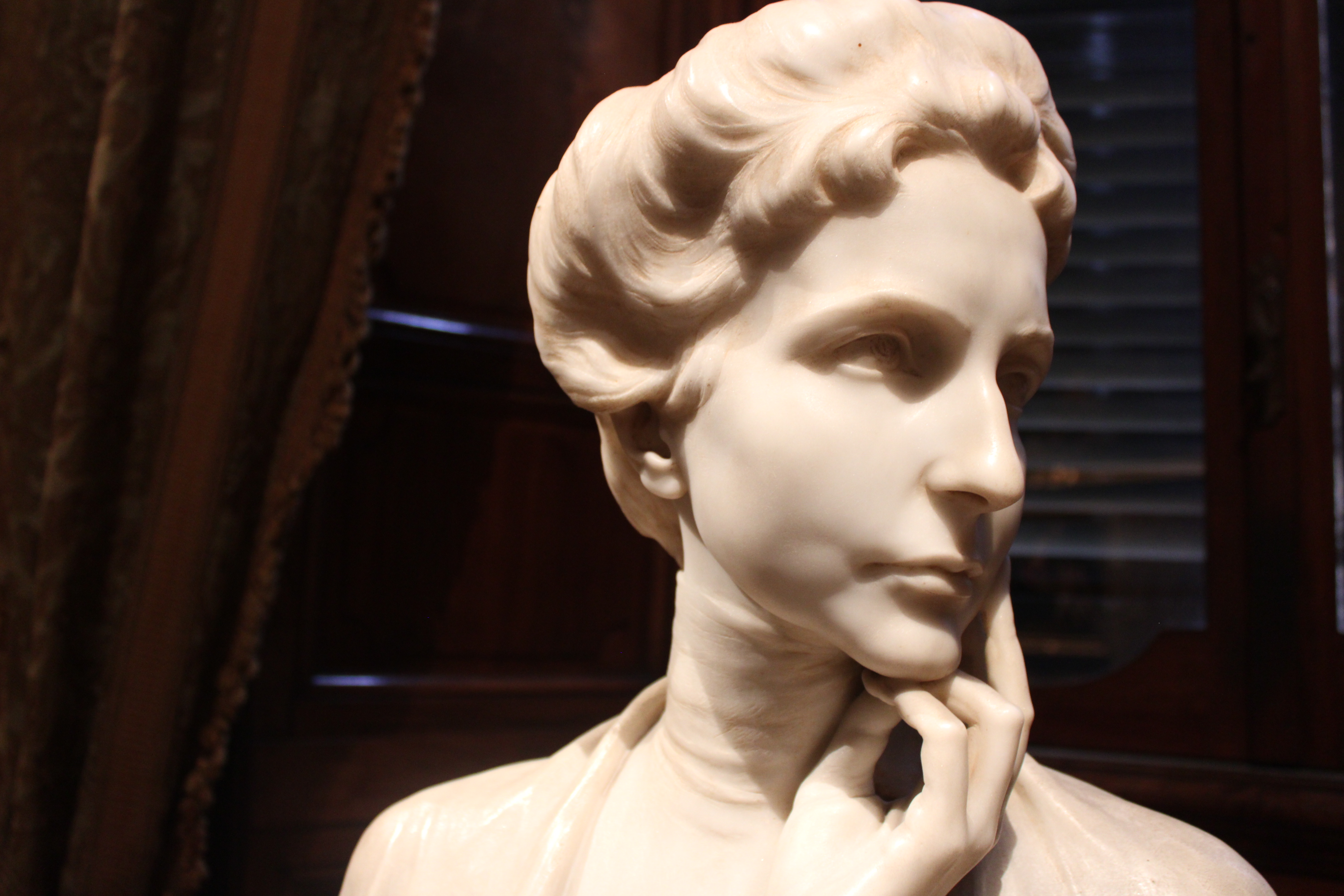
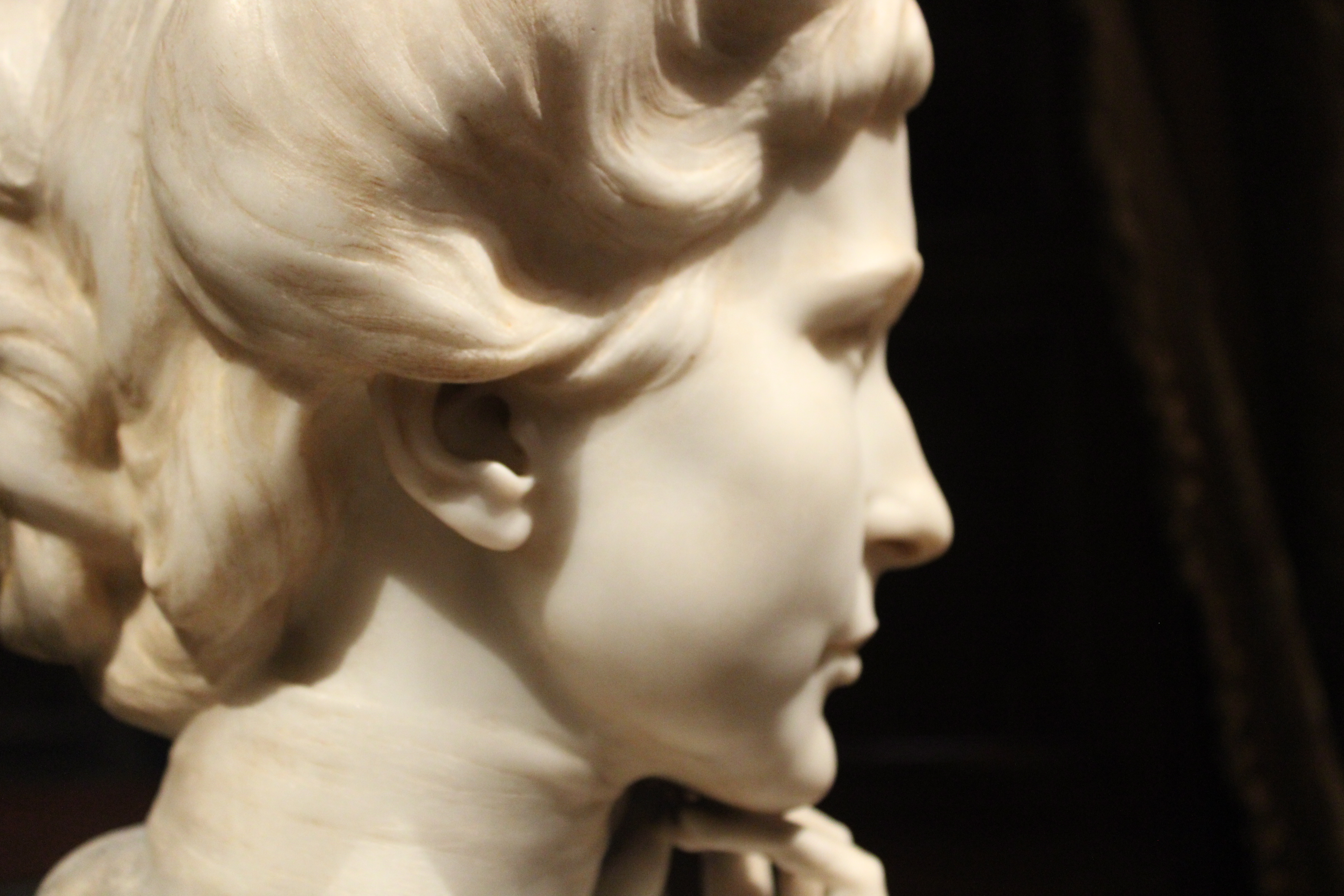
Pietro Canonica scolpì il busto della principessa prestando particolare attenzione alla resa della sua psicologia.
Ritratta in atteggiamento pensieroso ma fiero, Emily ha un’aria malinconica sottolineata dallo sguardo e da quella mano finemente scolpita portata al volto.

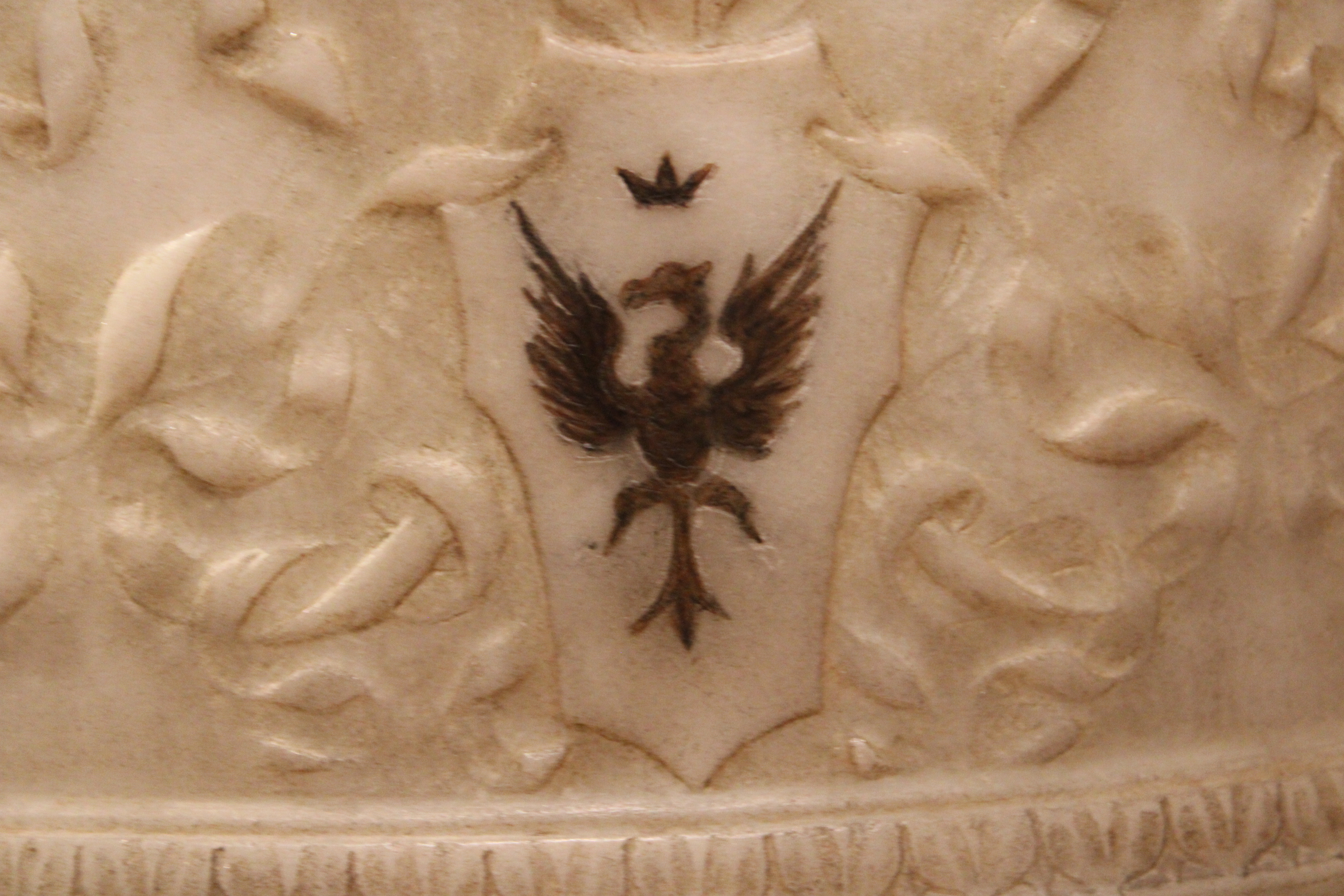
L’opera fu realizzata con il marmo bianco di Carrara, reca sulla base lo stemma di famiglia e poggia su un piedistallo in bardiglio grigio-blu.
Lo scultore Pietro Canonica nacque a Moncalieri, in provincia di Torino il primo giorno di marzo del 1869 e, oltre a scolpire opere straordinarie, fu un bravo compositore.
Nominato senatore a vita da Luigi Einaudi nel 1950, passò a miglior vita nove anni dopo a Roma.
Fu allievo dello scultore Odoardo Tabacchi e a diciassette anni vinse un importante premio per la sua opera scultorea Novizia, divenendo celebre nell’immediato per la sua capacità di dar forma a sculture dotate di un grande realismo.
Visse a lungo nella casa romana nota come la Fortezzuola, all’interno del Parco di Villa Borghese, che gli fu donata dal comune di Roma. Lì oggi sorge il Museo Canonica che raccoglie opere sue, gessi ma anche gli strumenti di lavoro.
Se volete ammirare la scultura della Principessa Emily Doria Pamphilj dovete andare alla Galleria Doria Pamhpilj mentre nel Museo Pietro Canonica potrete apprezzare il gesso dell’opera.
Per il momento il vostro Michelangelo Buonarroti vi saluta dandovi appuntamento ai prossimi post e sui social.

Sculpture of the day: Princess Emily Doria Pamphilj by Pietro Canonica
The sculpture of the day that I propose to you today is the bust of Princess Emily Doria Pamphilj, sculpted by Pietro Canonica in 1920.
Emily was of English origin but she became well known and appreciated in Rome where she moved after her wedding with Prince Alfonso Doria Pamphilj Landi. She was the protagonist of the worldly life of the Eternal City but after the death of one of her children, she shunned worldliness by dedicating herself completely to important charitable works.
Pietro Canonica sculpted the bust of the princess paying particular attention to the rendering of her psychology.
Portrayed in a thoughtful but proud attitude, Emily has a melancholic air underlined by her gaze and by that finely sculpted hand raised to her face.
The work carved in white Carrara marble has the family crest on the base and rests on a grey-blue bardiglio pedestal.
The sculptor Pietro Canonica was born in Moncalieri, in the province of Turin on the first day of March 1869 and, in addition to sculpting extraordinary works, he was a good composer.
Appointed senator for life by Luigi Einaudi in 1950, he passed away nine years later in Rome.
He was a pupil of the sculptor Odoardo Tabacchi and at the age of seventeen he won an important prize for his sculptural work Novice, immediately becoming famous for his ability to give shape to sculptures endowed with great realism.
He lived for a long time in the Roman house known as the Fortezzuola, inside the Villa Borghese park, which was donated to him by the municipality of Rome. There today stands the Canonica Museum which collects works by him, plaster casts but also work tools.
If you want to admire the sculpture of Princess Emily Doria Pamphilj you have to go to the Doria Pamhpilj Gallery while in the Pietro Canonica Museum you can appreciate the plaster of the work.
For the moment, your Michelangelo Buonarroti greets you by making an appointment for the next posts and on social media.

Sostienici – Support Us
Se questo blog ti piace e ti appassiona, puoi aiutarci a farlo crescere sempre più sostenendoci in modo concreto condividendo i post, seguendo le pagine social e con un contributo che ci aiuta ad andare avanti con il nostro lavoro di divulgazione. . ENGLISH: If you like and are passionate about this blog, you can help us make it grow more and more by supporting us in a concrete way by sharing posts, following social pages and with a contribution that helps us to move forward with our dissemination work.
10,00 €
-
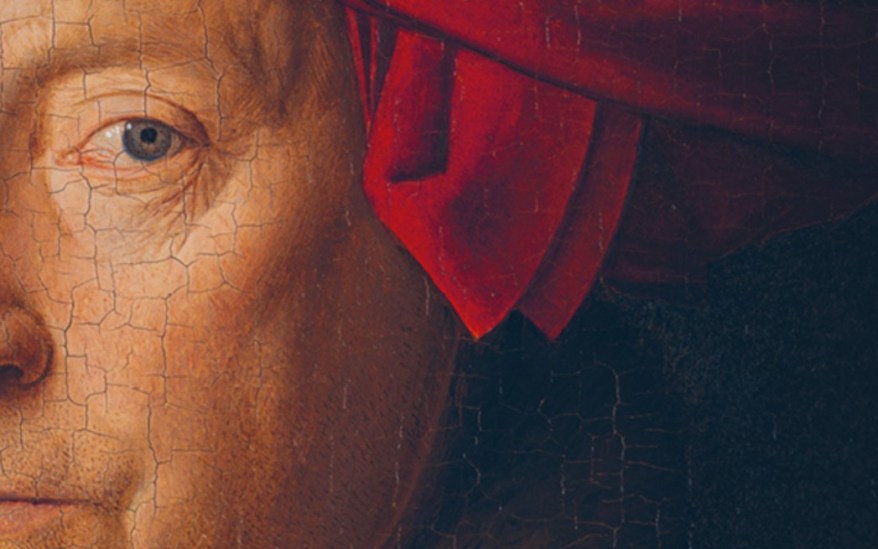
Van Eyck, i ritratti che sembrano vivi: a Londra una mostra irripetibile
🇮🇹Dal 21 novembre 2026 all’11 aprile 2027, la National Gallery ospiterà Van Eyck: The Portraits… 🇬🇧From November 21, 2026, to April 11, 2027, the National Gallery will host Van Eyck: The Portraits..
-
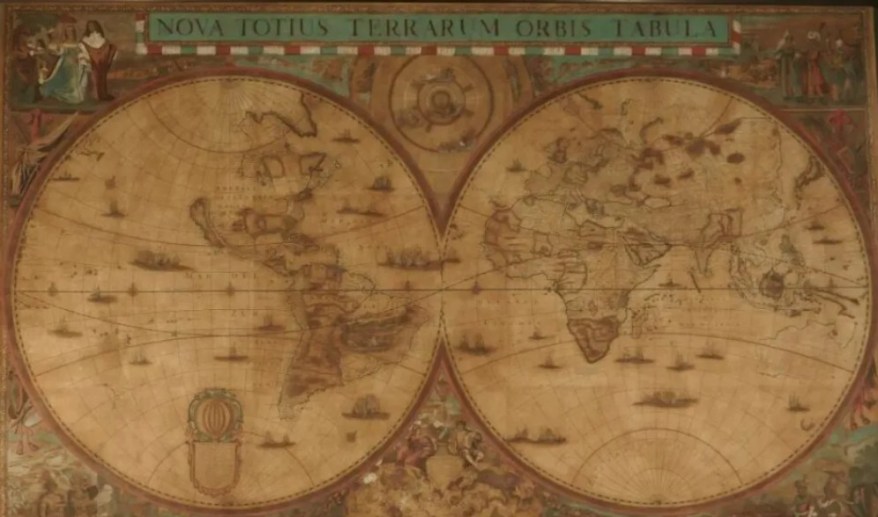
Palazzo Spinola, restaurate le antiche mappe olandesi del Seicento: tesori di carta che raccontano il mondo
🇮🇹Restaurate a Palazzo Spinola, a Genova, le preziose carte geografiche olandesi del Seicento: il planisfero del 1660 e le mappe dei quattro continenti… 🇬🇧The precious 17th-century Dutch maps at Palazzo Spinola in Genoa have been restored: the 1660 world map and the maps of the four continents…
-
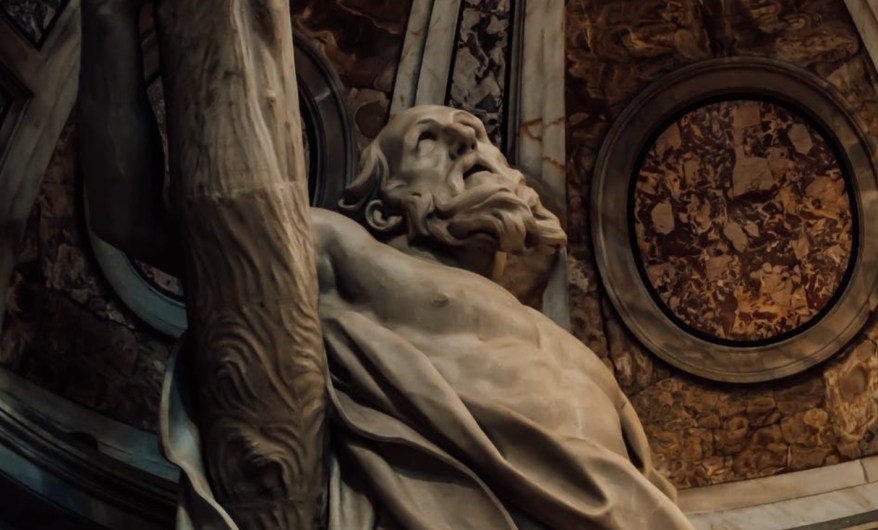
François Duquesnoy: quando la scultura cercò la grazia
🇮🇹François Duquesnoy, lo scultore fiammingo che conquistò Roma. Dal Sant’Andrea in San Pietro alla Santa Susanna, la sua sfida a Bernini nel segno della grazia e dell’armonia classica.
Condividi:


Questo sono io




sostienici

Sostienici – Support Us
Se questo blog ti piace e ti appassiona, puoi aiutarci a farlo crescere sempre più sostenendoci in modo concreto condividendo i post, seguendo le pagine social e con un contributo che ci aiuta ad andare avanti con il nostro lavoro di divulgazione. . ENGLISH: If you like and are passionate about this blog, you can help us make it grow more and more by supporting us in a concrete way by sharing posts, following social pages and with a contribution that helps us to move forward with our dissemination work.
€10,00


Splendido, complimenti!
"Mi piace"Piace a 1 persona
Grazie, un abbraccio
"Mi piace"Piace a 1 persona