
Il mio laboratorio fiorentino
Lo stanzone Via Mozza a Firenze fu il fulcro della mia attività lavorativa compresa fra il momento in cui papa Leone X sciolse il contratto per la facciata della Basilica di San Lorenzo e la partenza definitiva per Roma, avvenuta nel 1534.
Lì dentro avevo la possibilità di stoccare i marmi che di volta in volta facevo arrivare a Firenze e lo spazio sufficiente per lavorarli. La bottega di via Mozza era formata da due locali diversi, l’uno affiancato all’altro nella zona nord ovest di Firenze.
Proprio lì dentro presero forma non solo tutte le opere della Sagrestia Nuova ma anche il primo e il secondo Cristo Risorto, gli Schiavi che oggi sono esposti nella Galleria dell’Accademia, la Vittoria e il David Apollo oggi al Bargello.

Il primo appezzamento di terreno su cui sorgeva il laboratorio lo avevo acquistato nel 1518 dal capitolo della Cattedrale ed era ubicato fra via Mozza, oggi San Zanobi, e l’incrocio con via delle Ruote, proprio a ridosso della cinta muraria e del Convento di Santa Caterina.
Per raggiungere quel luogo dalla basilica di San Lorenzo, impiegavo solo una decina di minuti a piedi. Aveva una superficie di circa 4.300 metri quadrati ma ancora non era abbastanza grande per contenere tutti i marmi, le attrezzatura e le opere in lavorazione.

Fra il cospicuo nucleo di fogli appartenenti a Casa Buonarroti, ce n’è uno disegnato sul verso e sul recto con diversi schizzi e appunti relativi al miglioramento della proprietà di Via Mozza.
I calcoli che vedete sono relativi a costi da sostenere per le fondamenta, per edificare muri e costruire le finestre del laboratorio.

Per il momento il vostro Michelangelo Buonarroti vi saluta dandovi appuntamento ai prossimi post e sui social.

My Florentine laboratory
The large room in Via Mozza in Florence was the fulcrum of my work between the moment in which Pope Leo X dissolved the contract for the facade of the Basilica of San Lorenzo and the definitive departure for Rome, which took place in 1534.
In there I had the possibility of storing the marbles that I sent to Florence from time to time and the sufficient space to work them. The workshop in via Mozza consisted of two different rooms, one next to the other in the northwest area of Florence.
It was in there that not only all the works in the New Sacristy took shape, but also the first and second Risen Christ, the Slaves that are now exhibited in the Accademia Gallery, the Victory and the David Apollo today in the Bargello.
I had purchased the first plot of land on which the laboratory stood in 1518 from the cathedral chapter and it was located between via Mozza, now San Zanobi, and the crossroads with via delle Ruote, right next to the city walls and the convent of Santa Catherine.
To reach that place from the basilica of San Lorenzo, it took me only about ten minutes on foot. It had an area of about 4,300 square meters but was still not large enough to contain all the marbles, equipment and works in progress.
Among the conspicuous nucleus of sheets belonging to Casa Buonarroti, there is one drawn on the reverse and recto with various sketches and notes relating to the improvement of the property in Via Mozza.
The calculations you see relate to costs to be incurred for the foundations, for building walls and building the windows of the laboratory.
For the moment, your Michelangelo Buonarroti greets you by making an appointment for the next posts and on social media.
Sostienici – Support Us
Se questo blog ti piace e ti appassiona, puoi aiutarci a farlo crescere sempre più sostenendoci in modo concreto condividendo i post, seguendo le pagine social e con un contributo che ci aiuta ad andare avanti con il nostro lavoro di divulgazione. . ENGLISH: If you like and are passionate about this blog, you can help us make it grow more and more by supporting us in a concrete way by sharing posts, following social pages and with a contribution that helps us to move forward with our dissemination work.
8,00 €
-
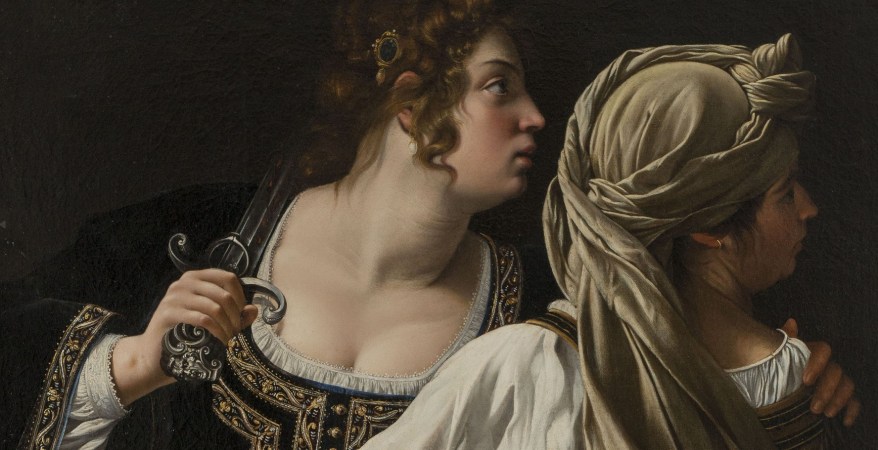
Artemisia Gentileschi, a Firenze una mostra eccezionale: oltre 50 opere e Caravaggio
🇮🇹Artemisia Gentileschi a Firenze: oltre 50 opere al Museo degli Innocenti dal 20 ottobre 2026. In mostra Giuditta, l’Allegoria dell’Inclinazione e due capolavori di Caravaggio… 🇬🇧Artemisia Gentileschi in Florence: over 50 works at the Museo degli Innocenti starting October 20, 2026. On display are Judith, the Allegory of Inclination* and two masterpieces by Caravaggio…
-
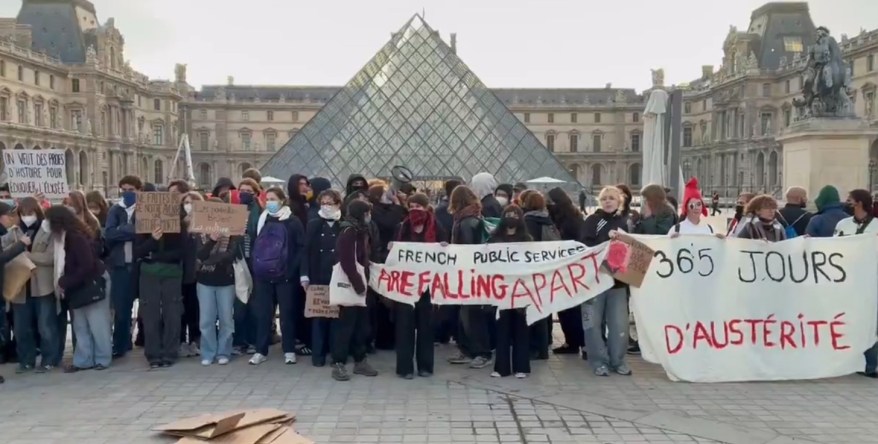
Louvre bloccato dalle proteste in Francia: museo chiuso
🇮🇹Il Museo del Louvre chiude, bloccato dalle proteste. Il museo più visitato al mondo non ha potuto aprire regolarmente questa mattina. A Parigi, un gruppo di studenti ha bloccato gli ingressi del Louvre per esprimere solidarietà al movimento dei liceali e denunciare la repressione della polizia… 🇬🇧The Louvre Museum is closed, blocked by protests. The…
-
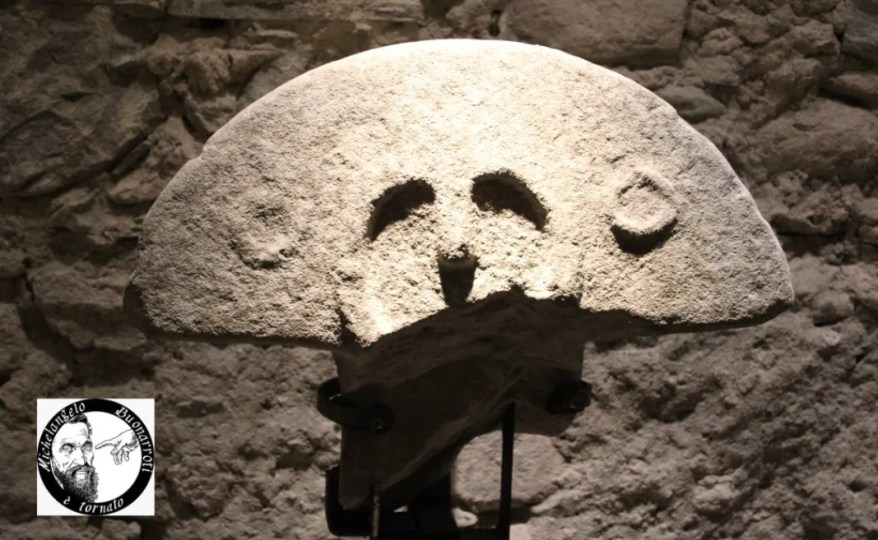
Pontremoli: il fascino silenzioso delle Statue Stele e il profumo dell’Amor
🇮🇹Ritorno al Castello del Piagnaro a Pontremoli: una visita al Museo delle Statue Stele Lunigianesi tra misteriosi volti di pietra e la dolce sosta all’Amor Pontremoli… 🇬🇧A return to the Castle of Piagnaro in Pontremoli: a visit to the Museum of the Lunigiana Stele Statues, amidst mysterious stone faces, followed by a delightful stop for…
Condividi:


Questo sono io



sostienici

Sostienici – Support Us
Se questo blog ti piace e ti appassiona, puoi aiutarci a farlo crescere sempre più sostenendoci in modo concreto condividendo i post, seguendo le pagine social e con un contributo che ci aiuta ad andare avanti con il nostro lavoro di divulgazione. . ENGLISH: If you like and are passionate about this blog, you can help us make it grow more and more by supporting us in a concrete way by sharing posts, following social pages and with a contribution that helps us to move forward with our dissemination work.
€10,00


