
Topolino che mi faceva sganasciare dalle risate
Topolino era un mio preziosissimo collaboratore che di tanto in tanto era capace di strapparmi qualche fragorosa risata.
Si chiamava Domenico di Giovanni di Bertino ed era nato dieci anni prima di me a Settignano. Lo chiamavamo Topolino perché era piccino, con gli occhi sempre sgranati e aveva un modo di fare tutto suo. Svelto come pochi nel fare le cose, era sempre di buon umore anche quando le cose parevano andare per il verso sbagliato.

A partire dall’ottobre del 1518 si destreggiava fra le cave presenti sul territorio di Seravezza e quelle di Carrara quando non potevo esserci fisicamente e nemmeno l’Urbano. Si accertava che venisse fatta come io volevo la sbozzatura dei marmi da imbarcare alla volta di Firenze.
Topolino si dava da fare più che poteva per accontentarmi ma con i cavatori non ebbe vita facile. Loro volevano fare a modo loro e poco badavano allo scalpellino piccolo di statura che faceva le mie veci. Anzi, se ne prendevano pure gioco.
In una lettera che mi scrisse il 4 aprile del 1524 mi scrisse: “Non mi vale sollecitare né gridare con esso loro, che si fanno beffe”.

A Topolino piaceva scolpire e ambiva a diventare qualcuno di importante e riconosciuto nel settore. Ogni volta che partiva un bastimento carico di marmi dall’Avenza alla volta di Firenze, non si dimenticava mai di metterci sopra due o tre figurette scolpite da lui.
Arrivato a destinazione il carico andavo a vedere subito che m’aveva spedito di suo Topolino e morivo dalle risa. Non gli mancava l’energia per scolpire ma niente sapeva d’anatomia. Quelle figure erano così sgraziate che parevano caricature.
Mi ricordo quando ci tenne in modo particolare a scolpire un Mercurio e a mostrarmelo. “Tu sei un pazzo a voler far figure: non vedi che a questo Mercurio dalle ginocchia alli piedi ci manca più di terzo di braccio, che gli è nano e che tu l’hai storpiato?”

Lui che mai s’era scoraggiato in vita sua, rimediò in modo che nemmeno a me sarebbe venuto in mente. Segò le gambe al Mercurio al di sotto del ginocchio, aggiunse il marmo che mancava e per mascherare le giunture, realizzò un bel paio di stivaletti.
Per il momento il vostro Michelangelo Buonarroti vi saluta dandovi appuntamento ai prossimi post e sui social.

Topolino that made me laugh out loud
Topolino was my invaluable collaborator who from time to time was able to make me laugh out loud.
His name was Domenico di Giovanni di Bertino and he was born ten years before me in Settignano. We called him Topolino because he was small, his eyes were always wide open and he had a way of doing everything about him. Quick as few in getting things done, he was always in a good mood even when things seemed to go wrong.
Starting in October 1518 he juggled between the quarries present in the Seravezza area and those of Carrara when I could not be there physically and neither could Urbano. He made sure that the roughing of the marbles to be shipped to Florence was done as I wanted.
Topolino did as much as he could to please me but especially with the quarrymen he didn’t have it easy. They wanted to do it their way and paid little attention to the small stonemason who took my place. In fact, they even made fun of it.
In a letter that he wrote to me on April 4, 1524 he wrote to me: “It is not worthwhile for me to solicit or shout with it them, who make fun of themselves”.
Topolino loved to sculpt and aspired to become someone important and recognized in the industry. Every time a ship loaded with marble left Avenza for Florence, he never forgot to put two or three small figures sculpted by him on it.
When the load arrived at its destination, I immediately went to see what he had sent me from his Mickey Mouse and I died of laughter. He didn’t lack the energy to sculpt but nothing tasted of anatomy. Those figures were so ungainly that they looked like caricatures.
I remember when he was especially keen to carve a Mercury and show it to me. “You are crazy to try to make figures: can’t you see that this Mercury is missing more than a third of an arm from knees to feet. Can’t you see that he is dwarf and you crippled him, that he is dwarf and you crippled him?”
He who had never been discouraged in his life made up for it in such a way that it would not even have occurred to me. He sawed the Mercury legs below the knee, added the marble that was missing and to mask the seams, made a nice pair of ankle boots.
For the moment, your Michelangelo Buonarroti greets you by making an appointment for the next posts and on social media.

Sostienici – Support Us
Se questo blog ti piace e ti appassiona, puoi aiutarci a farlo crescere sempre più sostenendoci in modo concreto condividendo i post, seguendo le pagine social e con un contributo che ci aiuta ad andare avanti con il nostro lavoro di divulgazione. . ENGLISH: If you like and are passionate about this blog, you can help us make it grow more and more by supporting us in a concrete way by sharing posts, following social pages and with a contribution that helps us to move forward with our dissemination work.
10,00 €
-

Perché la Madonna è vestita di rosso e blu? Il significato dei colori nei dipinti sacri
🇮🇹Perché la Madonna veste di rosso e blu nei dipinti? Scopriamo il significato simbolico dei colori, il valore del blu oltremare e i capolavori dell’arte sacra… 🇬🇧Why does the Virgin Mary wear red and blue in paintings? Let’s explore the symbolic meaning of these colors, the significance of ultramarine blue, and some masterpieces of sacred…
-

L’artista, la materia: a Casa Buonarroti un ciclo di conferenze sulle mie tre arti
🇮🇹Dalla scultura alla pittura, fino all’architettura: da novembre 2026 a maggio 2027 Casa Buonarroti di Firenze dedica un ciclo di incontri al mio rapporto con i materiali, le tecniche artistiche e il lavoro creativo… 🇬🇧From sculpture and painting to architecture: from November 2026 to May 2027, Casa Buonarroti in Florence will host a series of…
-
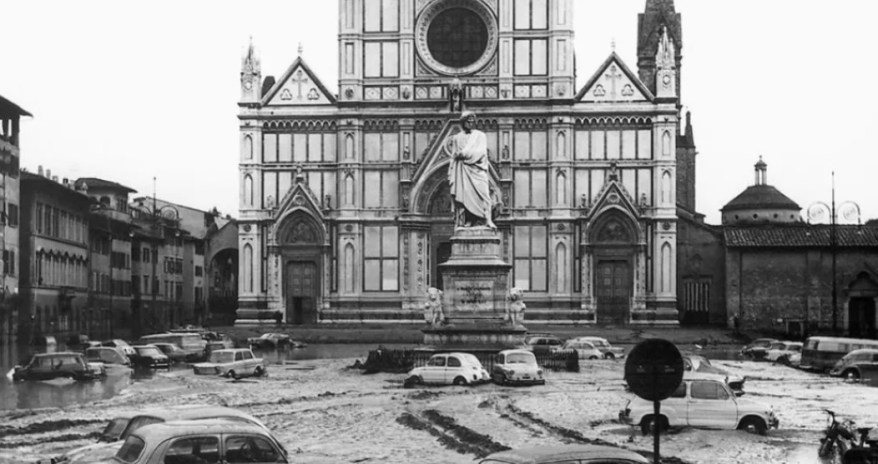
Alluvione di Firenze del 1966: i capolavori d’arte perduti e feriti dall’Arno, 60 anni dopo
🇮🇹4 novembre 1966: sessant’anni fa l’alluvione di Firenze devastò il patrimonio artistico. Dal Crocifisso di Cimabue ai libri sommersi, la storia delle opere ferite e degli Angeli del fango… 🇬🇧November 4, 1966: sixty years ago, the flood in Florence devastated its artistic heritage. From Cimabue’s Crucifix to waterlogged books—the story of the damaged works and…
Condividi:


Questo sono io





sostienici

Sostienici – Support Us
Se questo blog ti piace e ti appassiona, puoi aiutarci a farlo crescere sempre più sostenendoci in modo concreto condividendo i post, seguendo le pagine social e con un contributo che ci aiuta ad andare avanti con il nostro lavoro di divulgazione. . ENGLISH: If you like and are passionate about this blog, you can help us make it grow more and more by supporting us in a concrete way by sharing posts, following social pages and with a contribution that helps us to move forward with our dissemination work.
€10,00


Grazie, molto interessante.
"Mi piace"Piace a 1 persona
Grazie, un abbraccio
"Mi piace""Mi piace"