

I fregi della Sagrestia Nuova
Nella Sagrestia Nuova, immediatamente dietro le quattro ore del giorno, si possono ammirare dettagliati fregi decorativi che hanno la foggia di mascheroni con la bocca aperta e gli incisivi a vista.
Fanno parte del complesso sistema di ornamenti che ideai all’interno di questo progetto che suscitarono parecchio interesse da parte dei miei contemporanei e posteri.

Il Vasari ne rimase affascinato tanto che ne scrisse nelle Vite in questi termini: “Vi fece dentro un ornamento composito nel più vario e più nuovo modo che per tempo alcuno gli antichi e i moderni maestri abbiano potuto operare: perché nella novità di sì belle cornici, capitelli e basi, porte, tabernacoli e sepolture fece assai diverso da quello che di misura, ordine e regola facevano gli uomini secondo Vitruvio e le antichità, per non volere a quello aggiungere”

Insomma, quelle decorazioni furono una novità assoluta e nel corso dei secoli a seguire davvero fecero scuola. Per il momento il sempre vostro Michelangelo Buonarroti vi saluta dandovi appuntamento ai prossimi post e sui social.
The friezes of the New Sacristy
In the New Sacristy, immediately behind the four hours of the day, you can admire detailed decorative friezes that have the shape of masks with open mouths and visible incisors.
They are part of the complex system of ornaments that I conceived within this project that aroused a lot of interest from my contemporaries and posterity.

Vasari was so fascinated by it that he wrote about it in these terms in his Lives: “He made a composite ornament inside it in the most varied and newest way that ancient and modern masters have been able to work for some time: because in the novelty of such beautiful frames, capitals and bases, doors, tabernacles and burials made very different from what men did in size, order and rule according to Vitruvius and antiquities, not to want to add to that”

In short, those decorations were an absolute novelty and over the centuries to follow they really made school. For the moment your always your Michelangelo Buonarroti greets you by giving you an appointment to the next posts and on social networks.

Sostienici – Support Us
Se questo blog ti piace e ti appassiona, puoi aiutarci a farlo crescere sempre più sostenendoci in modo concreto condividendo i post, seguendo le pagine social e con un contributo che ci aiuta ad andare avanti con il nostro lavoro di divulgazione. . ENGLISH: If you like and are passionate about this blog, you can help us make it grow more and more by supporting us in a concrete way by sharing posts, following social pages and with a contribution that helps us to move forward with our dissemination work.
5,00 €
-
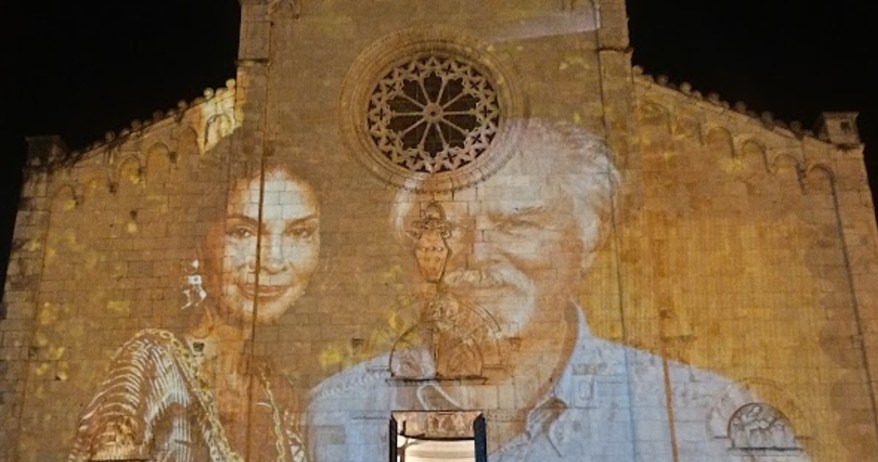
Pietrasanta: un museo per Fernando Botero
🇮🇹Pietrasanta prepara un museo dedicato a Fernando Botero con circa 90 bozzetti a Palazzo Panichi. Il legame con la città che lo nominò cittadino onorario nel 2001… 🇬🇧Pietrasanta is preparing a museum dedicated to Fernando Botero, featuring around 90 sketches at Palazzo Panichi. This reflects his connection to the city, which named him an honorary…
-
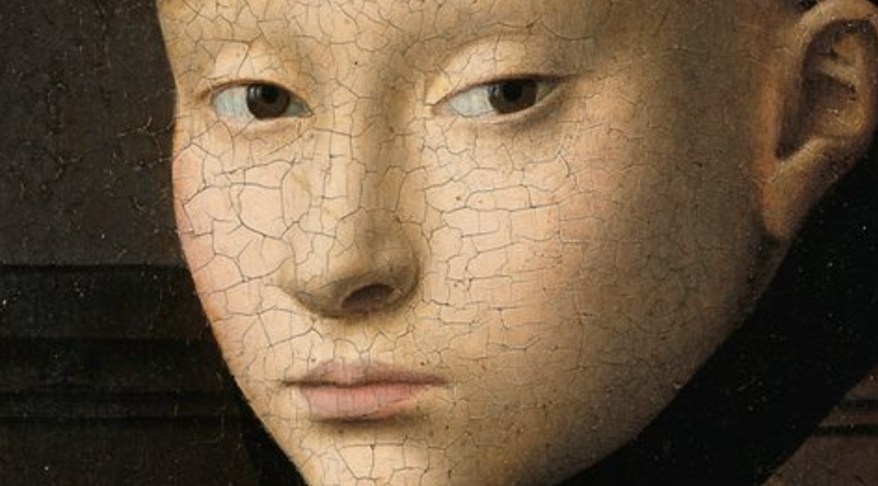
Il ritratto enigmatico di Petrus Christus
🇮🇹Chi è la giovane ritratta da Petrus Christus? Un volto misterioso, abiti preziosi e la luce del capolavoro fiammingo del 1470… 🇬🇧Who is the young woman portrayed by Petrus Christus? A mysterious face, exquisite attire, and the light of a Flemish masterpiece from 1470…
-
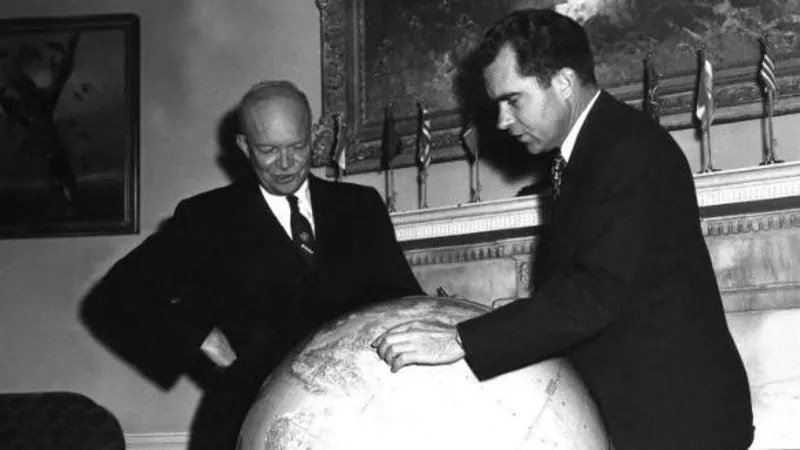
Pentagono, danneggiato il mappamondo legato a Eisenhower: era destinato all’ufficio di Hegseth
🇮🇹Il mappamondo di Eisenhower, cimelio della Seconda guerra mondiale conservato al Pentagono, è stato danneggiato durante un tentativo di trasferimento nell’ufficio di Pete Hegseth… 🇬🇧Eisenhower’s globe, a World War II relic kept at the Pentagon, was damaged during an attempt to move it to Pete Hegseth’s office…
Condividi:


Questo sono io





sostienici

Sostienici – Support Us
Se questo blog ti piace e ti appassiona, puoi aiutarci a farlo crescere sempre più sostenendoci in modo concreto condividendo i post, seguendo le pagine social e con un contributo che ci aiuta ad andare avanti con il nostro lavoro di divulgazione. . ENGLISH: If you like and are passionate about this blog, you can help us make it grow more and more by supporting us in a concrete way by sharing posts, following social pages and with a contribution that helps us to move forward with our dissemination work.
€10,00


