

L’utilità pubblica del Colonnato di San Pietro
Ogni singolo centimetro di pietra di quel colonnato potrebbe raccontare tante storie diverse, storie fatte di famiglie messe in ginocchio dalla miseria e dalla peste, storie di operai che hanno potuto sfamare la famiglia ma anche le vicende di chi per realizzare quel grandioso lavoro si fece in quattro.
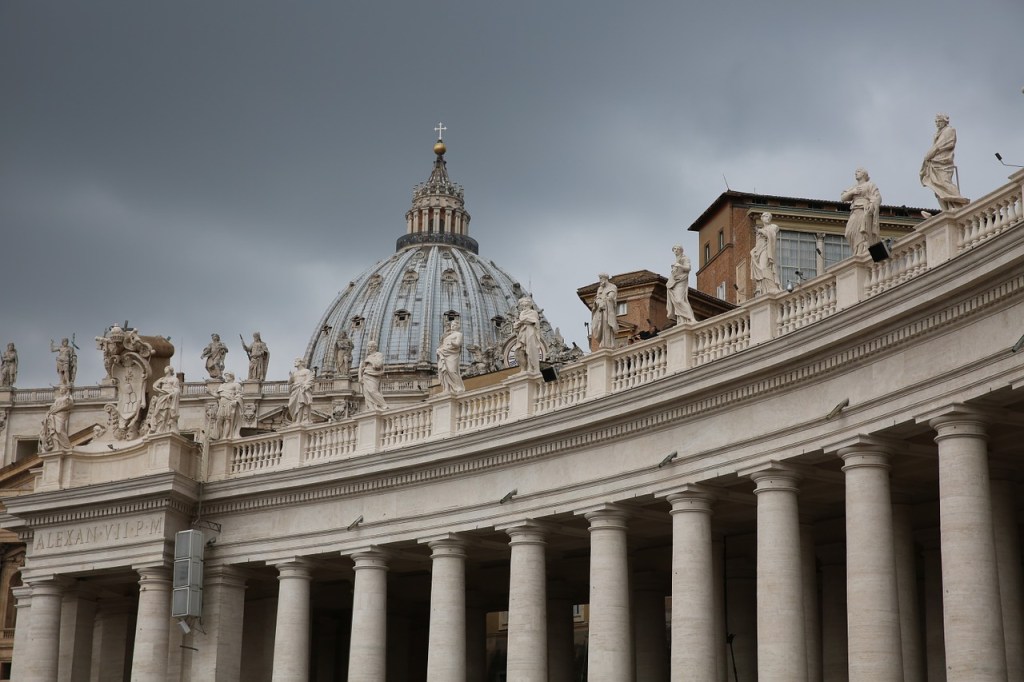
Il colonnato di San Pietro progettato dal Bernini, da secoli accoglie i pellegrini e i visitatori da tutto il mondo come fosse un caloroso abbraccio. Come vi accennavo prima il colonnato ebbe a suo tempo anche un’importante utilità pubblica. Quando papa Alessandro VII commissionò a Gian Lorenzo la realizzazione di questo complesso architettonico, a Roma imperversava la peste nera.
Intere famiglie sterminate dal terribile morbo e quelle che rimanevano decimate erano sempre più povere. Non c’era lavoro e non c’era pane.
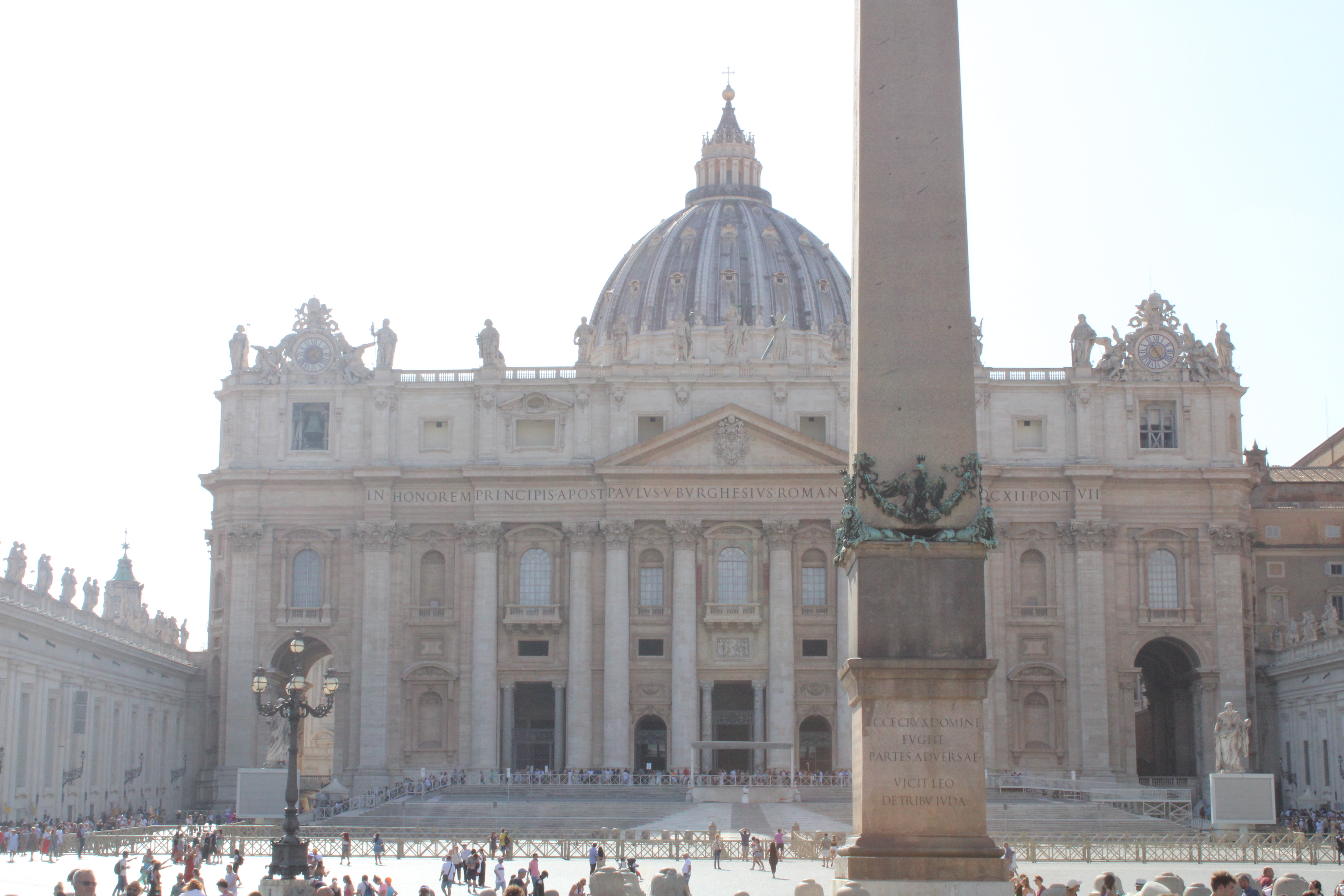
Papa Alessandro VII volle risollevare le sorti di una Roma sempre più povera e in crisi. Decise quindi che per innalzare l’opera pensata dal Bernini, venissero impiegati solo operai provenienti dai ceti meno abbienti decimati dalla peste per malattia o per fame.
Grazie a quel lavoro la città cominciò a respirare di nuovo, a intravedere un po’ di luce in fondo a quel tunnel che stava diventando sempre più lungo.
Il sempre vostro Michelangelo Buonarroti e i suoi racconti.
The public utility of the Colonnade of San Pietro
How is a country’s kneeling economy rising? It is a problem that has manifested itself many times over the centuries. Do you think that Pope Pope Alexander VII Chigi also faced this serious problem in the second half of the seventeenth century.
The pontiff managed to get Rome back on its feet after the black plague and it is a question that has to do with the construction of Bernini’s great colonnade.
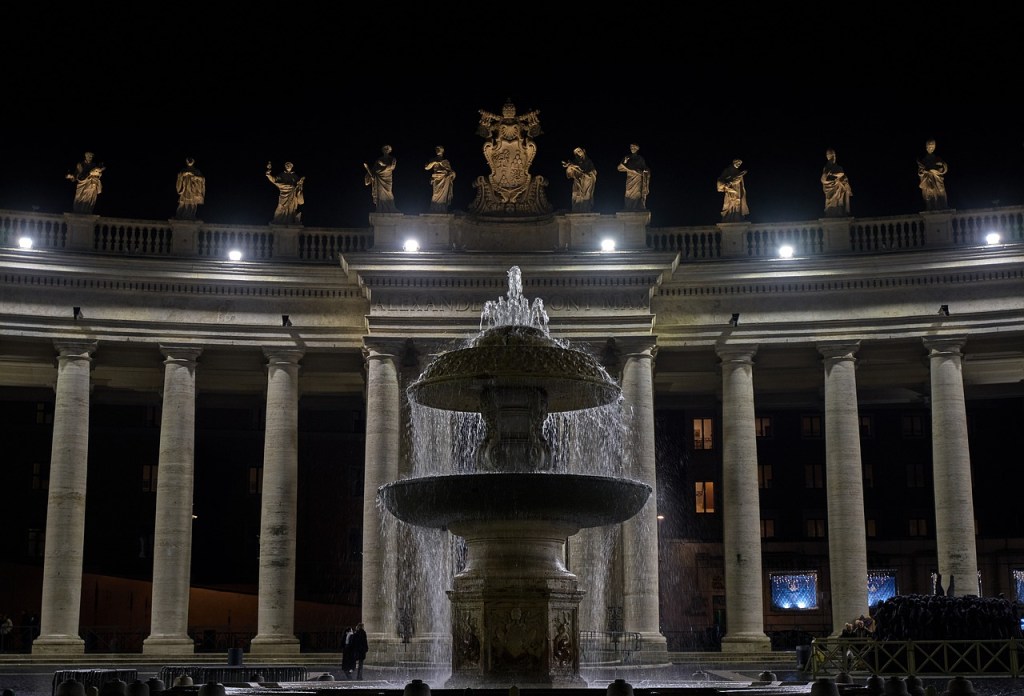
Every single centimeter of stone in that colonnade could tell many different stories, stories made of families brought to their knees by misery and plague, stories of workers who were able to feed the family but also the events of those who did four.
The colonnade of San Pietro designed by Bernini has for centuries welcomed pilgrims and visitors from all over the world as if it were a warm embrace. As I mentioned earlier, the colonnade also had an important public utility. When Pope Alexander VII commissioned Gian Lorenzo to build this architectural complex, the black plague raged in Rome. Entire families exterminated by the terrible disease and those that remained decimated were increasingly poor. There was no work and there was no bread.
Pope Alexander VII wanted to revive the fate of an increasingly poor and in crisis Rome. He therefore decided that to raise the work designed by Bernini, only workers from the less affluent classes decimated by the plague for illness or hunger were employed.
Thanks to that work the city began to breathe again, to glimpse a little light at the bottom of that tunnel which was getting longer and longer.
Your always Michelangelo Buonarroti and his stories.

Sostienici – Support Us
Se questo blog ti piace e ti appassiona, puoi aiutarci a farlo crescere sempre più sostenendoci in modo concreto condividendo i post, seguendo le pagine social e con un contributo che ci aiuta ad andare avanti con il nostro lavoro di divulgazione. . ENGLISH: If you like and are passionate about this blog, you can help us make it grow more and more by supporting us in a concrete way by sharing posts, following social pages and with a contribution that helps us to move forward with our dissemination work.
5,00 €
-
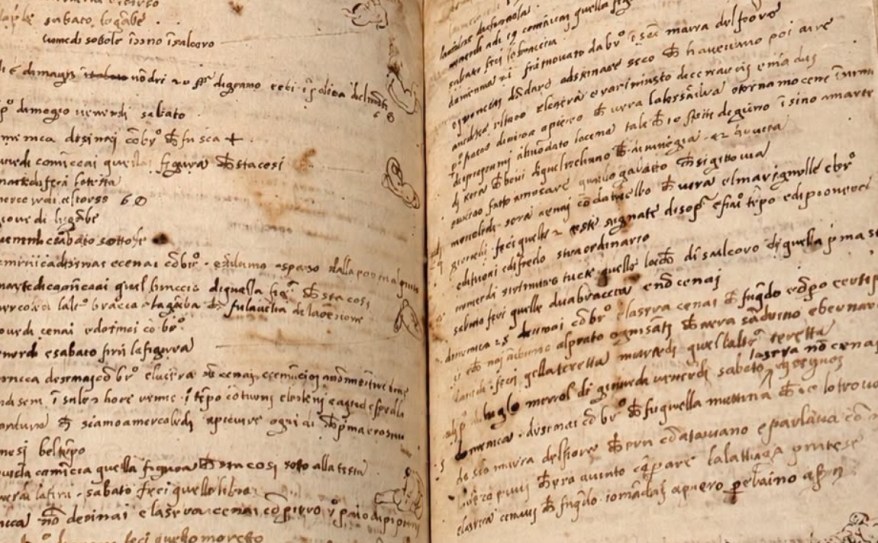
Pontormo, il diario segreto del pittore: malattie, pasti e piccoli disegni che raccontano la sua vita
🇮🇹Il diario di Pontormo: malattie, pasti, amicizie e piccoli disegni raccontano la vita privata del pittore e il lavoro perduto a San Lorenzo… 🇬🇧Pontormo’s diary—with its accounts of illnesses, meals, friendships, and small sketches—reveals the painter’s private life and his lost work at San Lorenzo…
-
25 ottobre 1815: le opere rubate da Napoleone tornarono in Italia, ma 248 rimasero in Francia
🇮🇹Il 25 ottobre 1815 partì da Parigi un convoglio di 41 carri trainati da circa 200 cavalli, con 249 opere d’arte destinate a tornare in Italia… 🇬🇧On October 25, 1815, a convoy of 41 wagons, pulled by approximately 200 horses, departed from Paris, carrying 249 works of art destined to return to Italy…
-

Più forte della morte
🇮🇹Può l’amore superare la morte? In un madrigale sorprendente, il desiderio di chi amo arriva fino all’Inferno e al Paradiso… 🇬🇧Can love transcend death? In a striking madrigal, the longing for the one I love reaches as far as Hell and Paradise…
Condividi:


Questo sono io




sostienici

Sostienici – Support Us
Se questo blog ti piace e ti appassiona, puoi aiutarci a farlo crescere sempre più sostenendoci in modo concreto condividendo i post, seguendo le pagine social e con un contributo che ci aiuta ad andare avanti con il nostro lavoro di divulgazione. . ENGLISH: If you like and are passionate about this blog, you can help us make it grow more and more by supporting us in a concrete way by sharing posts, following social pages and with a contribution that helps us to move forward with our dissemination work.
€10,00


1 commento »