

Il Mosè e la Grande Guerra
Durante la Prima e la Seconda Guerra Mondiale, un gran quantitativo di opere vennero imballate e trasferite rapidamente in luoghi ritenuti sicuri. Ciò si poté fare con capolavori assai semplici da movimentare ma per le sculture più grandi c’era da studiare un’altra soluzione.
Che fare dunque? Si scelse di rinchiuderle all’interno di opere murarie, nella speranza rimanessero al riparo in caso di bombardamento. Non c’era altro rimedio che garantisse un grado di sicurezza maggiore all’epoca.
Così vennero ingaggiate squadre di operai che alla svelta, mattone su mattone, misero in piedi ogive e altre forme bizzarre che avrebbero custodito e protetto i capolavori scultorei più voluminosi e pesanti, impossibili da spostare in tutta sicurezza.
La Galleria dei Prigioni e la Tribuna del David avevano assunto un aspetto surreale con quella serie di capsule murate. Ve ne ho parlato in maniera dettagliata QUA.

Anche al mio Mosè toccò la stessa sorte.
Guardate come fu protetto durante il primo conflitto mondiale. Non è un caso se si scelse di proteggere solo il registro inferiore con il Mosè, La Vita Attiva e la Vita Contemplativa. All’epoca Giulio II adagiato non era considerato un lavoro secondario al quale nemmeno avevo messo mano e quindi nella fretta del momento, fu lasciato fuori dalla protezione.
Il sempre vostro Michelangelo Buonarroti e i suoi racconto quotidiani.
Moses and the Great War
During the First and Second World Wars, large quantities of works were quickly packed and moved to places deemed safe. This could be done with very simple masterpieces to move but for the larger sculptures there was another solution to be studied.
What to do then? It was decided to lock them up inside masonry, in the hope that they would remain sheltered in the event of a bombing. There was no other remedy that guaranteed a greater degree of safety at the time.
So teams of workers were hired who quickly, brick by brick, set up ogives and other bizarre shapes that would have kept and protected the most voluminous and heaviest sculptural masterpieces, impossible to move in complete safety.
The Galleria dei Prigioni and the Tribuna del David had taken on a surreal aspect with that series of walled capsules. I told you about it in detail HERE.
My Moses also had the same fate.
Look at how he was protected during the First World War. It is no coincidence that one chose to protect only the lower register with Moses, Active Life and Contemplative Life. At the time, Julius II lying down was not considered a secondary job to which I had not even put my hand and therefore in the rush of the moment, he was left out of protection.
Your always your Michelangelo Buonarroti and his daily stories.

Sostienici – Support Us
Se questo blog ti piace e ti appassiona, puoi aiutarci a farlo crescere sempre più sostenendoci in modo concreto condividendo i post, seguendo le pagine social e con un contributo che ci aiuta ad andare avanti con il nostro lavoro di divulgazione. . ENGLISH: If you like and are passionate about this blog, you can help us make it grow more and more by supporting us in a concrete way by sharing posts, following social pages and with a contribution that helps us to move forward with our dissemination work.
5,00 €
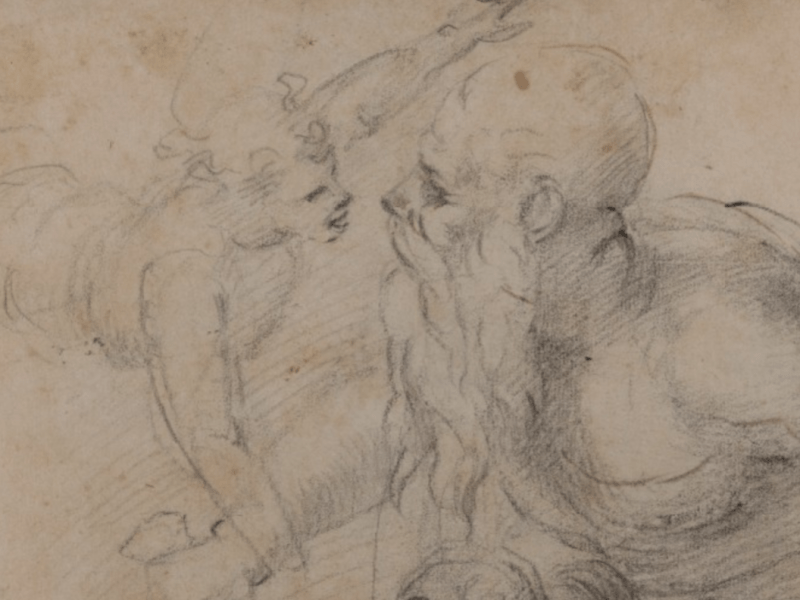
Il Sacrificio di Isacco e quel momento tra la vita e la morte
🇮🇹Oggi voglio raccontarvi alcuni dettagli sul mio disegno del Sacrificio di Isacco, conservato oggi a Casa Buonarroti. Su quel foglio volli tracciare il momento preciso in cui la paura fa spazio al miracolo… 🇬🇧Today I want to tell you some details about my drawing of the Sacrifice of Isaac, now preserved at Casa Buonarroti. On…

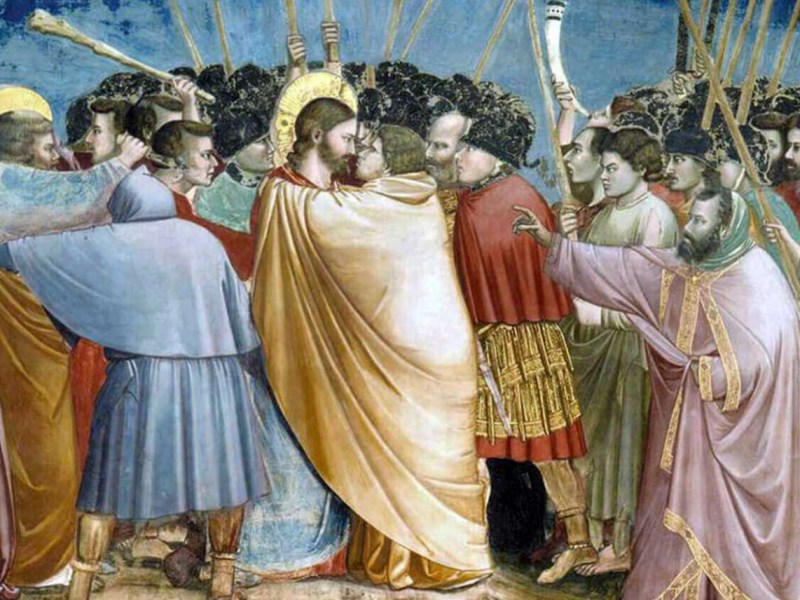
Mercoledì Santo: il giorno del tradimento di Giuda affrescato da Giotto
🇮🇹Il Mercoledì Santo è il giorno del silenzio, della riflessione e del tradimento. È il momento in cui Giuda sceglie di vendere Gesù per trenta denari, segnando uno dei passaggi più dolorosi della Settimana Santa…. 🇬🇧Holy Wednesday is a day of silence, reflection, and betrayal. ✝It is the moment when Judas chooses to sell Jesus…
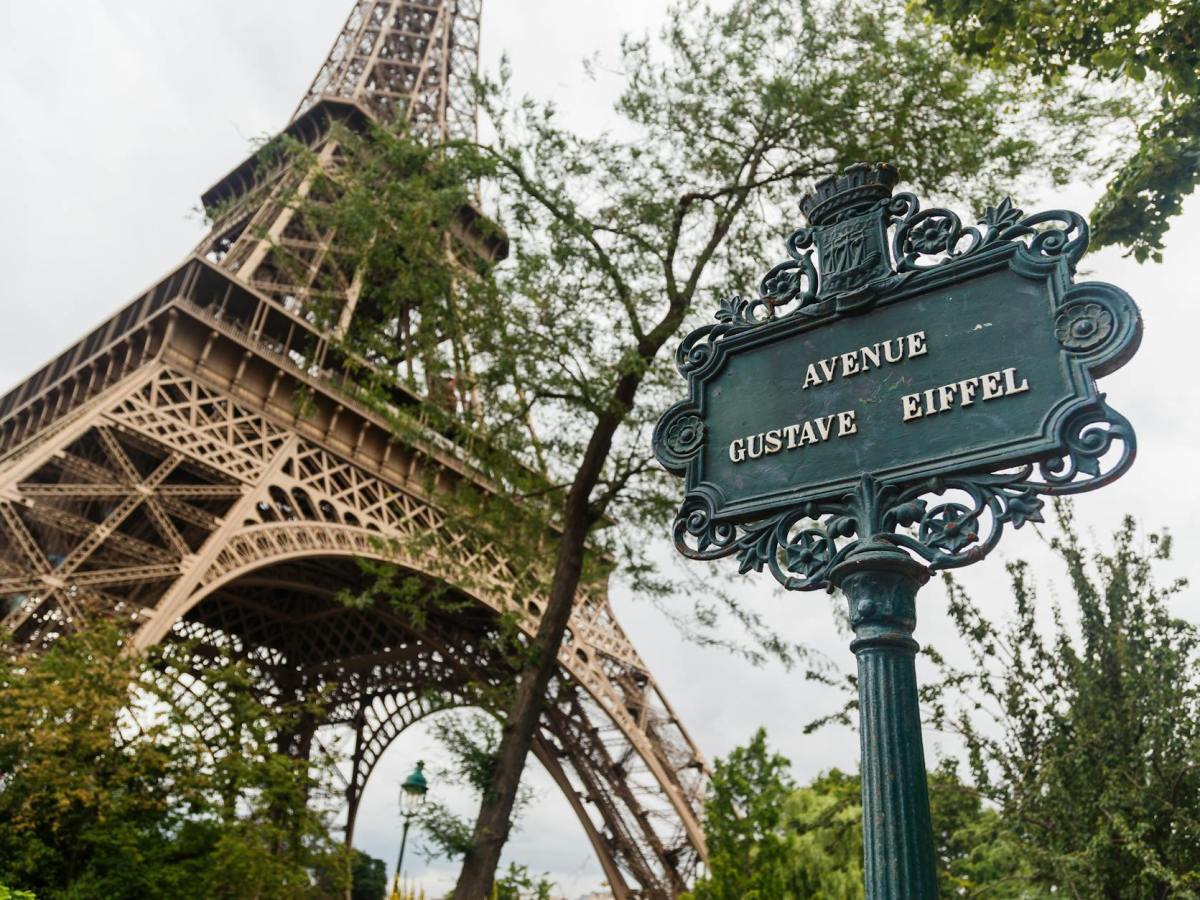
31 marzo 1889: inaugurata la Torre Eiffel tra critiche feroci e un destino inaspettato
🇮🇹Il 31 marzo 1889 segna una data destinata a cambiare per sempre il volto di Parigi e dell’immaginario collettivo globale: viene inaugurata la Torre Eiffel, l’opera più audace e discussa del suo tempo… 🇬🇧March 31, 1889 marks a date destined to change the face of Paris and the global collective imagination forever: the Eiffel Tower,…
Condividi:

Questo sono io





sostienici

Sostienici – Support Us
Se questo blog ti piace e ti appassiona, puoi aiutarci a farlo crescere sempre più sostenendoci in modo concreto condividendo i post, seguendo le pagine social e con un contributo che ci aiuta ad andare avanti con il nostro lavoro di divulgazione. . ENGLISH: If you like and are passionate about this blog, you can help us make it grow more and more by supporting us in a concrete way by sharing posts, following social pages and with a contribution that helps us to move forward with our dissemination work.
€10,00


1 commento »