

Il Venerdì Santo dipinto e scolpito
“E Gesù, avendo di nuovo gridato con gran voce, rese lo spirito. Ed ecco, il velo del tempio si squarciò in due, da cima a fondo; la terra tremò e le rocce si spaccarono” dal Vangelo di Matteo.
Il Venerdì Santo è stato raffigurato in tanti modi differenti da un gran numero di artisti. E’ uno dei temi più ricorrenti nel quale si sono cimentati da Raffaello a Lorenzo Lotto, dal Rosso Fiorentino al Pontormo. Anche io ho dato il mio contributo con Pietà scolpite e un gran numero di Pietà, Deposizioni e Crocifissioni disegnate.
Per ricordare questa giornata di lutto così particolare, oggi voglio riproporvi alcune opere molto note che raffigurano i momenti più importanti del Venerdì Santo.

La Deposizione di Raffaello Sanzio, nota anche come la Deposizione Borghese. Si tratta di un dipinto a olio su tavola fortemente ispirato dalla probabilmente mia Deposizione del Cristo nel Sepolcro. Certi atteggiamenti dei personaggi sono quasi sovrapponibili a quelli che ideai io. Non è una novità quella che Raffaello spesso e volentieri per così dire si “ispirasse” alle mie opere copiando spudoratamente.

La Pietà del Rosso Fiorentino oggi appartiene alle collezioni del Louvre. E’ un dipinto su tavola trasferito poi su tela. Venne dipinta in Francia alla corte di Francesco I per il connestabile Anne de Montemorency. E’ un pietà molto intensa e struggente nella quale il volto del Cristo appare sofferente anche se non appaiono evidenti i segni della crocifissione.
A seguire vi propongo la Crocifissione di Lorenzo Lotto: un olio su tela visibile presso la chiesa di Santa Maria della Pietà in Telusiano, a Monte San Giusto, in provincia di Macerata. Cristo in mezzo ai ladroni è l’unico che ha una posa composta: gli altri due crocifissi presentano atteggiamenti insoliti degni di nota.

Come ultima vi propongo la Deposizione nel Sepolcro di Tiziano, o meglio, quella di Madrid perché ne realizzò più di una. L’opera venne commissionata da re Filippo I di Spagna nel 1559 e può essere ammirata presso il Museo del Prado, a Madrid. Nocodemo sorregge le spalle del Corpo del Cristo oramai esanime.

Il Compianto sul Cristo morto più particolare è sicuramente quello ideato e realizzato da Niccolò dell’Arca in terracotta.
L’opera si trova nella chiesa di Santa Maria della Vita a Bologna ed è un capolavoro assoluto. Sei figure, a grandezza naturale, si disperano guardando il Corpo di Cristo steso a terra privo del soffio vitale.

Per il momento il vostro Michelangelo Buonarroti vi saluta lasciandovi con un dettaglio della mia Pietà Rondanini.

Good Friday painted and sculpted
“And Jesus, having again cried with a loud voice, gave up the spirit. And behold, the veil of the temple was torn in two from top to bottom; the earth shook and the rocks broke” by the Gospel of Matthew. Good Friday has been portrayed in many different ways by a large number of artists. It is one of the most recurrent themes in which Raphael gave Lorenzo Lotto, from Rosso Fiorentino to Pontormo. I also gave my contribution with sculpted Pietàs and a large number of Pietas, Depositions and Crucifixions drawn. To remember this day of mourning that is so particular, today I want to propose to you some very famous works that depict the most important moments of Good Friday.
This is the Deposition by Raffaello Sanzio, also known as the Deposition Borghese. It is an oil painting on wood strongly inspired by probably my Deposition of the Christ in the Sepulcher. Certain attitudes of the characters are almost superimposable on those I conceived. It is not a novelty that Raphael often and willingly “inspired” my works by copying shamelessly.
This instead is the Pietà by Rosso Fiorentino which is in the Louvre. A painting on board then transferred to canvas. It was painted in France at the court of Francis I for the constable Anne de Montemorency. It is a very intense and poignant piety in which the face of Christ appears to be suffering even if the signs of the crucifixion do not appear evident.
Next I propose the Crucifixion by Lorenzo Lotto: an oil on canvas visible at the church of Santa Maria della Pietà in Telusiano, in Monte San Giusto, in the province of Macerata. Christ in the midst of thieves is the only one who has a composed pose: the other two crucifixes have unusual attitudes worthy of note.
As a last, I propose to you the Deposition in the Sepulcher of Titian, or better, that of Madrid because it carried out more than one. The work was commissioned by King Philip I of Spain in 1559 and can be admired at the Museo del Prado, in Madrid. Nocodemo supports the shoulders of the body of Christ now lifeless.
The most particular Compianto sul Cristo morto is surely the one conceived and realized by Niccolò dell’Arca in terracotta. The work is in the church of Santa Maria della Vita in Bologna and is an absolute masterpiece. Six life-size figures despair looking at the Body of Christ lying on the ground without the vital breath.
For the moment your Michelangelo Buonarroti greets you, leaving you with a detail of my Pietà Rondanini.
Sostienici – Support Us
Se questo blog ti piace e ti appassiona, puoi aiutarci a farlo crescere sempre più sostenendoci in modo concreto condividendo i post, seguendo le pagine social e con un contributo che ci aiuta ad andare avanti con il nostro lavoro di divulgazione. . ENGLISH: If you like and are passionate about this blog, you can help us make it grow more and more by supporting us in a concrete way by sharing posts, following social pages and with a contribution that helps us to move forward with our dissemination work.
10,00 €
ULTIMI ARTICOLI
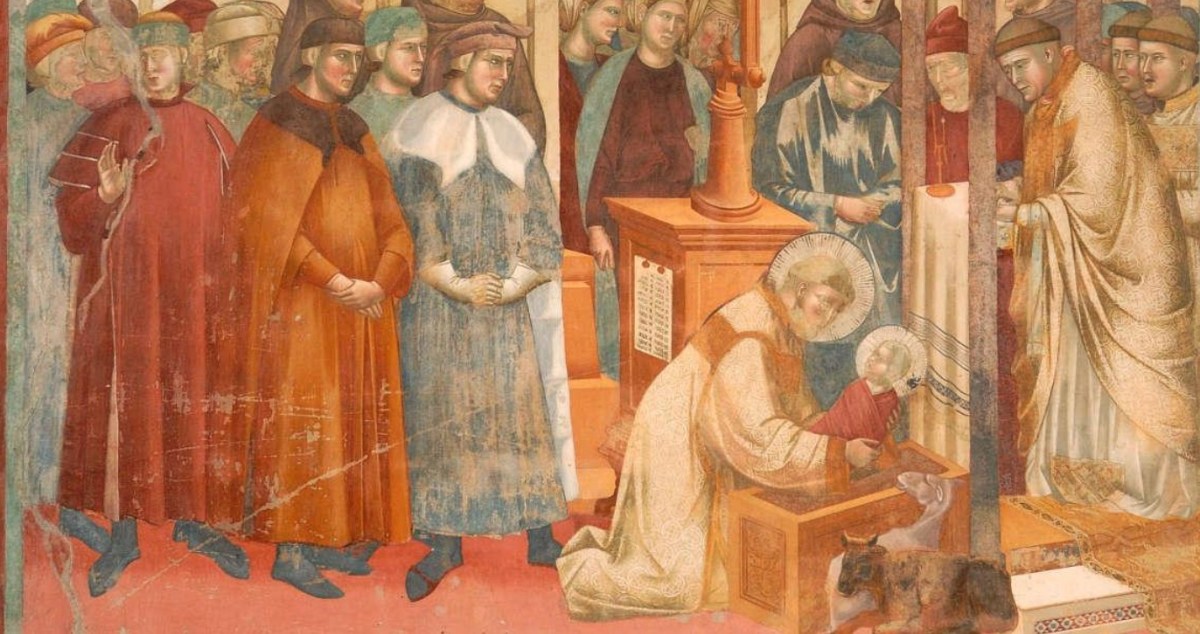
San Francesco e il primo presepe di Greccio: la notte del 1223 che cambiò per sempre il Natale
🇮🇹Nella notte di Natale del 1223, San Francesco d’Assisi diede vita a Greccio alla prima rappresentazione della Natività. Una storia di fede, semplicità e arte che ha cambiato il modo di vivere il Natale… 🇬🇧On Christmas Eve in 1223, in Greccio, Saint Francis of Assisi created the first Nativity scene. It is a story of…
Wildlife Photographer of the Year 2026 a Milano: 100 fotografie straordinarie raccontano la bellezza e la fragilità della natura
🇮🇹Wildlife Photographer of the Year 2026 arriva a Milano: 100 fotografie premiate, lo scatto vincitore di Federico Veronesi e le meraviglie della natura in mostra alla Permanente fino al 7 febbraio 2027… 🇬🇧Wildlife Photographer of the Year 2026 arrives in Milan: 100 award-winning photographs—including the winning shot by Federico Veronesi—and the wonders of nature are…
M’ardeva e mi ghiacciava il cuore: il più felice e infelice degli uomini
In un madrigale del 1522 racconto l’amore tra dolore e felicità. Vi porto nella storia che si cela dietro quei versi… 🇬🇧In a 1522 madrigal, I recount a love that exists between sorrow and happiness. Let me take you into the story that lies behind those verses…
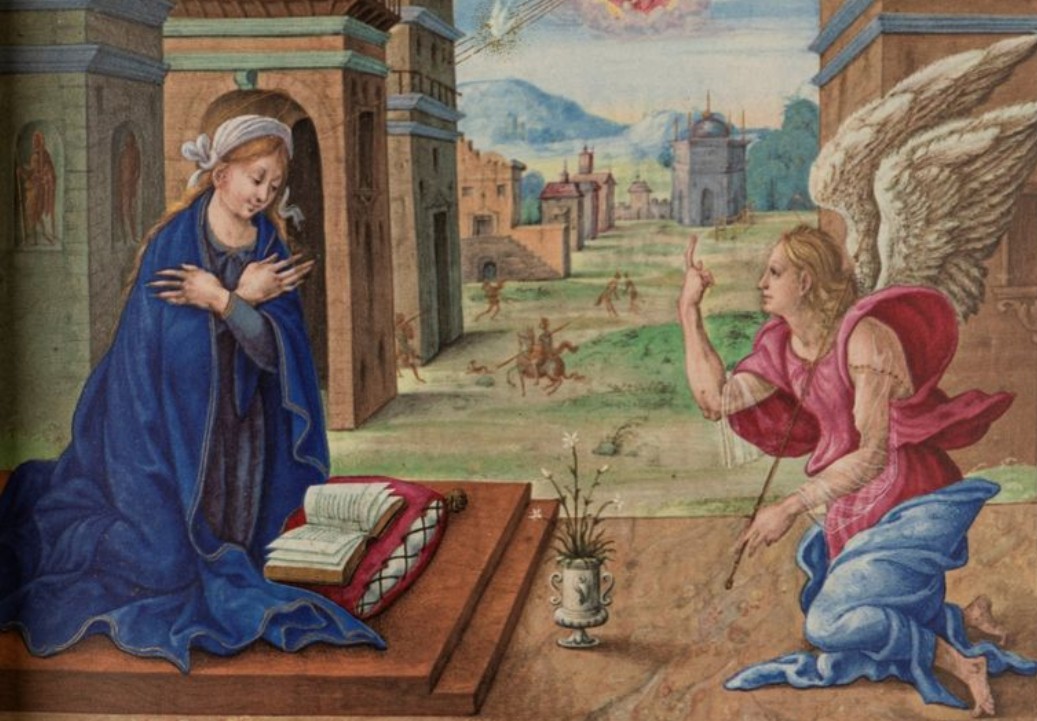
Il Libro d’Ore di Ferrante d’Aragona diventa patrimonio dello Stato: un tesoro rinascimentale da un milione di euro
🇮🇹Il Libro d’Ore di Ferrante d’Aragona entra nel patrimonio dello Stato grazie a una donazione. Capolavoro miniato del Rinascimento, sarà custodito a Napoli… 🇬🇧The Book of Hours of Ferrante of Aragon has become part of the State’s heritage, thanks to a donation. An illuminated masterpiece of the Renaissance, it will be housed in Naples…
Si è verificato un problema. Aggiorna la pagina e/o riprova in seguito.
Condividi:


Questo sono io



sostienici

Sostienici - Support Us
Se questo blog ti piace e ti appassiona, puoi aiutarci a farlo crescere sempre più sostenendoci in modo concreto condividendo i post, seguendo le pagine social e con un contributo che ci aiuta ad andare avanti con il nostro lavoro di divulgazione. . ENGLISH: If you like and are passionate about this blog, you can help us make it grow more and more by supporting us in a concrete way by sharing posts, following social pages and with a contribution that helps us to move forward with our dissemination work.
€10,00


bellissime le tue scelte
"Mi piace""Mi piace"
La ringrazio. Buona Pasqua
"Mi piace""Mi piace"