
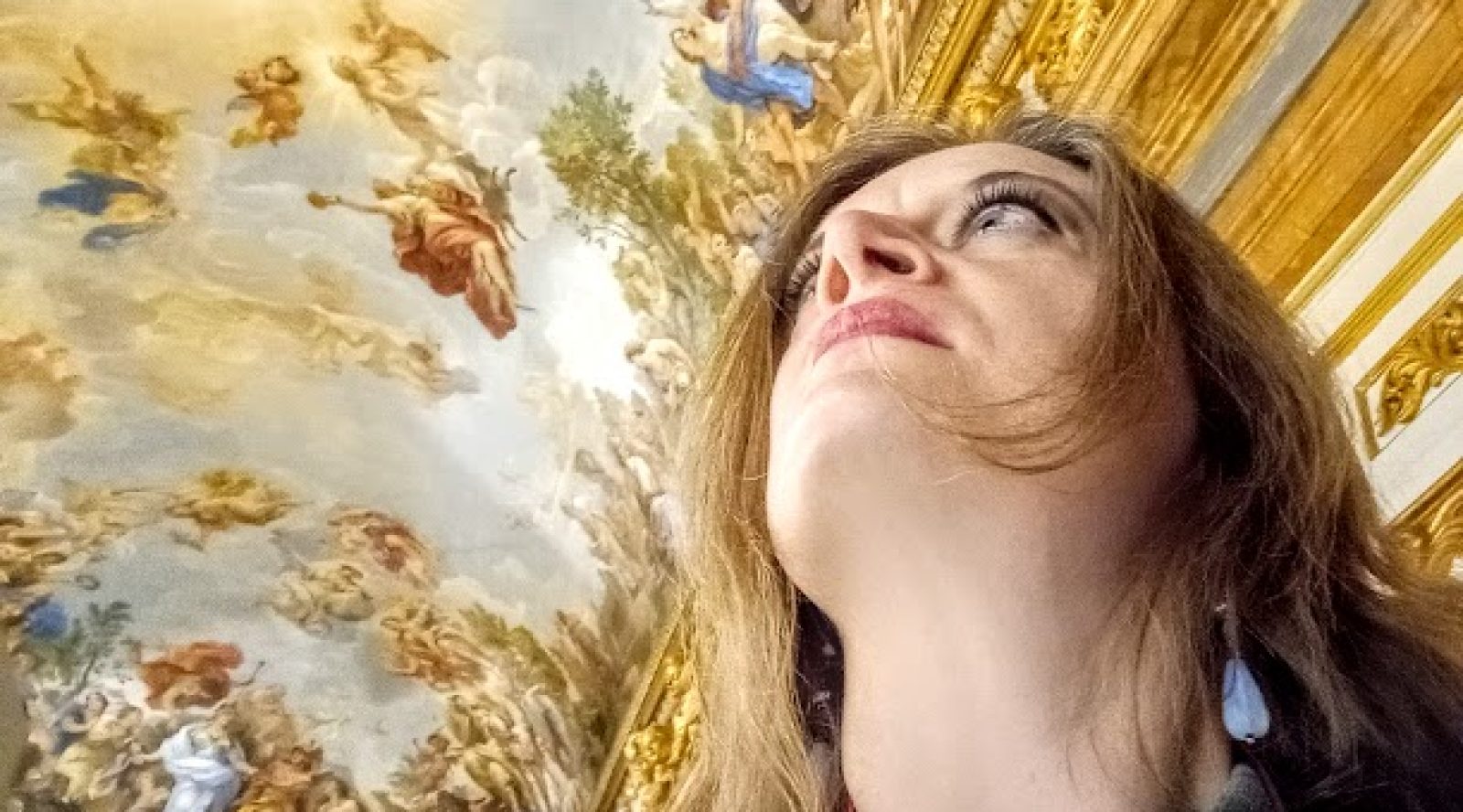
Il taglio a scodella nel Cinquecento: la curiosa acconciatura che compare nel Giudizio Universale della Sistina
Molti secoli prima che parrucchieri e stilisti trasformassero i capelli in una questione di tendenza, nel Rinascimento si portavano già acconciature corte, arrotondate e talvolta sorprendentemente simili a quelle che oggi vedete sulle passerelle.
E sì, anche nei miei affreschi troverete teste con tagli di capelli che sembrano contemporanei. Basta alzare gli occhi verso il Giudizio Universale della Cappella Sistina e guardare il capo dei tanti personaggi che popolano la parete.
I capelli, anche quando sembrano solo un dettaglio, hanno anche loro storie interessanti da raccontare.
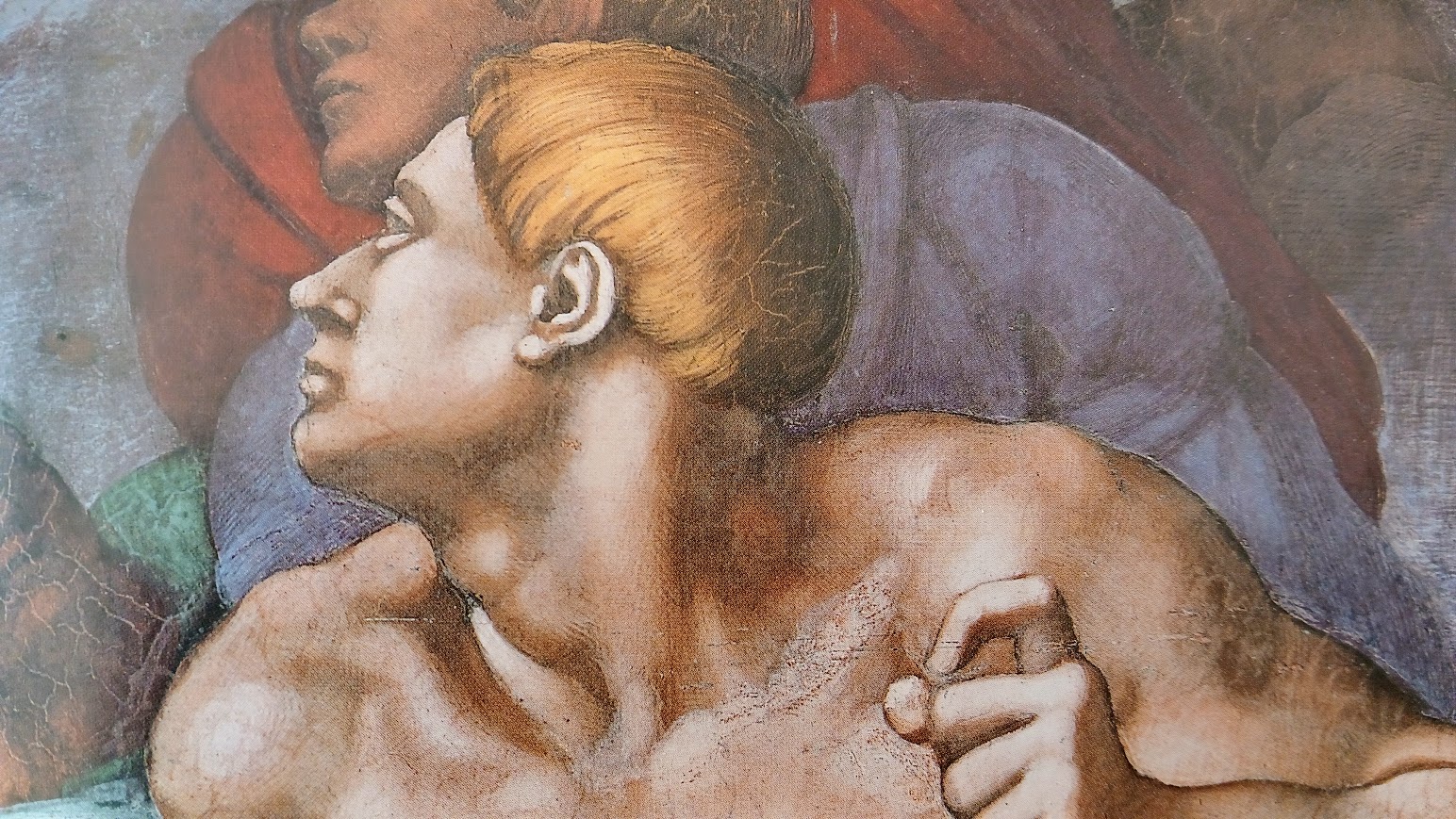
All’inizio del Cinquecento andava di moda il taglio alla paggio
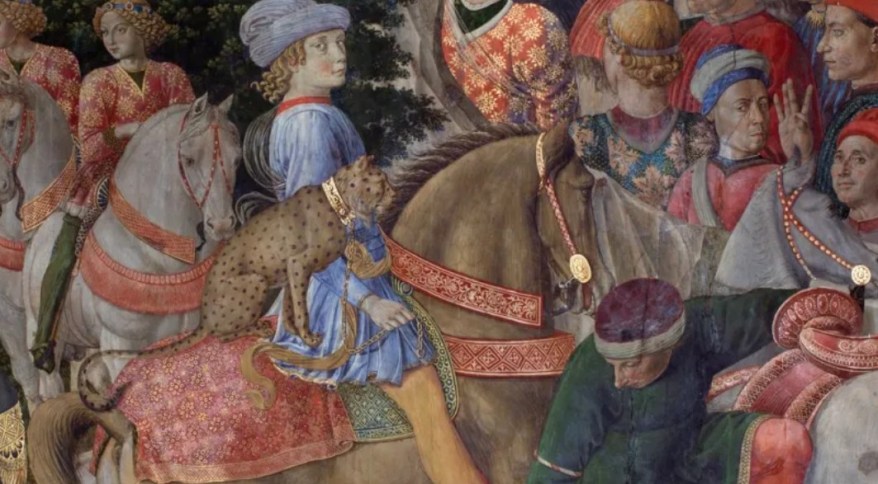
Nei primi decenni del XVI secolo, le capigliature maschili erano ancora legate a modelli che si erano affermati nel Quattrocento. Fra questi c’era il taglio alla paggio, caratterizzato da capelli relativamente lunghi, spesso lisci oppure ondulati, che incorniciavano il viso e potevano arrivare fino alle orecchie o alle spalle.
Non immaginate, però, che esistesse un’unica acconciatura valida per tutti. La lunghezza dei capelli, la presenza di barba e baffi, l’uso di cappelli e copricapi variavano secondo l’età, il ceto sociale, la provenienza e, naturalmente, il gusto personale.
Gli uomini del Rinascimento tenevano alla propria immagine. I ritratti dell’epoca lo dimostrano bene: la capigliatura contribuiva a definire il carattere di un individuo, proprio come l’abito, i gioielli e gli altri accessori.
Il taglio alla paggio aveva un vantaggio evidente: incorniciava il volto, lasciando che fossero i capelli a disegnarne il contorno. Una soluzione semplice, ma efficace, che si prestava tanto ai giovani quanto alle figure idealizzate della pittura.
Dal taglio alla paggio ai capelli più corti
Con il procedere del Cinquecento, le acconciature maschili si trasformarono. Accanto alle capigliature più lunghe cominciarono a diffondersi tagli più corti, mentre barbe e baffi conquistarono progressivamente maggiore spazio nella moda europea.
Non si trattò di una sostituzione improvvisa: le diverse soluzioni continuarono a convivere. La moda, anche allora, non cambiava da un giorno all’altro e non era identica in ogni città d’Italia.
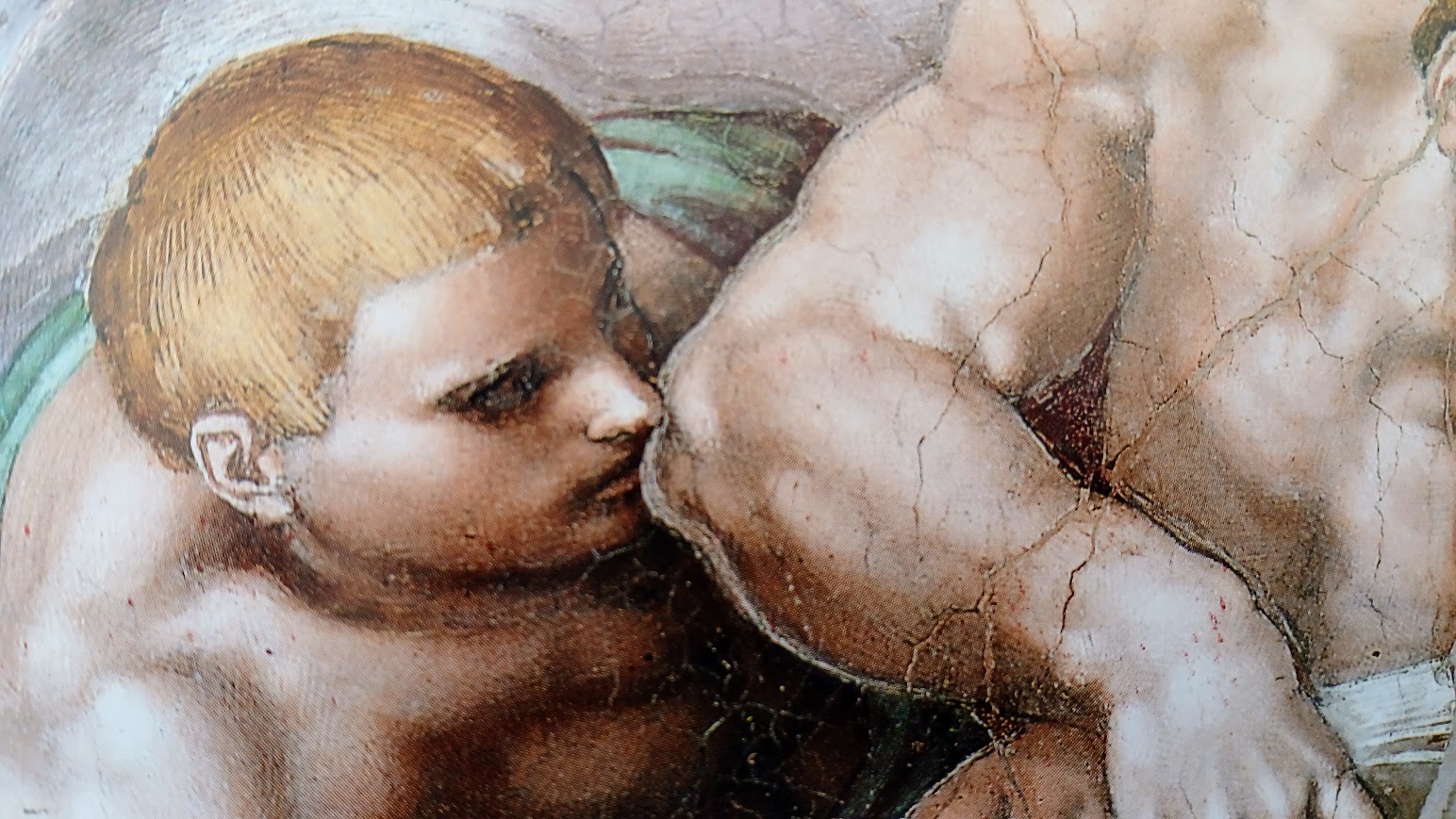
Il taglio corto e arrotondato, con i capelli che seguivano la forma del capo e incorniciavano la fronte, aveva però una qualità che gli artisti conoscevano bene: permetteva di leggere con chiarezza i lineamenti.
Ecco perché, quando si osservano le opere del periodo, si incontrano teste con capigliature che possono ricordare il moderno caschetto o il taglio a scodella. La somiglianza è interessante, ma occorre evitare un equivoco: non tutte queste acconciature erano identiche e non possiamo attribuire loro un unico nome storico valido per ogni caso.
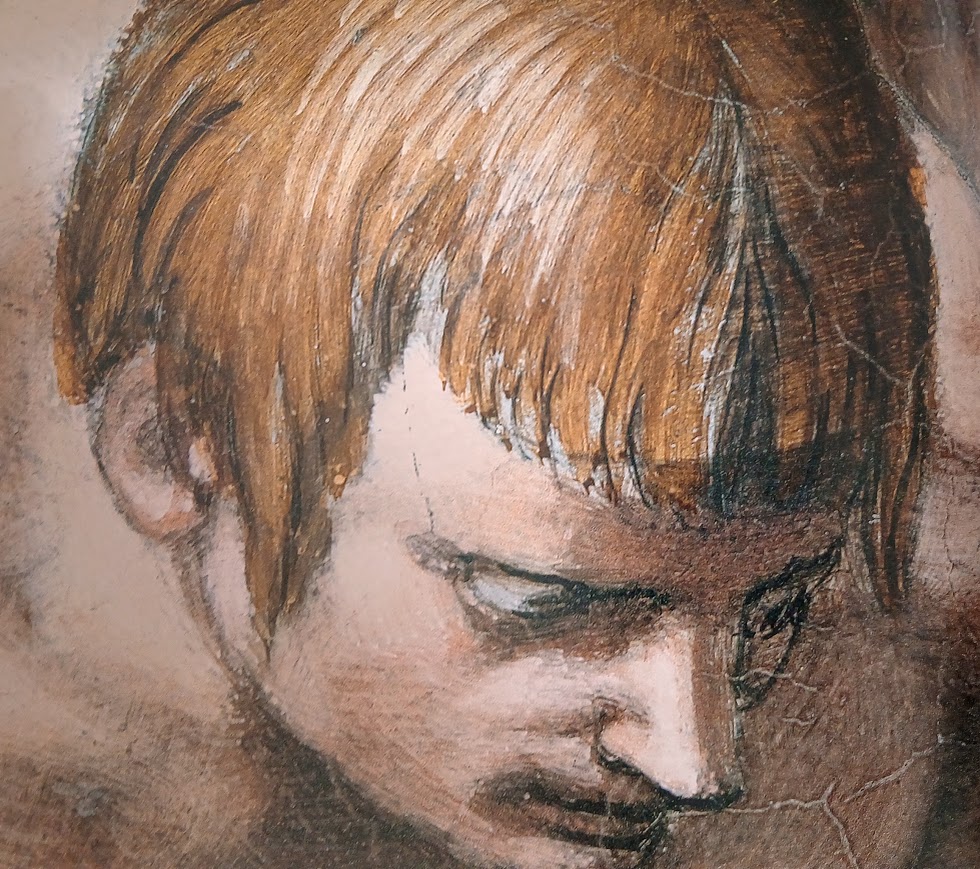
Il taglio a scodella: forma semplice, effetto inconfondibile
Oggi chiamate taglio a scodella un’acconciatura nella quale i capelli vengono tagliati seguendo una linea abbastanza uniforme intorno alla testa, creando un profilo arrotondato. In alcune versioni la frangia è corta e regolare; in altre, i capelli coprono maggiormente le orecchie e la nuca.
Una massa di capelli compatta, una linea continua intorno alla testa e un contorno netto che valorizzava il volto.
Il risultato poteva essere severo, elegante oppure quasi infantile, a seconda delle proporzioni e dei tratti del viso.
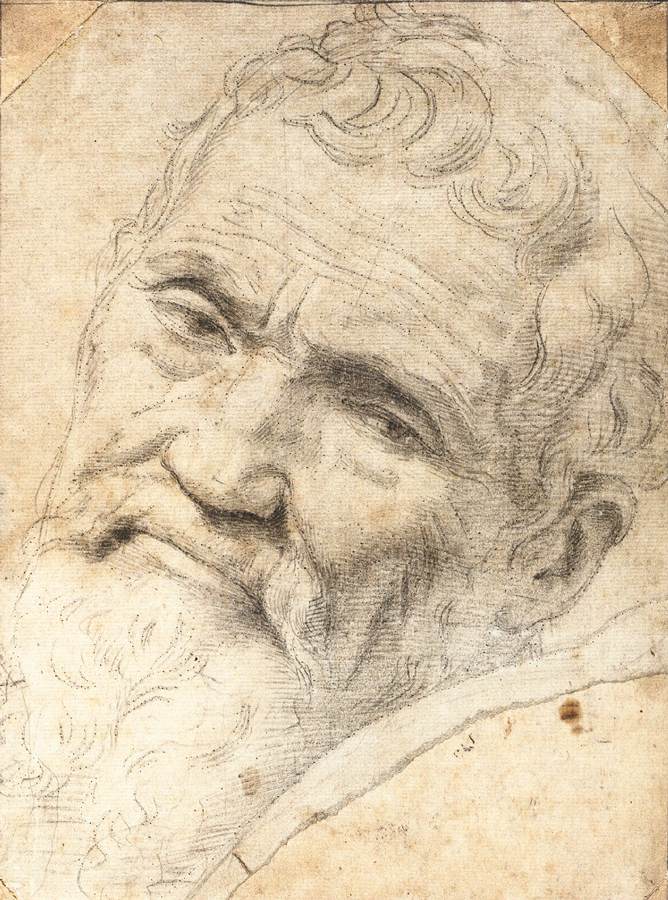
Da pittore e scultore, sapevo bene quanto la forma della capigliatura potesse cambiare la percezione di una testa. I capelli non sono soltanto materia da riprodurre: sono volumi, ombre, linee che accompagnano la struttura del cranio e rendono più leggibili i caratteri di un volto.
Quando dipingevo una moltitudine di figure, come nella mia grande visione del Giudizio, ogni scelta formale contribuiva all’equilibrio dell’insieme.
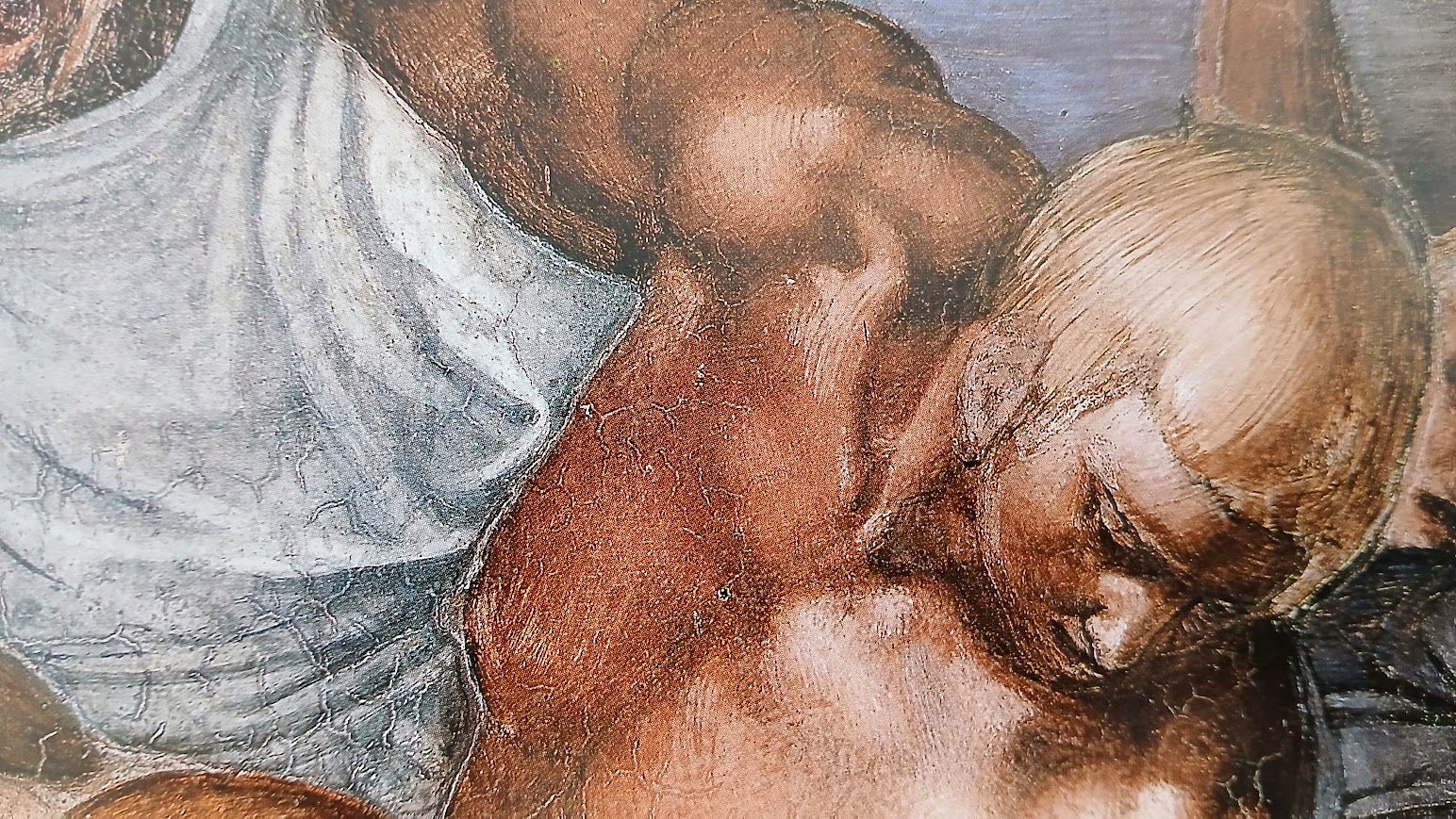
Il Giudizio Universale: osservate le teste, non soltanto i corpi
Quando dipinsi il Giudizio Universale sulla parete d’altare della Cappella Sistina, lavorai a un’impresa monumentale. Quasi quattrocento figure si muovono in una composizione dominata dal gesto di Cristo, fra risorti, santi, angeli e dannati
In un’opera tanto affollata, ogni dettaglio doveva concorrere alla costruzione di un mondo credibile, ma anche intensamente drammatico.
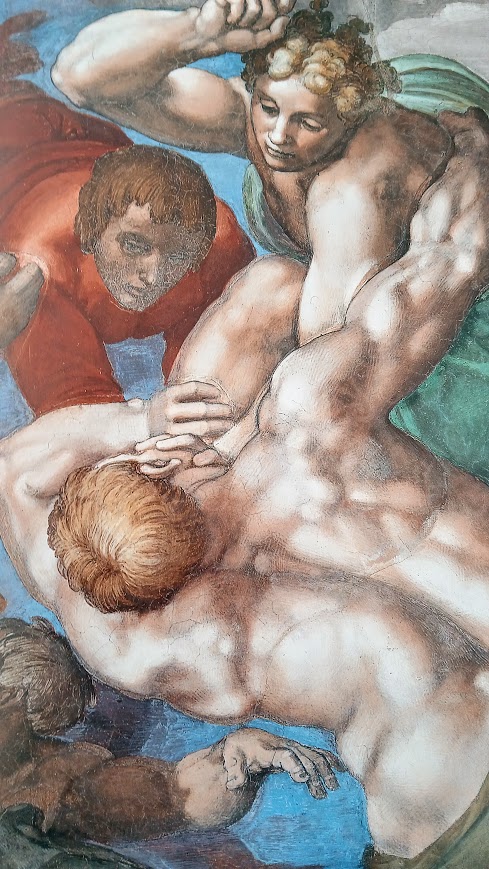
Vi invito allora a guardare oltre i muscoli possenti, i corpi in torsione e i gesti concitati. Fermatevi sulle teste. Alcune sono incorniciate da capigliature corte e aderenti; altre presentano masse di capelli più lunghe, ricciute oppure mosse dal movimento della figura.
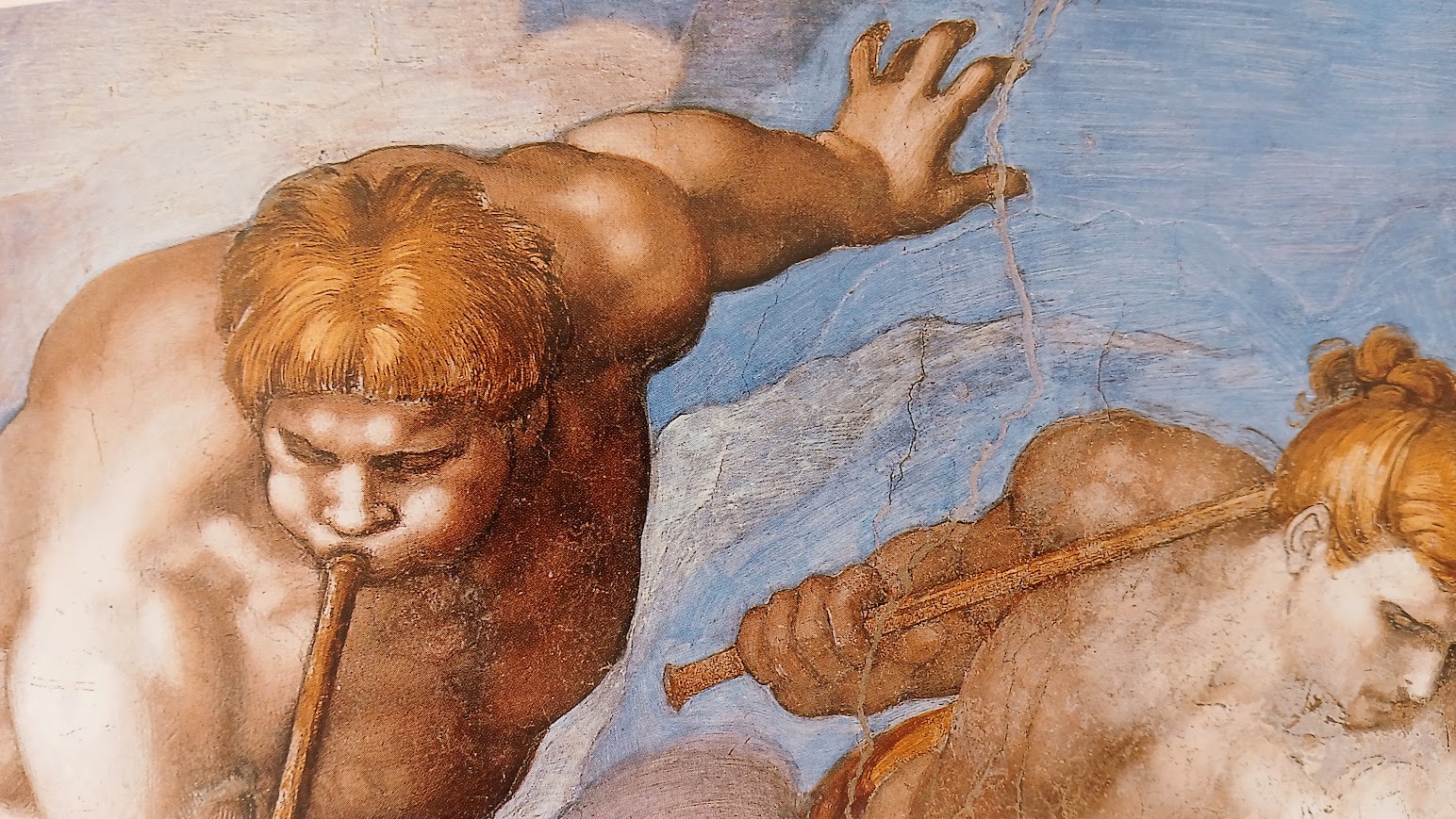
Fra queste, potete riconoscere numerosi profili che ricordano il taglio a scodella: capelli raccolti in una forma arrotondata, con una linea compatta che segue la testa e lascia emergere il volto.
Nel Giudizio Universale, dove le figure si sovrappongono e si torcono in ogni direzione, la chiarezza dei profili era preziosa. Le teste dovevano distinguersi le une dalle altre, pur appartenendo a una composizione unitaria.
Per il momento il sempre vostro Michelangelo Buonarroti vi saluta dandovi appuntamento ai prossimi post e sui social.
The 16th-Century Bowl Cut: The Curious Hairstyle Appearing in the Sistine Chapel’s Last Judgment
Long before hairdressers and stylists turned hair into a matter of fashion trends, Renaissance men were already sporting short, rounded hairstyles—styles that sometimes bear a surprising resemblance to what you see on today’s runways.
And yes, even in my frescoes, you will find heads with haircuts that look strikingly modern. You need only look up at the Last Judgment in the Sistine Chapel and observe the hairstyles of the many figures populating that wall.
Hair, even when it seems like a mere detail, has its own interesting stories to tell.
The “Pageboy” Cut Was in Vogue in the Early 16th Century
In the early decades of the 16th century, men’s hairstyles were still rooted in trends established during the 15th century. Among these was the “pageboy” cut, characterized by relatively long hair—often straight or wavy—that framed the face and could reach as far down as the ears or shoulders.
However, do not imagine there was a single, universal hairstyle. Hair length, the presence of beards and moustaches, and the use of hats and headgear varied according to age, social class, place of origin, and, naturally, personal taste.
Renaissance men cared about their image. Portraits from the era demonstrate this clearly: a hairstyle helped define an individual’s character, just as clothing, jewelry, and other accessories did.
The pageboy cut offered a clear advantage: it framed the face, allowing the hair itself to define the facial contours. It was a simple yet effective solution that suited both real-life young men and the idealized figures found in paintings. From the pageboy cut to shorter styles
As the sixteenth century progressed, men’s hairstyles underwent a transformation. Alongside longer hair, shorter cuts began to gain popularity, while beards and moustaches increasingly became a fixture of European fashion.
This was not a sudden replacement; various styles coexisted. Fashion, even then, did not change overnight, nor was it uniform across every Italian city.
However, the short, rounded cut—with hair following the shape of the head and framing the forehead—possessed a quality well understood by artists: it allowed facial features to be clearly defined.
That is why, when viewing works from this period, one encounters heads with hairstyles reminiscent of the modern bob or the bowl cut. While the resemblance is striking, a common misconception must be avoided: not all these hairstyles were identical, and there is no single historical term that applies to every instance.
The bowl cut: simple shape, unmistakable effect
Today, we use the term “bowl cut” to describe a hairstyle where the hair is cut along a fairly uniform line around the head, creating a rounded profile. In some versions, the fringe is short and even; in others, the hair covers more of the ears and the nape of the neck.
A compact mass of hair, a continuous line encircling the head, and a sharp outline that accentuated the face.
The result could appear severe, elegant, or even childlike, depending on the proportions and the individual’s facial features.
As a painter and sculptor, I was well aware of how the shape of a hairstyle could alter the perception of a head. Hair is not merely matter to be reproduced; it consists of volumes, shadows, and lines that follow the structure of the skull and make the features of a face more distinct.
When I painted a multitude of figures—as in my grand vision of the Last Judgment—every formal choice contributed to the balance of the whole.
The Last Judgment: observe the heads, not just the bodies
When I painted the Last Judgment on the altar wall of the Sistine Chapel, I undertook a monumental task. Nearly four hundred figures move within a composition dominated by the gesture of Christ—a throng of the resurrected, saints, angels, and the damned.
In a work so crowded, every detail had to contribute to the creation of a world that was both credible and intensely dramatic.
I invite you, then, to look beyond the powerful muscles, the twisting bodies, and the agitated gestures. Focus on the heads. Some are framed by short, close-fitting hair; others feature longer masses of hair—curly or stirred by the figure’s movement.
Among them, you can recognize numerous profiles reminiscent of a bowl cut: hair gathered into a rounded shape, with a solid line that follows the curve of the head and allows the face to emerge.
In the Last Judgment, where figures overlap and twist in every direction, the clarity of the profiles was invaluable. The heads had to be distinguishable from one another belonging to a unified composition.
For now, your ever-faithful Michelangelo Buonarroti bids you farewell and looks forward to seeing you in future posts and on social media.
Sostienici – Support Us
Se questo blog ti piace e ti appassiona, puoi aiutarci a farlo crescere sempre più sostenendoci in modo concreto condividendo i post, seguendo le pagine social e con un contributo che ci aiuta ad andare avanti con il nostro lavoro di divulgazione. . ENGLISH: If you like and are passionate about this blog, you can help us make it grow more and more by supporting us in a concrete way by sharing posts, following social pages and with a contribution that helps us to move forward with our dissemination work.
10,00 €
Condividi:


Questo sono io



sostienici

Sostienici - Support Us
Se questo blog ti piace e ti appassiona, puoi aiutarci a farlo crescere sempre più sostenendoci in modo concreto condividendo i post, seguendo le pagine social e con un contributo che ci aiuta ad andare avanti con il nostro lavoro di divulgazione. . ENGLISH: If you like and are passionate about this blog, you can help us make it grow more and more by supporting us in a concrete way by sharing posts, following social pages and with a contribution that helps us to move forward with our dissemination work.
€10,00


