

Amore promette gioia e domanda pianto
Ho sempre saputo che Amore non concede mai una gioia senza chiedere qualcosa in cambio. Pare che ci porga una dolcezza, ma sotto quella dolcezza nasconde ferite.
Quanto più promette di consolare, tanto più profondamente sa affliggere l’animo di colui che ama. Volli indirizzare a lui uno dei miei intensi madrigali.

Se per darmi gioia voleva colmarmi d’affanni e di pianto, allora che mi ferisse pure e che il suo strale fosse così crudele da non lasciarmi tempo alcuno fra il male e la morte.
C’è il dolore che lentamente consuma e quello che cade sopra l’uomo come un colpo improvviso. Il primo lascia tempo alle lacrime, alle speranze, ai sospiri. Lascia l’amante solo con il proprio tormento e gli concede fin troppo tempo per nutrire ciò che lo distrugge.
Il secondo non concede nulla: ferisce e subito conduce alla morte. E proprio per questo, paradossalmente, mi era più caro.
Lo strale che non lascia tempo al pianto
Non crediate che io celebri la morte, celebro la fine del tormento. L’amante che rimane in vita porta con sé la propria ferita. Ogni giorno la riapre con il pensiero, con il desiderio, con il ricordo. Le sue lacrime sono il tributo che Amore esige senza mai saziarsene.
Se lo strale è tanto crudele da togliere subito la vita, allora Amore perde anche quel tributo. Non più lacrime, non più attesa. Non c’è più quell’infinito strazio che tiene l’anima sospesa fra ciò che desidera e ciò che non può avere.
Non per le mie doglie, ma per la mia morte
Non posso ringraziare Amore per le pene che mi ha dato. Non gli sono grato per i sospiri, né per le lacrime, né per quelle doglie che l’anima conosce quando desidera ciò che le è negato.
Se gli devo gratitudine, è soltanto per la morte. Perché la morte ha una virtù che nessun’altra medicina possiede: toglie la vita e con la vita toglie anche ogni male.
È questo il pensiero che affido al madrigale.
Un pensiero forse amaro, forse persino crudele, ma che nasce dalla conoscenza di quanto possa essere lunga la sofferenza di chi ama. Amore promette gioia e domanda pianto.
Io gli rispondo che, se proprio deve ferirmi, preferisco il suo colpo più spietato a una ferita che continui a sanguinare nell’anima.
Amore, dunque, non ti chiedo misericordia
Che colpisca dunque ma una volta sola. E’ più facile sopportare uno strale che una ferita continuamente rinnovata. E così, alla fine, mi ritrovavo a ringraziare proprio colui che mi ha ferito.
Forse questa è la più strana delle mie contraddizioni: ringraziare Amore non perché mi ha fatto vivere la sua gioia, ma perché, attraverso la morte, ha saputo liberarmi dal suo dolore.
Ogni male può essere sopportato, se ha una fine. Ciò che non finisce diventa la vera morte dell’anima.
Se per gioir pur brami affanni e pianti,
più crudo, Amor, m’è più caro ogni strale,
che fra la morte e ’l male
non dona tempo alcun, né brieve spazio:
tal c’a ’ncider gli amanti
i pianti perdi, e ’l nostro è meno strazio.
Ond’io sol ti ringrazio
della mie morte e non delle mie doglie,
c’ogni mal sana chi la vita toglie.
Per il momento il sempre vostro Michelangelo Buonarroti vi saluta dandovi appuntamento ai prossimi post e sui social.
Love promises joy and demands tears
I have always known that Love never grants a joy without asking for something in return. It seems to offer us sweetness, yet beneath that sweetness, it hides wounds.
The more it promises to console, the more deeply it can afflict the soul of the one who loves. I wished to address one of my impassioned madrigals to it.
If, to grant me joy, it meant to fill me with anguish and tears, then let it wound me—and let its arrow be so cruel that it leaves no time at all between the blow and death.
There is the pain that slowly consumes, and the pain that strikes a man like a sudden blow. The former leaves time for tears, for hopes, for sighs. It leaves the lover alone with his torment, granting him all too much time to nurture the very thing that destroys him.
The latter grants nothing: it wounds and immediately leads to death. And for that very reason—paradoxically—it was dearer to me.
The arrow that leaves no time for tears
Do not think I celebrate death; I celebrate the end of torment. The lover who remains alive carries his wound with him. Every day, he reopens it with his thoughts, his desires, his memories. His tears are the tribute Love demands, yet is never sated by.
If the arrow is cruel enough to take life instantly, then Love loses that tribute as well. No more tears, no more waiting. Gone is that infinite anguish that keeps the soul suspended between what it desires and what it cannot have.
Not for my suffering, but for my death
I cannot thank Love for the pains it has inflicted upon me. I am not grateful for the sighs, nor the tears, nor the suffering the soul knows when it desires what is denied to it.
If I owe it any gratitude, it is solely for death. For death possesses a virtue that no other medicine holds: it takes away life, and with life, it takes away all suffering too.
This is the thought I entrust to the madrigal.
A thought perhaps bitter, perhaps even cruel, yet born of the knowledge of how long the suffering of a lover can last. Love promises joy but demands tears.
I answer Love thus: if you must wound me, I prefer your most ruthless blow to a wound that bleeds on within the soul.
Love, then, I ask no mercy of you
Strike, but strike only once. It is easier to bear a single arrow than a wound that is constantly reopened. And so, in the end, I found myself thanking the very one who wounded me.
Perhaps this is the strangest of my contradictions: thanking Love not for the joy it allowed me to experience, but because, through death, it freed me from its pain.
Any suffering can be endured if it has an end. That which never ends becomes the true death of the soul.
Se per gioir pur brami affanni e pianti,
più crudo, Amor, m’è più caro ogni strale,
che fra la morte e ’l male
non dona tempo alcun, né brieve spazio:
tal c’a ’ncider gli amanti
i pianti perdi, e ’l nostro è meno strazio.
Ond’io sol ti ringrazio
della mie morte e non delle mie doglie,
c’ogni mal sana chi la vita toglie.
For now, your ever-faithful Michelangelo Buonarroti bids you farewell and looks forward to seeing you in future posts and on social media.

Sostienici – Support Us
Se questo blog ti piace e ti appassiona, puoi aiutarci a farlo crescere sempre più sostenendoci in modo concreto condividendo i post, seguendo le pagine social e con un contributo che ci aiuta ad andare avanti con il nostro lavoro di divulgazione. . ENGLISH: If you like and are passionate about this blog, you can help us make it grow more and more by supporting us in a concrete way by sharing posts, following social pages and with a contribution that helps us to move forward with our dissemination work.
10,00 €
-
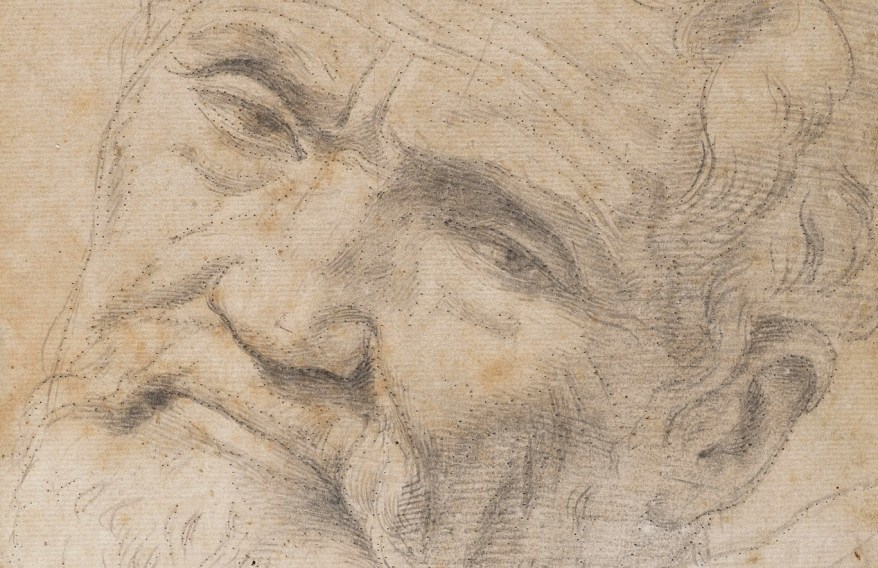
Facevo paura anche ai papi
🇮🇹Facevo paura persino ai papi. Non sono mai stato famoso per la diplomazia. Avevo un carattere difficile, poca pazienza e nessuna voglia di compiacere i potenti… 🇬🇧I struck fear even into popes. I was never known for diplomacy. I had a difficult temperament, little patience, and no desire to curry favor with the powerful…
-
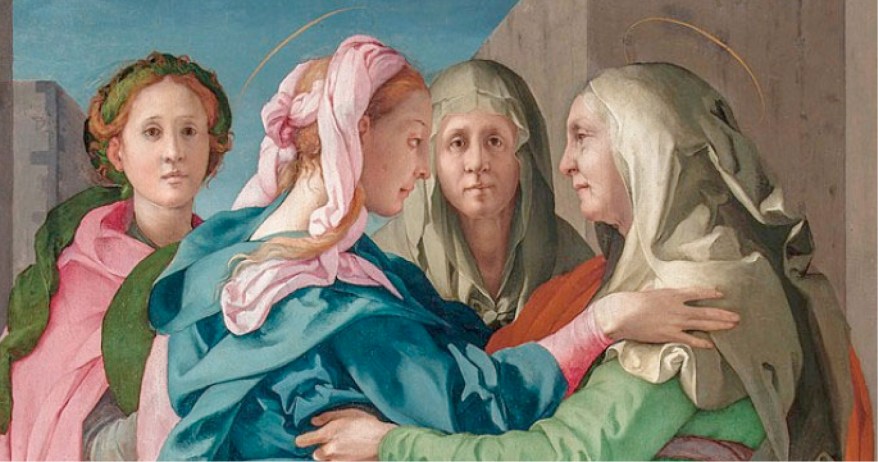
Pontormo a Roma: apre oggi la grande mostra alle Scuderie del Quirinale
🇮🇹Apre oggi a Roma la mostra di Pontormo: oltre 130 opere, la celebre Visitazione, dipinti, disegni e prestiti internazionali alle Scuderie del Quirinale… 🇬🇧A Pontormo exhibition opens today in Rome at the Scuderie del Quirinale, featuring over 130 works—including the famous *Visitation*—as well as paintings, drawings, and international loans…
-
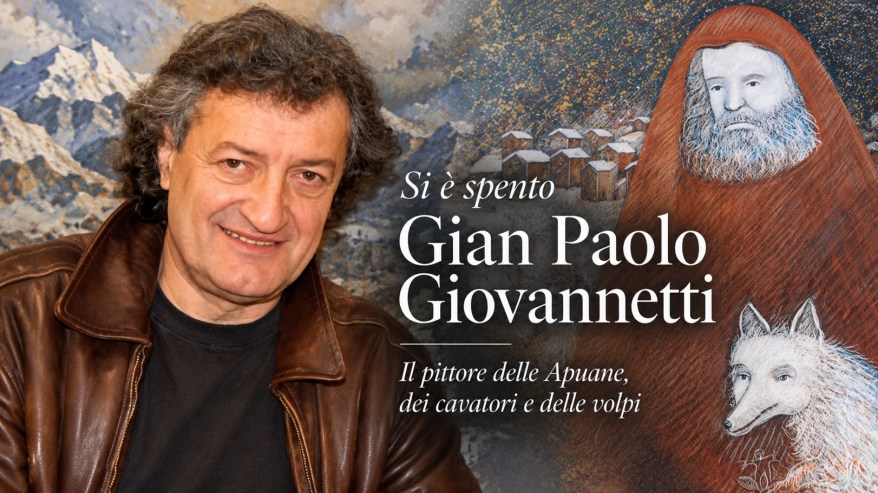
Si è spento Gian Paolo Giovannetti, il pittore delle Apuane, dei cavatori e delle volpi
🇮🇹È morto Gian Paolo Giovannetti, pittore e scultore di Giustagnana. Il ricordo di un artista che ha raccontato Apuane, cavatori, volpi e Alta Versilia… 🇬🇧Gian Paolo Giovannetti, a painter and sculptor from Giustagnana, has passed away. A tribute to an artist who chronicled the Apuan Alps, quarrymen, foxes, and Alta Versilia…
Condividi:


Questo sono io




sostienici

Sostienici – Support Us
Se questo blog ti piace e ti appassiona, puoi aiutarci a farlo crescere sempre più sostenendoci in modo concreto condividendo i post, seguendo le pagine social e con un contributo che ci aiuta ad andare avanti con il nostro lavoro di divulgazione. . ENGLISH: If you like and are passionate about this blog, you can help us make it grow more and more by supporting us in a concrete way by sharing posts, following social pages and with a contribution that helps us to move forward with our dissemination work.
€10,00


