
La Piramide Cestia riapre dopo tre anni: già sold out
Roma ritrova uno dei suoi monumenti più sorprendenti. Dal 4 settembre al 31 ottobre 2026 la Piramide Cestia torna visitabile dopo tre anni di chiusura, al termine di un importante intervento di restauro e valorizzazione finanziato dal PNRR – Caput Mundi. Le visite però sono già sold out.
A Roma siamo abituati a camminare accanto a monumenti che fanno parte del paesaggio quotidiano quasi senza accorgerci di quanto siano straordinari. La Piramide Cestia la vediamo, la riconosciamo, la associamo immediatamente alla Roma più insolita e sorprendente, ma entrare al suo interno e scoprirne la storia è un’esperienza molto diversa dal semplice passaggio davanti alla sua caratteristica sagoma bianca.
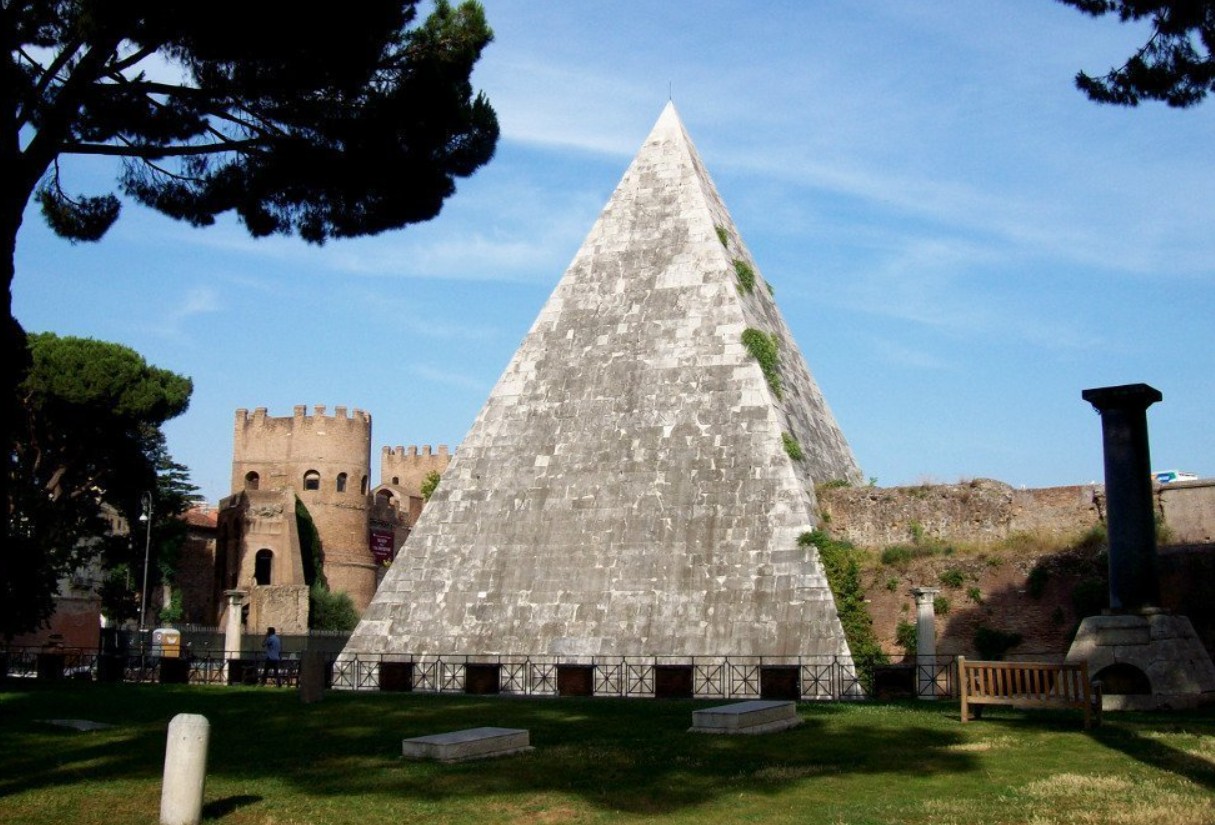
Dopo tre anni di chiusura, la Piramide Cestia riapre finalmente al pubblico, tornando protagonista della vita culturale della Capitale con un progetto che non si è limitato al semplice restauro del monumento, ma ha interessato anche gli spazi circostanti, l’accessibilità, l’accoglienza e l’illuminazione.
La Piramide Cestia riapre dopo tre anni
La riapertura del 4 settembre segna la conclusione di un importante intervento realizzato dalla Soprintendenza Speciale di Roma nell’ambito del PNRR – Caput Mundi.
Il progetto ha permesso di mettere in sicurezza la scalinata di accesso, migliorare i percorsi, riqualificare le aree verdi e intervenire sull’impianto di irrigazione. Sono stati inoltre installati nuovi pannelli informativi e migliorate le recinzioni, mentre l’accesso da piazzale Ostiense è stato rinnovato con un nuovo cancello e un corrimano lungo la scalinata.
Un intervento, quindi, pensato non soltanto per conservare un monumento antico, ma anche per renderlo più accessibile e comprensibile a chi lo visita.
La grande novità è la nuova illuminazione
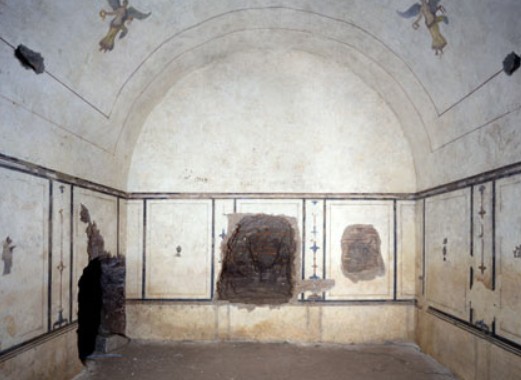
La Piramide Cestia dispone ora di un nuovo sistema di illuminazione scenografica, progettato per valorizzare sia i volumi architettonici del monumento sia gli ambienti interni.
La luce accompagna lo sguardo del visitatore e permette di osservare con maggiore efficacia anche gli apparati decorativi e gli affreschi della camera funeraria. Un dettaglio particolarmente interessante perché consente di vivere la Piramide Cestia anche nelle ore serali con un’atmosfera completamente diversa da quella di una normale visita diurna.
La Piramide Cestia si può visitare anche di notte
Dal 4 settembre al 31 ottobre 2026 è stato organizzato un calendario di aperture straordinarie gratuite, con appuntamenti diurni e serali.
Le aperture serali con visita guidata sono previste nei venerdì 4, 11, 18 e 25 settembre, con tre turni alle 19.00, 20.00 e 21.00. Ogni turno può accogliere un massimo di 30 partecipanti.
Le aperture diurne sono invece previste il 5, 12 e 19 settembre e il 3, 10, 17, 24 e 31 ottobre, con turni alle 16.30, 17.30 e 18.30, mentre nelle giornate del 26 e 27 settembre, in occasione delle Giornate Europee del Patrimonio, sono previste aperture speciali dalle 10 alle 16.
Tutte le visite sono gratuite e con prenotazione obbligatoria. Peccato, però, per chi ha scoperto la notizia soltanto adesso.
È già tutto sold out
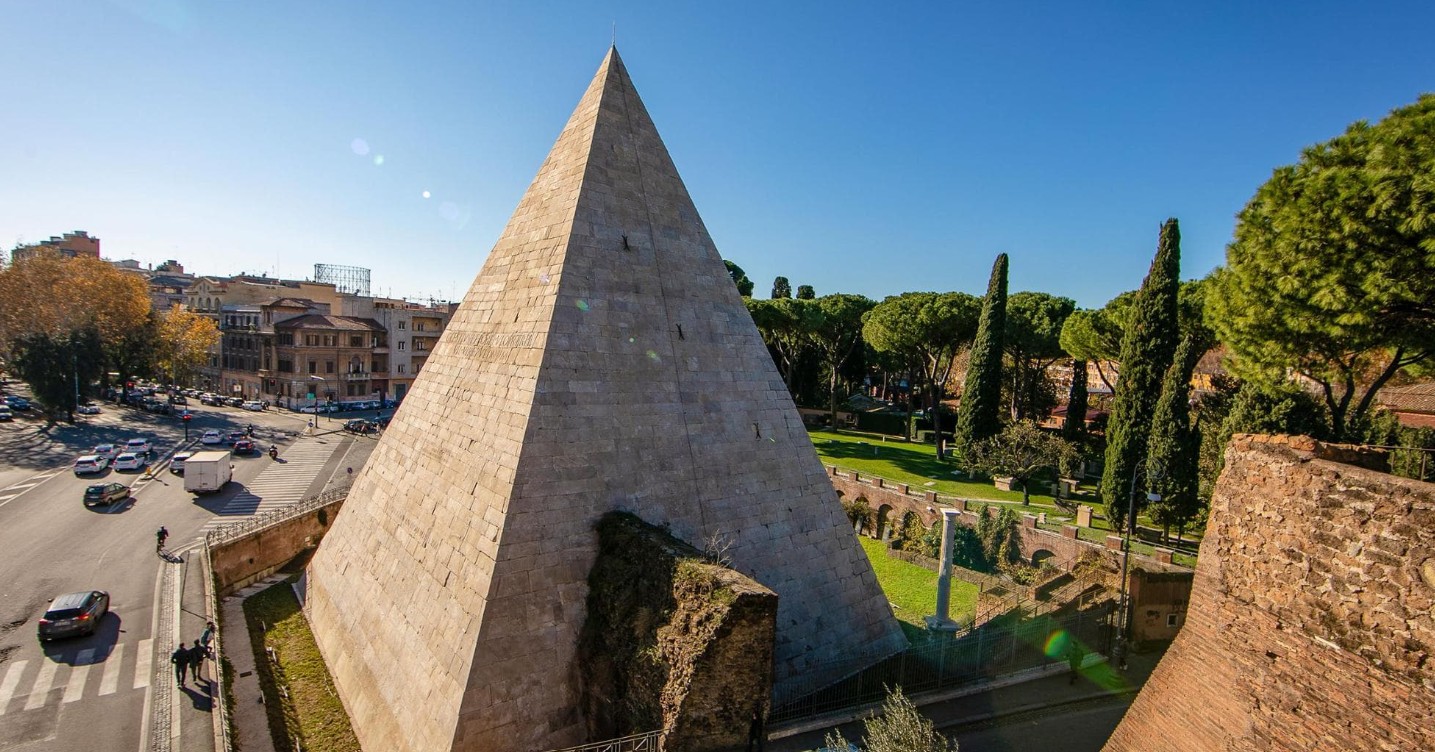
L’interesse per la riapertura è stato immediato e i posti disponibili risultano già esauriti. La pagina ufficiale delle prenotazioni della Soprintendenza Speciale di Roma segnala infatti l’evento come “Sold out”.
Una risposta del pubblico che non sorprende troppo. La possibilità di entrare in uno dei monumenti più curiosi e meno accessibili della Roma antica, per di più gratuitamente e con la possibilità di visitarlo anche in orario serale, ha evidentemente conquistato moltissimi visitatori.
Ma perché a Roma c’è una piramide?
È probabilmente questa la domanda che viene spontanea a chiunque attraversi la zona di Porta San Paolo.
La risposta ci porta indietro di oltre duemila anni.
La Piramide Cestia fu costruita tra il 18 e il 12 a.C. come monumento funerario per Gaio Cestio Epulone, magistrato romano. La sua forma così particolare è legata alla moda egizia che si diffuse a Roma dopo la conquista dell’Egitto e, in particolare, dopo la battaglia di Azio del 31 a.C.
Una piramide costruita in appena 330 giorni
La Piramide Cestia fu realizzata in soli 330 giorni, secondo precise disposizioni testamentarie.
Non è soltanto una curiosità: racconta molto bene quanto fosse importante per Gaio Cestio assicurarsi che il proprio monumento funerario fosse completato rapidamente e secondo le sue volontà.
E così quella piramide che oggi appare quasi come un elemento estraneo rispetto all’architettura tradizionale romana è diventata, nei secoli, uno dei simboli più riconoscibili di questa parte della città.
La Piramide Cestia e le mura Aureliane
Nel III secolo la Piramide venne inglobata nelle Mura Aureliane, contribuendo così alla sua conservazione e integrandosi definitivamente nel paesaggio urbano di Roma. È anche per questo che oggi possiamo ancora ammirare un monumento funerario così particolare, sopravvissuto a trasformazioni urbanistiche, cambiamenti e secoli di storia.
La Piramide Cestia è una testimonianza della Roma antica, della sua fascinazione per l’Egitto e della capacità della città di trasformare nel tempo i propri monumenti senza cancellarne completamente la memoria.
Per il momento il sempre vostro Michelangelo Buonarroti vi saluta dandovi appuntamento ai prossimi post e sui social, attendendo nuove aperture per poter visitare la Piramide Cestia dopo la riapertura al pubblico.
The Pyramid of Cestius reopens after three years: already sold out
Rome rediscovers one of its most astonishing monuments. From September 4th to October 31st, 2026, the Pyramid of Cestius will be open to the public again after three years of closure, following a major restoration and enhancement project funded by the PNRR – Caput Mundi. However, tours are already sold out.
In Rome, we’re accustomed to walking past monuments that are part of our everyday landscape, almost without realizing how extraordinary they are. We see the Pyramid of Cestius, we recognize it, we immediately associate it with the most unusual and surprising Rome, but entering its interior and discovering its history is a very different experience than simply walking past its distinctive white silhouette.
After three years of closure, the Pyramid of Cestius is finally reopening to the public, returning to the center of the capital’s cultural life with a project that went beyond the simple restoration of the monument itself, but also involved the surrounding spaces, accessibility, reception, and lighting.
The Pyramid of Cestius reopens after three years
The reopening on September 4th marks the conclusion of a major project carried out by the Special Superintendency of Rome as part of the PNRR – Caput Mundi.
The project made it possible to secure the access steps, improve the pathways, redevelop the green areas, and intervene on the irrigation system. New information panels were also installed and the fencing was improved, while the access from Piazzale Ostiense was renovated with a new gate and a handrail along the steps.
This project, therefore, was designed not only to preserve an ancient monument, but also to make it more accessible and understandable for visitors.
The big news is the new lighting
The Pyramid of Cestius now features a new scenographic lighting system, designed to enhance both the monument’s architectural volumes and its interior spaces.
The light guides the visitor’s gaze and allows for a more effective observation of the decorative elements and frescoes in the burial chamber. This is a particularly interesting detail because it allows you to experience the Pyramid of Cestius even in the evening, with a completely different atmosphere than a normal daytime visit.
The Pyramid of Cestius can also be visited at night
From September 4th to October 31st, 2026, a schedule of free special openings has been organized, with daytime and evening appointments.
Evening openings with guided tours are scheduled for Fridays, September 4th, 11th, 18th, and 25th, with three sessions at 7:00 PM, 8:00 PM, and 9:00 PM. Each session can accommodate a maximum of 30 participants.
Daytime openings are scheduled for September 5, 12, and 19, and October 3, 10, 17, 24, and 31, with openings at 4:30, 5:30, and 6:30 PM. On September 26 and 27, in celebration of the European Heritage Days, special openings are scheduled from 10:00 AM to 4:00 PM.
All visits are free and reservations are required. It’s a shame, however, for those who have only just learned the news.
It’s already sold out
Interest in the reopening was immediate, and all available spots are already sold out. The official reservations page of the Special Superintendency of Rome lists the event as “Sold Out.”
This response from the public is not entirely surprising. The opportunity to enter one of the most curious and least accessible monuments of ancient Rome, free of charge and with the option of visiting in the evening, has clearly captivated many visitors.
But why is there a pyramid in Rome?
This is probably the question that comes naturally to anyone passing through the Porta San Paolo area.
The answer takes us back over two thousand years.
The Pyramid of Cestius was built between 18 and 12 BC as a funerary monument for Gaius Cestius Epulone, a Roman magistrate. Its distinctive shape is linked to the Egyptian fashion that spread to Rome after the conquest of Egypt and, in particular, after the Battle of Actium in 31 BC.
A pyramid built in just 330 days
The Pyramid of Cestius was built in just 330 days, according to precise testamentary instructions.
It’s not just a curiosity: it clearly demonstrates how important it was for Gaius Cestius to ensure his funerary monument was completed quickly and according to his wishes.
And so, that pyramid, which today appears almost alien to traditional Roman architecture, has become, over the centuries, one of the most recognizable symbols of this part of the city.
The Pyramid of Cestius and the Aurelian Walls
In the 3rd century, the Pyramid was incorporated into the Aurelian Walls, thus contributing to its preservation and definitively integrating into Rome’s urban landscape. This is also why today we can still admire such a unique funerary monument, surviving A testament to urban transformations, changes, and centuries of history.
The Pyramid of Cestius is a testament to ancient Rome, its fascination with Egypt, and the city’s ability to transform its monuments over time without completely erasing their memory.
For now, yours truly, Michelangelo Buonarroti bids farewell and invites you to join us in future posts and on social media. He awaits new openings to visit the Pyramid of Cestius after it reopens to the public.

Sostienici – Support Us
Se questo blog ti piace e ti appassiona, puoi aiutarci a farlo crescere sempre più sostenendoci in modo concreto condividendo i post, seguendo le pagine social e con un contributo che ci aiuta ad andare avanti con il nostro lavoro di divulgazione. . ENGLISH: If you like and are passionate about this blog, you can help us make it grow more and more by supporting us in a concrete way by sharing posts, following social pages and with a contribution that helps us to move forward with our dissemination work.
10,00 €
-
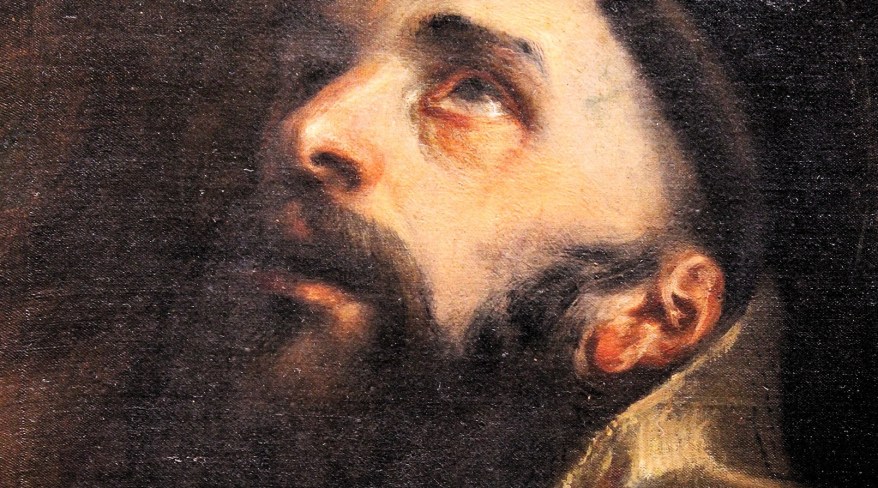
Lo sguardo di San Francesco che emerge dal buio: il dipinto di Annibale Carracci
🇮🇹C’è uno sguardo, nel dipinto di Annibale Carracci, che sembra cercare qualcosa oltre ciò che possiamo vedere: è quello di San Francesco d’Assisi, ritratto con gli occhi rivolti al cielo… 🇬🇧In Annibale Carracci’s painting, there is a gaze that seems to be searching for something beyond what we can see: it is the gaze of…
-
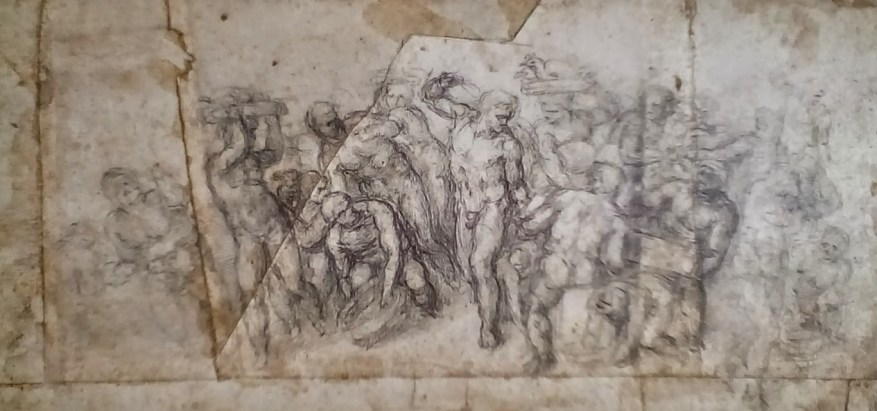
La Cacciata dei mercanti dal Tempio: quel disegno che forse nasconde un progetto incompiuto
🇮🇹Vi porto davanti al mio disegno della Cacciata dei mercanti dal Tempio, conservato al British Museum. Guardate il braccio destro di Cristo: la forza del suo gesto vi ricorda qualcosa? 🇮🇹 I am bringing you before my drawing of the Expulsion of the Money Changers from the Temple, held at the British Museum. Look at…
-

A Pompei ci sono 50 gatti che vivono tra le rovine antiche: ora la loro storia diventa un libro
A Pompei i gatti sono diventati celebri sui social. Ora il libro Gatti di Pompei racconta, con foto e storie, la loro vita tra le antiche rovine romane.
Condividi:


Questo sono io




sostienici

Sostienici – Support Us
Se questo blog ti piace e ti appassiona, puoi aiutarci a farlo crescere sempre più sostenendoci in modo concreto condividendo i post, seguendo le pagine social e con un contributo che ci aiuta ad andare avanti con il nostro lavoro di divulgazione. . ENGLISH: If you like and are passionate about this blog, you can help us make it grow more and more by supporting us in a concrete way by sharing posts, following social pages and with a contribution that helps us to move forward with our dissemination work.
€10,00


