
Le opere d’arte distrutte dall’uomo: i capolavori che non vedremo mai più
Ci sono capolavori che possiamo ancora ammirare nei musei e altri che esistono soltanto nelle fotografie, nelle copie o nei racconti di chi li ha visti.
Dipinti bruciati, sculture distrutte, opere cancellate dalle guerre e perfino capolavori fatti sparire deliberatamente. La storia dell’arte è anche la storia di ciò che abbiamo perduto per sempre.
Quando pensiamo alla storia dell’arte immaginiamo soprattutto ciò che è sopravvissuto. Pensiamo alla Gioconda, alla Cappella Sistina, alla Venere di Botticelli, alle opere custodite nei musei di tutto il mondo o in collezioni private.

Esiste però un’altra storia ed è quella non così nota delle opere d’arte scomparse per sempre.
Alcune sono state distrutte dal fuoco. Altre dalle guerre. Alcune sono state deliberatamente cancellate per motivi politici o religiosi. Altre ancora sono state distrutte semplicemente perché qualcuno le odiava.
Purtroppo in molti casi non possiamo più sapere come fossero davvero.
La storia dell’arte è anche una storia di capolavori perduti
Il patrimonio artistico che conosciamo oggi è soltanto una parte di quello che l’umanità ha prodotto nel corso dei secoli.
Intere generazioni di artisti sono arrivate fino a noi attraverso poche opere superstiti. Di altri conosciamo soltanto il nome. Di alcuni capolavori possediamo una descrizione, un’incisione o una vecchia fotografia.
Il problema è particolarmente evidente quando si parla di opere distrutte nel Novecento. La fotografia aveva finalmente iniziato a documentare sistematicamente i dipinti, permettendoci almeno di conservarne l’immagine.
Per le opere più antiche, invece, spesso non abbiamo neppure questo ed è come se un’intera parte della storia dell’arte fosse stata cancellata.
I tre dipinti distrutti dalla bomba dei Georgofili
Tra le pagine più drammatiche della storia recente del patrimonio italiano c’è quella della strage di via dei Georgofili, a Firenze.
Nella notte tra il 26 e il 27 maggio 1993 un’autobomba carica di 277 chili di tritolo esplose a pochi passi dagli Uffizi.
Morirono cinque persone: Fabrizio Nencioni, Angela Fiume, le figlie Nadia e Caterina e lo studente Dario Capolicchio.
L’esplosione provocò inoltre una devastazione enorme nel patrimonio artistico fiorentino. Agli Uffizi furono danneggiati 173 dipinti e 56 sculture, mentre tre importanti dipinti furono inizialmente considerati completamente perduti.
Erano opere di straordinario interesse per la storia della pittura del Seicento.
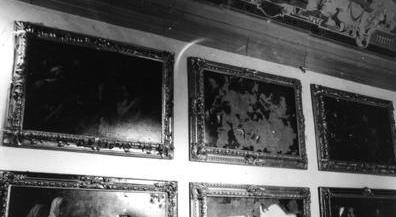
Il Concerto di Bartolomeo Manfredi
Il primo era il Concerto di Bartolomeo Manfredi, uno dei più importanti interpreti della pittura caravaggesca.
La bomba lo ridusse praticamente in frammenti.
La tela fu recuperata e sottoposta a un primo intervento già pochi mesi dopo l’attentato. Quello che sembrava un quadro perduto diventò così uno dei simboli della possibilità di salvare la memoria anche dopo una distruzione quasi totale.
I Giocatori di carte di Bartolomeo Manfredi
Ancora più incredibile è la storia dei Giocatori di carte. Per anni il dipinto fu considerato perduto.
Dopo l’esplosione rimasero centinaia di frammenti della tela. Nel corso del tempo furono raccolti, catalogati e studiati fino a rendere possibile un complesso intervento di recupero.
Nel 2017 iniziò una nuova fase del restauro, sostenuta anche da una campagna di raccolta fondi, e nel 2018 il dipinto poté tornare a essere mostrato.
È una storia straordinaria perché dimostra che, a volte, un’opera dichiarata morta può tornare a vivere.

L’Adorazione del Bambino di Gherardo delle Notti
Il terzo dipinto era l’Adorazione del Bambino, opera di Gherardo delle Notti, nome con cui è conosciuto il pittore olandese Gerrit van Honthorst.
Anche questa tela fu devastata dall’esplosione. Il dipinto venne quasi completamente disintegrato dalla violenza della deflagrazione, ma successivamente sottoposto a un intervento di restauro.
Gustav Klimt e i tre capolavori bruciati durante la guerra
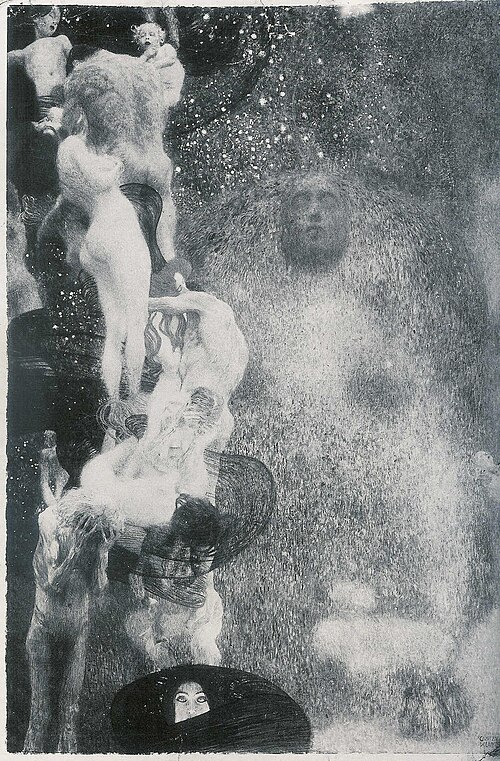
Tra le perdite più dolorose del Novecento ci sono i tre grandi dipinti di Gustav Klimt conosciuti come Dipinti delle Facoltà.
Klimt li aveva realizzati tra il 1898 e il 1907 per l’Università di Vienna: Filosofia, Medicina e Giurisprudenza. Le opere avevano provocato scandalo per la loro interpretazione anticonvenzionale dei temi accademici.
Ma la loro storia ebbe un finale ancora più drammatico. Durante la Seconda guerra mondiale furono trasferite nel castello di Immendorf, in Austria. Nel 1945 il castello venne incendiato dalle truppe tedesche in ritirata e i tre dipinti andarono distrutti.
Di questi monumentali capolavori rimangono oggi soprattutto fotografie in bianco e nero. Grazie alla documentazione fotografica e agli studi degli storici dell’arte è stato persino possibile elaborare ricostruzioni digitali dei loro colori originali.
Ma quelle tele non esistono più.
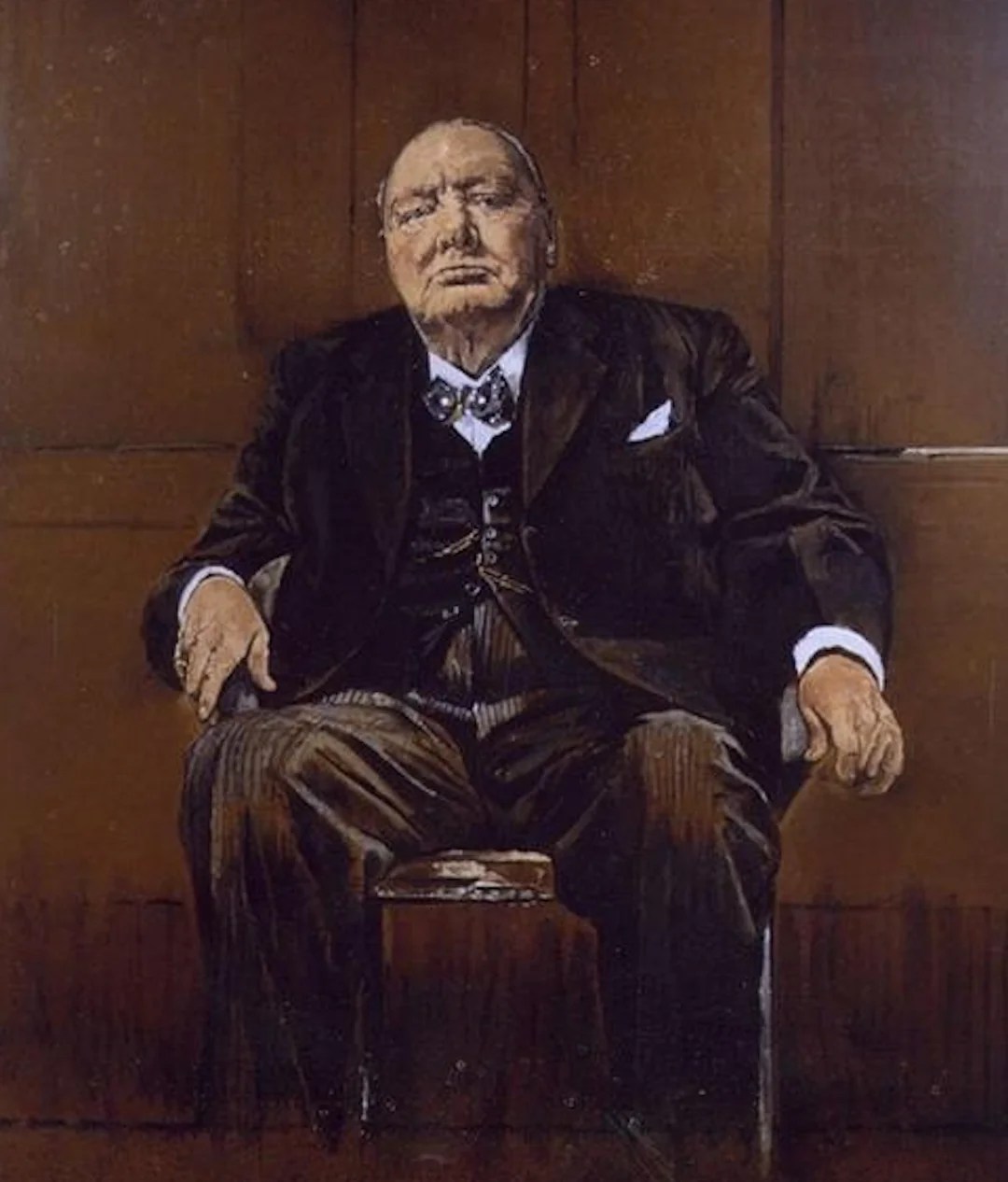
Il ritratto di Churchill che Churchill odiava
Una delle storie più incredibili riguarda un dipinto relativamente recente.
Nel 1954 il Parlamento britannico commissionò a Graham Sutherland un ritratto di Winston Churchill per celebrare l’ottantesimo compleanno del primo ministro. Il risultato non piacque affatto a Churchill.
Si riconobbe nel dipinto, ma non amò particolarmente quell’uomo anziano, stanco e severo, lontanissimo dall’immagine eroica che avrebbe probabilmente preferito. Il dipinto fu portato nella residenza di Chartwell e poi scomparve.
Solo anni dopo si scoprì che era stato distrutto e bruciato. Il quadro originale non esiste più, anche se sono sopravvissuti studi preparatori e fotografie. È uno dei casi più celebri di un’opera d’arte distrutta non dalla guerra o dal tempo, ma dalla persona che avrebbe dovuto essere celebrata nel dipinto.
Diego Rivera e il murale che Rockefeller fece distruggere
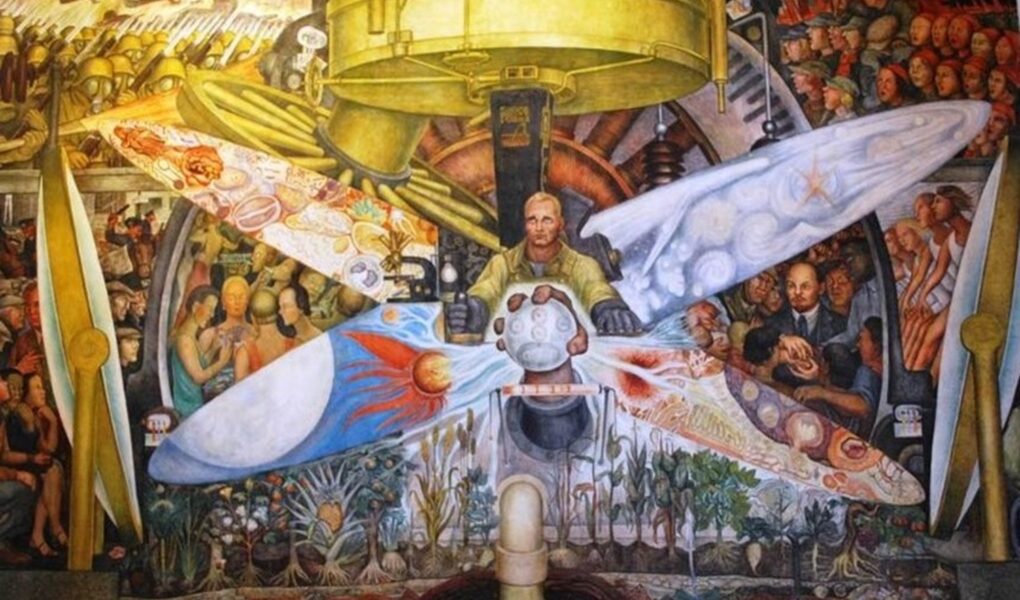
Anche la politica ha cancellato opere d’arte. Nel 1932 Diego Rivera ricevette l’incarico di realizzare un gigantesco murale nel Rockefeller Center di New York.
L’artista inserì nell’opera un’immagine di Lenin ma la presenza del leader rivoluzionario provocò una violenta controversia.
Rockefeller chiese che Lenin fosse rimosso e Rivera rifiutò.
Il murale venne quindi distrutto nel 1934. Rivera ricreò successivamente il soggetto in Messico, realizzando una nuova versione intitolata Man, Controller of the Universe. L’originale, però, non esiste più.
Il “Reaper” di Joan Miró: un simbolo della Spagna scomparso
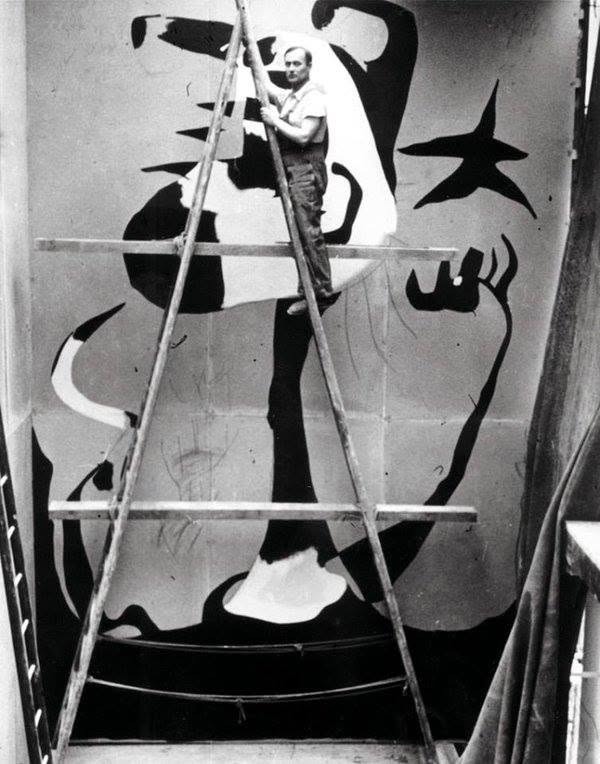
Un’altra opera perduta è The Reaper, realizzata da Joan Miró per il Padiglione della Repubblica spagnola all’Esposizione internazionale di Parigi del 1937.
Il dipinto aveva una fortissima valenza politica e rappresentava un contadino-cittadino armato di falce.
Dopo l’esposizione fu inviato verso Valencia poi se ne persero le tracce.
Si ritiene che sia stato distrutto durante la guerra civile spagnola. Ne rimangono fotografie che permettono almeno di ricostruire la presenza monumentale dell’opera.
È una delle grandi opere del Novecento che conosciamo senza poterla più vedere.
Le opere distrutte dall’incendio del Museum of Modern Art di Rio
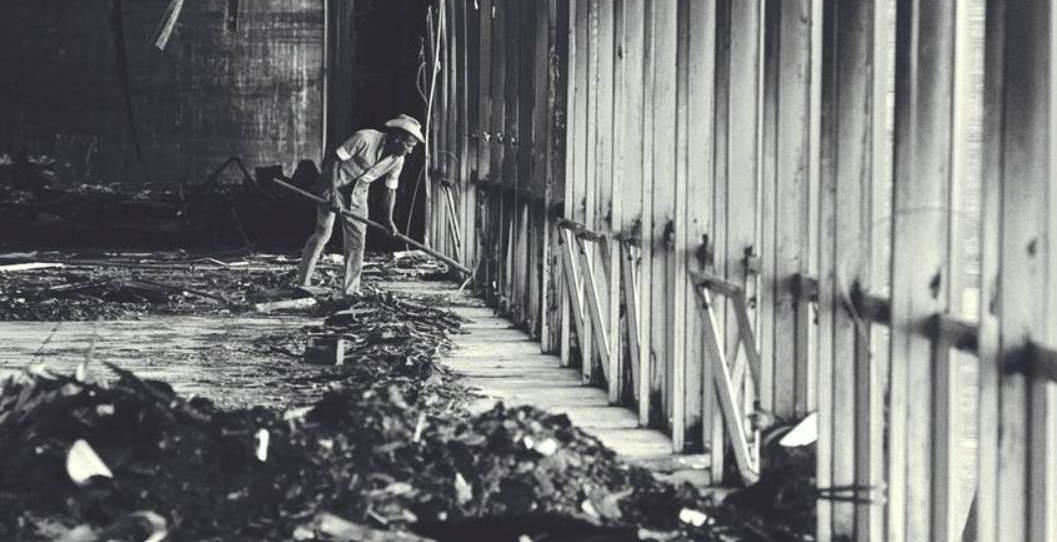
Nel 1978 un incendio devastò il Museum of Modern Art di Rio de Janeiro. Tra le opere perdute c’erano importanti dipinti di Pablo Picasso, tra cui opere cubiste e un ritratto di Dora Maar.
Il fuoco cancellò così, in poche ore, opere che appartenevano alla storia dell’arte moderna.
Non si trattava di copie o lavori minori ma opere originali di uno degli artisti più importanti del XX secolo.
Le opere di Arshile Gorky distrutte da un incendio
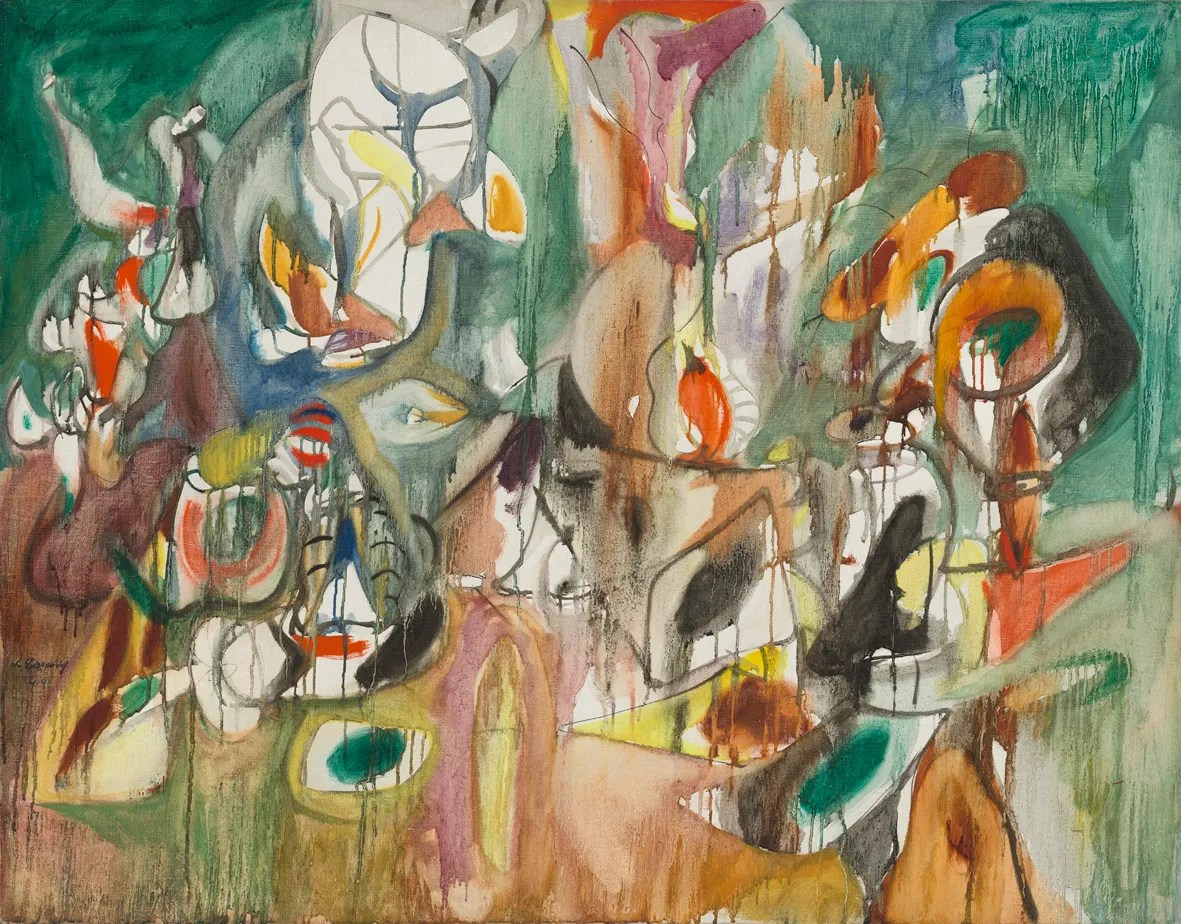
Anche lo studio di Arshile Gorky, uno dei protagonisti dell’arte americana del Novecento, fu colpito da un incendio nel 1946.
Numerose opere andarono perdute. Altre opere di Gorky scomparvero in circostanze diverse, tra cui un gruppo di dipinti che si trovava su un aereo precipitato nel 1962.
Le opere distrutte dall’iconoclastia
Non tutte le distruzioni sono avvenute durante guerre moderne. Per secoli statue, dipinti e immagini religiose sono state distrutte perché considerate idolatriche, eretiche o politicamente scomode.
L’iconoclastia ha prodotto vere e proprie cancellazioni della memoria.
Volti scalpellati, statue decapitate, affreschi martellati e immagini bruciate raccontano una storia nella quale distruggere un’opera significava spesso distruggere ciò che rappresentava.
In alcuni casi è rimasto soltanto un frammento mentre in altri non è rimasto nulla.
Il museo invisibile dei capolavori perduti
Si potrebbe immaginare un enorme museo composto da tutte le opere che non esistono più.
Nelle sue sale ci sarebbero esposti dipinti di artisti celebri, monumenti dell’antichità, affreschi medievali, opere distrutte dalle guerre e quadri cancellati da decisioni politiche o personali.
Sarebbe il più grande museo della storia dell’arte, ricostruito attraverso fotografie, studi, frammenti, documenti, descrizioni antiche e copie.
La storia dell’arte non è solo la storia di ciò che è sopravvissuto ma anche di tutte quelle assenze che pesano come macigni.
Per il momento il sempre vostro Michelangelo Buonarroti vi saluta dandovi appuntamento ai prossimi post e sui social.
Artworks Destroyed by Man: Masterpieces We Will Never See Again
There are masterpieces we can still admire in museums, and others that exist only in photographs, copies, or the stories of those who saw them.
Paintings burned, sculptures destroyed, works erased by wars, and even masterpieces deliberately made to disappear. The history of art is also the story of what we have lost forever.
When we think of the history of art, we primarily imagine what has survived. We think of the Mona Lisa, the Sistine Chapel, Botticelli’s Venus, the works held in museums around the world or in private collections.
But there is another story, the lesser-known one of works of art that disappeared forever.
Some were destroyed by fire. Others by war. Some were deliberately erased for political or religious reasons. Still others were destroyed simply because someone hated them.
Unfortunately, in many cases, we no longer know what they really were like.
The history of art is also a history of lost masterpieces.
The artistic heritage we know today is only a fraction of what humanity has produced over the centuries.
Entire generations of artists have come down to us through a few surviving works. Of others, we only know their names. For some masterpieces, we possess a description, an engraving, or an old photograph.
The problem is particularly evident when it comes to works destroyed in the twentieth century. Photography had finally begun to systematically document paintings, allowing us to at least preserve their image.
For older works, however, we often lack even this, and it is as if an entire part of art history has been erased.
The three paintings destroyed by the Georgofili bomb
Among the most dramatic pages in the recent history of Italian art heritage is the Via dei Georgofili bombing in Florence.
On the night between May 26 and 27, 1993, a car bomb loaded with 277 kilograms of TNT exploded just steps from the Uffizi.
Five people died: Fabrizio Nencioni, Angela Fiume, his daughters Nadia and Caterina, and the student Dario Capolicchio.
The explosion also caused enormous devastation to Florence’s artistic heritage. At the Uffizi, 173 paintings and 56 sculptures were damaged, while three important paintings were initially considered completely lost.
They were works of extraordinary interest for the history of 17th-century painting.
The Concert by Bartolomeo Manfredi
The first was the Concert by Bartolomeo Manfredi, one of the most important interpreters of Caravaggio’s painting.
The bomb practically reduced it to fragments.
The canvas was recovered and subjected to an initial treatment just a few months after the attack. What seemed like a lost painting thus became a symbol of the possibility of saving memory even after almost total destruction.
The Card Players by Bartolomeo Manfredi
Even more incredible is the story of The Card Players. For years, the painting was considered lost.
After the explosion, hundreds of fragments of the canvas remained. Over time, they were collected, cataloged, and studied until a complex recovery project was possible.
A new phase of restoration began in 2017, supported by a fundraising campaign, and in 2018 the painting was able to be exhibited again.
It is an extraordinary story because it demonstrates that, sometimes, a work declared dead can come back to life.
The Adoration of the Child by Gherardo delle Notti
The third painting was the Adoration of the Child, by Gherardo delle Notti, the name by which the Dutch painter Gerrit van Honthorst is known.
This canvas was also devastated by the explosion. The painting was almost completely destroyed by the violence of the explosion, but was subsequently restored.
Gustav Klimt and the Three Masterpieces Burned During the War
Among the most painful losses of the twentieth century are Gustav Klimt’s three large paintings known as the Faculty Paintings.
Klimt created them between 1898 and 1907 for the University of Vienna: Philosophy, Medicine, and Law. The works caused a scandal due to their unconventional interpretation of academic themes.
But their story had an even more dramatic ending. During the Second World War, they were moved to Immendorf Castle in Austria. In 1945, the castle was burned down by retreating German troops, and the three paintings were destroyed.
Today, mostly black-and-white photographs of these monumental masterpieces remain. Thanks to photographic documentation and the studies of art historians, it has even been possible to develop digital reconstructions of their original colors.
But those paintings no longer exist.
The portrait of Churchill that Churchill hated
One of the most incredible stories concerns A relatively recent painting.
In 1954, the British Parliament commissioned Graham Sutherland to paint a portrait of Winston Churchill to celebrate the prime minister’s eightieth birthday. Churchill was not at all pleased with the result.
He recognized himself in the painting, but he wasn’t particularly fond of the elderly, tired, and stern man, far removed from the heroic image he would likely have preferred. The painting was taken to Chartwell and then disappeared.
Only years later was it discovered that it had been destroyed and burned. The original painting no longer exists, although preparatory studies and photographs survive. It is one of the most famous cases of a work of art destroyed not by war or time, but by the person it was supposed to celebrate.
Diego Rivera and the mural that Rockefeller had destroyed
Politics has also erased works of art. In 1932, Diego Rivera was commissioned to create a gigantic mural in Rockefeller Center in New York.
The artist included an image of Lenin in the work, but the revolutionary leader’s presence sparked a violent controversy.
Rockefeller demanded that Lenin be removed, and Rivera refused.
The mural was subsequently destroyed in 1934. Rivera later recreated the subject in Mexico, creating a new version titled Man, Controller of the Universe. The original, however, no longer exists.
Joan Miró’s “Reaper”: A Missing Symbol of Spain
Another lost work is “The Reaper,” created by Joan Miró for the Spanish Pavilion at the 1937 Paris International Exposition.
The painting had a strong political connotation and depicted a peasant-urbanite armed with a scythe.
After the exhibition, it was sent to Valencia, where it was subsequently lost.
It is believed to have been destroyed during the Spanish Civil War. Photographs remain, allowing us to at least reconstruct the work’s monumental presence.
It is one of the great works of the twentieth century that we know but can no longer see.
The works destroyed by the fire at the Museum of Modern Art in Rio
In 1978, a fire devastated the Museum of Modern Art in Rio de Janeiro. Among the lost works were important paintings by Pablo Picasso, including Cubist works and a portrait of Dora Maar.
The fire thus obliterated, in a matter of hours, works that belonged to the history of modern art.
These were not copies or minor works, but originals by one of the most important artists of the twentieth century.
The works of Arshile Gorky destroyed by fire
The studio of Arshile Gorky, one of the protagonists of twentieth-century American art, was also hit by a fire in 1946.
Numerous works were lost. Other works by Gorky disappeared under various circumstances, including a group of paintings from a plane crash in 1962.
Works Destroyed by Iconoclasm
Not all destruction occurred during modern wars. For centuries, statues, paintings, and religious images were destroyed because they were considered idolatrous, heretical, or politically inconvenient.
Iconoclasm resulted in veritable erasures of memory.
Chiselled faces, decapitated statues, hammered frescoes, and burned images tell a story in which destroying a work often meant destroying what it represented.
In some cases, only a fragment remained, while in others, nothing remained.
The Invisible Museum of Lost Masterpieces
One could imagine a vast museum composed of all the works that no longer exist.
In its halls, paintings by famous artists, monuments from antiquity, medieval frescoes, works destroyed by war, and paintings erased by political or personal decisions would be displayed.
It would be the largest museum of art history, reconstructed through photographs, studies, fragments, documents, ancient descriptions, and copies.
The history of art is not only the story of what has survived, but also of all those absences that weigh like millstones.
For now, yours truly, Michelangelo Buonarroti bids you farewell, saying he’ll see you in future posts and on social media.

Sostienici – Support Us
Se questo blog ti piace e ti appassiona, puoi aiutarci a farlo crescere sempre più sostenendoci in modo concreto condividendo i post, seguendo le pagine social e con un contributo che ci aiuta ad andare avanti con il nostro lavoro di divulgazione. . ENGLISH: If you like and are passionate about this blog, you can help us make it grow more and more by supporting us in a concrete way by sharing posts, following social pages and with a contribution that helps us to move forward with our dissemination work.
10,00 €
-
L’insolito volto: il piccolo capolavoro dell’Ashmolean Museum
🇮🇹Un volto fuori dagli ideali di bellezza, con lineamenti irregolari, labbra pronunciate e uno sguardo quasi assente… 🇬🇧A face that falls outside conventional ideals of beauty, with irregular features, prominent lips, and an almost vacant gaze…
-
Le 10 città d’arte europee più belle da visitare a Natale: musei e luoghi da non perdere
🇮🇹Quali città d’arte europee visitare a Natale? Da Vienna a Parigi, da Praga a Bruges, 10 mete tra mercatini, musei, capolavori e atmosfere da fiaba… 🇬🇧Which European cities of art should you visit at Christmas? From Vienna to Paris, from Prague to Bruges—10 destinations featuring Christmas markets, museums, masterpieces, and a fairytale atmosphere…
-
Artemisia Gentileschi a Firenze: la storia, le opere e la mostra agli Innocenti fino al 2027
🇮🇹Artemisia Gentileschi a Firenze: dalle commissioni dei Medici all’Allegoria dell’Inclinazione di Casa Buonarroti. La storia e la mostra agli Innocenti… 🇬🇧Artemisia Gentileschi in Florence: from commissions by the Medici to the *Allegory of Inclination* at Casa Buonarroti. The story and the exhibition at the Ospedale degli Innocenti…
Condividi:


Questo sono io




sostienici

Sostienici – Support Us
Se questo blog ti piace e ti appassiona, puoi aiutarci a farlo crescere sempre più sostenendoci in modo concreto condividendo i post, seguendo le pagine social e con un contributo che ci aiuta ad andare avanti con il nostro lavoro di divulgazione. . ENGLISH: If you like and are passionate about this blog, you can help us make it grow more and more by supporting us in a concrete way by sharing posts, following social pages and with a contribution that helps us to move forward with our dissemination work.
€10,00


Purtroppo queste opere d’arte in quanto uniche una volta che vanno distrutte sono perse per sempre. E’ un peccato, si dovrebbe avere più rispetto per l’arte in genere, ma al giorno d’oggi pare che ogni cosa sia vana, non c’è più rispetto per niente, nemmeno per le persone, figuriamoci per l’arte 🤷♂️🤷♂️
"Mi piace"Piace a 1 persona
Sono d’accordo e bisognerebbe avere anche la consapevolezza che il patrimonio culturale e storico fa parte della nostra identità
"Mi piace"Piace a 1 persona