
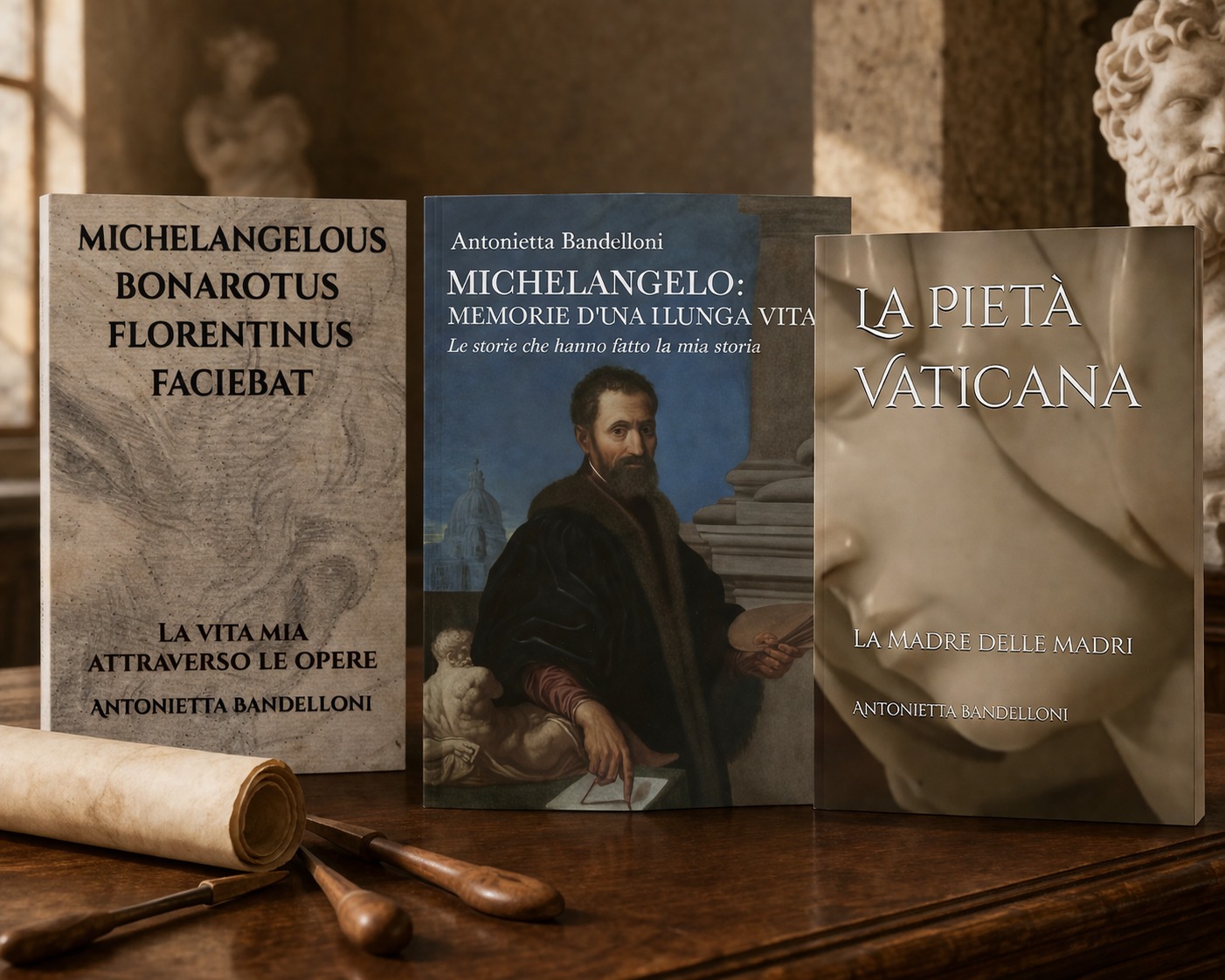
Guernica di Picasso: il capolavoro contro la guerra che parla ancora oggi
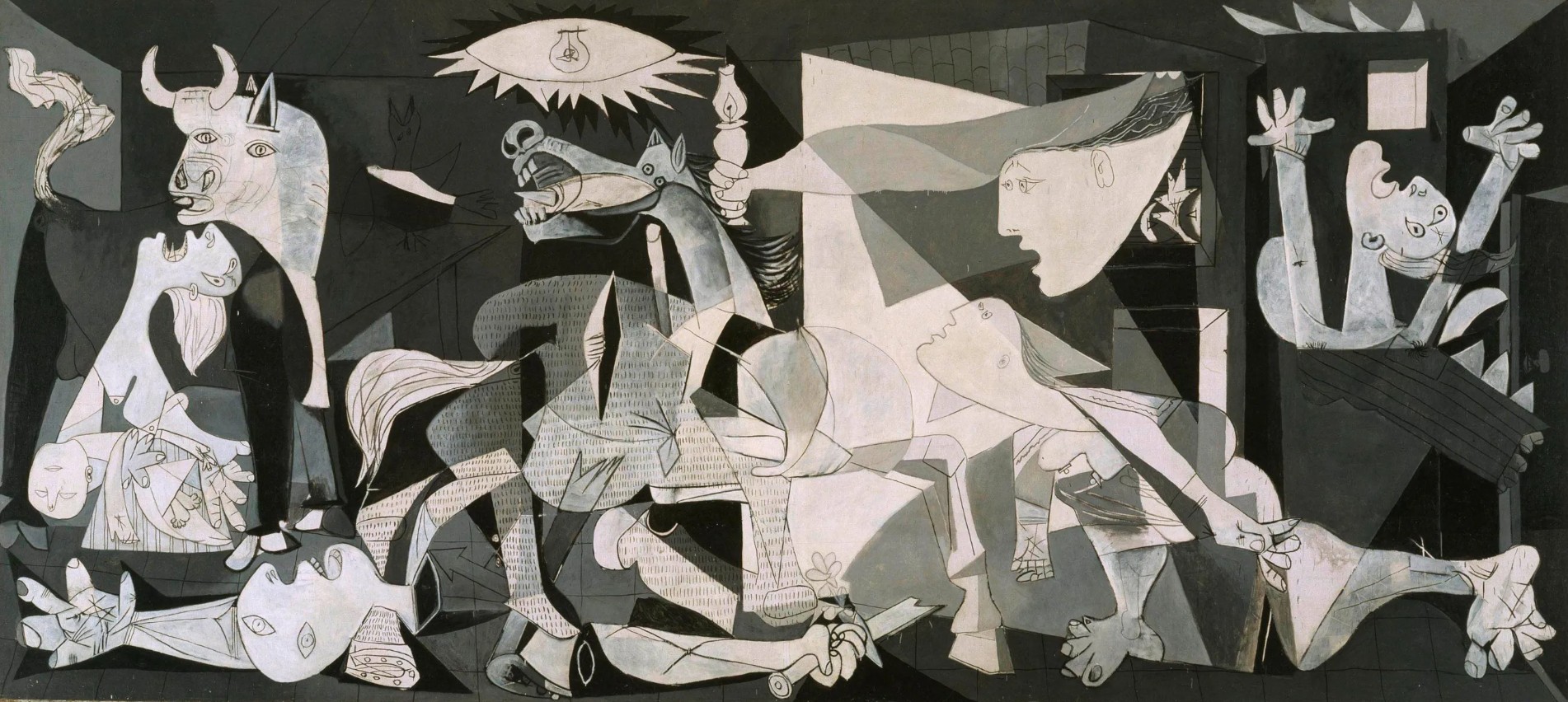
Guernica è un atto di denuncia universale, un’immagine che ha trasformato il dolore storico in linguaggio visivo assoluto.
Realizzata da Pablo Picasso nel 1937, l’opera nasce come risposta diretta al bombardamento della città basca di Guernica durante la guerra civile spagnola. Eppure, ridurla a un evento storico sarebbe limitante. Guernica è diventata una rappresentazione eterna della sofferenza civile nei conflitti armati.
Oggi, in un mondo attraversato da nuove guerre e crisi umanitarie, quest’opera non appartiene al passato: continua a essere una presenza inquieta nel nostro presente.
Il contesto storico: quando la modernità incontra la distruzione
Il bombardamento di Guernica del 26 aprile 1937 rappresenta uno dei primi casi nella storia moderna di attacco deliberato contro civili attraverso l’aviazione militare. L’evento colpì profondamente Picasso, che in quel periodo si trovava lontano dalla Spagna ma emotivamente legato alle vicende del suo paese.
In poche settimane, l’artista trasformò la rabbia e lo shock in un’opera monumentale. Non scelse la strada della rappresentazione realistica, ma quella del simbolo e della deformazione, utilizzando il bianco e nero per amplificare la sensazione di cronaca e lutto.
La scelta cromatica non è casuale: l’assenza di colore elimina ogni distrazione estetica e concentra lo sguardo sul dolore puro, quasi come se il dipinto fosse una memoria fotografica di un evento traumatico.
L’opera come linguaggio del caos e del dolore universale
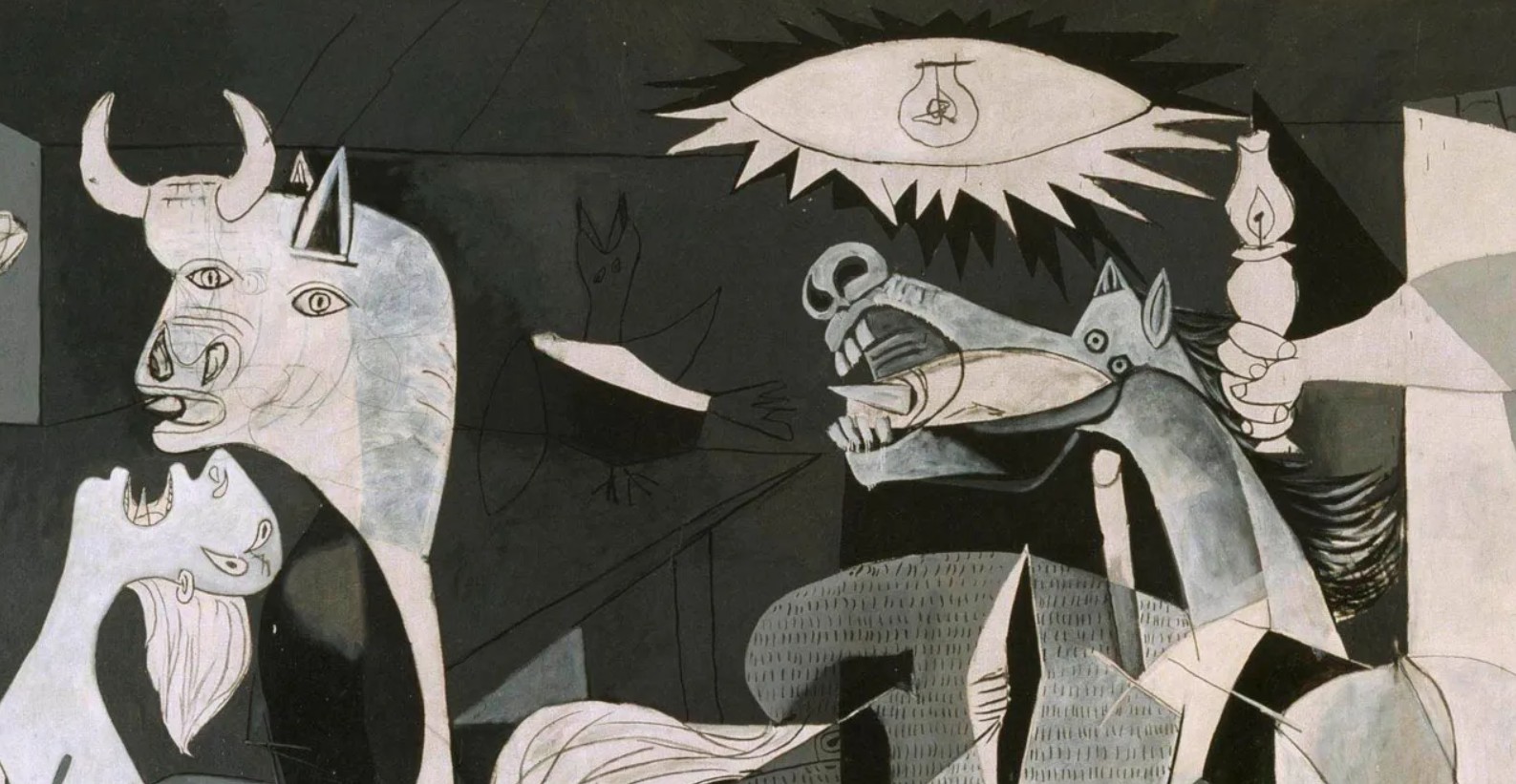
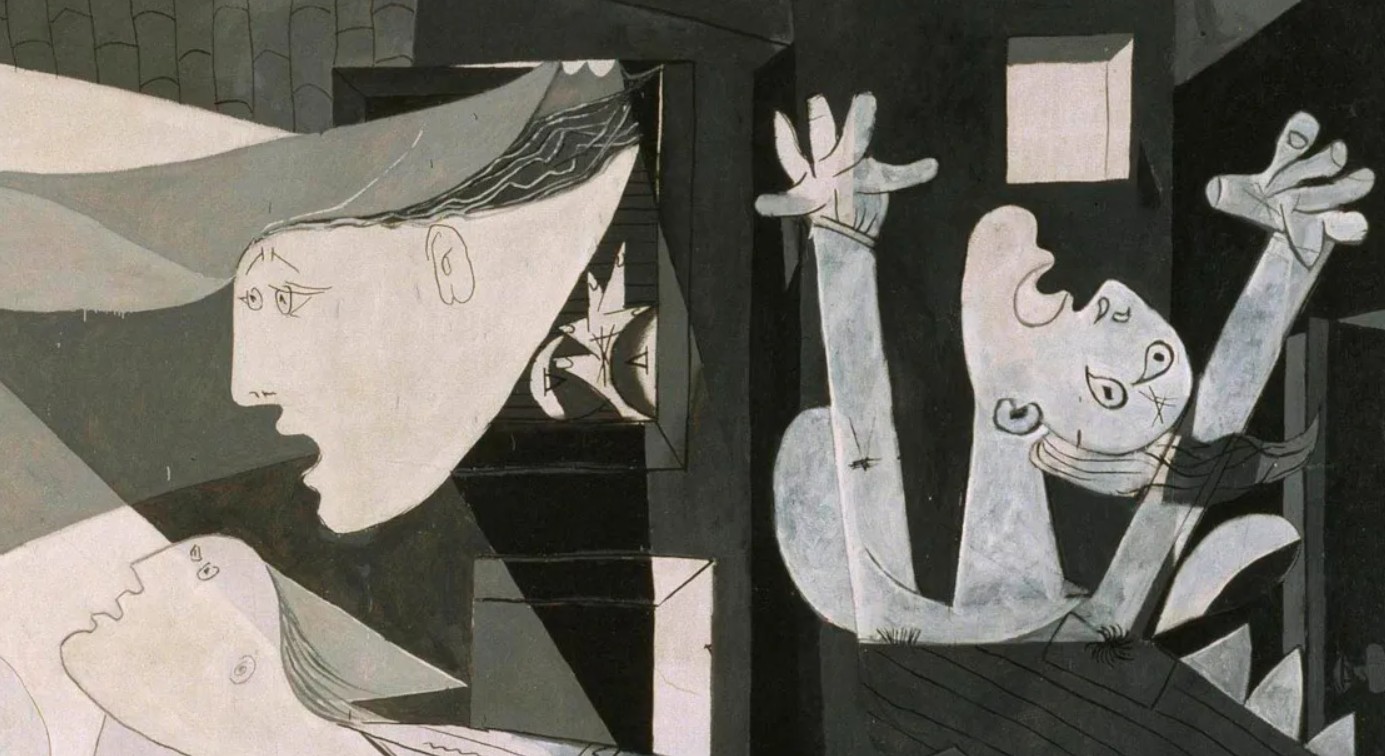
Dentro Guernica nulla è ordinato, non c’è pace. La composizione è dominata da un senso di disgregazione totale che riflette la frattura della civiltà sotto il peso della guerra.
Le figure sono archetipi del dolore umano. La madre che urla stringendo il figlio morto diventa simbolo della perdita assoluta, mentre il cavallo ferito al centro della scena sembra incarnare l’umanità stessa lacerata dalla violenza. Il soldato a terra, spezzato e frammentato, rappresenta la fine della forza e della resistenza.
Ogni elemento sembra deformato da una tensione interna, come se la realtà stessa fosse esplosa sotto il peso dell’orrore. Non esiste un punto di fuga né un ordine narrativo, perché la guerra, nella visione di Picasso, non ha logica né armonia.
La luce ambigua della modernità e la perdita dell’innocenza
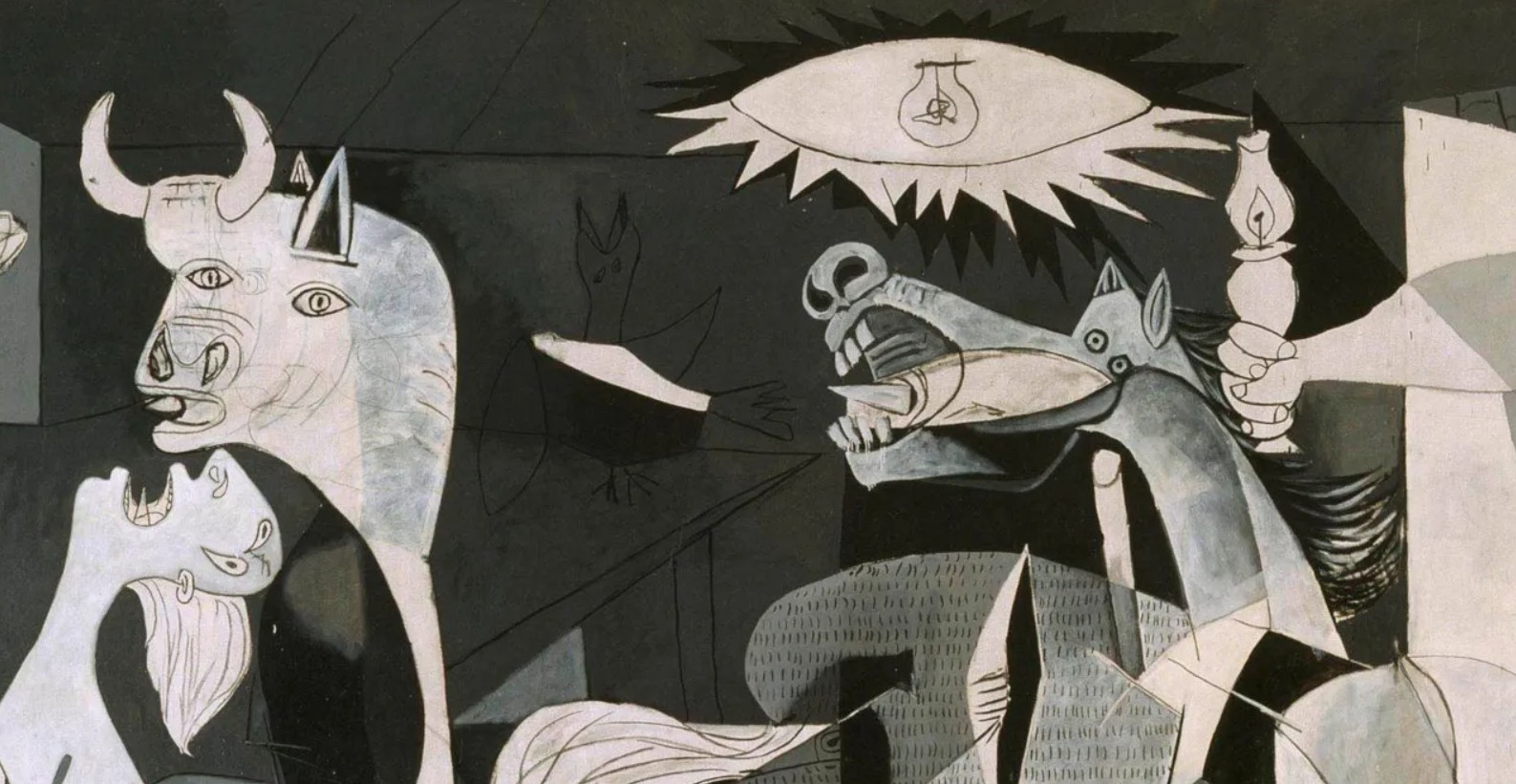
Uno degli elementi più enigmatici del dipinto è la lampadina che domina la parte superiore della composizione. Questo “occhio artificiale” sembra osservare la scena dall’alto, freddo e inesorabile. È spesso interpretato come simbolo della tecnologia moderna, che invece di portare progresso si trasforma in strumento di distruzione.
Accanto a questa luce artificiale si contrappongono altre fonti luminose più organiche, come una lampada a olio, quasi a suggerire uno scontro tra passato e presente, tra umanità e meccanizzazione della violenza. In questo contrasto si rivela una delle letture più profonde dell’opera: la modernità non ha eliminato la barbarie, ma l’ha resa più efficiente.
Un’opera politica che diventa simbolo universale
Fin dalla sua creazione, Guernica non è stata solo arte, ma anche dichiarazione politica. Picasso rifiutò che l’opera fosse esposta in Spagna finché non fosse tornata la democrazia, trasformandola così in un simbolo di opposizione al regime franchista.
Per decenni il dipinto rimase al Museum of Modern Art di New York, diventando un’icona globale dell’antifascismo e della memoria storica. Solo nel 1981 tornò in Spagna, dopo la fine della dittatura, entrando definitivamente nella coscienza nazionale come ferita e monito allo stesso tempo.
Guernica oggi: il presente che ripete la storia
Guardare Guernica oggi significa confrontarsi con una realtà che, pur cambiando forma, non ha smesso di ripetersi. Le immagini contemporanee provenienti da scenari di guerra nel mondo ricordano spesso la stessa grammatica visiva: corpi spezzati, città distrutte, civili in fuga, sguardi pieni di terrore.
Dall’Ucraina a Gaza, dallo Yemen ad altri conflitti dimenticati, la sofferenza dei civili continua a essere una costante della storia contemporanea. In questo senso, l’opera di Picasso non è mai diventata “storica” nel senso di superata, ma continua a essere tragicamente attuale.
La sua forza sta proprio in questo: nel mostrare che la guerra non è mai un evento lontano, ma una possibilità sempre presente nella storia umana.
Guernica ha avuto un impatto enorme, diventando un riferimento per artisti, fotografi e registi che hanno cercato di rappresentare il trauma della guerra.
Guernica è un monito permanente contro la violenza e l’oblio. La sua forza sta anche nella capacità di continuare a parlare a ogni generazione.
Ogni nuova guerra sembra riattivare il suo significato, come se il dipinto fosse una ferita che non si chiude mai del tutto.
Per il momento il sempre vostro Michelangelo Buonarroti vi saluta dandovi appuntamento ai prossimi post e sui social.

Picasso’s Guernica: The Anti-War Masterpiece That Still Speaks Today
Guernica is a universal act of denunciation, an image that transformed historical pain into an absolute visual language.
Created by Pablo Picasso in 1937, the work was born as a direct response to the bombing of the Basque town of Guernica during the Spanish Civil War. Yet, reducing it to a historical event would be limiting. Guernica has become an enduring representation of civilian suffering in armed conflicts.
Today, in a world engulfed by new wars and humanitarian crises, this work does not belong to the past: it continues to be a restless presence in our present.
The Historical Context: When Modernity Meets Destruction
The bombing of Guernica on April 26, 1937, represents one of the first cases in modern history of a deliberate attack on civilians by military aviation. The event profoundly affected Picasso, who was far from Spain at the time but emotionally connected to the events of his country.
In just a few weeks, the artist transformed anger and shock into a monumental work. He chose not the path of realistic representation, but that of symbolism and distortion, using black and white to amplify the feeling of news and mourning.
The choice of colors is not accidental: the absence of color eliminates any aesthetic distraction and focuses the gaze on pure pain, almost as if the painting were a photographic memory of a traumatic event.
The work as a language of chaos and universal pain
Inside Guernica, nothing is orderly, there is no peace. The composition is dominated by a sense of total disintegration that reflects the fracture of civilization under the weight of war.
The figures are archetypes of human pain. The mother screaming while clutching her dead son becomes a symbol of absolute loss, while the wounded horse at the center of the scene seems to embody humanity itself, torn apart by violence. The soldier on the ground, broken and fragmented, represents the end of strength and resistance.
Every element seems distorted by an internal tension, as if reality itself had exploded under the weight of horror. There is no vanishing point or narrative order, because war, in Picasso’s vision, has neither logic nor harmony.
The Ambiguous Light of Modernity and the Loss of Innocence
One of the most enigmatic elements of the painting is the light bulb that dominates the upper part of the composition. This “artificial eye” seems to observe the scene from above, cold and inexorable. It is often interpreted as a symbol of modern technology, which, instead of bringing progress, becomes an instrument of destruction.
Alongside this artificial light, other, more organic light sources, such as an oil lamp, are contrasted, almost suggesting a clash between past and present, between humanity and the mechanization of violence. This contrast reveals one of the most profound interpretations of the work: modernity has not eliminated barbarism, but has made it more efficient.
A Political Work Becomes a Universal Symbol
Since its creation, Guernica has been not only art, but also a political statement. Picasso refused to allow the work to be exhibited in Spain until democracy was restored, thus transforming it into a symbol of opposition to the Franco regime.
For decades, the painting remained at the Museum of Modern Art in New York, becoming a global icon of anti-fascism and historical memory. Only in 1981 did it return to Spain, after the end of the dictatorship, definitively entering the national consciousness as both a wound and a warning.
Guernica Today: The Present Repeating History
Looking at Guernica today means confronting a reality that, while changing form, has never stopped repeating itself. Contemporary images from war zones around the world often recall the same visual grammar: broken bodies, destroyed cities, fleeing civilians, gazes filled with terror.
From Ukraine to Gaza, from Yemen to other forgotten conflicts, the suffering of civilians continues to be a constant in contemporary history. In this sense, Picasso’s work has never become “historical” in the sense of being outdated, but continues to be tragically timely.
His strength lies precisely in this: in demonstrating that war is never a distant event, but an ever-present possibility in human history.
Guernica has had a tremendous impact, becoming a reference for artists, photographers, and filmmakers who have sought to represent the trauma of war.
Guernica is a permanent warning against violence and oblivion. Its strength also lies in its ability to continue to speak to every generation.
Every new war seems to reawaken its meaning, as if the painting were a wound that never fully heals.
For now, yours truly, Michelangelo Buonarroti bids you farewell and invites you to see him in future posts and on social media.

Sostienici – Support Us
Se questo blog ti piace e ti appassiona, puoi aiutarci a farlo crescere sempre più sostenendoci in modo concreto condividendo i post, seguendo le pagine social e con un contributo che ci aiuta ad andare avanti con il nostro lavoro di divulgazione. . ENGLISH: If you like and are passionate about this blog, you can help us make it grow more and more by supporting us in a concrete way by sharing posts, following social pages and with a contribution that helps us to move forward with our dissemination work.
10,00 €
Condividi:


Questo sono io




sostienici

Sostienici – Support Us
Se questo blog ti piace e ti appassiona, puoi aiutarci a farlo crescere sempre più sostenendoci in modo concreto condividendo i post, seguendo le pagine social e con un contributo che ci aiuta ad andare avanti con il nostro lavoro di divulgazione. . ENGLISH: If you like and are passionate about this blog, you can help us make it grow more and more by supporting us in a concrete way by sharing posts, following social pages and with a contribution that helps us to move forward with our dissemination work.
€10,00


