
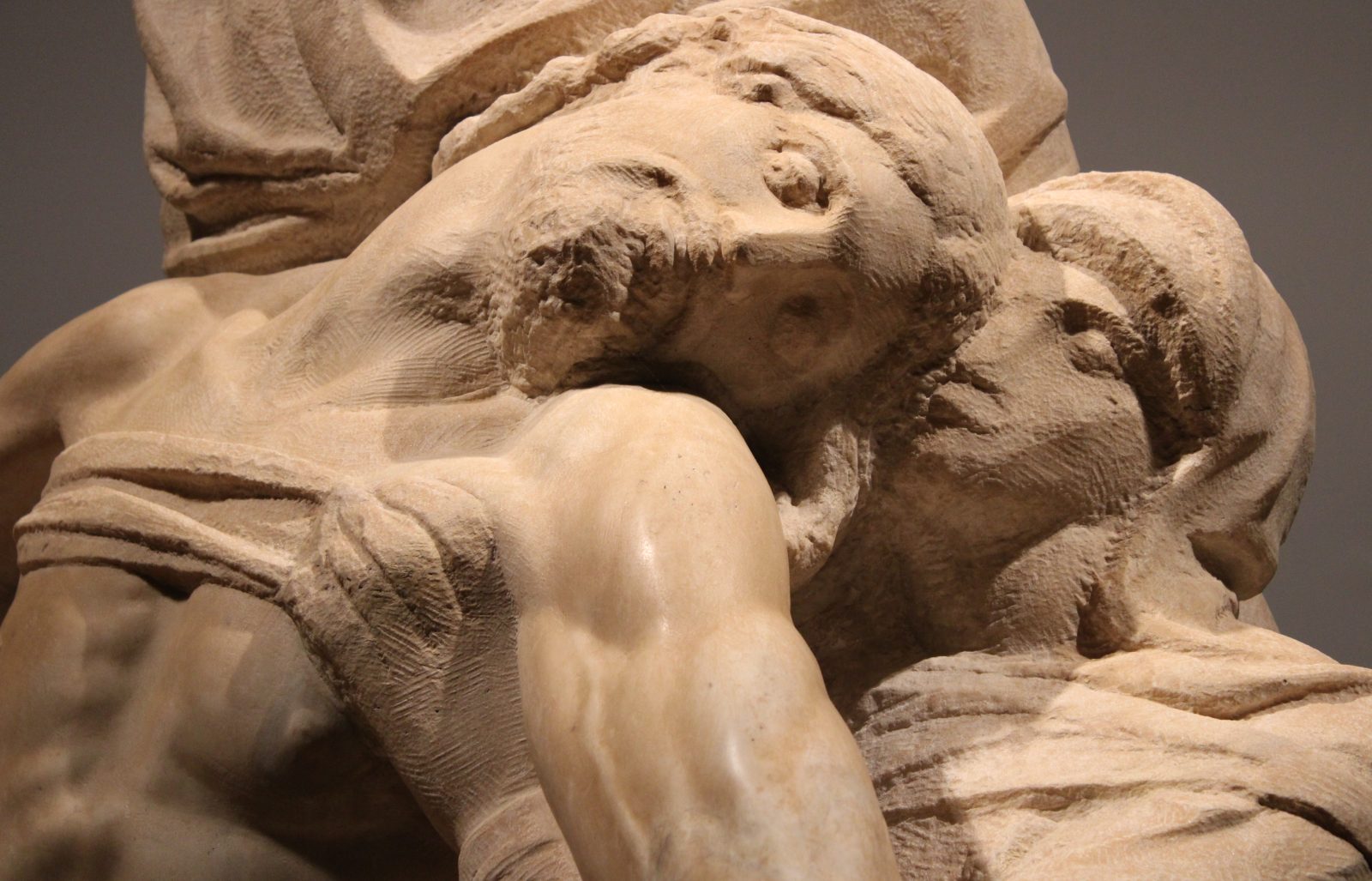
“Il Mediterraneo di luce e ombra che ipnotizza il mondo”: la grande mostra di Mimmo Jodice a Matera riscrive la memoria del mare eterno
C’è un Mediterraneo che non appartiene più soltanto alla geografia, ma alla memoria collettiva. Un Mediterraneo sospeso, silenzioso, archeologico e insieme profondamente contemporaneo.
È quello che riemerge con forza nella grande mostra “Mimmo Jodice. Mediterraneo”, a cura di Carlo Sala, ospitata nei prestigiosi spazi dei Musei Nazionali di Matera presso Palazzo Lanfranchi dal 7 luglio all’8 novembre 2026.
Un progetto espositivo che non si limita a celebrare un maestro della fotografia contemporanea, ma che si propone come esperienza immersiva dentro un’immagine del mondo dove il tempo non scorre: si stratifica.
Mimmo Jodice e il Mediterraneo come visione: quando la fotografia diventa archeologia dell’anima
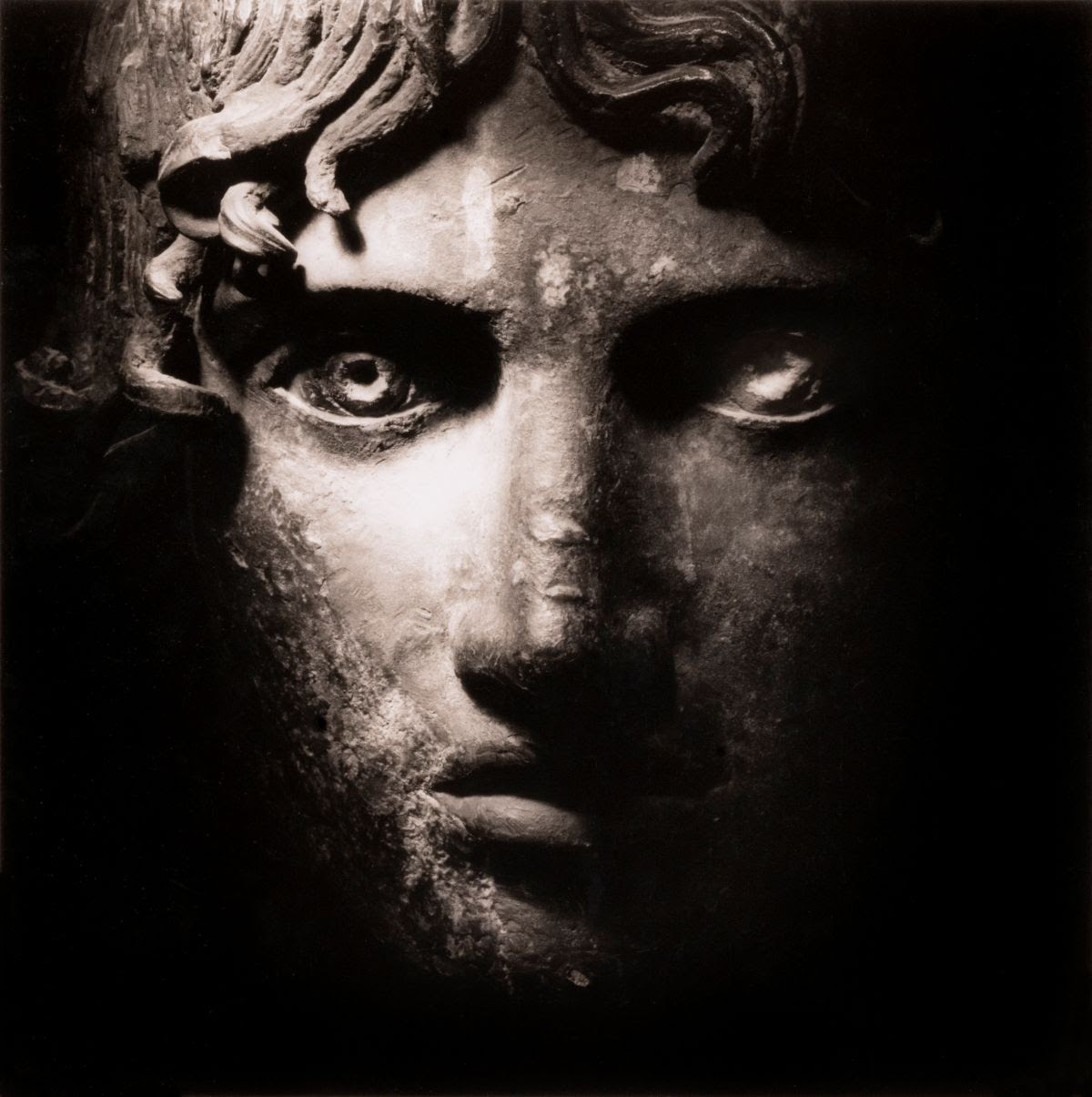
La fotografia di Mimmo Jodice non documenta: trasforma. Le sue immagini non descrivono il Mediterraneo, lo evocano come un’origine perduta e continuamente ritrovata. Statue, rovine, mari immobili, cieli rarefatti: tutto sembra emergere da una dimensione sospesa, dove il passato non è mai davvero passato.
Nella mostra di Matera, il cuore pulsante è la celebre serie Mediterraneo, un corpus di opere che restituisce una visione radicale del mare come spazio mentale prima ancora che geografico.
Le antiche sculture di Paestum, Pompei, Ercolano o Baia diventano presenze vive, quasi umane, grazie a un uso magistrale del bianco e nero e a una camera oscura che non riproduce ma reinventa.
Il risultato è un linguaggio visivo che non appartiene né alla storia né all’attualità, ma a una soglia intermedia: quella della memoria condivisa.
Palazzo Lanfranchi come soglia del tempo: Matera capitale del dialogo mediterraneo
Il contesto espositivo non è neutro. Matera, con la sua identità di città scavata nella pietra e nel tempo, amplifica il dialogo con le opere di Jodice. All’interno di Palazzo Lanfranchi, la fotografia si confronta con una dimensione architettonica che sembra già di per sé un’opera d’arte stratificata.
Non è un caso che il progetto si inserisca nel percorso di Matera come capitale culturale del dialogo mediterraneo: le immagini di Jodice sembrano infatti costruire un ponte invisibile tra civiltà, epoche e paesaggi.
Il Mediterraneo come teatro della memoria: statue, rovine e luce assoluta
Le opere esposte raccontano un viaggio che parte dalla Campania archeologica e si espande verso un Mediterraneo più ampio: Grecia, Turchia, Giordania, Tunisia, Francia, Libia. Ogni luogo diventa una variazione sul tema della permanenza e della dissoluzione.
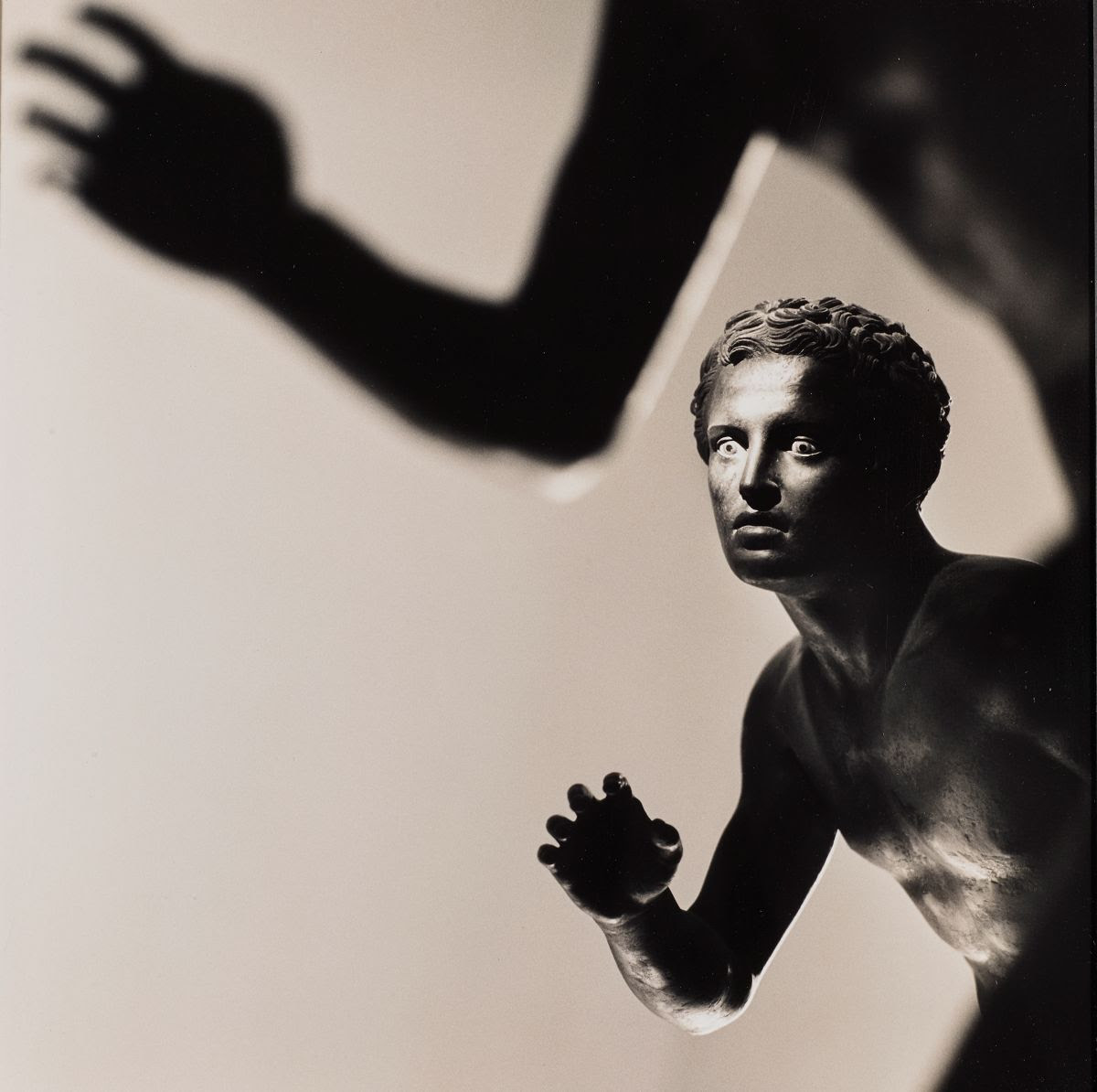
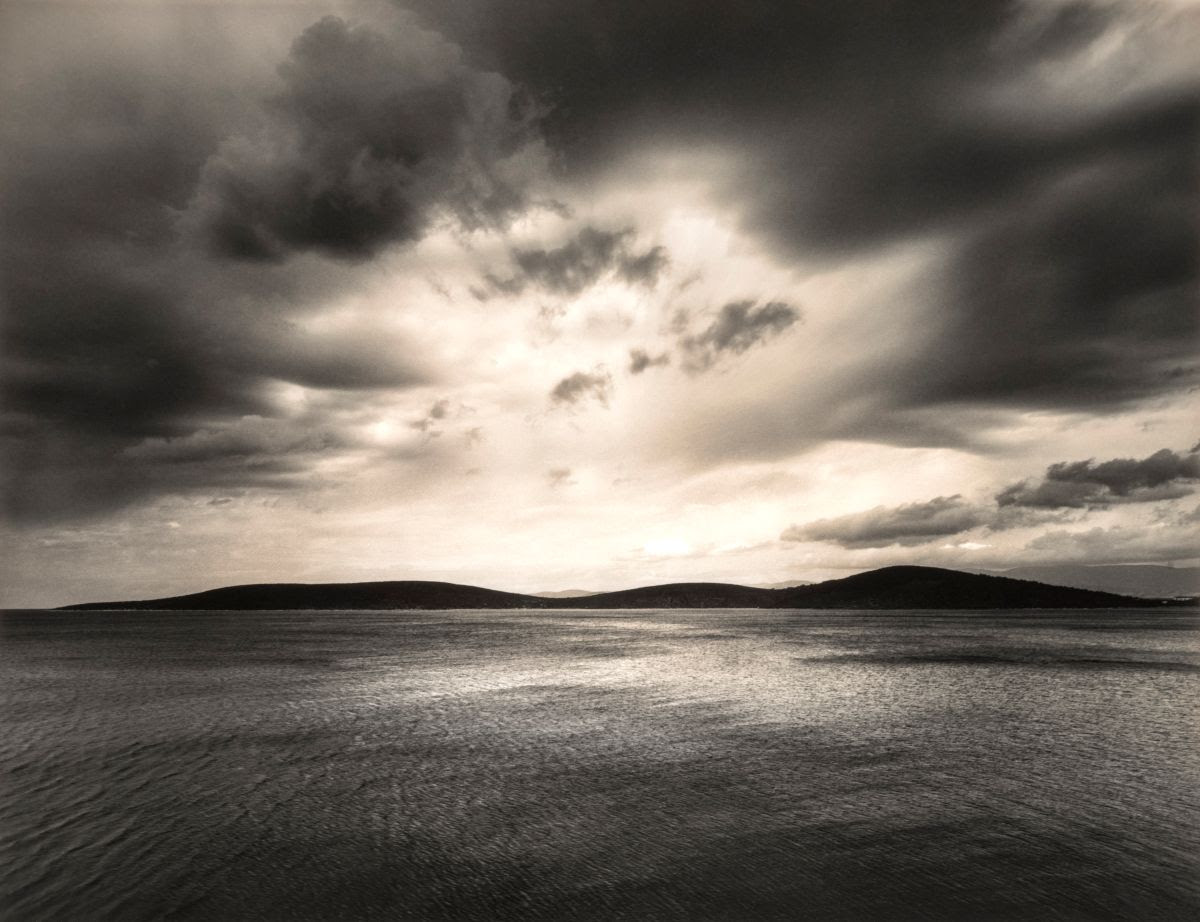
Le celebri Danzatrici e gli Atleti della Villa dei Papiri emergono come presenze animate da una luce drammatica, mentre il mare, spesso privo di presenze umane, diventa superficie metafisica, quasi un pensiero visivo.
È qui che la fotografia di Jodice raggiunge la sua massima intensità: quando la realtà si ritrae e lascia spazio a una visione che sembra appartenere a un tempo che non è mai stato presente, eppure ci riguarda profondamente.
Una mostra tra Roma, Matera e il Mediterraneo globale
Il progetto espositivo riunisce 83 opere fotografiche, tra cui 68 stampe vintage ai sali d’argento provenienti da importanti collezioni private e istituzionali, insieme a lavori più recenti e a grandi formati della serie Danzatrici. Un insieme che costruisce una vera e propria retrospettiva tematica, la prima grande rilettura istituzionale del lavoro di Jodice dopo la sua scomparsa.
La mostra proseguirà poi al Centre d’Art Moderne de Tétouan, rafforzando simbolicamente il dialogo tra le due rive del Mediterraneo e trasformando il progetto in un itinerario culturale transnazionale.
La fotografia come interpretazione del reale, non sua copia
Nel percorso curatoriale c’è un’idea centrale: la fotografia non è mai semplice registrazione del reale, ma interpretazione profonda. È questa la lezione che attraversa tutta l’opera di Jodice e che trova qui una delle sue sintesi più mature.
Come sottolinea il curatore Carlo Sala, le sculture perdono la loro freddezza originaria e diventano materia emotiva, capaci di attraversare il tempo e parlare allo spettatore contemporaneo con una forza quasi teatrale.
Non è la storia a essere rappresentata, ma la sua risonanza emotiva.
Un progetto editoriale che accompagna la mostra: il ritorno di “Mediterraneo”
La mostra è affiancata da una nuova edizione del volume Mediterraneo, pubblicato da Marsilio, che aggiorna e amplia la storica edizione americana di Aperture. Il libro raccoglie saggi fondamentali e contributi critici che restituiscono la complessità del lavoro di Jodice, tra cui testi di Predrag Matvejević e Salvatore Settis, insieme a un nuovo saggio curatoriale di Carlo Sala.
Il Mediterraneo come identità plurale: un messaggio ancora attualissimo
Le immagini di Jodice diventano oggi anche una riflessione politica e culturale sul significato stesso del Mediterraneo. Non una linea di confine, ma un sistema di connessioni, memorie e stratificazioni.
Come sottolineato da diverse voci istituzionali coinvolte nel progetto, il Mediterraneo emerge come uno spazio comune fatto di differenze che convivono, si trasformano e si riconoscono.
È in questa tensione tra identità e pluralità che la mostra trova la sua forza più contemporanea.
INFORMAZIONI AL PUBBLICO
Palazzo Lanfranchi
Piazza G. Pascoli, 1 – Centro Storico
Orari di apertura
Dal Lunedì alla Domenica, dalle ore 9.00 alle ore 20.00
Martedì, dalle ore 14.00 alle ore 20.00
Ultimo ingresso alle ore 19.00
Lunedì 6 luglio l’ingresso è gratuito dalle ore 20.00 alle ore 24.00, ultimo ingresso alle ore 23.00
Costi di ingresso
Adulti: € 10,00
Ingresso cumulativo valido per 2 giorni per tutte le sedi del Museo Nazionale: € 15,00
Abbonamento annuale valido per tutte le sedi del Museo Nazionale: € 25,00
Studenti (per ogni sede del Museo Nazionale): € 2,00
Minorenni (sotto i 18 anni): Gratis
Ragazzi (dai 18 ai 25 anni): € 2,00
Militari, forze dell’ordine, giornalisti, accademici: Gratis
Per il momento il sempre vostro Michelangelo Buonarroti vi saluta dandovi appuntamento ai prossimi post e sui social.
“The Mediterranean of light and shadow that hypnotizes the world”: Mimmo Jodice’s major exhibition in Matera rewrites the memory of the eternal sea.
There is a Mediterranean that no longer belongs merely to geography, but to collective memory. A Mediterranean that is suspended, silent, archaeological, and at the same time profoundly contemporary.
This is what forcefully reemerges in the major exhibition “Mimmo Jodice. Mediterranean,” curated by Carlo Sala, hosted in the prestigious spaces of the National Museums of Matera at Palazzo Lanfranchi from July 7 to November 8, 2026.
An exhibition project that does not simply celebrate a master of contemporary photography, but also proposes an immersive experience within an image of the world where time does not flow: it is stratified.
Mimmo Jodice and the Mediterranean as Vision: When Photography Becomes Archaeology of the Soul
Mimmo Jodice’s photography does not document: it transforms. His images do not describe the Mediterranean; they evoke it as a lost and continually rediscovered origin. Statues, ruins, still seas, rarefied skies: everything seems to emerge from a suspended dimension, where the past is never truly past.
The beating heart of the Matera exhibition is the celebrated Mediterraneo series, a body of work that conveys a radical vision of the sea as a mental space even before a geographical one.
The ancient sculptures of Paestum, Pompeii, Herculaneum, and Baia become living, almost human presences, thanks to a masterful use of black and white and a camera obscura that reinvents rather than reproduces.
The result is a visual language that belongs neither to history nor to the present, but to an intermediate threshold: that of shared memory.
Palazzo Lanfranchi as a threshold of time: Matera, capital of Mediterranean dialogue
The exhibition context is not neutral. Matera, with its identity as a city carved out of stone and time, amplifies the dialogue with Jodice’s works. Inside Palazzo Lanfranchi, photography engages with an architectural dimension that already seems like a layered work of art.
It’s no coincidence that the project fits into Matera’s journey as a cultural capital of Mediterranean dialogue: Jodice’s images seem to build an invisible bridge between civilizations, eras, and landscapes.
The Mediterranean as a theater of memory: statues, ruins, and absolute light
The works on display recount a journey that begins in archaeological Campania and expands to the broader Mediterranean: Greece, Turkey, Jordan, Tunisia, France, Libya. Each location becomes a variation on the theme of permanence and dissolution.
The famous Dancers and Athletes of the Villa of the Papyri emerge as presences animated by a dramatic light, while the sea, often devoid of human presence, becomes a metaphysical surface, almost a visual thought.
It is here that Jodice’s photography reaches its maximum intensity: when reality retreats and gives way to a vision that seems to belong to a time that has never been present, yet profoundly affects us.
An exhibition spanning Rome, Matera, and the global Mediterranean
The exhibition brings together 83 photographic works, including 68 vintage gelatin silver prints from important private and institutional collections, along with more recent works and large-format works from the Dancers series. A collection that creates a truly thematic retrospective, the first major institutional reinterpretation of Jodice’s work since his death.
The exhibition will then continue at the Centre d’Art Moderne de Tétouan, symbolically strengthening the dialogue between the two shores of the Mediterranean and transforming the project into a transnational cultural itinerary.
Photography as an interpretation of reality, not a copy
The curatorial approach focuses on a central idea: photography is never a simple recording of reality, but a profound interpretation. This is the lesson that runs through Jodice’s entire oeuvre and finds here one of its most mature synthesis.
As curator Carlo Sala emphasizes, the sculptures lose their original coldness and become emotional matter, capable of transcending time and speaking to the contemporary viewer with an almost theatrical force.
It is not history that is represented, but its emotional resonance.
An editorial project accompanying the exhibition: the return of “Mediterraneo”
The exhibition is accompanied by a new edition of the volume Mediterraneo, published by Marsilio, which updates and expands the historic American edition by Aperture. The book brings together key essays and critical contributions that reveal the complexity of Jodice’s work, including texts by Predrag Matvejević and Salvatore Settis, along with a new curatorial essay by Carlo Sala.
The Mediterranean as a plural identity: a message that remains timely
Jodice’s images today also become a political and cultural reflection on the very meaning of the Mediterranean. Not a border, but a system of connections, memories, and stratifications.
As emphasized by several institutional figures involved in the project, the Mediterranean emerges as a common space made up of differences that coexist, transform, and recognize each other.
It is in this tension between identity and plurality that the exhibition finds its most contemporary strength.
PUBLIC INFORMATION
Palazzo Lanfranchi
Piazza G. Pascoli, 1 – Historic Center
Opening Hours
Monday to Sunday, 9:00 am to 8:00 pm
Tuesday, 2:00 pm to 8:00 pm
Last admission at 7:00 pm
Monday, July 6th, admission is free from 8:00 pm to midnight, last admission at 11:00 pm
Entrance Fees
Adults: €10.00
Combined admission valid for 2 days for all National Museum locations: €15.00
Annual pass valid for all National Museum locations: €25.00
Students (for each National Museum location): €2.00
Minors (under 18): Free
Children (aged 18 to 25 years): €2.00
Military, law enforcement, journalists, academics: Free
For now, yours truly, Michelangelo Buonarroti bids farewell and invites you to join him in future posts and on social media.

Sostienici – Support Us
Se questo blog ti piace e ti appassiona, puoi aiutarci a farlo crescere sempre più sostenendoci in modo concreto condividendo i post, seguendo le pagine social e con un contributo che ci aiuta ad andare avanti con il nostro lavoro di divulgazione. . ENGLISH: If you like and are passionate about this blog, you can help us make it grow more and more by supporting us in a concrete way by sharing posts, following social pages and with a contribution that helps us to move forward with our dissemination work.
10,00 €
Condividi:


Questo sono io




sostienici

Sostienici – Support Us
Se questo blog ti piace e ti appassiona, puoi aiutarci a farlo crescere sempre più sostenendoci in modo concreto condividendo i post, seguendo le pagine social e con un contributo che ci aiuta ad andare avanti con il nostro lavoro di divulgazione. . ENGLISH: If you like and are passionate about this blog, you can help us make it grow more and more by supporting us in a concrete way by sharing posts, following social pages and with a contribution that helps us to move forward with our dissemination work.
€10,00


