
Sebastiano del Piombo muore il 21 giugno 1547: il pittore che sfidò Raffaello con il mio aiuto
Il 21 giugno del 1547 si spense a Roma Sebastiano del Piombo, al secolo Sebastiano Luciani. Aveva sessantadue anni e lasciava dietro di sé una carriera che pochi pittori del suo tempo poterono vantare. Era nato a Venezia nel 1485, in una città dove il colore era una religione e dove egli imparò molto presto a padroneggiare quella luce e quei toni che avrebbero reso celebri le sue opere.
Oggi molti lo ricordano come uno dei più grandi pittori del Rinascimento, ma io lo ricordo soprattutto come un amico. Un amico con cui condivisi idee, progetti, speranze artistiche e, infine, anche una rottura tanto dolorosa quanto definitiva.

Dalla Venezia di Giorgione e Tiziano alla Roma dei papi
Quando Sebastiano era ancora giovane si formò nella grande scuola veneziana. Frequentò l’ambiente di Giorgione e assimilò quella sensibilità cromatica che avrebbe fatto la differenza nella sua pittura. In seguito lavorò accanto a Tiziano, allora destinato a diventare il più celebre maestro della Serenissima.
Ma Venezia iniziò presto a stargli stretta. Nel 1511 si trasferì a Roma grazie al potente banchiere Agostino Chigi. Qui trovò una città in pieno fermento artistico, dominata dalle imprese di Raffaello e dalle mie. Sebastiano comprese immediatamente che il suo talento per il colore poteva trovare nuove strade unendosi alla monumentalità e alla forza del disegno che caratterizzavano l’arte romana.
Fu in quegli anni che nacque la nostra amicizia.
La collaborazione tra me e Sebastiano del Piombo
Molti parlarono del nostro sodalizio come di una strategia per contrastare l’ascesa di Raffaello. Le malelingue non mancarono allora e non mancano oggi. In Sebastiano riconobbi un artista di valore, capace di dare vita ai miei studi e alle mie invenzioni attraverso una tavolozza che nessun fiorentino avrebbe saputo eguagliare.
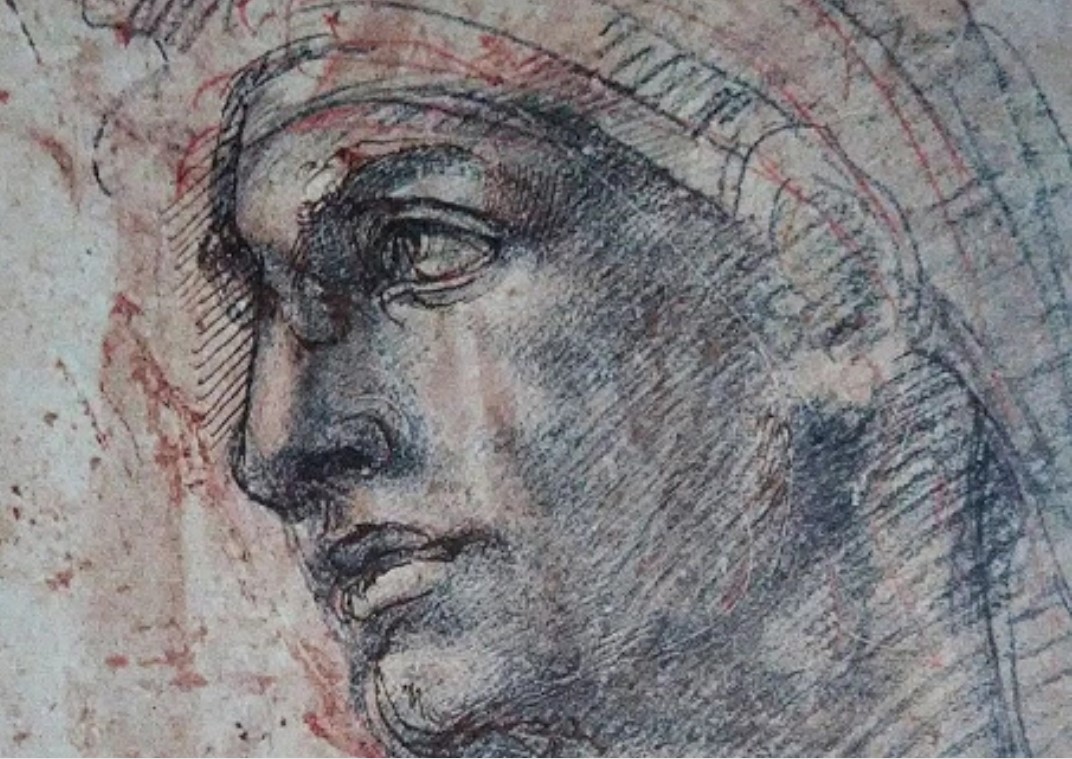
Gli fornivo disegni, idee e cartoni. Lui vi aggiungeva il colore, la morbidezza delle atmosfere e quella sensibilità tutta veneziana che rendeva le sue opere immediatamente riconoscibili.
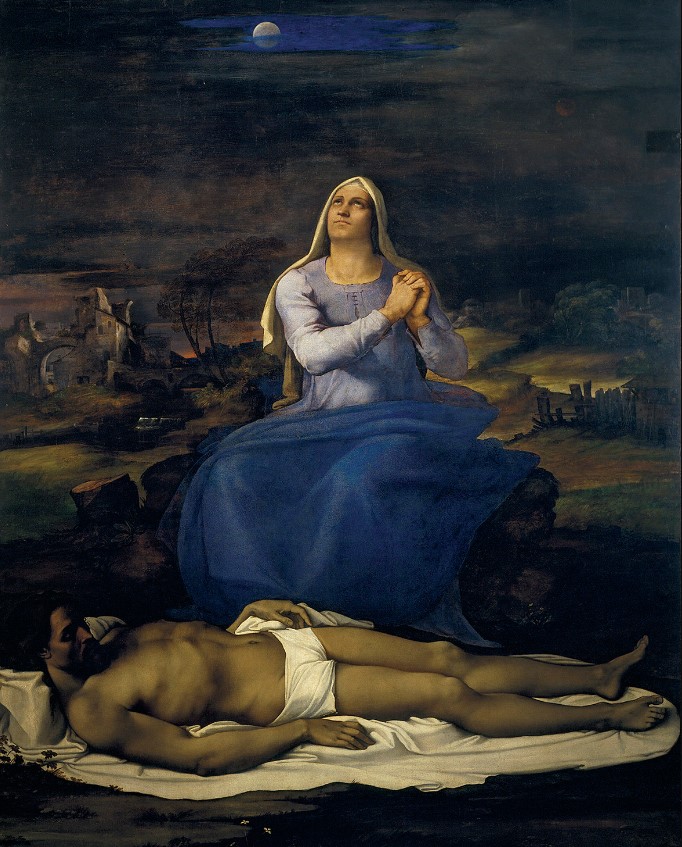
Tra i risultati più celebri di questa collaborazione vi fu la straordinaria Pietà di Viterbo, realizzata per Giovanni Botonti e collocata nella chiesa di San Francesco entro il 1516. Il cartone preparatorio che realizzai è andato perduto, ma alcuni miei schizzi testimoniano ancora oggi il lavoro svolto per quella composizione.
La sfida con Raffaello e la Resurrezione di Lazzaro
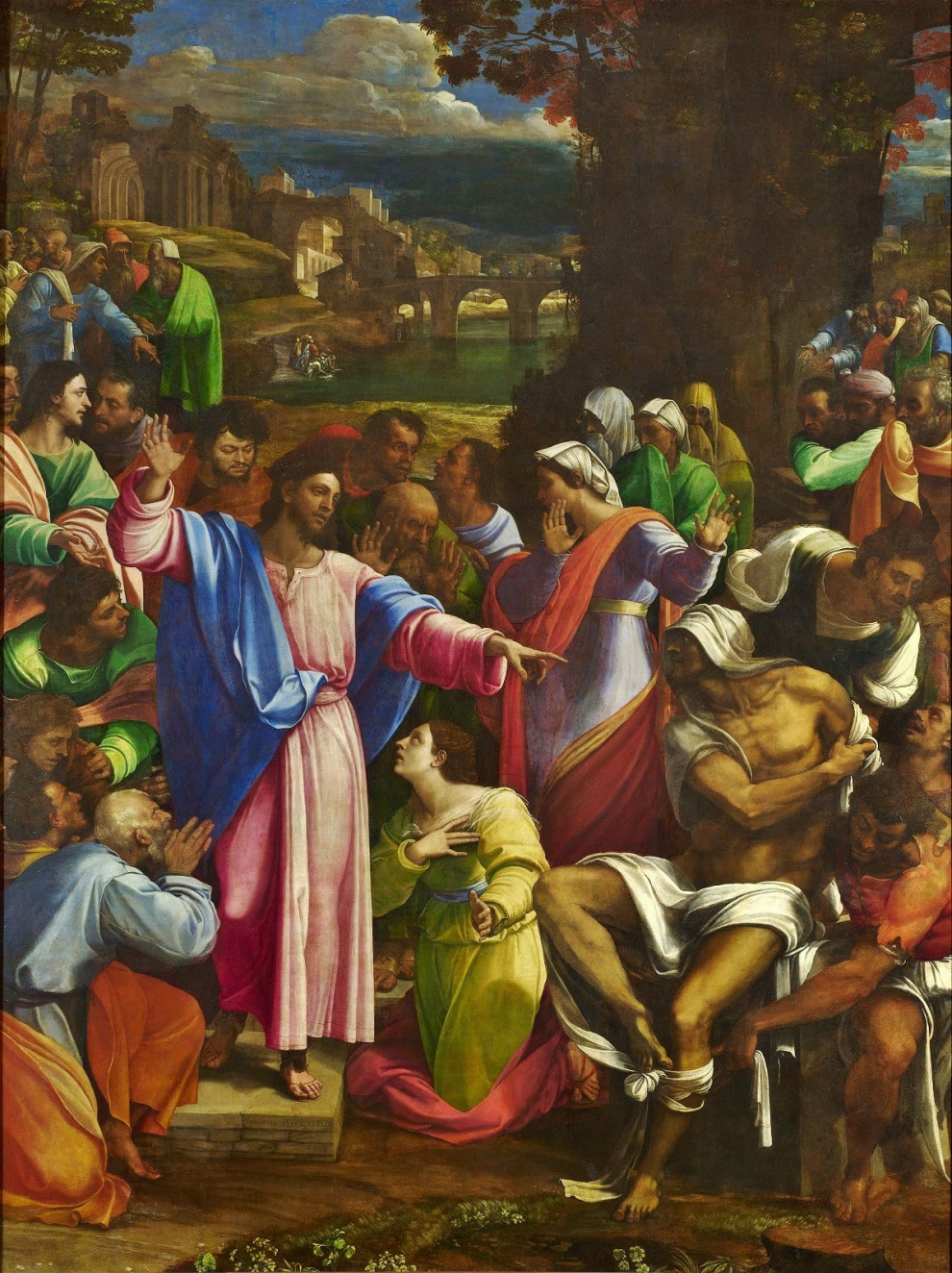
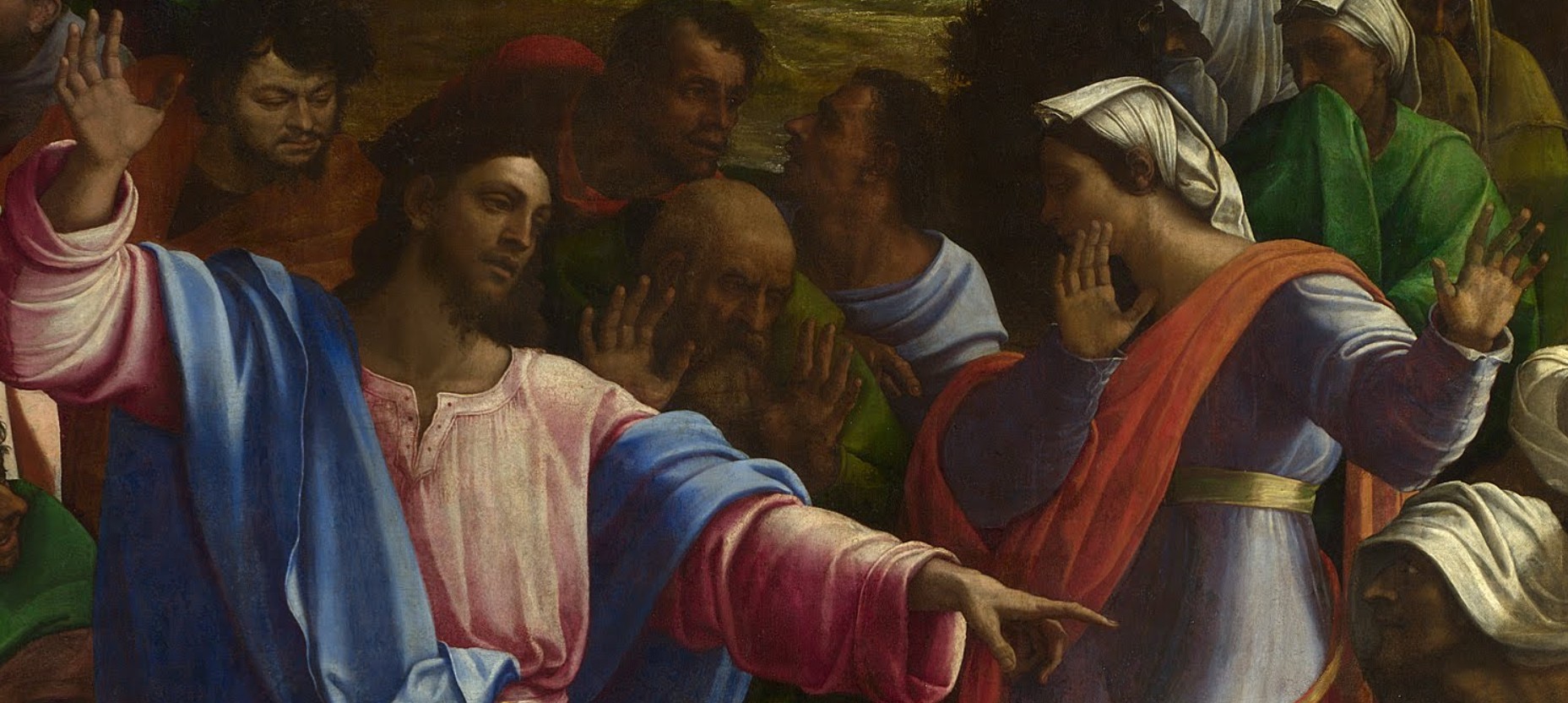
Il cardinale Giulio de’ Medici, futuro Clemente VII, volle mettere a confronto due dei più grandi talenti del suo tempo. Commissionò a Raffaello la Trasfigurazione e a Sebastiano la Resurrezione di Lazzaro, opere destinate alla cattedrale di Narbona.
Anche in quell’occasione lavorai dietro le quinte. Studiai pose, figure e composizione, mentre Sebastiano trasformava quelle idee in pittura. Rimangono lettere e disegni che testimoniano il fitto dialogo artistico che ci univa.
La Resurrezione di Lazzaro fu accolta con entusiasmo e dimostrò che Sebastiano poteva reggere il confronto con chiunque. La sua capacità di fondere il vigore del disegno romano con la ricchezza cromatica veneziana diede vita a un’opera destinata a segnare il Rinascimento.
Quando la nostra amicizia si spezzò per sempre
Eppure, come spesso accade, le amicizie più forti possono infrangersi all’improvviso.
Negli anni successivi Sebastiano ottenne un importante incarico presso la corte pontificia. Nel 1531 ricevette la carica di piombatore pontificio, da cui derivò il soprannome con cui ancora oggi è conosciuto: Sebastiano del Piombo. L’incarico gli garantiva prestigio e sicurezza economica, ma lo allontanò progressivamente dalla pittura.
Il colpo definitivo al nostro rapporto arrivò durante i lavori per il Giudizio Universale nella Cappella Sistina. Sebastiano convinse il papa che avrei dovuto dipingere a olio la parete d’altare e fece addirittura predisporre l’intonaco per quella tecnica senza consultarmi.
Quando lo seppi, andai su tutte le furie.
Feci rimuovere ogni preparazione. Non avevo alcuna intenzione di abbandonare l’affresco per seguire una moda che ritenevo inadatta a un’opera di quella portata. Da quel momento i nostri rapporti si interruppero definitivamente. Non vi fu più occasione di riconciliazione.
Il ricordo di un artista straordinario
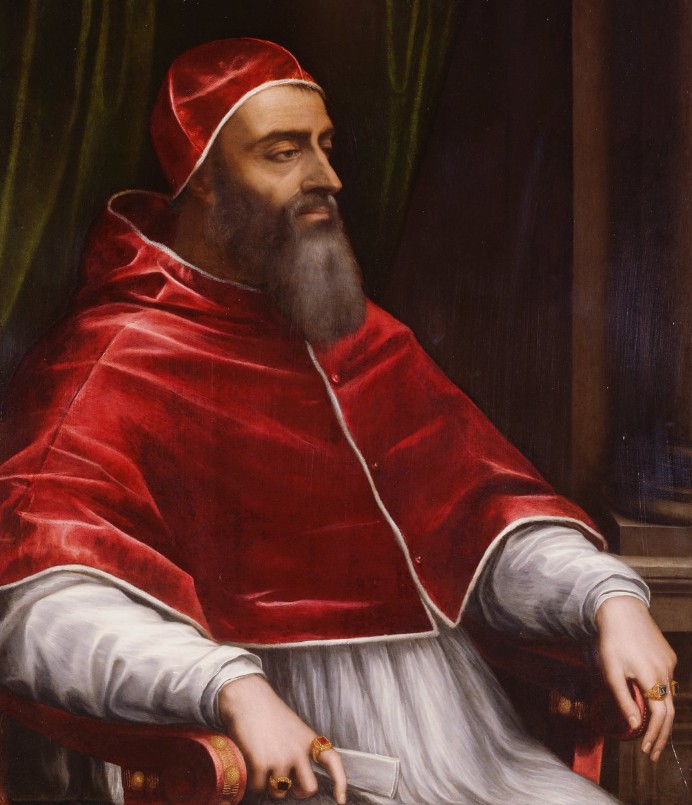
Nonostante il litigio, sarebbe ingiusto negare il valore di Sebastiano del Piombo. Era un uomo capace di risultati altissimi. Le sue opere mostrano una rara capacità di fondere due mondi artistici che spesso apparivano inconciliabili: il colore veneziano e il disegno dell’Italia centrale.
Fu autore di ritratti intensi e innovativi, tra i più apprezzati del Cinquecento. Seppe interpretare il volto umano con una profondità psicologica che ancora oggi colpisce chi osserva i suoi dipinti. Le sue immagini di papi, cardinali e nobili romani rappresentano alcuni dei vertici della ritrattistica rinascimentale.
Il 21 giugno 1547 si concluse la sua esistenza terrena. La nostra amicizia era ormai un ricordo lontano, ma il talento non si cancella con una disputa. Le incomprensioni appartengono agli uomini; le opere appartengono alla storia.
E se oggi, a distanza di secoli, il nome di Sebastiano del Piombo continua a essere ricordato, è perché seppe lasciare un segno autentico nell’arte del Rinascimento. Anche quando le nostre strade si divisero, nessuno avrebbe potuto cancellare ciò che avevamo costruito insieme.
Per il momento il sempre vostro Michelangelo Buonarroti vi saluta dandovi appuntamento ai prossimi post e sui social.
Sebastiano del Piombo dies on June 21, 1547: the painter who challenged Raphael with my help
On June 21, 1547, Sebastiano del Piombo, born Sebastiano Luciani, died in Rome. He was sixty-two years old and left behind a career that few painters of his time could boast. He was born in Venice in 1485, a city where color was a religion, and where he learned very early to master the light and tones that would make his works famous.
Today, many remember him as one of the greatest painters of the Renaissance, but I remember him above all as a friend. A friend with whom I shared ideas, projects, artistic hopes, and, finally, a break as painful as it was final.
From the Venice of Giorgione and Titian to the Rome of the Popes
When Sebastiano was still young, he trained in the great Venetian school. He frequented Giorgione’s circle and assimilated the chromatic sensitivity that would make a difference in his painting. He later worked alongside Titian, then destined to become the most famous master of the Serenissima.
But Venice soon began to feel too small for him. In 1511, he moved to Rome thanks to the powerful banker Agostino Chigi. There, he found a city in full artistic ferment, dominated by the works of Raphael and myself. Sebastiano immediately understood that his talent for color could find new avenues by combining it with the monumentality and force of design that characterized Roman art.
It was during those years that our friendship was born.
The collaboration between Sebastiano del Piombo and I
Many spoke of our partnership as a strategy to counter Raphael’s rise. There was no shortage of gossip then, and there is no shortage of gossip today. In Sebastiano, I recognized an artist of caliber, capable of bringing my studies and inventions to life with a palette no Florentine could match.
I provided him with drawings, ideas, and cartoons. He added color, a soft atmosphere, and that quintessentially Venetian sensibility that made his works instantly recognizable.
Among the most famous results of this collaboration was the extraordinary Viterbo Pietà, created for Giovanni Botonti and installed in the church of San Francesco by 1516. The preparatory cartoon I made has been lost, but some of my sketches still bear witness to the work I did for that composition.
The Challenge with Raphael and the Raising of Lazarus
Cardinal Giulio de’ Medici, the future Clement VII, wanted to pit two of the greatest talents of his time against each other. He commissioned Raphael to paint the Transfiguration and Sebastiano to paint the Raising of Lazarus, works destined for the cathedral of Narbonne.
On that occasion, too, I worked behind the scenes. I studied poses, figures, and composition, while Sebastiano transformed those ideas into paintings. Letters and drawings remain that testify to the intense artistic dialogue that united us.
The Raising of Lazarus was greeted with enthusiasm and demonstrated that Sebastiano could hold his own against anyone. His ability to blend the vigor of Roman design with the richness of Venetian color created a work destined to define the Renaissance.
When Our Friendship Ended Forever
Yet, as often happens, the strongest friendships can suddenly shatter.
In the following years, Sebastiano obtained an important position at the papal court. In 1531, he was appointed pontifical plumber, which earned him the nickname by which he is still known today: Sebastiano del Piombo. The position brought him prestige and financial security, but it gradually distanced him from painting.
The final blow to our relationship came during the work on the Last Judgment in the Sistine Chapel. Sebastiano convinced the pope that I should paint the altar wall in oils and even had the plaster prepared for that technique without consulting me.
When I learned this, I was furious.
I had all the preparations removed. I had no intention of abandoning fresco painting to follow a trend I deemed unsuitable for a work of that magnitude. From that moment, our relationship was definitively severed. There was no further opportunity for reconciliation.
The memory of an extraordinary artist
Despite the quarrel, it would be unfair to deny the value of Sebastiano del Piombo. He was a man capable of extraordinary achievements. His works demonstrate a rare ability to blend two artistic worlds that often seemed irreconcilable: Venetian color and central Italian design.
He created intense and innovative portraits, among the most appreciated of the sixteenth century. He knew how to interpret the human face with a psychological depth that still strikes those who view his paintings today. His images of popes, cardinals, and Roman nobles represent some of the pinnacles of Renaissance portraiture.
On June 21, 1547, his earthly existence ended. Our friendship was now a distant memory, but talent cannot be erased by an argument. Misunderstandings are the property of men; works of art belong to history.
And if today, centuries later, the name of Sebastiano del Piombo continues to be remembered, it’s because he left an authentic mark on Renaissance art. Even when our paths diverged, no one could erase what we built together.
For now, yours truly, Michelangelo Buonarroti bids you farewell and invites you to join us in future posts and on social media.

Sostienici – Support Us
Se questo blog ti piace e ti appassiona, puoi aiutarci a farlo crescere sempre più sostenendoci in modo concreto condividendo i post, seguendo le pagine social e con un contributo che ci aiuta ad andare avanti con il nostro lavoro di divulgazione. . ENGLISH: If you like and are passionate about this blog, you can help us make it grow more and more by supporting us in a concrete way by sharing posts, following social pages and with a contribution that helps us to move forward with our dissemination work.
10,00 €
Condividi:


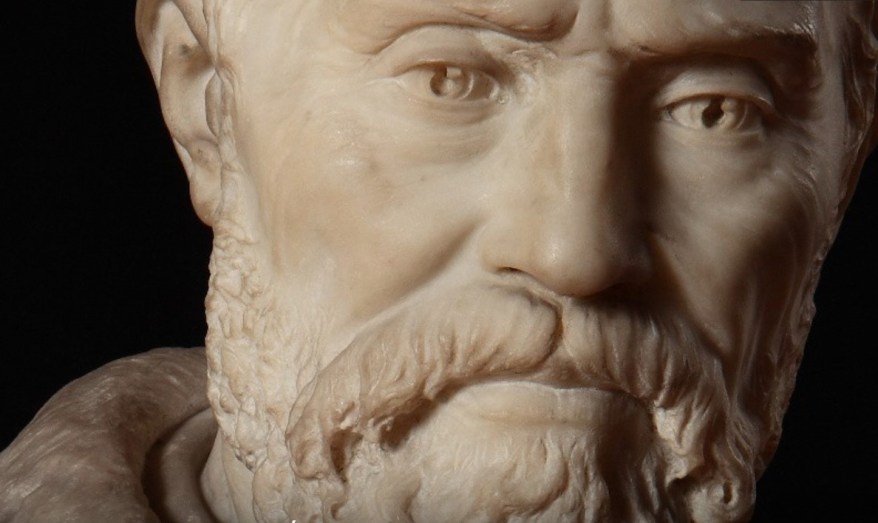
Questo sono io




sostienici

Sostienici – Support Us
Se questo blog ti piace e ti appassiona, puoi aiutarci a farlo crescere sempre più sostenendoci in modo concreto condividendo i post, seguendo le pagine social e con un contributo che ci aiuta ad andare avanti con il nostro lavoro di divulgazione. . ENGLISH: If you like and are passionate about this blog, you can help us make it grow more and more by supporting us in a concrete way by sharing posts, following social pages and with a contribution that helps us to move forward with our dissemination work.
€10,00


