
La Scultura del giorno: Bacco e Arianna di Dalou
La scultura del giorno che vi propongo oggi è il gruppo di Bacco e Arianna, scolpito nel 1894 dall’artista francese Aimé Jules Dalou.
Il soggetto scelto da Dalou è tratto dal mito classico. Arianna, figlia del re di Creta Minosse, era stata abbandonata sull’Isola di Naxos da Teseo per essere consolata da Bacco, dio del vino.
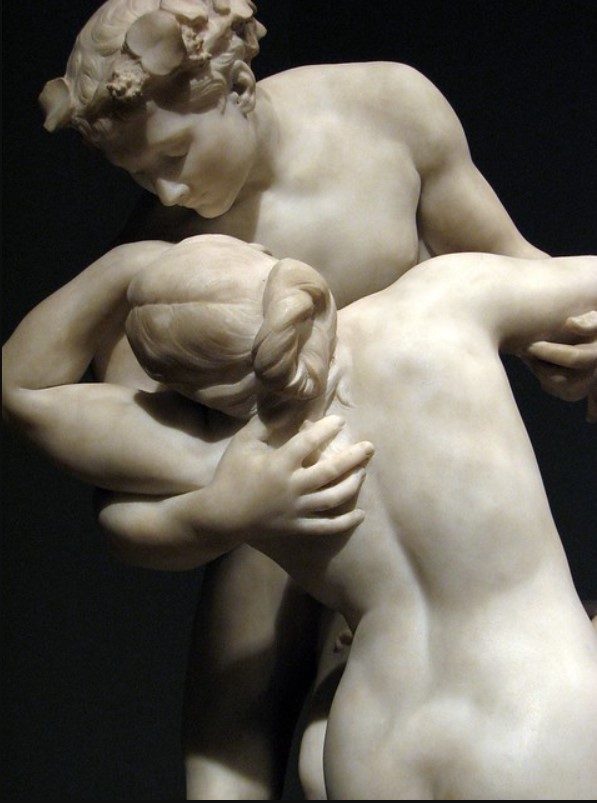
Lo scultore Dalou, scolpendo le due figure abbracciate, mostra l’intensità del momento in cui Bacco e Arianna si incontrano. L’intesa tra i due è palpabile attraverso gli intensi sguardi che si scambiano e la gestualità che trasmette protezione e al contempo passione.
Arianna si abbandona fra le braccia di Bacco mostrando tutta la fiducia che nutre verso di lui.
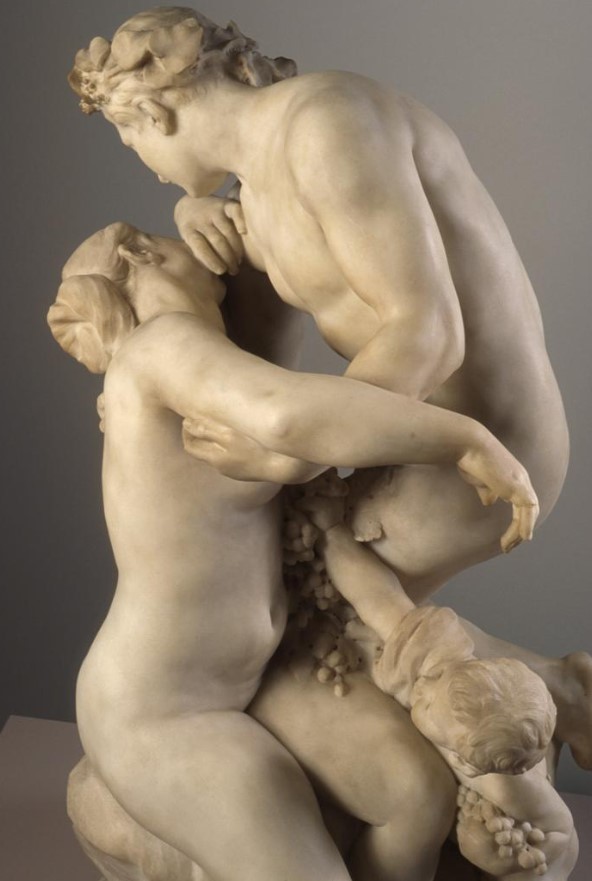
Le figure in movimento creano un senso di vitale energia, accentuata dal piccolo fauno che maliziosamente tenta di infilarsi tra i due protagonisti offrendo loro dei grappoli d’uva.
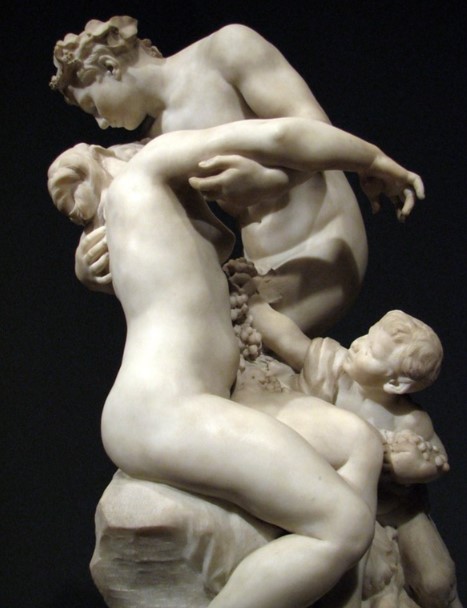
Le anatomie dei corpi sono assai sommarie ma riescono a descrivere alla perfezione i sentimenti espressi dai due protagonisti, messi in primo piano dall’artista.
Aimé Jules Dalou è stato senza dubbio uno fra i migliori scultori francesi dell’Ottocento. Viene spesso paragonato al suo contemporaneo Auguste Rodin ma il suo stile, sebbene sia intriso di realismo, si distingue per morbidezza e raffinata eleganza.
Dalou era capace di padroneggiando sia la grande scultura monumentale che i piccoli oggetti d’arte. Le sue opere, spesso ispirate alla vita quotidiana e a scene popolari, mostrano un grande senso di osservazione e una profonda umanità.
Per il momento il sempre vostro Michelangelo Buonarroti vi saluta dandovi appuntamento ai prossimi post e sui social.

Sostienici – Support Us
Se questo blog ti piace e ti appassiona, puoi aiutarci a farlo crescere sempre più sostenendoci in modo concreto condividendo i post, seguendo le pagine social e con un contributo che ci aiuta ad andare avanti con il nostro lavoro di divulgazione. . ENGLISH: If you like and are passionate about this blog, you can help us make it grow more and more by supporting us in a concrete way by sharing posts, following social pages and with a contribution that helps us to move forward with our dissemination work.
10,00 €
Sculpture of the day: Bacchus and Ariadne by Dalou
The sculpture of the day that I propose to you today is the group of Bacchus and Ariadne, sculpted in 1894 by the French artist Aimé Jules Dalou.
The subject chosen by Dalou is taken from the classical myth. Ariadne, daughter of the king of Crete Minos, was abandoned on the island of Naxos by Theseus to be consoled by Bacchus, god of wine.
The sculptor Dalou, sculpting the two embracing figures, shows the intensity of the moment in which Bacchus and Ariadne meet. The understanding between the two is palpable through the intense glances they exchange and the gestures that convey protection and passion at the same time.
Ariadne abandons herself in Bacchus’ arms, showing all the trust she has in him.
The moving figures create a sense of vital energy, accentuated by the small faun who mischievously tries to slip between the two protagonists, offering them bunches of grapes.
The anatomies of the bodies are very basic but manage to perfectly describe the feelings expressed by the two protagonists, brought to the fore by the artist.
Aimé Jules Dalou was undoubtedly one of the best French sculptors of the nineteenth century. He is often compared to his contemporary Auguste Rodin but his style, although imbued with realism, stands out for its softness and refined elegance.
Dalou was capable of mastering both large monumental sculptures and small art objects. His works, often inspired by everyday life and popular scenes, show a great sense of observation and a profound humanity.
For the moment, the ever-your Michelangelo Buonarroti bids you farewell, making an appointment with you in the next posts and on social media.
Sostienici – Support Us
Se questo blog ti piace e ti appassiona, puoi aiutarci a farlo crescere sempre più sostenendoci in modo concreto condividendo i post, seguendo le pagine social e con un contributo che ci aiuta ad andare avanti con il nostro lavoro di divulgazione. . ENGLISH: If you like and are passionate about this blog, you can help us make it grow more and more by supporting us in a concrete way by sharing posts, following social pages and with a contribution that helps us to move forward with our dissemination work.
10,00 €
-
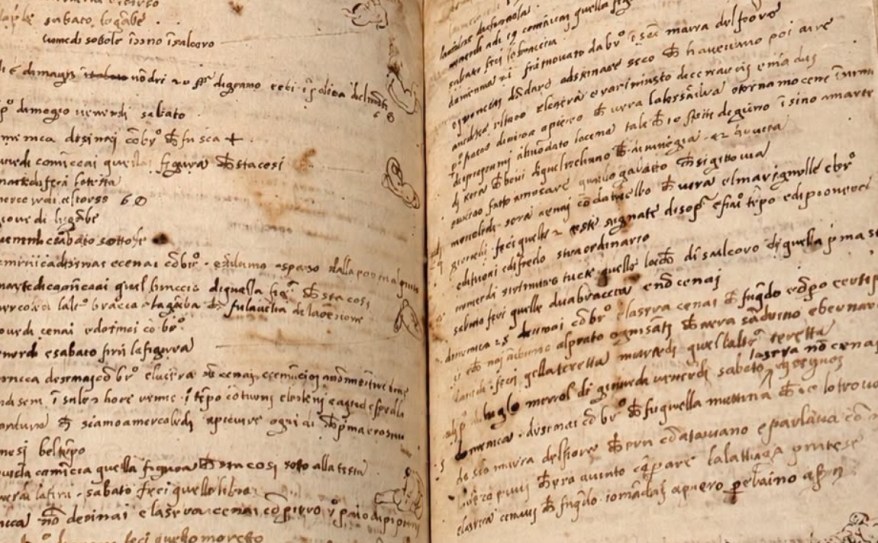
Pontormo, il diario segreto del pittore: malattie, pasti e piccoli disegni che raccontano la sua vita
🇮🇹Il diario di Pontormo: malattie, pasti, amicizie e piccoli disegni raccontano la vita privata del pittore e il lavoro perduto a San Lorenzo… 🇬🇧Pontormo’s diary—with its accounts of illnesses, meals, friendships, and small sketches—reveals the painter’s private life and his lost work at San Lorenzo…
-
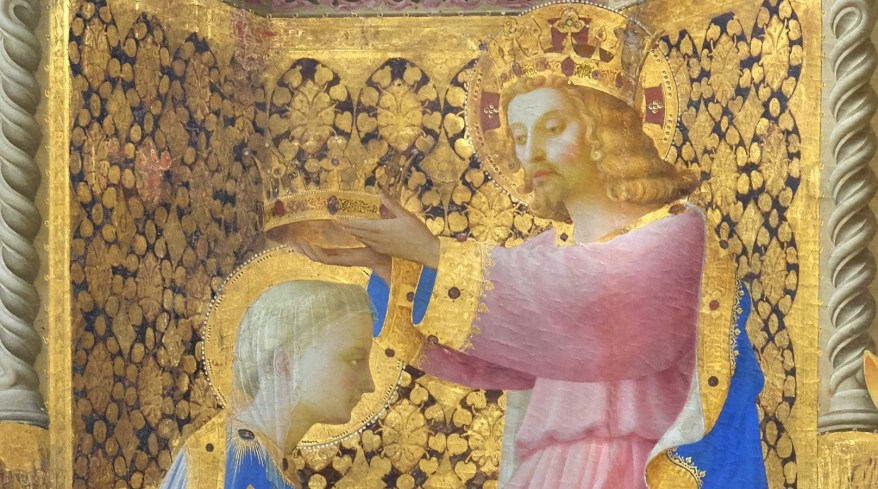
25 ottobre 1815: le opere rubate da Napoleone tornarono in Italia, ma 248 rimasero in Francia
🇮🇹Il 25 ottobre 1815 partì da Parigi un convoglio di 41 carri trainati da circa 200 cavalli, con 249 opere d’arte destinate a tornare in Italia… 🇬🇧On October 25, 1815, a convoy of 41 wagons, pulled by approximately 200 horses, departed from Paris, carrying 249 works of art destined to return to Italy…
-

Più forte della morte
🇮🇹Può l’amore superare la morte? In un madrigale sorprendente, il desiderio di chi amo arriva fino all’Inferno e al Paradiso… 🇬🇧Can love transcend death? In a striking madrigal, the longing for the one I love reaches as far as Hell and Paradise…
Condividi:


Questo sono io




sostienici

Sostienici - Support Us
Se questo blog ti piace e ti appassiona, puoi aiutarci a farlo crescere sempre più sostenendoci in modo concreto condividendo i post, seguendo le pagine social e con un contributo che ci aiuta ad andare avanti con il nostro lavoro di divulgazione. . ENGLISH: If you like and are passionate about this blog, you can help us make it grow more and more by supporting us in a concrete way by sharing posts, following social pages and with a contribution that helps us to move forward with our dissemination work.
€10,00


