
18 febbraio 1564: 460 anni fa passavo a miglior vita
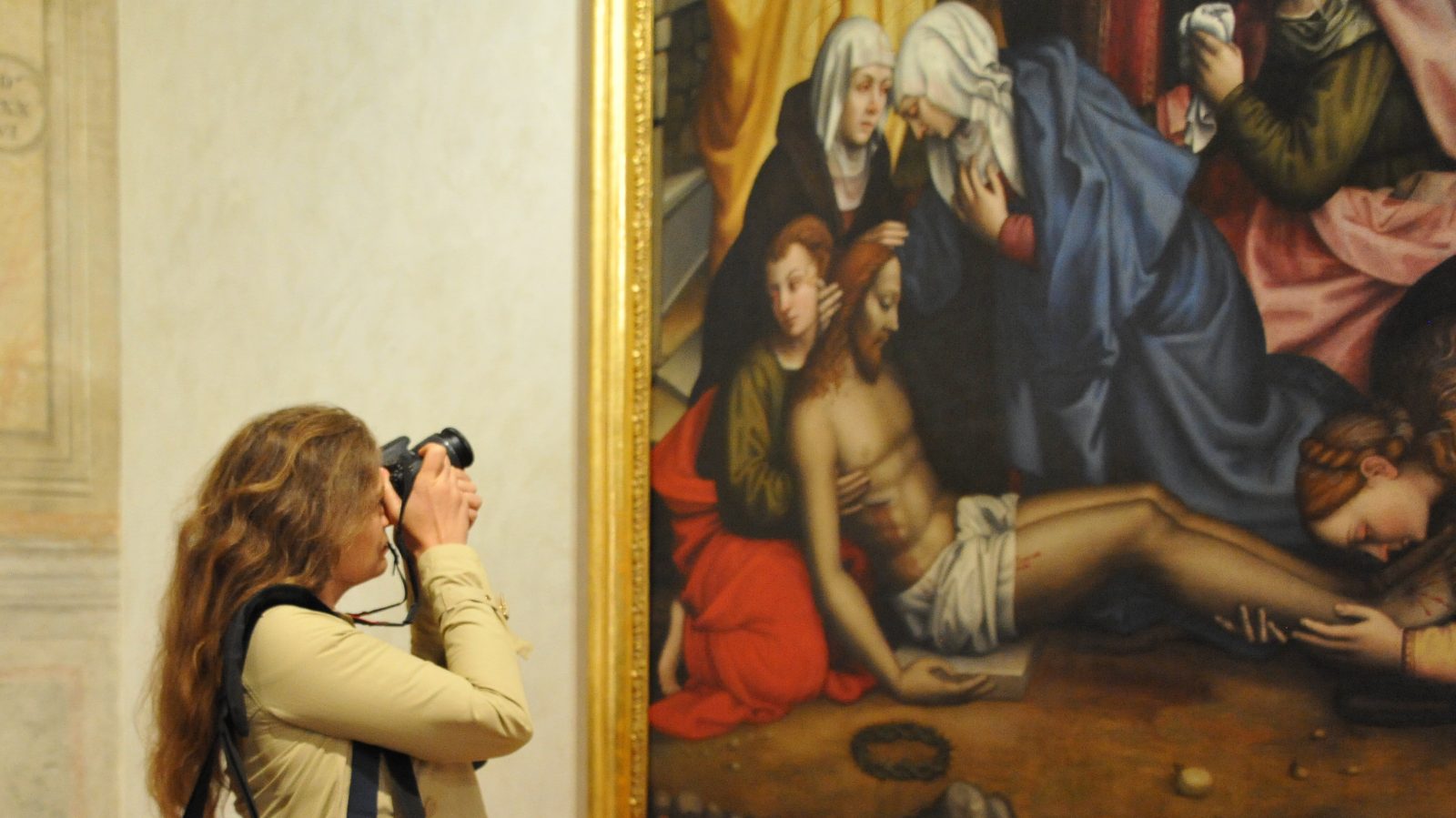
460 anni fa, il 18 febbraio del 1564, morivo a Roma nella mia casa a Macel de’ Corvi mentre i miei amici più cari al mio capezzale, mi leggevano i passi dei Vangeli che narrano la Passione di Cristo.
A tenermi per mano nell’ora del trapasso c’erano Daniele da Volterra, Diomede Lioni e il mio amato Tommaso de’ Cavalieri. C’era anche il mio servitore Antonio che da qualche tempo aveva preso il posto dell’Urbino, morto già da diversi anni.
Quelle voci che sentivo sempre più lontane resero il distacco meno greve. Avevo vissuto quasi 89 anni e ai miei tempi erano davvero tanti. Veder vecchi come me in giro per le vie era una rarità.
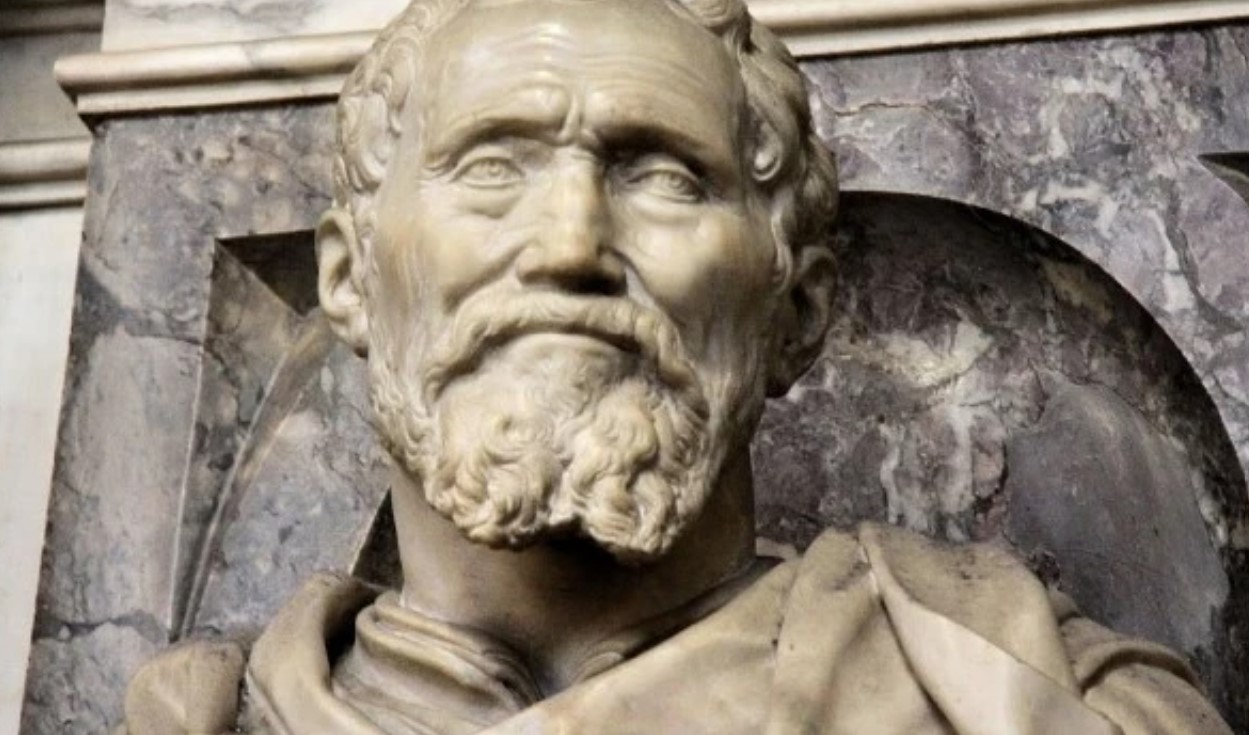
Che il tempo a disposizione stesse scadendo me n’ero reso conto qualche anno prima. Nel 1561, oberato di lavoro, iniziai a fare i conti in anticipo col Padreterno.
All’epoca ero impegnato con il progetto di Porta Pia per papa Pio IV, con i disegni per la nuova chiesa da realizzare sulle rovine delle Terme di Diocleziano e con il progetto della Basilica di San Pietro da portare avanti. Presi carta e penna per chiedere al mi nipote Lionardo di venirmi a trovarmi a Roma dopo Pasqua.

Avevo voglia di vederlo e desideravo metterlo al corrente delle mie ultime volontà. Sapeva non avrei campato più tanto anche se mai avrei immaginato di vivere per altri tre anni.
Gli scrissi il 22 marzo dicendogli di venire a Roma senza però portarsi dietro troppa gente e chiedendogli di rimanere poco: “non menar teco gente che io abbia a tener qua in casa perché ci ò donne e poche masserizie: e in fra due o tre dì ti potrai ritornare a Firenze, perchè con poche parole ti farò intendere l’animo mio”

Nell’estate poi mi parve ancor di più di perdere terreno sotto i piedi e volli elargire molte più elemosine del solito. Oltre alla povera gente che stava a Roma, beneficiai chi ne aveva più bisogno a Firenze. Chiesi al mi nipote Lionardo di cercare famiglie che necessitassero più di altre, ripartendo fra di loro un totale di 300 scudi.
Chi m’accusa d’esser stato spilorcio poco conosce la mia storia. Non spendevo per me in cose futili che non ritenevo necessarie, quello si ma è un’altra storia.
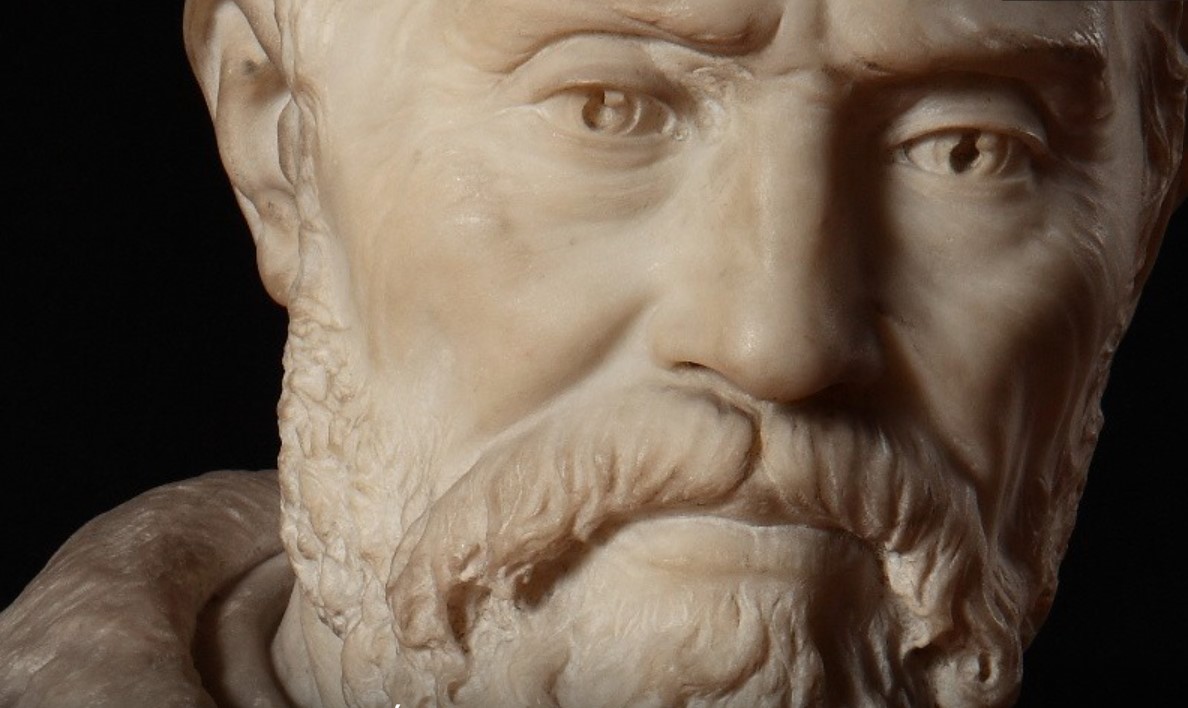
Nell’agosto del 1561 stavo per morire ma anche quella volta mi ripresi. Il Calcagni, in una lettera scritta a Lionardo, mise nero su bianco che “La mattina che egli avvenne lo accidente egli era stato levato e scalzo a disegniare forse tre hore. Pare che quel tanto freddo li facesse venire, dopo a’ dolori pel corpo, uno svenimento tanto grande che, caduto, fece col viso e con la persona strani atti”.
Accorsero da me subito Tommaso de’ Cavalieri e Francesco Bandini che mi trovarono in uno stato confusionario, probabilmente causata da una congestione cerebrale.
Ma la mia ora non era ancora giunta e poco a poco tornai a disegnare, scolpire, cavalcare e a essere quello di sempre, sebbene un po’ più acciaccato e consapevole che al mondo nessuno è eterno.
Giunto è già ’l corso della vita mia,
con tempestoso mar, per fragil barca,
al comun porto, ov’a render si varca
conto e ragion d’ogni opra trista e pia...
Io che avevo domato la pietra e finanche le montagne mi dovetti arrendere.
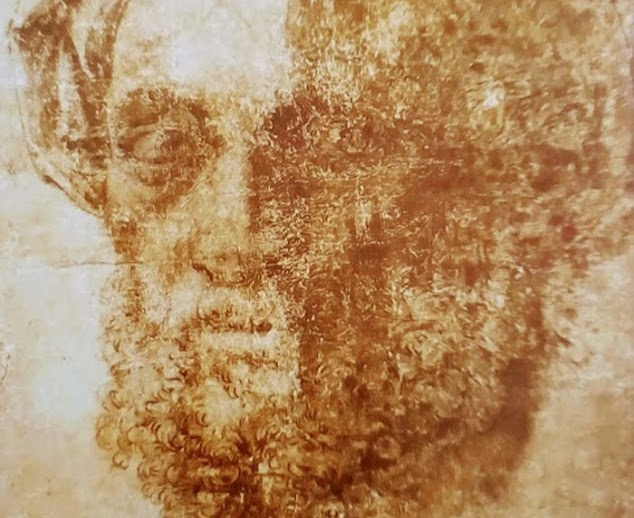
Durante i primi giorni del febbraio del 1564 iniziai a sentirmi poco bene. Un malessere che non mi abbandonò più. Il 15 febbraio fra le dieci e le undici di sera, volli provare a salire di nuovo in sella al mio cavallo per vedere se potevo trovar perlomeno un po’ di sollievo.
Feci presto a tornarmene a casa e mi sedetti sulla sedia davanti al camino. Stavo meglio seduto lì, in compagnia delle fiamme che danzavano che disteso a letto.
Due giorni seduto al fuoco e i tre successivi a letto: di lì non mi rialzai più.

Al mio ultimo respiro i miei cari amici si inginocchiarono offrendomi così il loro estremo saluto.
In occasione del 460 anni dalla mia morte che ricorrono proprio in questa giornata, ho scritto un articolo per National Geographic Storica sulla Pietà Vaticana dal titolo “Pietà Vaticana: nn fatta di marmo da mano mortale” che vi consiglio vivamente di leggere. Lo trovate QUA.
Per il momento il vostro Michelangelo Buonarroti vi saluta dandovi appuntamento ai prossimi post e sui social.
https://www.storicang.it/a/pieta-vaticana-non-fatta-di-marmo-da-mano-mortale_16567: 18 febbraio 1564: 460 anni fa passavo a miglior vita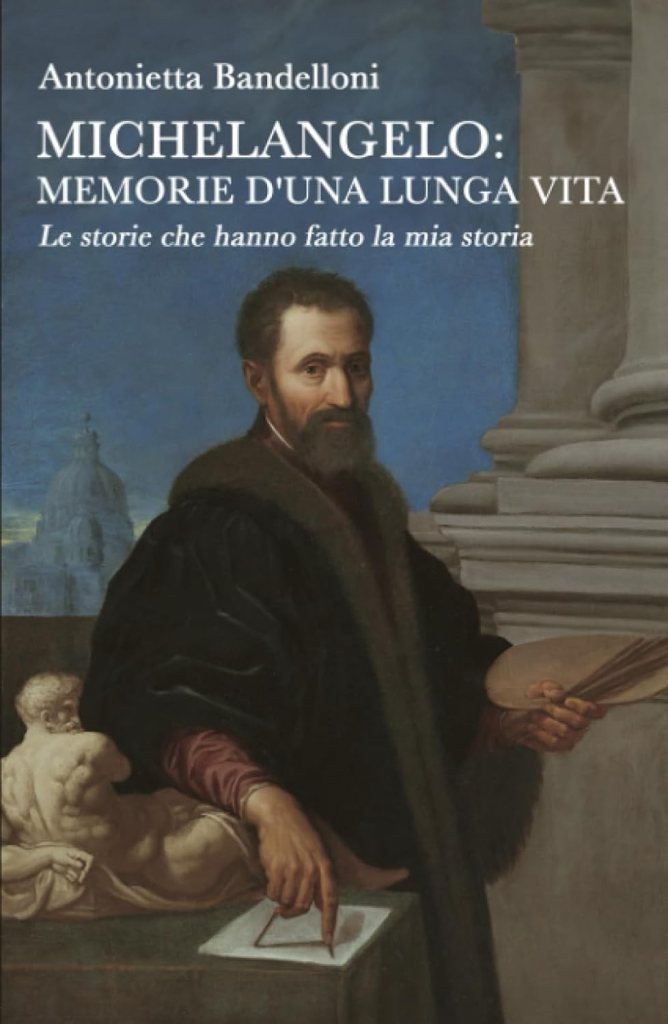

Sostienici – Support Us
Se questo blog ti piace e ti appassiona, puoi aiutarci a farlo crescere sempre più sostenendoci in modo concreto condividendo i post, seguendo le pagine social e con un contributo che ci aiuta ad andare avanti con il nostro lavoro di divulgazione. . ENGLISH: If you like and are passionate about this blog, you can help us make it grow more and more by supporting us in a concrete way by sharing posts, following social pages and with a contribution that helps us to move forward with our dissemination work.
8,00 €
February 18, 1564: 460 years ago I passed away
460 years ago, on 18 February 1564, I died in Rome in my home in Macel de’ Corvi while my closest friends at my bedside read to me the passages from the Gospels that narrate the Passion of Christ.
Holding my hand at the time of my passing were Daniele da Volterra, Diomede Lioni and my beloved Tommaso de’ Cavalieri. There was also my servant Antonio who had recently taken the place of Urbino, who had already died several years ago.
Those voices that I heard were increasingly distant made the separation less burdensome. I had lived almost 89 years and in my time that was a lot. Seeing old people like me walking around the streets was a rarity.
I had realized that I was running out of time a few years earlier. In 1561, overworked, I began to reckon with the Father in advance.
At the time I was busy with the Porta Pia project for Pope Pius IV, with the designs for the new church to be built on the ruins of the Baths of Diocletian and with the project of St. Peter’s Basilica to carry forward. I took pen and paper to ask my nephew Lionardo to come and visit me in Rome after Easter.
I wanted to see him and wanted to inform him of my last wishes. He knew I wouldn’t live much longer even if I never imagined living for another three years.
I wrote to him on March 22 telling him to come to Rome without bringing too many people with him and asking him to stay for a short time: “don’t bring people with you that I have to keep here in the house because I have women and few household goods: and in two or three days you can return to Florence, because with a few words I will make you understand my soul”
Then in the summer I felt even more like I was losing ground under my feet and I wanted to give much more alms than usual. In addition to the poor people in Rome, I benefited those who needed it most in Florence. I asked my nephew Lionardo to look for families who needed more than others, dividing a total of 300 scudi among them.
Anyone who accuses me of being stingy knows little about my story. I didn’t spend on trivial things that I didn’t consider necessary, yes, but that’s another story.
In August 1561 I was about to die but I recovered that time too. Calcagni, in a letter written to Lionardo, put in black and white that “On the morning that the accident occurred he had been up barefoot drawing for perhaps three hours. It seems that the extreme cold caused him, after the pain in his body, to become so faint that, when he fell, he performed strange things with his face and body.”
Tommaso de’ Cavalieri and Francesco Bandini immediately rushed to me and found me in a confused state, probably caused by cerebral congestion.
But my time had not yet come and little by little I went back to drawing, sculpting, riding and being the same as always, although a little more bruised and aware that no one in the world is eternal.
Giunto è già ’l corso della vita mia,
con tempestoso mar, per fragil barca,
al comun porto, ov’a render si varca
conto e ragion d’ogni opra trista e pia...
I, who had tamed the stone and even the mountains, had to surrender.
During the first days of February 1564 I began to feel unwell. A malaise that never left me again. On February 15th between ten and eleven in the evening, I wanted to try to get back on my horse to see if I could find at least a little relief.
I quickly returned home and sat down in the chair in front of the fireplace. I was better off sitting there with the dancing flames than lying in bed.
Two days sitting at the fire and the next three in bed: from there I never got up again.
At my last breath my dear friends knelt down to offer me their final farewell.
For the moment, your Michelangelo Buonarroti greets you and will meet you in future posts and on social media.
Sostienici – Support Us
Se questo blog ti piace e ti appassiona, puoi aiutarci a farlo crescere sempre più sostenendoci in modo concreto condividendo i post, seguendo le pagine social e con un contributo che ci aiuta ad andare avanti con il nostro lavoro di divulgazione. . ENGLISH: If you like and are passionate about this blog, you can help us make it grow more and more by supporting us in a concrete way by sharing posts, following social pages and with a contribution that helps us to move forward with our dissemination work.
8,00 €
-
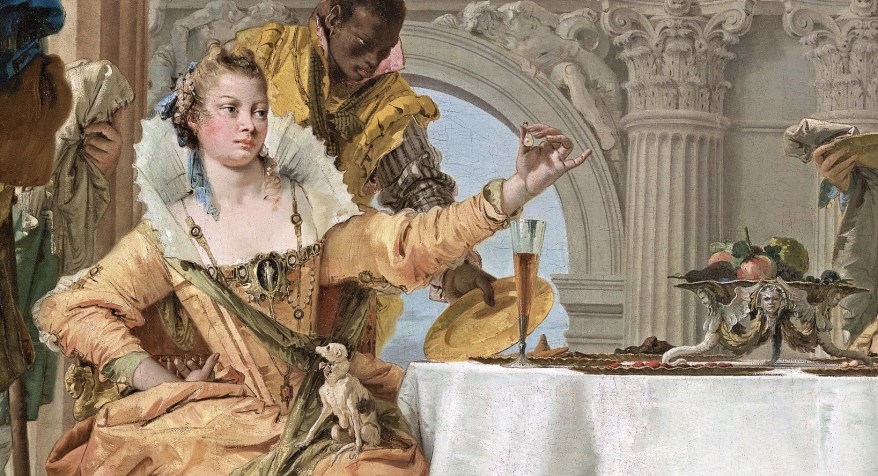
Quando Cleopatra umiliò Roma: il significato nascosto del celebre dipinto di Tiepolo
🇮🇹 Il dipinto che vi propongo è pura teatralità, lusso e strategia. Cleopatra scommette con Marco Antonio di poter offrire il banchetto più sontuoso della storia e per vincere compie un gesto folle… 🇬🇧 The painting I propose is pure theatricality, luxury, and strategy. Cleopatra bets Mark Antony that she can offer the most sumptuous…
-
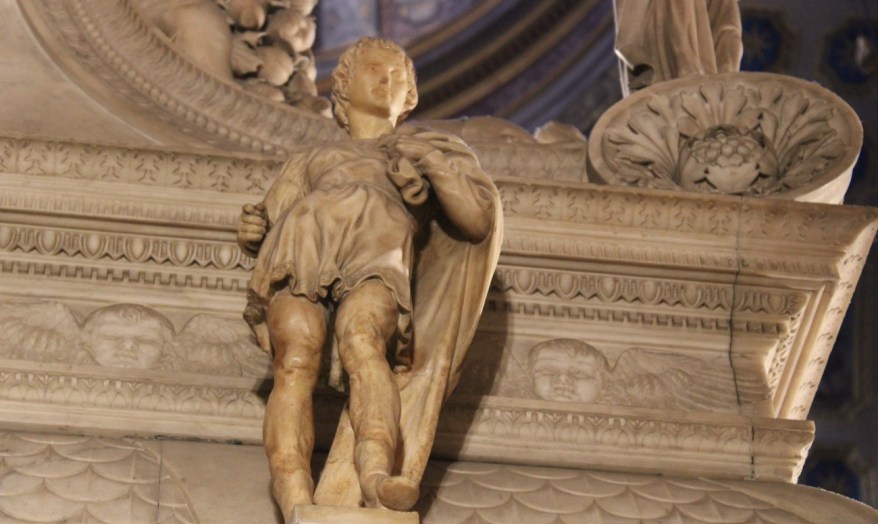
Il mio primo soggiorno a Bologna e l’incontro con Giovan Francesco Aldrovandi
🇮🇹Fuggii da Firenze a soli 19 anni. Senza certezze, senza protezioni. Solo con il mio talento. A Bologna trovai rifugio nella casa di Giovan Francesco Aldrovandi… 🇬🇧I fled Florence at just 19. Without certainties, without protection. Only with my talent. In Bologna, I found refuge in the home of Giovan Francesco Aldrovandi…
-
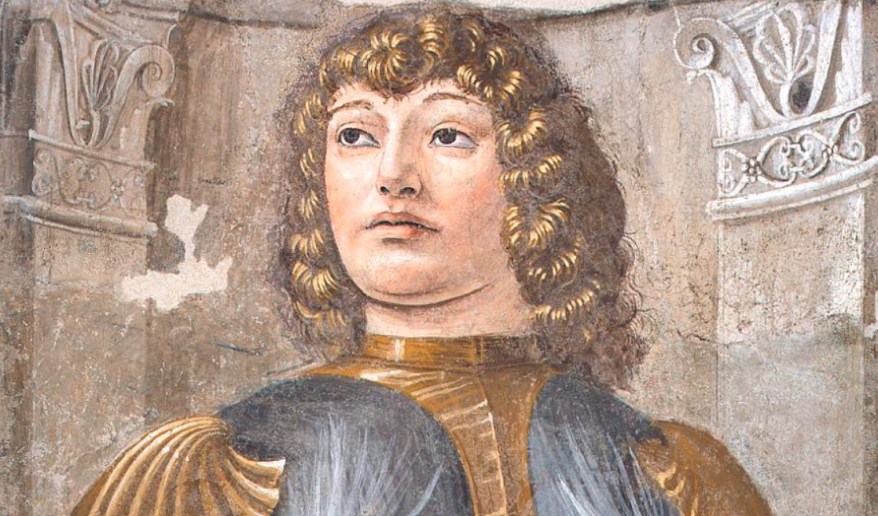
11 aprile 1514: muore Donato Bramante, il genio della scala elicoidale
🇮🇹Era l’11 aprile 1514 quando Donato Bramante morì a Roma. La sua scomparsa non cancellò però le tensioni, le rivalità e i giudizi contrastanti che avevano accompagnato tutta la sua carriera… 🇬🇧It was April 11, 1514, when Donato Bramante died in Rome. His passing, however, did not erase the tensions, rivalries, and conflicting opinions that…
Condividi:


Questo sono io





sostienici

Sostienici – Support Us
Se questo blog ti piace e ti appassiona, puoi aiutarci a farlo crescere sempre più sostenendoci in modo concreto condividendo i post, seguendo le pagine social e con un contributo che ci aiuta ad andare avanti con il nostro lavoro di divulgazione. . ENGLISH: If you like and are passionate about this blog, you can help us make it grow more and more by supporting us in a concrete way by sharing posts, following social pages and with a contribution that helps us to move forward with our dissemination work.
€10,00


