

26 gennaio: San Zanobi e la fiorita
Oggi 26 gennaio a Firenze si celebra San Zanobi con la fiorita. Se siete di Firenze sicuramente ne avete sentito parlare e probabilmente avete partecipato anche alla fiorita ma se non avete idea di cosa si tratti niente paura, ve lo racconto per filo e per segno.
San Zanobi è il copatrono di Firenze e a lui sono attribuiti numerosi miracoli come per l’appunto quello della fiorita. Era nato verso la metà del IV secolo e nel corso dell’esistenza si legò in modo indissolubile a Sant’Ambrogio che ne stimolò e maturò la vocazione religiosa.

Orbene, avete presente quella colonna che si trova fra il duomo di Santa Maria del Fiore e il Battistero?
Magari ci siete passati chissà quante volte sotto e vi siete domandati pure che ci facesse proprio in quel punto. Ebbene, quella è proprio la Colonna di San Zanobi, messa lì per ricordare un evento a metà fra il leggendario e il miracoloso.
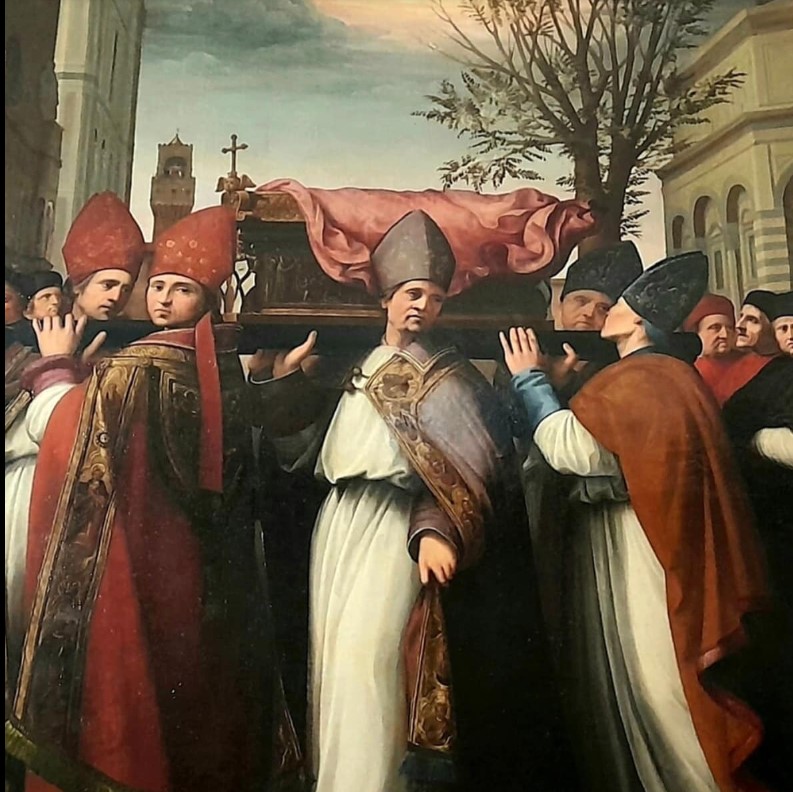
Era il 26 gennaio del 429, quando le spoglie di San Zanobi vennero spostate dal duomo di San Lorenzo verso la nuova chiesa di Santa Reparata, quella che da diversi secoli è stata sostituita da Santa Maria del Fiore.

Secondo l’antica leggenda, quando le spoglie transitarono nell’attuale piazza San Giovanni, un albero di olmo oramai secco fiorì. Per ricordare quell’evento miracoloso venne eretta lì dove c’era quella pianta una colonna in marmo sormontata da una croce.
In origine la croce fu realizzata con il legno dello stesso olmo ma da tempo è stata sostituita con una copia in pietra.
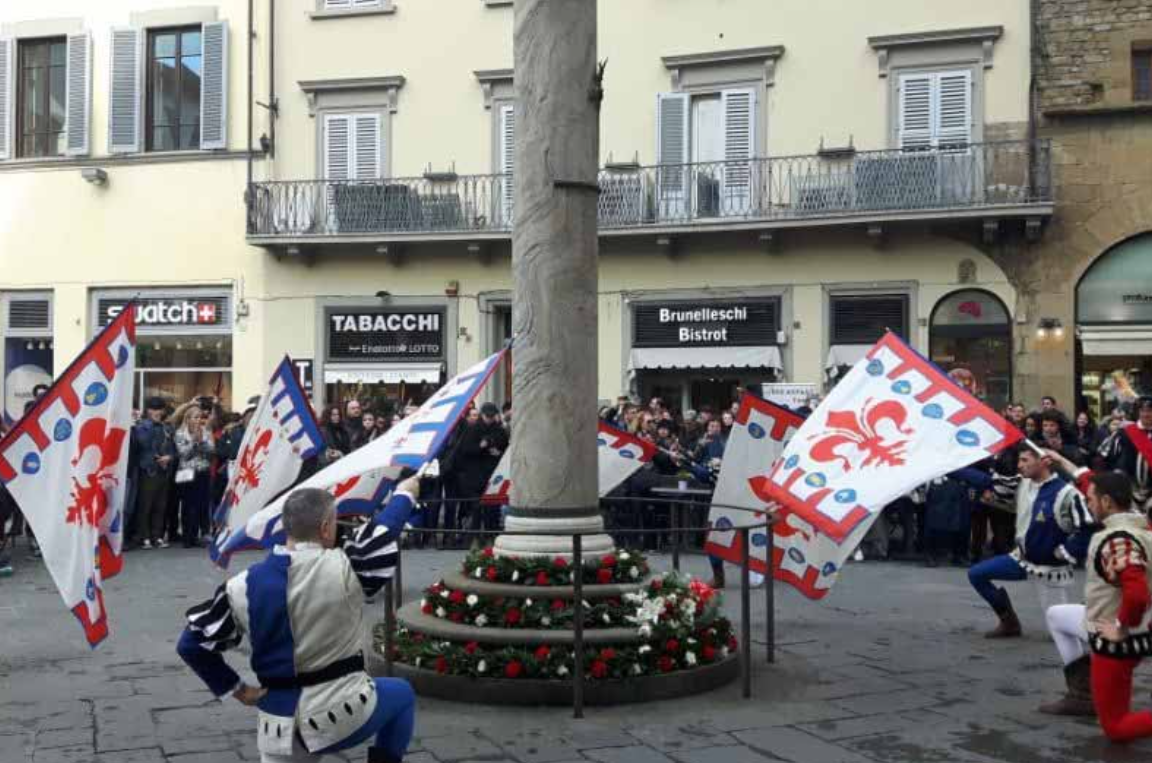
Ogni anno, il 26 gennaio, a Firenze si ricorda il Santo e questo evento miracoloso con un corteo che parte in tarda mattinata dal Palagio di Parte Guelfa per arrivare, dopo differenti tappe, alla deposizione della corona proprio ai piedi della Colonna di San Zanobi con tanto di spettacolo dei Bandierai degli Uffizi.
Sapete, nel corso dei secoli sono stati diversi gli artisti fiorentini che hanno dipinto San Zanobi nelle loro opere. Per esempio il Ghirlandaio volle ritrarlo in ginocchio a destra nella sacra conversazione degli Ingesuati, un’opera realizzata a tempera su tavola fra il 1484 e il 1486, oggi appartenente alle Gallerie degli Uffizi.

La mitria di San Zenobi è decorata con zaffiri che riportano col pensiero alle parole di Sant’Ambrogio che definì la gemma come emblema degli uomini santi, capaci di contemplare le cose di Dio nell’esistenza terrena. I guanti invece sono resi più preziosi da rubini che simulano le stigmate mentre sul fermaglio del piviale si nota la presenza del giglio rosso, simbolo della città di Firenze.
Il sempre vostro Michelangelo Buonarroti e i suoi racconti per il momento vi saluta dandovi appuntamento ai prossimi post e sui social.

January 26: San Zanobi and the flower garden
Today, January 26th, San Zanobi is celebrated in Florence with the fioreta. If you are from Florence you have certainly heard of it and you have probably also participated in the fioreta but if you have no idea what it is, don’t worry, I will tell you in detail.
San Zanobi is the co-patron saint of Florence and numerous miracles are attributed to him, such as that of the fioreta. He was born around the middle of the 4th century and during his life he became inextricably linked to Saint Ambrose who stimulated and matured his religious vocation.
Well, do you know that column that is located between the cathedral of Santa Maria del Fiore and the Baptistery? Maybe you’ve passed under it who knows how many times and even wondered what it was doing there. Well, that is precisely the Column of San Zanobi, placed there to remember an event halfway between the legendary and the miraculous.
It was January 26, 429, when the remains of San Zanobi were moved from the cathedral of San Lorenzo to the new church of Santa Reparata, the one which for several centuries has been replaced by Santa Maria del Fiore.
According to ancient legend, when the remains passed through what is now Piazza San Giovanni, a now dry elm tree blossomed. To remember that miraculous event, a marble column surmounted by a cross was erected where that plant was.
Originally the cross was made of the same elm wood but has long since been replaced with a stone copy.
Every year, on January 26, the Saint and this miraculous event are remembered in Florence with a procession that leaves in the late morning from the Palagio di Parte Guelfa to arrive, after different stages, at the deposition of the crown right at the foot of the Column of San Zanobi with lots of entertainment by the Bandierai degli Uffizi.
You know, over the centuries there have been several Florentine artists who have depicted San Zanobi in their works. For example, Ghirlandaio wanted to portray him kneeling on the right in the sacred conversation of the Ingesuati, a work created in tempera on wood between 1484 and 1486, now belonging to the Uffizi Galleries.
The miter of Saint Zenobius is decorated with sapphires which bring to mind the words of Saint Ambrose who defined the gem as the emblem of holy men, capable of contemplating the things of God in earthly existence. The gloves, on the other hand, are made more precious by rubies that simulate the stigmata while on the clasp of the cope you can see the presence of the red lily, symbol of the city of Florence.
Your always Michelangelo Buonarroti and his stories greets you for the moment, meeting you in the next posts and on social media.

Sostienici – Support Us
Se questo blog ti piace e ti appassiona, puoi aiutarci a farlo crescere sempre più sostenendoci in modo concreto condividendo i post, seguendo le pagine social e con un contributo che ci aiuta ad andare avanti con il nostro lavoro di divulgazione. . ENGLISH: If you like and are passionate about this blog, you can help us make it grow more and more by supporting us in a concrete way by sharing posts, following social pages and with a contribution that helps us to move forward with our dissemination work.
8,00 €
-
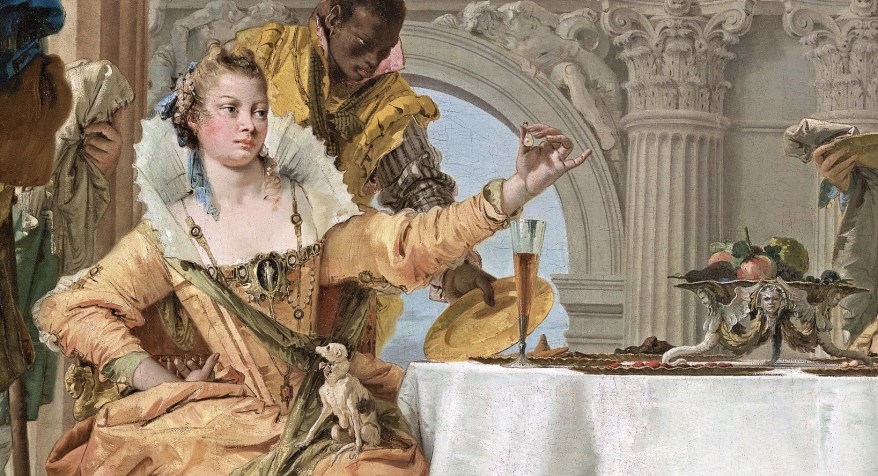
Quando Cleopatra umiliò Roma: il significato nascosto del celebre dipinto di Tiepolo
🇮🇹 Il dipinto che vi propongo è pura teatralità, lusso e strategia. Cleopatra scommette con Marco Antonio di poter offrire il banchetto più sontuoso della storia e per vincere compie un gesto folle… 🇬🇧 The painting I propose is pure theatricality, luxury, and strategy. Cleopatra bets Mark Antony that she can offer the most sumptuous…
-
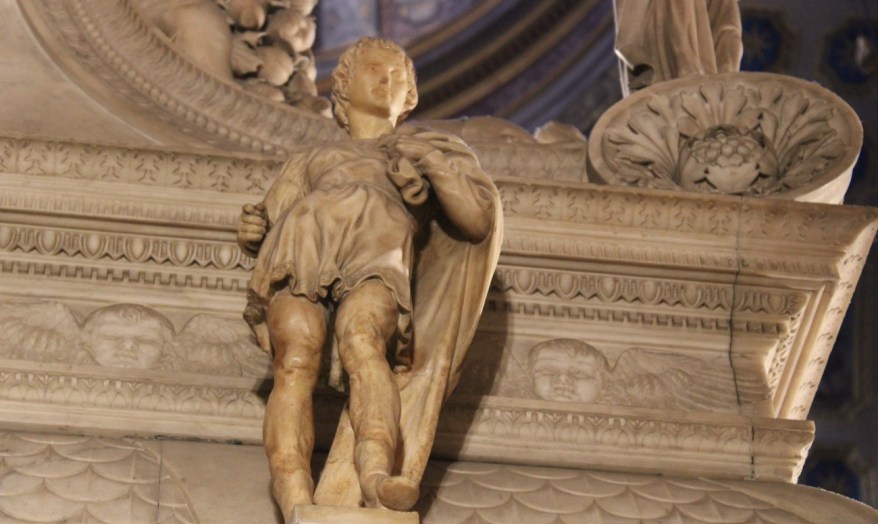
Il mio primo soggiorno a Bologna e l’incontro con Giovan Francesco Aldrovandi
🇮🇹Fuggii da Firenze a soli 19 anni. Senza certezze, senza protezioni. Solo con il mio talento. A Bologna trovai rifugio nella casa di Giovan Francesco Aldrovandi… 🇬🇧I fled Florence at just 19. Without certainties, without protection. Only with my talent. In Bologna, I found refuge in the home of Giovan Francesco Aldrovandi…
-
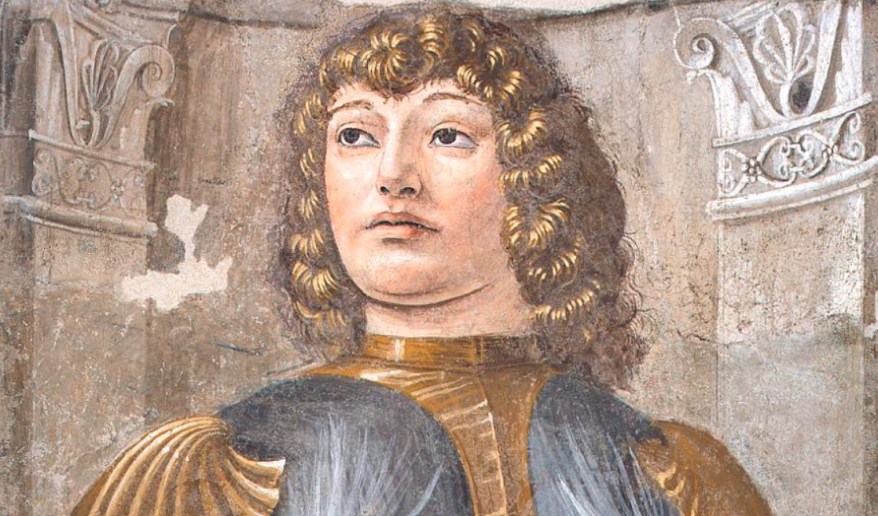
11 aprile 1514: muore Donato Bramante, il genio della scala elicoidale
🇮🇹Era l’11 aprile 1514 quando Donato Bramante morì a Roma. La sua scomparsa non cancellò però le tensioni, le rivalità e i giudizi contrastanti che avevano accompagnato tutta la sua carriera… 🇬🇧It was April 11, 1514, when Donato Bramante died in Rome. His passing, however, did not erase the tensions, rivalries, and conflicting opinions that…
Condividi:


Questo sono io





sostienici

Sostienici – Support Us
Se questo blog ti piace e ti appassiona, puoi aiutarci a farlo crescere sempre più sostenendoci in modo concreto condividendo i post, seguendo le pagine social e con un contributo che ci aiuta ad andare avanti con il nostro lavoro di divulgazione. . ENGLISH: If you like and are passionate about this blog, you can help us make it grow more and more by supporting us in a concrete way by sharing posts, following social pages and with a contribution that helps us to move forward with our dissemination work.
€10,00


