
Le Opere del Natale: la Sacra Famiglia di Pompeo Batoni
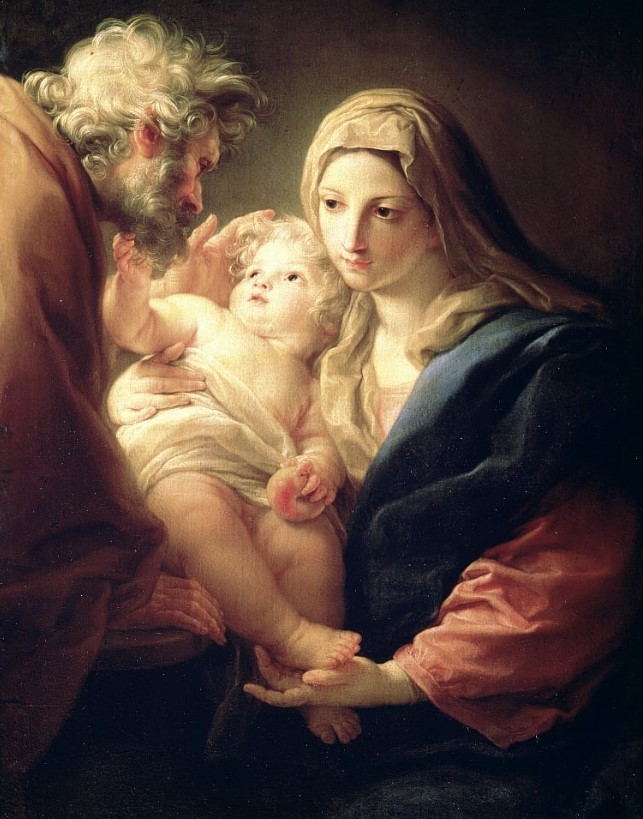
L’opera del Natale che vi propongo oggi è la Sacra Famiglia dipinta da Pompeo Batoni nel 1740.
La tela dipinta a olio fu commissionata all’artista lucchese dai conti Cesare e Giuseppe Merenda di Forlì. Batoni ideò per loro una composizione semplice ma di grande effetto con la Vergine che tiene in braccio il Bambino e Lui che a sua volta tende la mano destra verso San Giuseppe, per toccargli la barba.
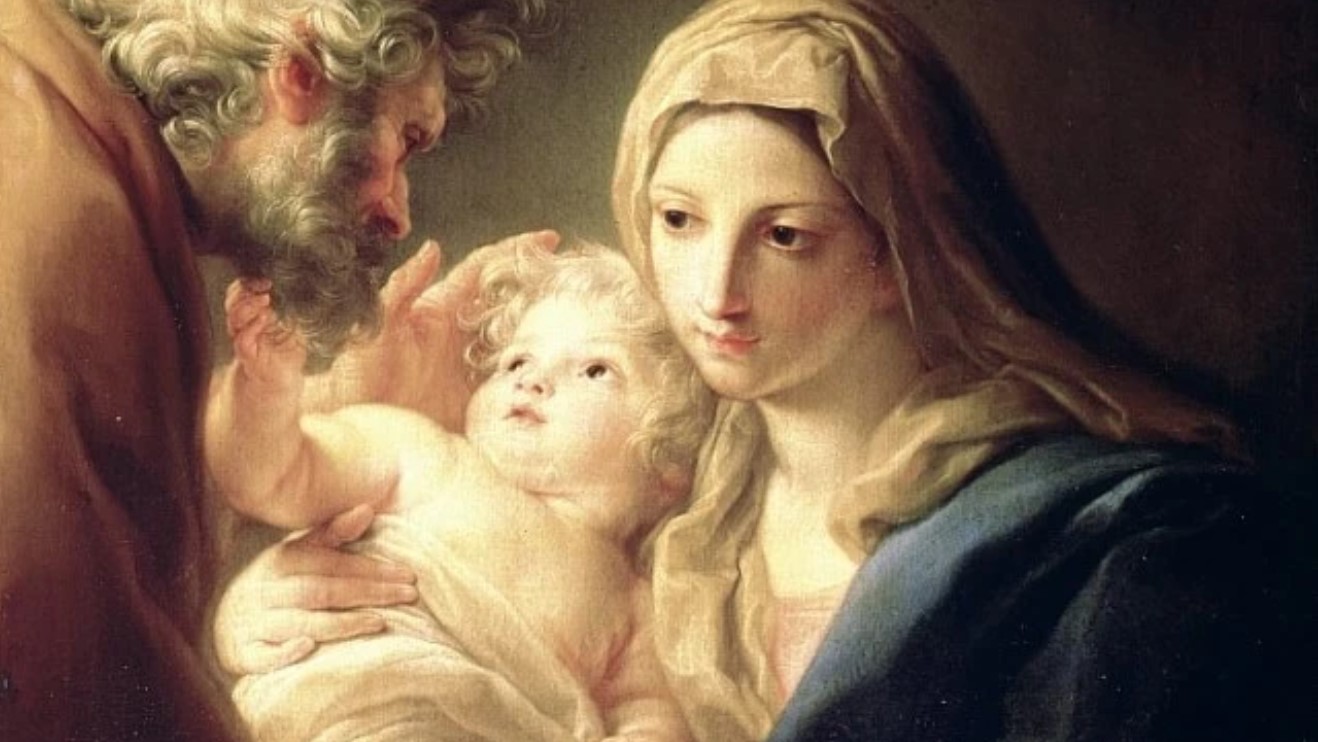
San Giuseppe accarezza i riccioli biondi del Bambino con un’aria compiaciuta e deliziata da quella visione più celeste che terrena.
Pompeo Batoni nacque a Lucca nel 1708 dal padre orafo Paolino Batoni e Chiara Sesti. Imparò l’arte orafa dal babbo ma di quel mestiere non ne voleva saper nulla: voleva fare il pittore.
Con la protezione del potente e danaroso Alessandro Guinigi e il supporto dei pittori Lombardi e Brugieri, riuscì a convincere i genitori a dedicarsi completamente all’arte della pittura, trasferendosi a Roma nel 1727.
Dopo aver trascorso un periodo nella bottega di Francesco Ferdinandi, volle studiare a distana ravvicinata i capolavori di Raffaello dai quali fu capace di trarne la tenerezza per riportarla nei suoi dipinti degli anni a seguire.
Aprì una sua bottega vicino a Piazza di Spagna e all principio realizzava soprattutto ritratti. Il suo talento ben presto iniziò a essere riconosciuto e apprezzato tanto che dipinse ventidue ritratti di monarchi europei e mise la sua arte al servizio di tre papi: Benedetto XIV, Clemente XIII e Pio VI.
Le opere di Batoni, proprio come la Sacra Famiglia che vi ho ho proposto, hanno un gusto prettamente neoclassico anche se l’utilizzo che l’artista fa della luce e del colore con quei toni sfumati preannuncia lo stile romantico.
Per il momento il vostro Michelangelo Buonarroti vi saluta dandovi appuntamento ai prossimi post e sui social.
The Works of Christmas: the Holy Family by Pompeo Batoni
The Christmas work that I propose to you today is the Holy Family painted by Pompeo Batoni in 1740.
The oil painted canvas was commissioned to the Lucchese artist by the counts Cesare and Giuseppe Merenda of Forlì. Batoni created a simple but highly effective composition for them with the Virgin holding the Child in her arms and Him in turn extending his right hand towards Saint Joseph, to touch his beard.
Saint Joseph caresses the Child’s blond curls with a pleased and delighted look at that vision that is more heavenly than earthly.
Pompeo Batoni was born in Lucca in 1708 to his goldsmith father Paolino Batoni and Chiara Sesti. He learned the goldsmith’s art from his father but he didn’t want to know anything about that profession: he wanted to be a painter. With the protection of the powerful and wealthy Alessandro Guinigi and the support of the painters Lombardi and Brugieri, he managed to convince his parents to dedicate himself completely to the art of painting, moving to Rome in 1727.
After spending a period in Francesco Ferdinandi’s workshop, he wanted to study Raphael’s masterpieces at close range from which he was able to draw the tenderness to bring it back to his paintings of the following years.
He opened his own shop near Piazza di Spagna and at first he mainly created portraits. His talent soon began to be recognized and appreciated, so much so that he painted twenty-two portraits of European monarchs and put his art at the service of three popes: Benedict XIV, Clement XIII and Pius VI.
Batoni’s works, just like the Holy Family that I have proposed to you, have a purely neoclassical taste even if the artist’s use of light and color with those nuanced tones heralds the romantic style.
For the moment, your Michelangelo Buonarroti greets you and will meet you in future posts and on social media.

Sostienici – Support Us
Se questo blog ti piace e ti appassiona, puoi aiutarci a farlo crescere sempre più sostenendoci in modo concreto condividendo i post, seguendo le pagine social e con un contributo che ci aiuta ad andare avanti con il nostro lavoro di divulgazione. . ENGLISH: If you like and are passionate about this blog, you can help us make it grow more and more by supporting us in a concrete way by sharing posts, following social pages and with a contribution that helps us to move forward with our dissemination work.
8,00 €
-
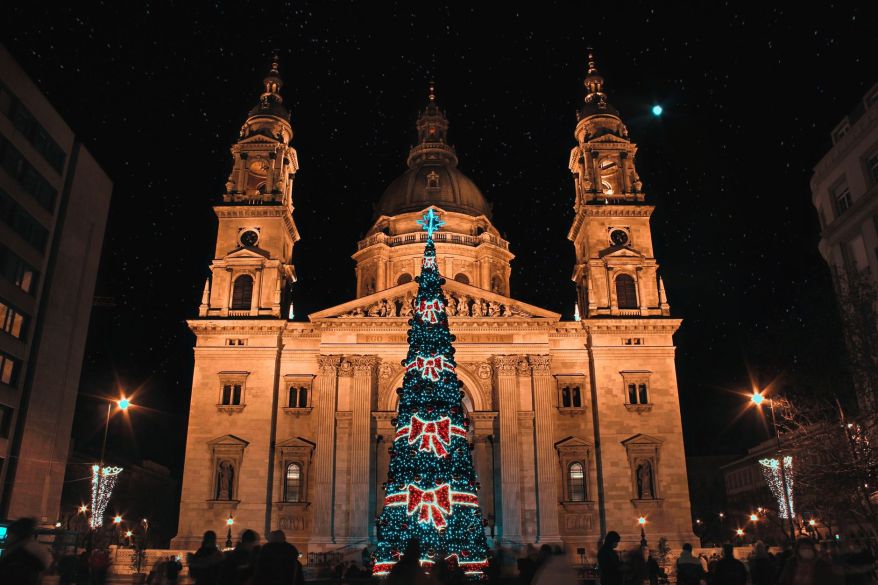
Le 10 città d’arte europee più belle da visitare a Natale: musei e luoghi da non perdere
🇮🇹Quali città d’arte europee visitare a Natale? Da Vienna a Parigi, da Praga a Bruges, 10 mete tra mercatini, musei, capolavori e atmosfere da fiaba… 🇬🇧Which European cities of art should you visit at Christmas? From Vienna to Paris, from Prague to Bruges—10 destinations featuring Christmas markets, museums, masterpieces, and a fairytale atmosphere…
-
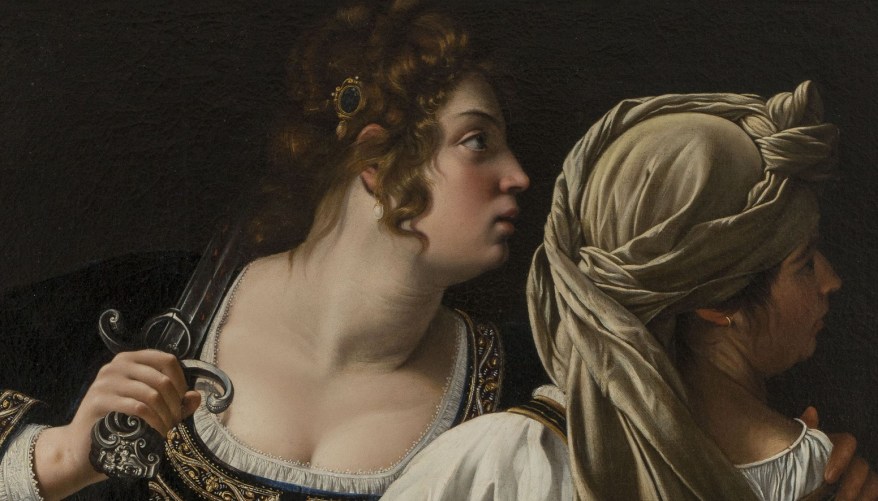
Artemisia Gentileschi a Firenze: la storia, le opere e la mostra agli Innocenti fino al 2027
🇮🇹Artemisia Gentileschi a Firenze: dalle commissioni dei Medici all’Allegoria dell’Inclinazione di Casa Buonarroti. La storia e la mostra agli Innocenti… 🇬🇧Artemisia Gentileschi in Florence: from commissions by the Medici to the *Allegory of Inclination* at Casa Buonarroti. The story and the exhibition at the Ospedale degli Innocenti…
-
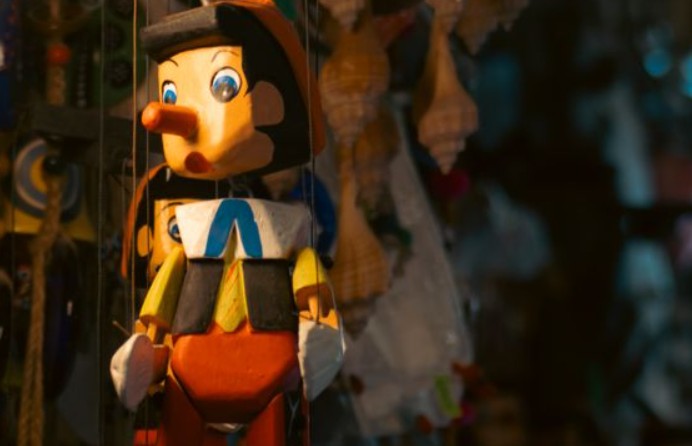
26 ottobre 1890: muore Carlo Collodi, lo scrittore toscano che inventò Pinocchio
Il 26 ottobre 1890 moriva a Firenze Carlo Collodi, autore di Pinocchio. Dalla prima pubblicazione nel 1881 al successo mondiale del burattino…
Condividi:


Questo sono io




sostienici

Sostienici – Support Us
Se questo blog ti piace e ti appassiona, puoi aiutarci a farlo crescere sempre più sostenendoci in modo concreto condividendo i post, seguendo le pagine social e con un contributo che ci aiuta ad andare avanti con il nostro lavoro di divulgazione. . ENGLISH: If you like and are passionate about this blog, you can help us make it grow more and more by supporting us in a concrete way by sharing posts, following social pages and with a contribution that helps us to move forward with our dissemination work.
€10,00


