
La Scultura del giorno: Luisa Sanfelice di Pagani
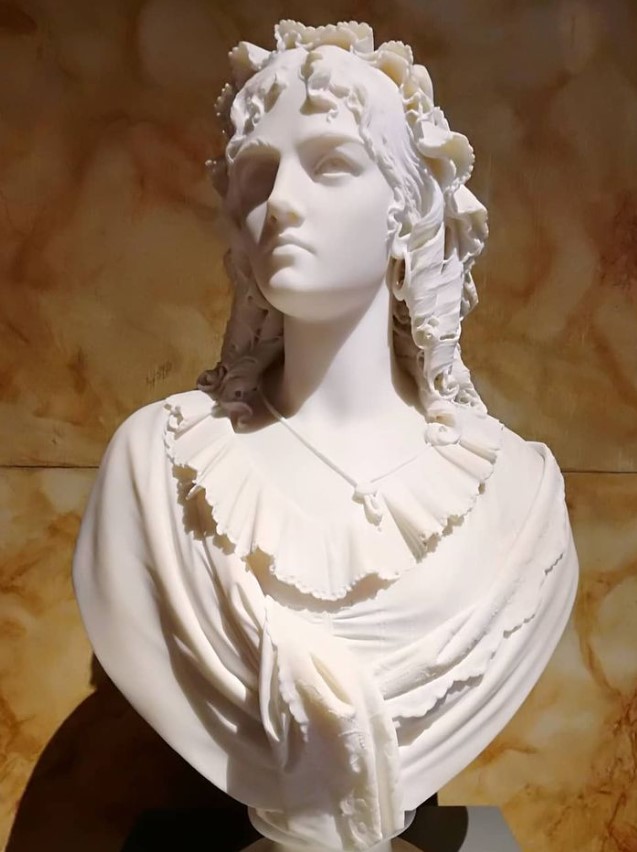
La scultura del giorno che vi propongo è Luisa Sanfelice con quel suo sguardo fiero, scolpita da Luigi Pagani nel 1872.
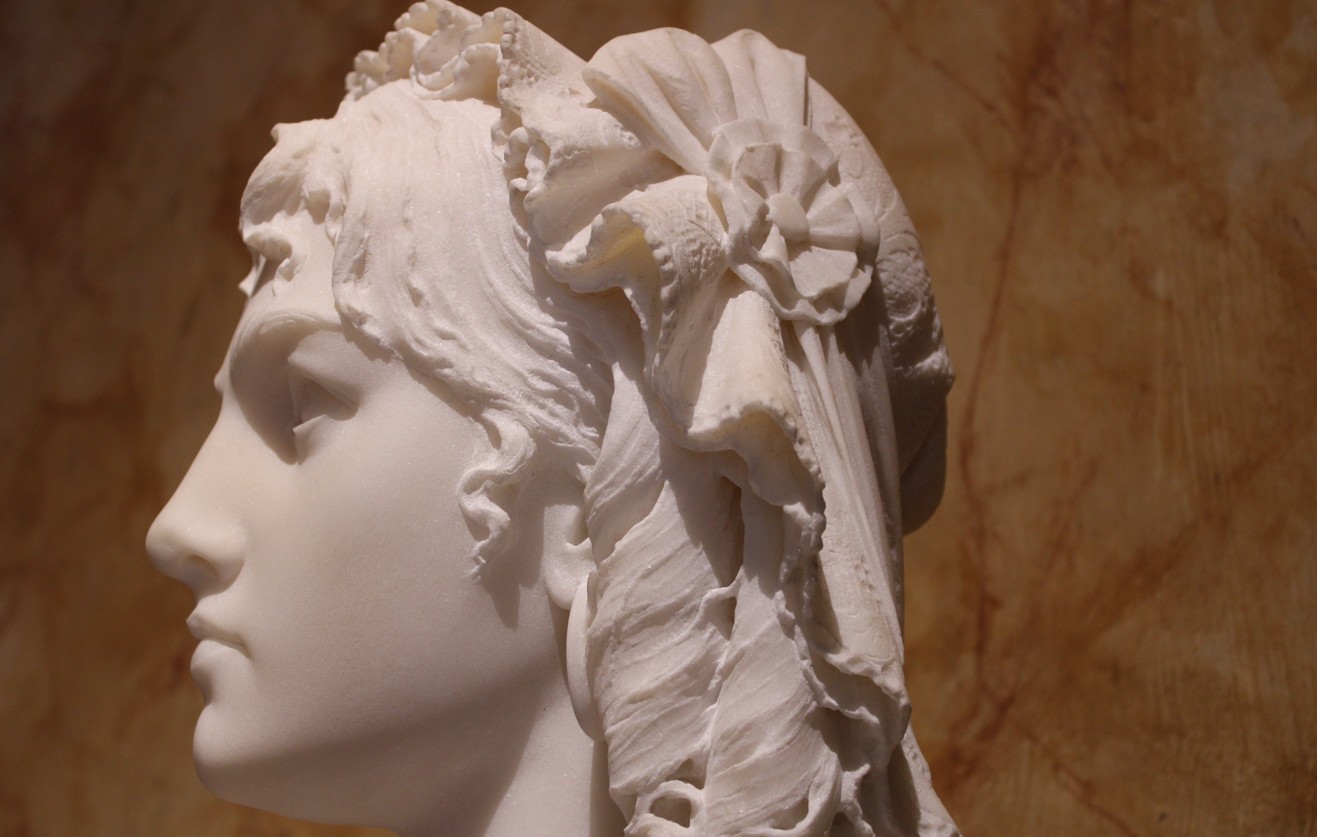
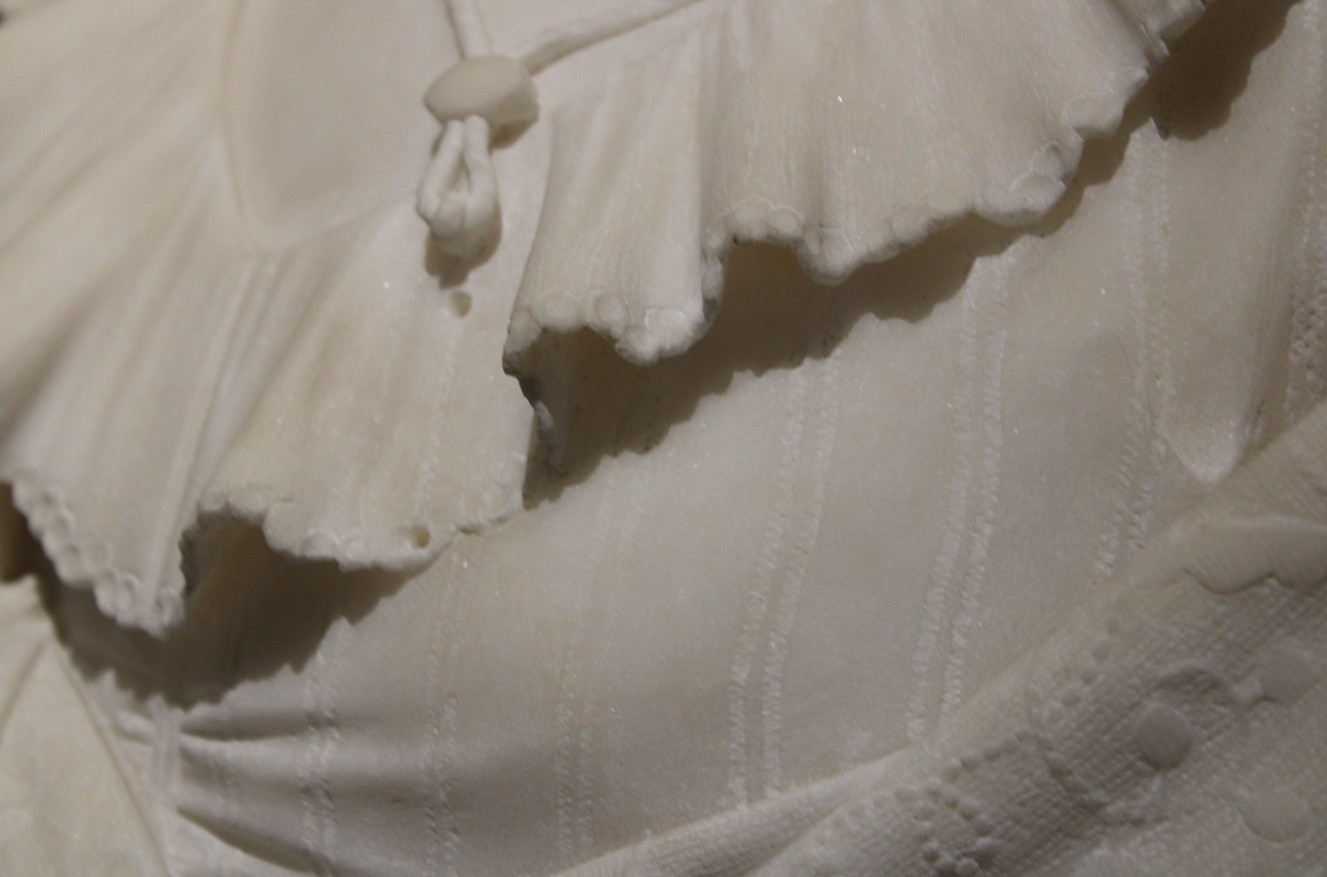
Si tratta di un raffinato busto di giovane donna scolpito nel marmo statuario di Carrara. Il volto segnato da un’espressione ferma e determinata è incorniciato da boccoli ordinati che spuntano dal di sotto di una cuffietta a balze che serve a coprire la parte della nuca.
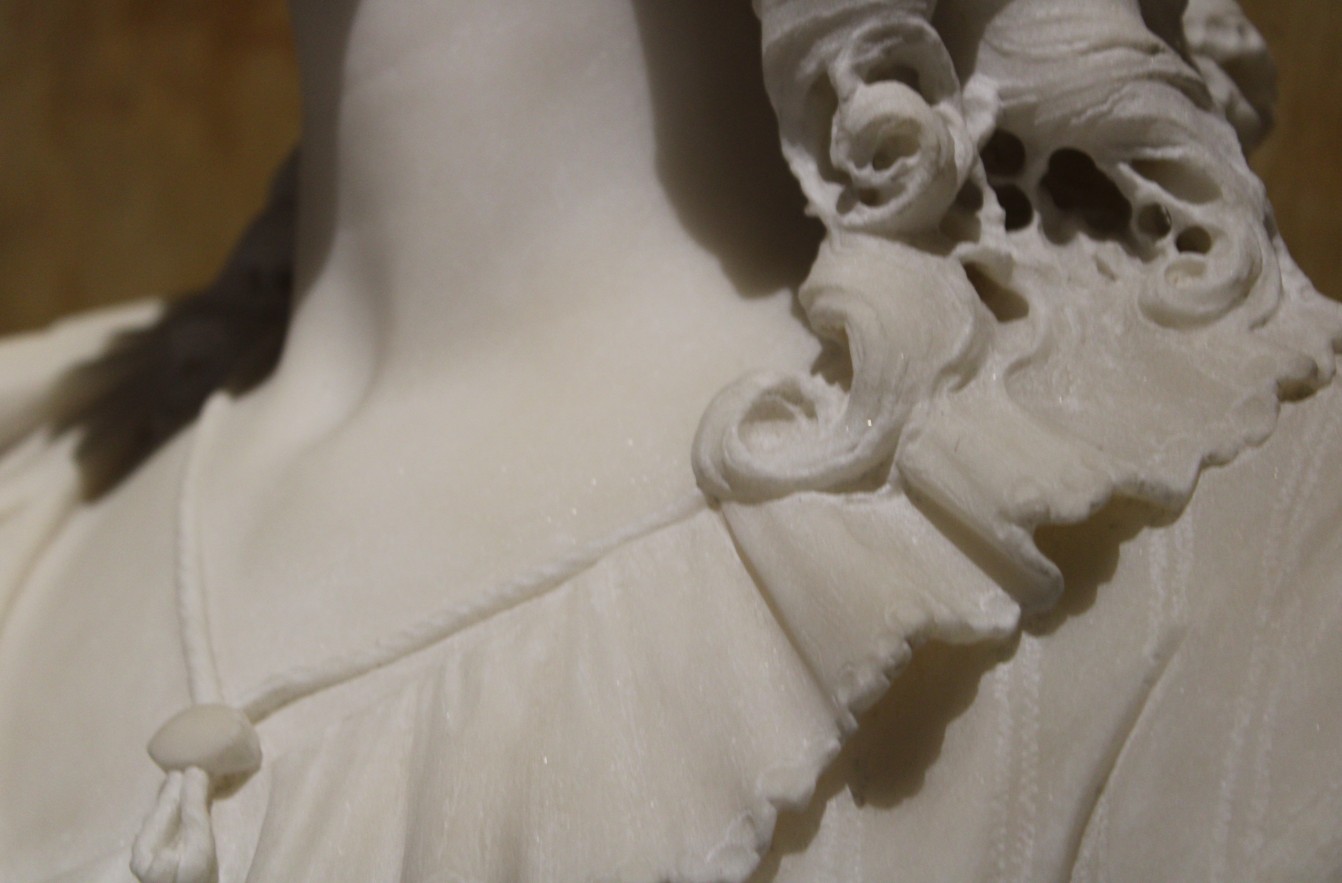
Le spalle della giovane sono avvolte in una stola, annodata al di sotto del seno.
Il contrasto dei dettagli ricercati della cuffietta e dell’abbigliamento con lo sguardo sprezzante della giovane colpisce in modo particolare.
Sebbene Luisa Sanfelice sia stata un’eroina molto celebrata nella letteratura, questa è l’unica scultura che la ritrae.
Ma chi era Luisa Sanfelice?
Fu un’eroina della Repubblica Napoletana del 1799, breve esperienza democratica che si concluse con la ferocissima repressione da parte dei Borboni.
Nacque il 28 febbraio del 1764 ed era la figliola di un ufficiale spagnolo che militava nell’esercito napoletano.
A diciassette anni sposò il cugino Andrea Sanfelice ma il matrimonio durò ben poco. Successivamente ebbe modo di intessere una relazione con Baccher, esponente di una famiglia coinvolta nella congiura dell’aprile del 1799.
Per salvare l’amata, Baccher le fornì un salvacondotto che lei incautamente consegnò all’amante Ferdinando Ferri.
Ferri così venne a sapere della congiura reazionaria e la sventò denunciando i cospiratori.
Luisa Sanfelice, sebbene non avesse avuto un ruolo consapevole negli eventi, divenne per i patrioti napoletani la salvatrice della Repubblica ma tornati i Borboni a Napoli, fu condannata a una morte atroce.
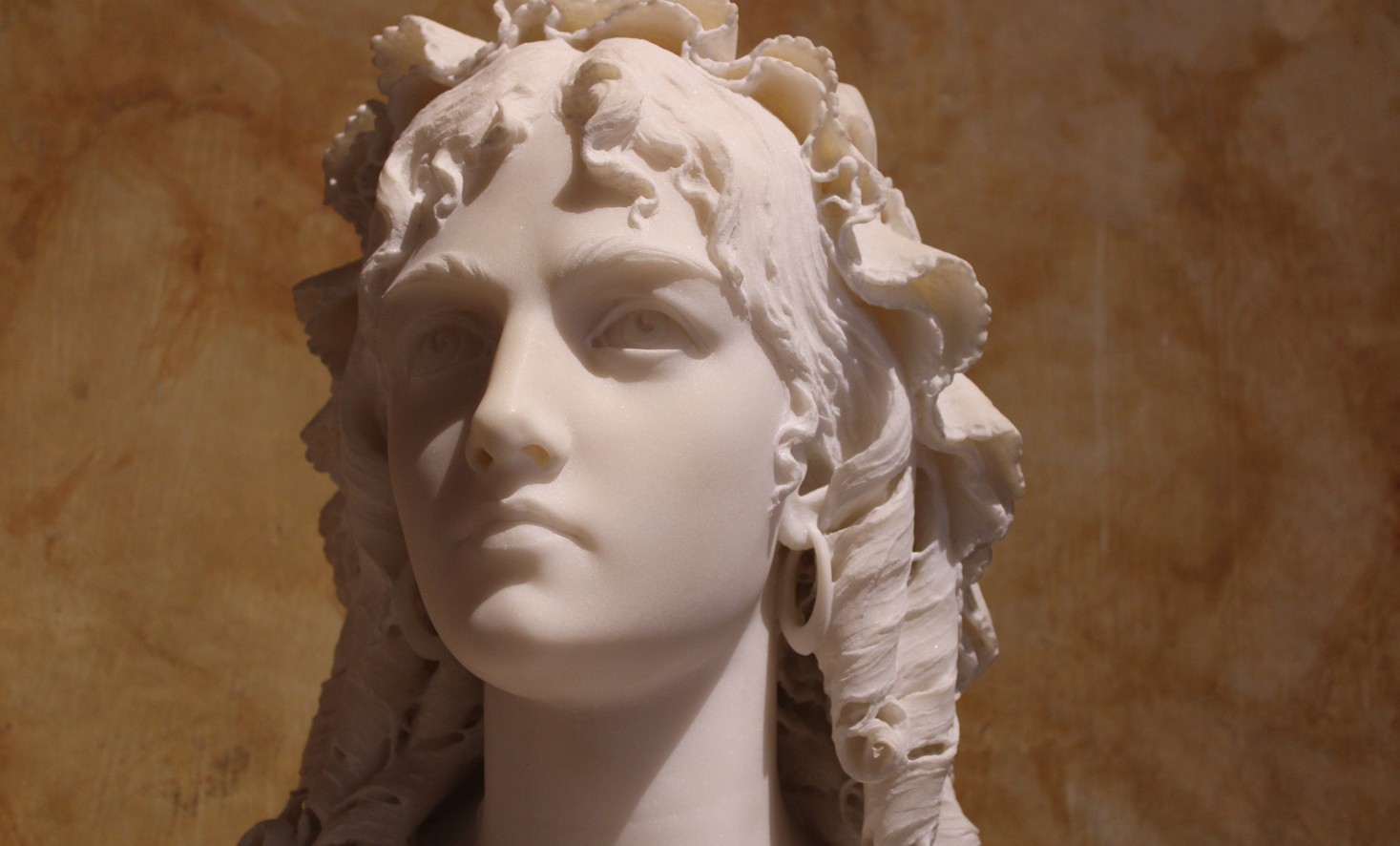
Il busto di Luisa Sanfelice scolpito da Pagani fu acquistato dalla Pinacoteca milanese dell’Esposizione Nazionale di Brera del 1872 e nel 1902 fu depositato presso la Galleria d’Arte Moderna di Milano dove tutt’oggi si trova.
Per il momento il vostro Michelangelo Buonarroti vi saluta dandovi appuntamento ai prossimi post e sui social.
Sculpture of the day: Luisa Sanfelice by Pagani
The sculpture of the day that I propose to you is Luisa Sanfelice with that proud look of her, sculpted by Luigi Pagani in 1872.
It is a refined bust of a young woman sculpted in Carrara statuary marble. Her face marked by a firm and determined expression is framed by neat curls that emerge from underneath a flounced cap that serves to cover the back of her neck.
The young woman’s shoulders are wrapped in a stole, knotted below her breasts.
The contrast of the refined details of the bonnet and clothing with the contemptuous gaze of the young woman is particularly striking.
Although Luisa Sanfelice was a much celebrated heroine in literature, this is the only sculpture that portrays her.
But who was Luisa Sanfelice?
She was a heroine of the Neapolitan Republic of 1799, a brief democratic experience that ended with the ferocious repression by the Bourbons. She was born on February 28, 1764 and was the daughter of a Spanish officer who served in the Neapolitan army.
At seventeen she married her cousin Andrea Sanfelice but the marriage did not last long. Subsequently she had the opportunity to establish a relationship with Baccher, a member of a family involved in the conspiracy of April 1799.
To save her beloved, Baccher provided her with a safe conduct which she recklessly handed over to her lover Ferdinando Ferri.
Ferri thus learned of the reactionary conspiracy and foiled it by denouncing the conspirators.
Luisa Sanfelice, although she did not have a conscious role in the events, became the savior of the Republic for the Neapolitan patriots but when the Bourbons returned to Naples, she was condemned to an atrocious death.
The bust of Luisa Sanfelice sculpted by Pagani was purchased by the Milanese Pinacoteca of the Brera National Exhibition of 1872 and in 1902 it was deposited at the Gallery of Modern Art in Milan where it can still be found today.
For the moment, your Michelangelo Buonarroti greets you and will meet you in future posts and on social media.

Sostienici – Support Us
Se questo blog ti piace e ti appassiona, puoi aiutarci a farlo crescere sempre più sostenendoci in modo concreto condividendo i post, seguendo le pagine social e con un contributo che ci aiuta ad andare avanti con il nostro lavoro di divulgazione. . ENGLISH: If you like and are passionate about this blog, you can help us make it grow more and more by supporting us in a concrete way by sharing posts, following social pages and with a contribution that helps us to move forward with our dissemination work.
10,00 €
-
L’insolito volto: il piccolo capolavoro dell’Ashmolean Museum
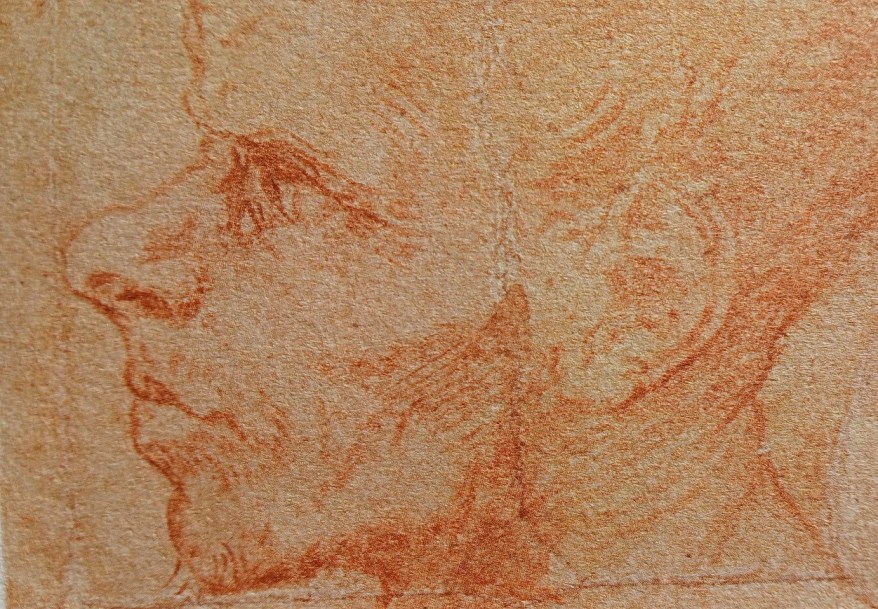
🇮🇹Un volto fuori dagli ideali di bellezza, con lineamenti irregolari, labbra pronunciate e uno sguardo quasi assente… 🇬🇧A face that falls outside conventional ideals of beauty, with irregular features, prominent lips, and an almost vacant gaze…
-
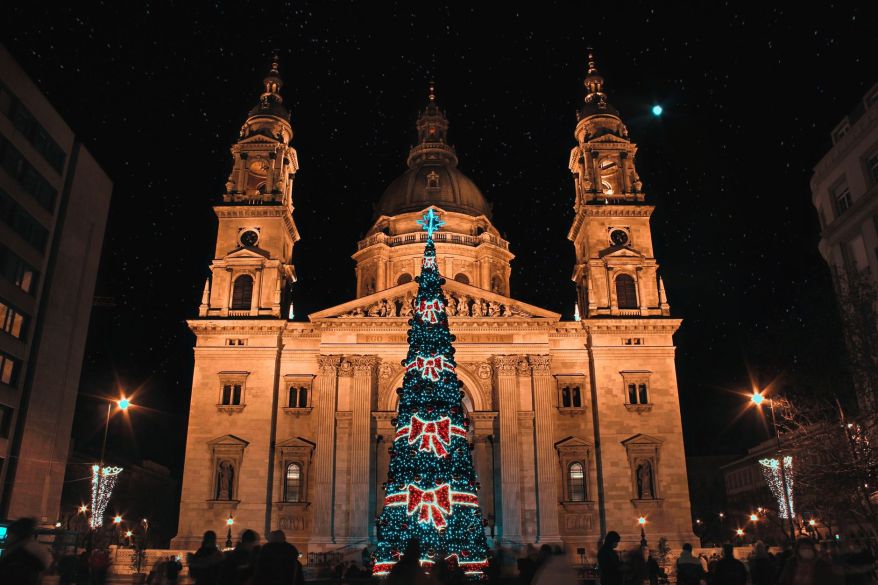
Le 10 città d’arte europee più belle da visitare a Natale: musei e luoghi da non perdere
🇮🇹Quali città d’arte europee visitare a Natale? Da Vienna a Parigi, da Praga a Bruges, 10 mete tra mercatini, musei, capolavori e atmosfere da fiaba… 🇬🇧Which European cities of art should you visit at Christmas? From Vienna to Paris, from Prague to Bruges—10 destinations featuring Christmas markets, museums, masterpieces, and a fairytale atmosphere…
-
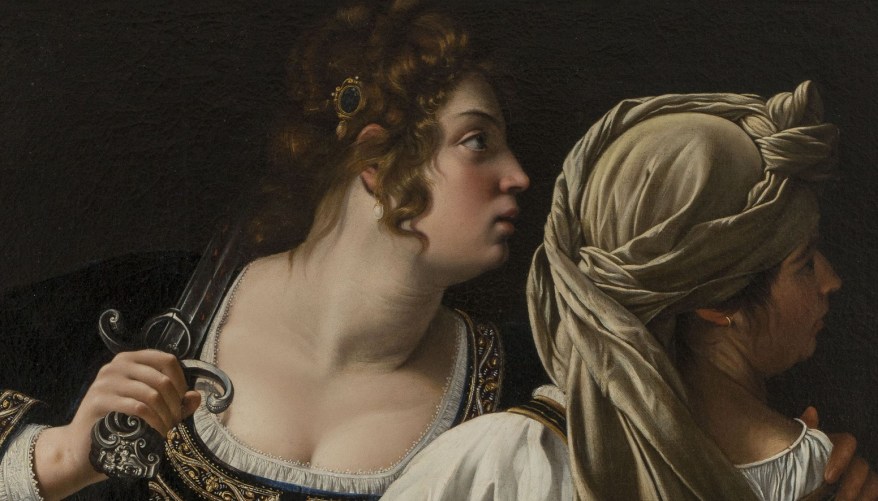
Artemisia Gentileschi a Firenze: la storia, le opere e la mostra agli Innocenti fino al 2027
🇮🇹Artemisia Gentileschi a Firenze: dalle commissioni dei Medici all’Allegoria dell’Inclinazione di Casa Buonarroti. La storia e la mostra agli Innocenti… 🇬🇧Artemisia Gentileschi in Florence: from commissions by the Medici to the *Allegory of Inclination* at Casa Buonarroti. The story and the exhibition at the Ospedale degli Innocenti…
Condividi:


Questo sono io




sostienici

Sostienici – Support Us
Se questo blog ti piace e ti appassiona, puoi aiutarci a farlo crescere sempre più sostenendoci in modo concreto condividendo i post, seguendo le pagine social e con un contributo che ci aiuta ad andare avanti con il nostro lavoro di divulgazione. . ENGLISH: If you like and are passionate about this blog, you can help us make it grow more and more by supporting us in a concrete way by sharing posts, following social pages and with a contribution that helps us to move forward with our dissemination work.
€10,00


