
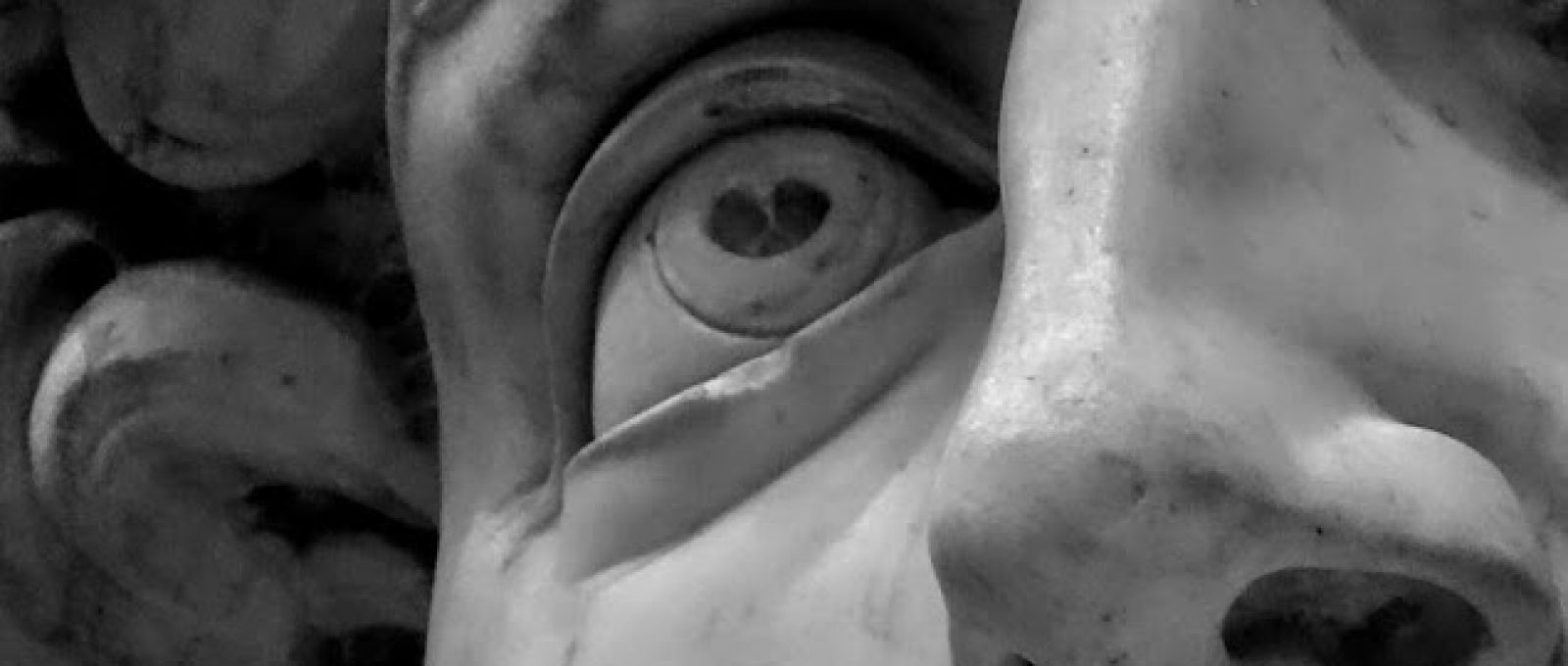
Il dipinto perduto di Cristo e la Samaritana al pozzo
Cristo e la Samaritana al pozzo è uno dei miei che si è perduto nella notte dei tempi, citato dal Vasari ma non dal Condivi. Studiai la composizione a lungo prima di trasferirla su tela o tavola per farne poi dono alla mia amica Vittoria Colonna.

Il soggetto è l’incontro fra Cristo e la donna di Samaria nei pressi di un pozzo riportato nel Vangelo di Giovanni.
Mentre Gesù si trovava in viaggio, volle sostare presso un pozzo. Una donna di origini samaritane cioè appartenente all’antico regno d’Israele di cui non viene citato il nome, si avvicina a Cristo che le chiese da bere.
Allora la donna samaritana gli dice: «Come mai tu, che sei giudeo, chiedi da bere a me, che sono una donna samaritana?». I Giudei infatti non hanno rapporti con i Samaritani.
Gesù le risponde: «Se tu conoscessi il dono di Dio e chi è colui che ti dice: «Dammi da bere!», tu avresti chiesto a lui ed egli ti avrebbe dato acqua viva». Gli dice la donna: «Signore, non hai un secchio e il pozzo è profondo; da dove prendi dunque quest’acqua viva? Sei tu forse più grande del nostro padre Giacobbe, che ci diede il pozzo e ne bevve lui con i suoi figli e il suo bestiame?». Gesù le risponde: «Chiunque beve di quest’acqua avrà di nuovo sete; ma chi berrà dell’acqua che io gli darò, non avrà più sete in eterno. Anzi, l’acqua che io gli darò diventerà in lui una sorgente d’acqua che zampilla per la vita eterna». «Signore – gli dice la donna -, dammi quest’acqua, perché io non abbia più sete e non continui a venire qui ad attingere acqua».
Giovanni 4,5-42
Ora dovete sapere che all’epoca, per i giudei, i samaritani erano degli eretici impuri, quindi evitavano di avere qualsiasi contatto con loro. Cristo, contrariamente ai costumi del suo popolo, chiese da bere alla donna samaritana e lei non potè fare a meno di reagire con stupore.
Questo episodio narrato nel vangelo di Giovanni mi stava molto a cuore e volli riprodurlo. La mia carissima amica Vittoria Colonna cita l’opera in una lettera datata 20 luglio 1543 che mi inviò dal suo ritiro presso il monastero di Santa Caterina a Viterbo.
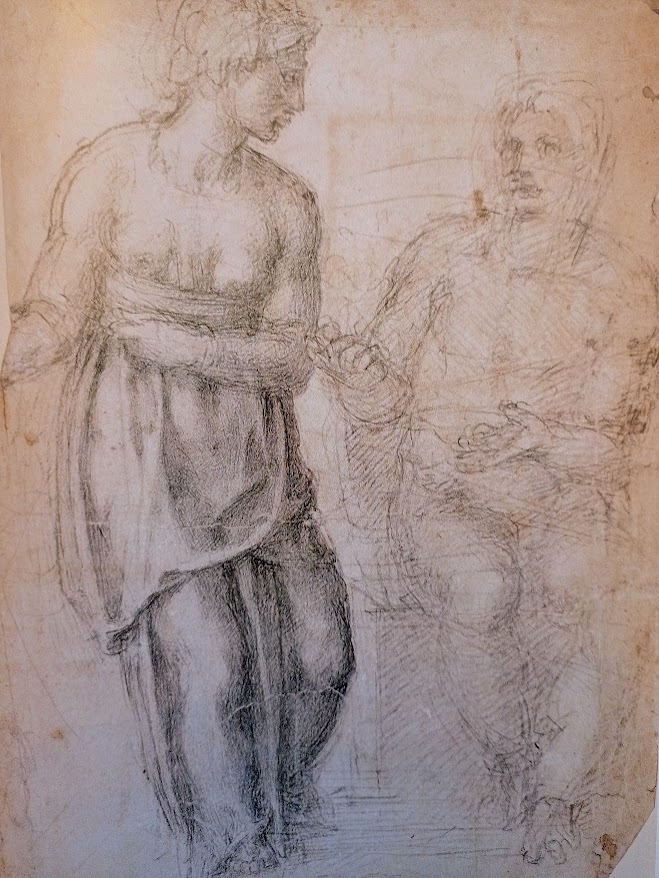
In un foglio che venne venduto all’asta a un privato nel 1998 da Sotheby’s relativo allo studio del soggetto in questione, ideai una posa frontale per la donna stante avvolta in una veste assai stretta che lascia scoperto il seno. Cristo invece appare seduto sul pozzo e la richiama verso di sé per avere un po’ d’acqua. Lei, che già se ne stava andando, si volta girando la testa.
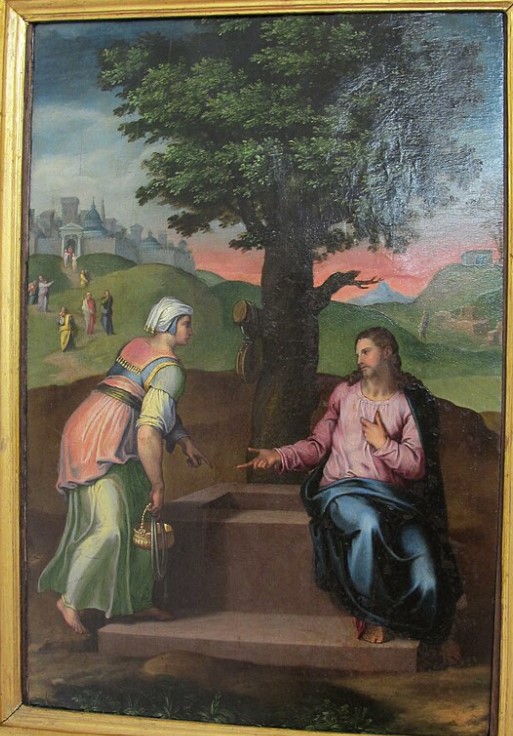
Questo studio poi lo modificai per ottenere una composizione che mi andasse più a genio. Del risultato finale sono giunte fino a voi solo copie ma non il dipinto originale che si perse nel corso dei secoli chissà come e chissà quando.
Fra le copie più conosciute, vale la pena menzionare il dipinto appartenente alla Pinacoteca di Siena, attribuito a Marcello Venusti.

Anche Daniele da Volterra volle riprodurre l’opera sul soffitto della stanza in Belvedere nei Palazzo Vaticani mentre Nicola Beatrizet ne realizzò un’incisione accurata e Giulio Clovio preferì disegnarla.
Per il momento il vostro Michelangelo Buonarroti vi saluta dandovi appuntamento ai prossimi post e sui social.

The lost painting of Christ and the Samaritan woman at the well
Christ and the Samaritan Woman at the Well is one of my paintings considered lost, cited by Vasari but not by Condivi. I studied the composition for a long time and then gave it as a gift to my friend Vittoria Colonna.
The subject is the meeting between Christ and the woman of Samaria near a well reported in the Gospel of John.
While Jesus was traveling, he wanted to stop at a well. A woman of Samaritan origins, that is, belonging to the ancient kingdom of Israel whose name is not mentioned, approached Christ who asked her for a drink.
Then the Samaritan woman says to him: «How come you, who are a Jew, ask me for a drink, who am a Samaritan woman?». In fact, the Jews have no relationship with the Samaritans.
Jesus replies to her: «If you knew the gift of God and who it is who says to you: «Give me a drink!», you would have asked him and he would have given you living water». The woman says to him: «Lord, you don’t have a bucket and the well is deep; So where do you get this living water from? Are you perhaps greater than our father Jacob, who gave us the well and drank from it himself and his sons and his livestock? Jesus replies to her: «Whoever drinks this water will be thirsty again; but whoever drinks of the water that I give him will never be thirsty again. Indeed, the water that I will give him will become in him a spring of water welling up to eternal life.” «Sir – the woman tells him –, give me this water, so that I will no longer be thirsty and will not continue to come here to draw water».
John 4,5-42
Now you must know that at the time, for the Jews, the Samaritans were impure heretics, so they avoided having any contact with them. Christ, contrary to the customs of his people, asked the Samaritan woman for a drink and she could not help but react with amazement.
This episode narrated in the Gospel of John was very close to my heart and I wanted to reproduce it. My dearest friend Vittoria Colonna mentions the work in a letter dated 20 July 1543 which she sent me from her retreat at the monastery of Santa Caterina in Viterbo.
In a sheet that was sold at auction to a private individual in 1998 by Sotheby’s relating to the study of the subject in question, I created a frontal pose for the standing woman wrapped in a very tight dress that leaves her breasts exposed. Christ instead appears sitting on the well and calls her towards him for some water. She, who was already leaving, turns around and turns her head.
I then modified this study to obtain a composition that suited me more. Only copies of the final result have reached you but not the original painting which was lost over the centuries who knows how and who knows when.
Among the most famous copies of my Christ with the Samaritan at the well, there is certainly the painting belonging to the Pinacoteca of Siena, attributed to Marcello Venusti. Daniele da Volterra also wanted to reproduce the work on the ceiling of the Belvedere room in the Vatican Palace while Nicola Beatrizet made an accurate engraving and Giulio Clovio preferred to draw it.
For the moment, your Michelangelo Buonarroti greets you and will meet you in future posts and on social media.


Sostienici – Support Us
Se questo blog ti piace e ti appassiona, puoi aiutarci a farlo crescere sempre più sostenendoci in modo concreto condividendo i post, seguendo le pagine social e con un contributo che ci aiuta ad andare avanti con il nostro lavoro di divulgazione. . ENGLISH: If you like and are passionate about this blog, you can help us make it grow more and more by supporting us in a concrete way by sharing posts, following social pages and with a contribution that helps us to move forward with our dissemination work.
8,00 €
-
31 marzo 1889: inaugurata la Torre Eiffel tra critiche feroci e un destino inaspettato
🇮🇹Il 31 marzo 1889 segna una data destinata a cambiare per sempre il volto di Parigi e dell’immaginario collettivo globale: viene inaugurata la Torre Eiffel, l’opera più audace e discussa del suo tempo… 🇬🇧March 31, 1889 marks a date destined to change the face of Paris and the global collective imagination forever: the Eiffel Tower,…
-
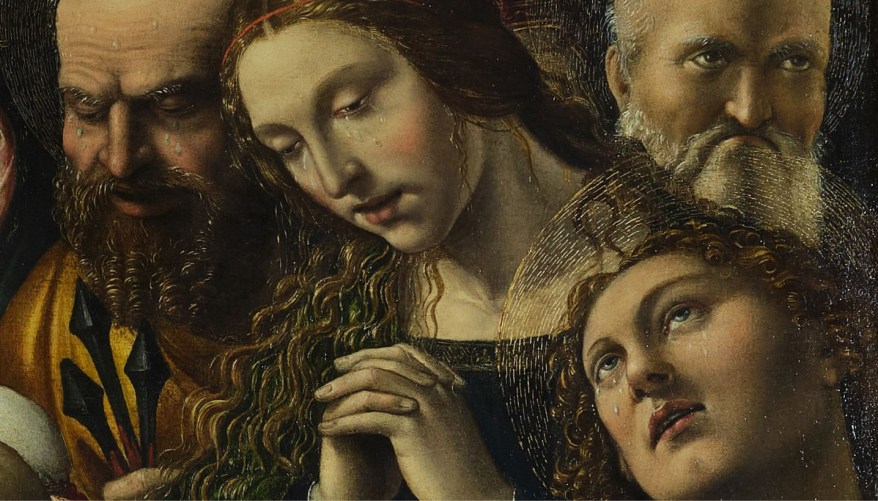
Sodoma in mostra a Torino: il Rinascimento al Museo Accorsi-Ometto
🇮🇹Al Museo di Arti Decorative Accorsi-Ometto arriva una mostra dedicata al Sodoma: oltre 50 opere, alcune mai viste prima, raccontano la formazione dell’artista e il suo dialogo con maestri come Pinturicchio… 🇬🇧An exhibition dedicated to Sodoma arrives at the Accorsi-Ometto Museum of Decorative Arts: over 50 works, some never before seen, recount the artist’s development…
-
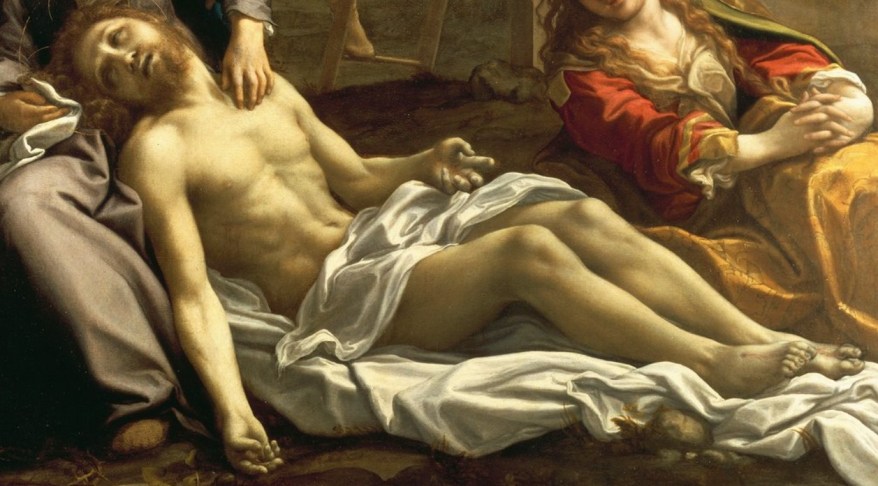
Il Compianto sul Cristo morto di Correggio: pathos e devozione
🇮🇹Con l’inizio della Settimana Santa, vi propongo il Compianto sul Cristo morto di Antonio Allegri, più noto come il Correggio: uno dei vertici assoluti della pittura emiliana del Cinquecento… 🇬🇧With the beginning of Holy Week, I propose the Lamentation over the Dead Christ by Antonio Allegri, better known as Correggio: one of the absolute peaks…
Condividi:


Questo sono io





sostienici

Sostienici – Support Us
Se questo blog ti piace e ti appassiona, puoi aiutarci a farlo crescere sempre più sostenendoci in modo concreto condividendo i post, seguendo le pagine social e con un contributo che ci aiuta ad andare avanti con il nostro lavoro di divulgazione. . ENGLISH: If you like and are passionate about this blog, you can help us make it grow more and more by supporting us in a concrete way by sharing posts, following social pages and with a contribution that helps us to move forward with our dissemination work.
€10,00


