

Le Opere del Natale: l’Adorazione dei pastori di Francisco de Zurbarán
L’opera del Natale che vi propongo oggi è l’Adorazione dei pastori dipinta da Francisco de Zurbaràn.
Era il 1638 quando l’ordine dei certosini di Jeres affidò al pittore spagnolo Zurbaràn una grande commissione consistente in cinque grandi tele e due più piccole per la pala d’altare della loro chiesa e la realizzazione di otto ritratti di membri illustri dell’ordine da abbinare da due dipinti di angeli dotati di incensieri da collocare in un corridoio che portava al retro dell’altare.

Nei quattro grandi dipinti per la pala d’altare raffiguranti l’infanzia di Cristo era compresa la tela con l’Adorazione dei pastori.
Il dipinto, all stregua di tutti gli altri realizzati da Zurbaràn, è caratterizzato dalla presenza di gente di campagna, con il volti segnati dall’esposizione continua al sole e al vento. Come imponevano le regole dell’epoca in Spagna, le figure sono tutte completamente vestite ad eccezion fatta di Gesù Bambino che ha solo la pancia coperta da una fasciatura.
Anche in questo caso la luce presente è quella irradiata da Gesù Bambino che illumina i volti di chi gli si avvicina per adorarlo.

Mentre in alto un angelico coro di putti loda Cristo accompagnato da un angelo che suona l’arpa, in basso la scena che si svolge è ricca di dettagli che riportano col pensiero alle scene di vita quotidiana di campagna. Osservate per esempio la brocca in primo piano, la canestra con le uova portate in omaggio al nuovo nato e il vello dell’agnello arruffato.
Proprio l’agnello con le zampe legate è già l’anticipazione di quello che il Bambino appena nato dovrà affrontare negli anni a venire.
Per apprezzare dal vero questo capolavoro, dovrete andare fino a Grenoble, presso il Museo delle Belle Arti
Per il momento il vostro Michelangelo Buonarroti vi saluta dandovi appuntamento ai prossimi post e sui social.

The Works of Christmas: the Adoration of the Shepherds by Francisco de Zurbarán
The Christmas work that I propose to you today is the Adoration of the Shepherds painted by Francisco de Zurbarán.
It was 1638 when the Carthusian order of Jeres entrusted the Spanish painter Zurbarán with a large commission consisting of five large canvases and two smaller ones for the altarpiece of their church and the creation of eight portraits of illustrious members of the order from matched by two paintings of angels equipped with incense burners to be placed in a corridor leading to the back of the altar.
The four large paintings for the altarpiece depicting the childhood of Christ included the canvas with the Adoration of the Shepherds.
The painting, like all the others created by Zurbarán, is characterized by the presence of country people, with their faces marked by continuous exposure to the sun and wind. As the rules of the time dictated in Spain, the figures are all fully dressed with the exception of Baby Jesus who only has his belly covered by a bandage.
While above an angelic choir of cherubs praises Christ accompanied by an angel playing the harp, below the scene that unfolds is rich in details that bring to mind the scenes of daily country life. For example, look at the jug in the foreground, the basket with the eggs brought as a tribute to the newborn and the ruffled fleece of the lamb.
The lamb with its legs tied is already a preview of what the newborn child will have to face in the years to come.
Also in this case the light present is that radiated by Baby Jesus which illuminates the faces of those who approach him to adore him.
For the moment, your Michelangelo Buonarroti greets you and will meet you in future posts and on social media.

Sostienici – Support Us
Se questo blog ti piace e ti appassiona, puoi aiutarci a farlo crescere sempre più sostenendoci in modo concreto condividendo i post, seguendo le pagine social e con un contributo che ci aiuta ad andare avanti con il nostro lavoro di divulgazione. . ENGLISH: If you like and are passionate about this blog, you can help us make it grow more and more by supporting us in a concrete way by sharing posts, following social pages and with a contribution that helps us to move forward with our dissemination work.
8,00 €
-
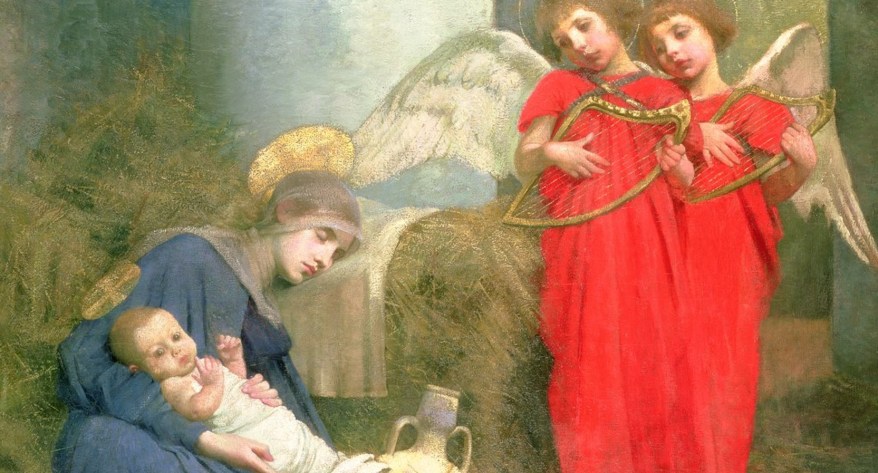
Marianne Stokes, la Madonna si addormenta e due angeli suonano per Gesù Bambino
🇮🇹Marianne Stokes dipinge una Natività speciale: Maria riposa, Gesù Bambino è sveglio e due angeli suonano per lui. Scopri il significato del dipinto del 1893… 🇬🇧Marianne Stokes paints a unique Nativity: Mary rests, the infant Jesus is awake, and two angels play music for him. Discover the meaning behind this 1893 painting…
-
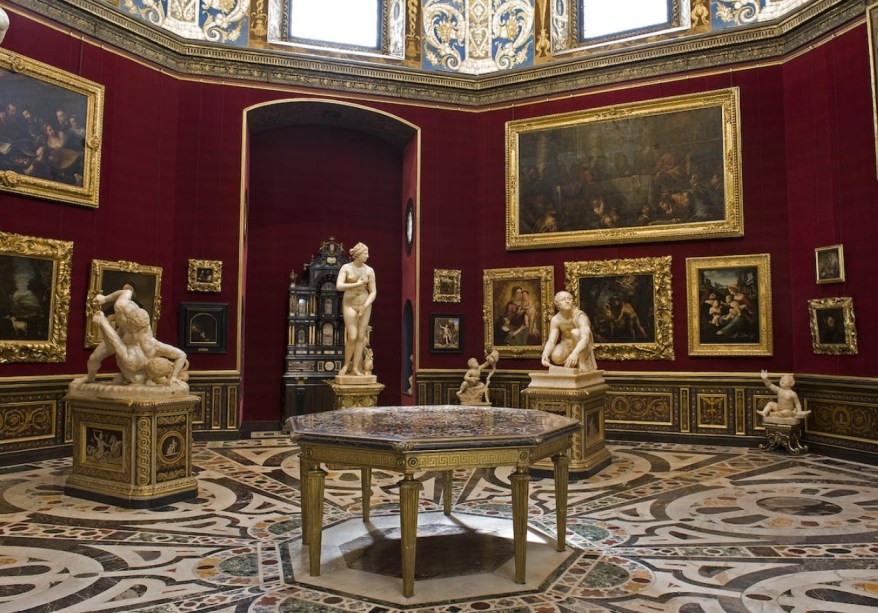
Prima dei musei esistevano le Wunderkammer: le stanze delle meraviglie dove si collezionava il mondo intero
🇮🇹Prima dei musei c’erano le Wunderkammer: stanze delle meraviglie piene di fossili, animali rari, opere d’arte e oggetti esotici. La loro storia… 🇬🇧Before museums, there were *Wunderkammer*—cabinets of curiosities filled with fossils, rare animals, works of art, and exotic objects. Their history…
-
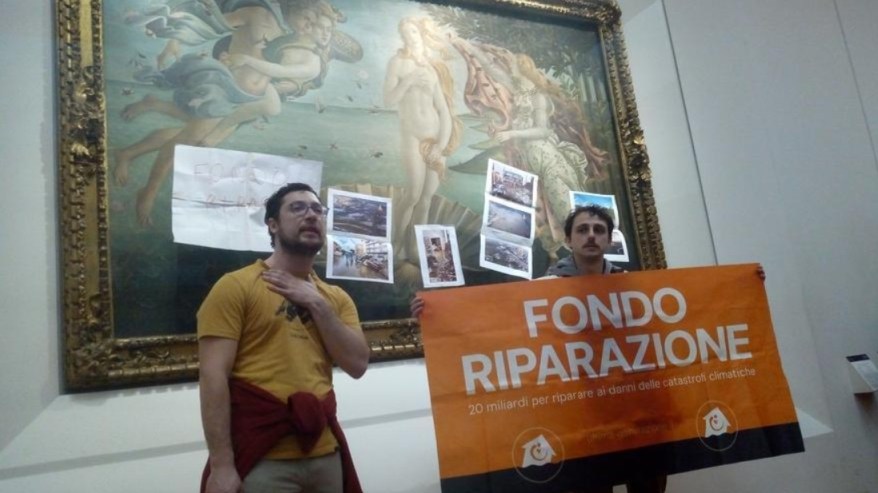
Uffizi, 140mila euro di multe a Ultima Generazione: nel mirino le proteste davanti ai capolavori di Botticelli
🇮🇹Ultima Generazione, 140mila euro di multe per le proteste agli Uffizi davanti alla Nascita di Venere e alla Primavera di Botticelli. Gli attivisti annunciano ricorso… 🇬🇧Ultima Generazione faces 140,000 euros in fines for protests at the Uffizi Gallery, held in front of Botticelli’s The Birth of Venus and Primavera. The activists have announced they will…
Condividi:


Questo sono io





sostienici

Sostienici – Support Us
Se questo blog ti piace e ti appassiona, puoi aiutarci a farlo crescere sempre più sostenendoci in modo concreto condividendo i post, seguendo le pagine social e con un contributo che ci aiuta ad andare avanti con il nostro lavoro di divulgazione. . ENGLISH: If you like and are passionate about this blog, you can help us make it grow more and more by supporting us in a concrete way by sharing posts, following social pages and with a contribution that helps us to move forward with our dissemination work.
€10,00


