
Il miracolo scolpito del Barocco: l’Incontro tra San Leone Magno e Attila dell’Algardi
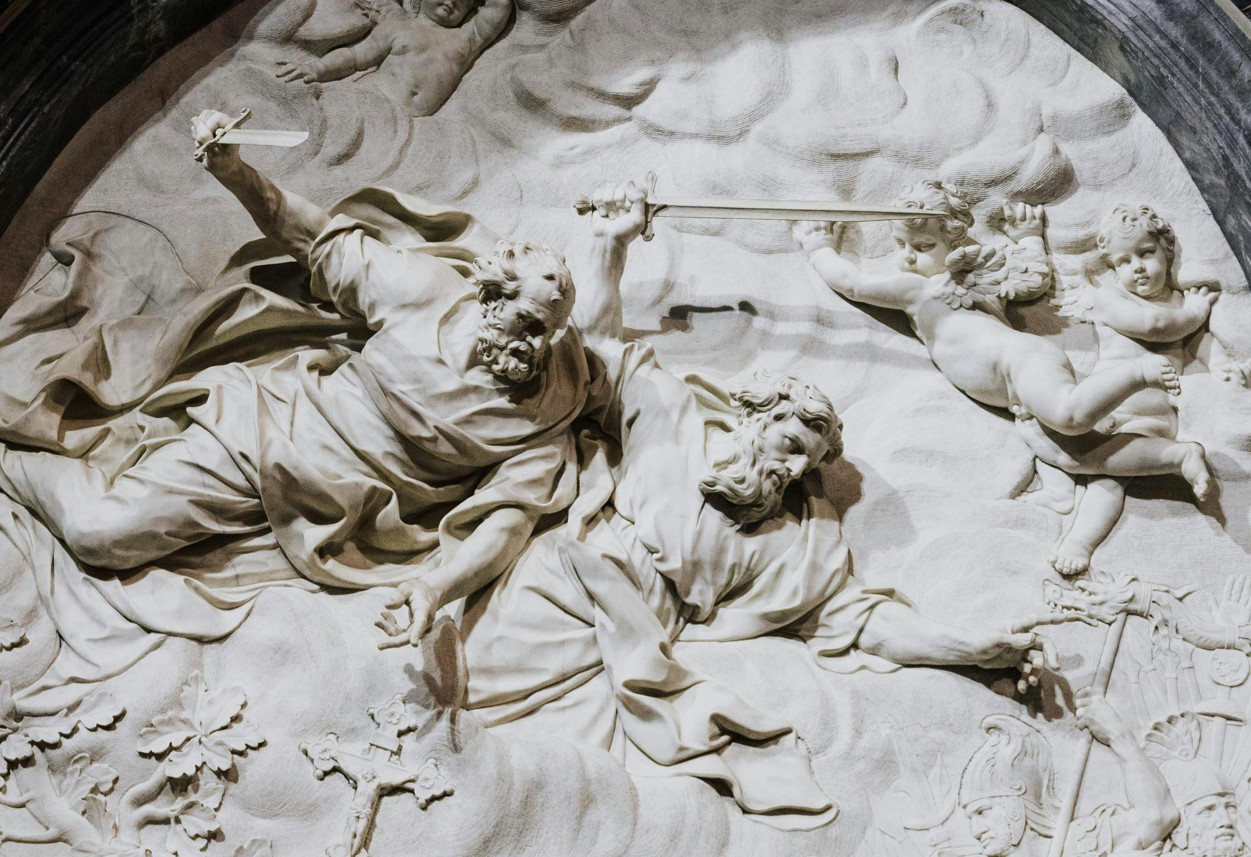
Nella Basilica di San Pietro in Vaticano si trova una meravigliosa opera del Barocco: il rilievo in marmo che evoca l’Incontro tra San Leone Magno e Attila, realizzato da Alessandro Algardi tra il 1646 e il 1653.
Un capolavoro virtuosistico che mette assieme la storia con la fede e la propaganda papale in una composizione di grande impatto .
Un momento chiave della storia cristiana
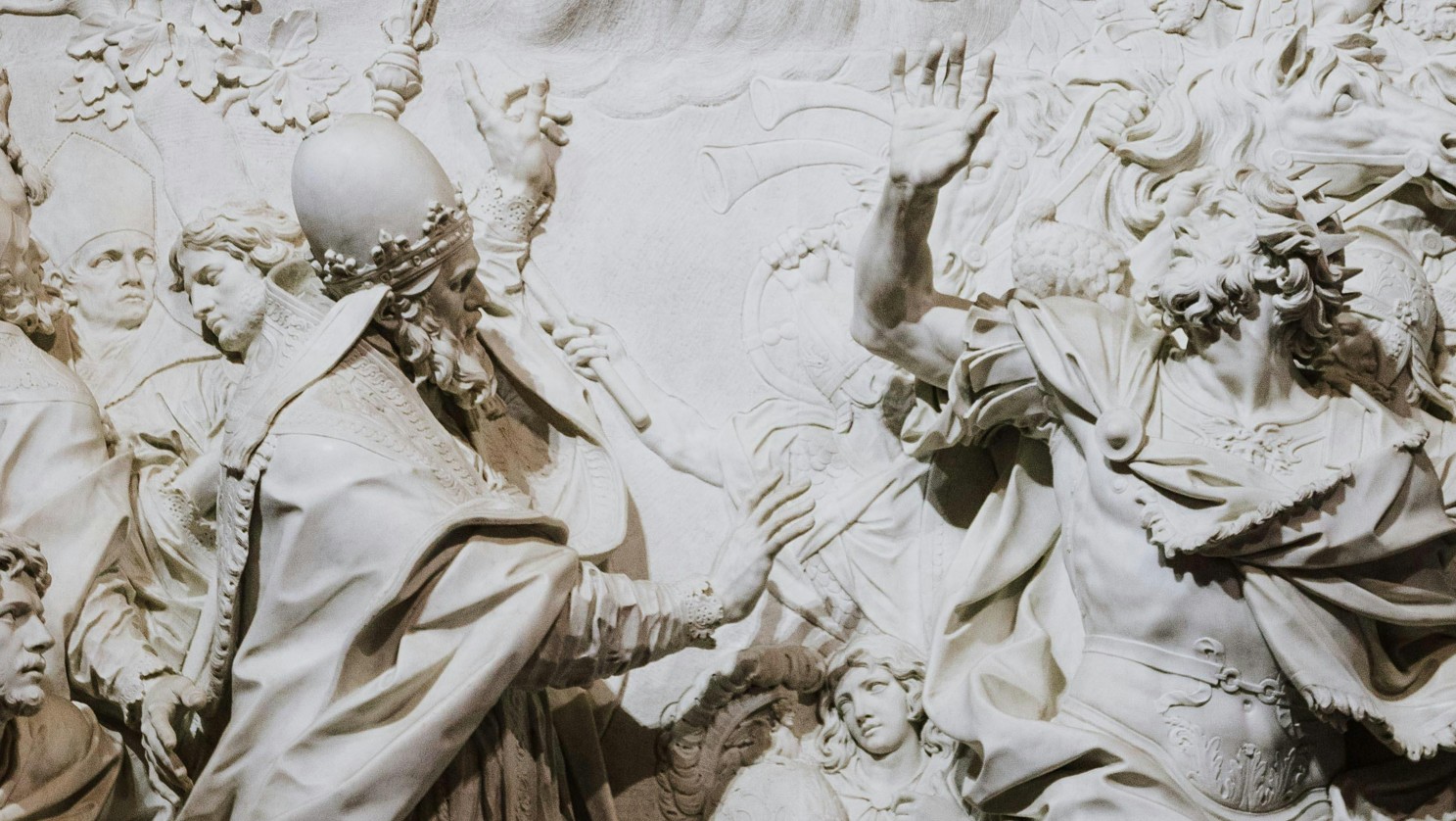
La scena rappresenta un episodio leggendario risalente al lontano 452 d.C ovvero l’incontro tra Papa Leone I, poi venerato come San Leone Magno, e Attila, re degli Unni.
Secondo la tradizione, il pontefice riuscì a fermare l’avanzata delle truppe barbariche verso Roma attraverso la forza della sua autorità spirituale e diplomatica.
Nel rilievo, questo momento viene trasformato in una visione quasi teatrale: non è solo un incontro tra due figure storiche, ma uno scontro simbolico tra la civiltà cristiana e la minaccia della distruzione.
La mano del Barocco: Algardi e la forza della narrazione
A differenza della teatralità dinamica tipica di altri maestri del Barocco, Algardi adotta un linguaggio più sobrio e solenne. Il suo rilievo si distingue per equilibrio compositivo e per una drammaticità controllata, che amplifica la sacralità dell’evento.
Il Papa appare calmo e autorevole, mentre Attila è rappresentato in atteggiamento di sorpresa e rispetto, quasi sopraffatto da una forza invisibile. Questa forza non è terrena, ma divina.
Pietro e Paolo: la visione celeste
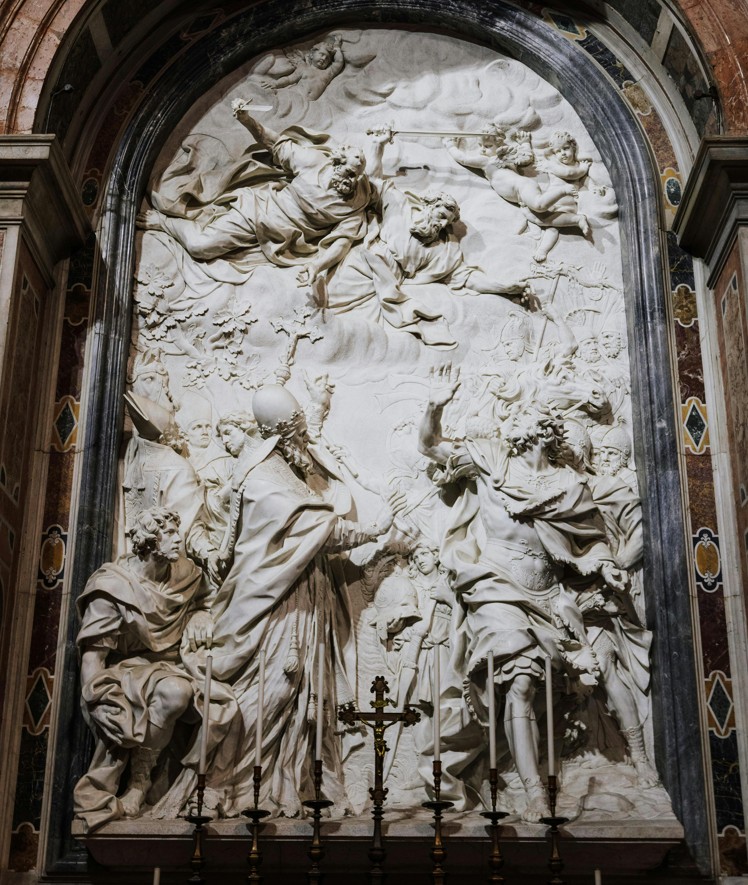
Uno degli elementi più suggestivi dell’opera è la parte superiore della composizione. Qui compaiono gli apostoli Pietro e Paolo, armati di spada, sospesi in cielo. La loro presenza non è decorativa, ma profondamente simbolica: rappresentano la protezione divina che sostiene il Papa nel suo ruolo di guida della cristianità.
Questo intervento celeste trasforma l’evento storico in un miracolo, rafforzando il messaggio politico e religioso della Chiesa dell’epoca.
La Basilica di San Pietro come scenografia del potere
Collocato nella maestosa Basilica di San Pietro in Vaticano, il rilievo dialoga con l’architettura e con le altre opere monumentali che celebrano la grandezza della Chiesa. L’opera non è ovviamenet solo un elemento decorativo ma è parte integrante di un progetto visivo e ideologico più ampio: raccontare la continuità del potere spirituale di Roma attraverso l’arte.
Per il momento il sempre vostro Michelangelo Buonarroti vi saluta dandovi appuntamento ai prossimi post e sui social.
The Sculpted Miracle of the Baroque: “The Meeting of Saint Leo the Great and Attila” by Alessandro Algardi
In St. Peter’s Basilica in the Vatican lies a marvelous Baroque work: the marble relief depicting the Meeting of Saint Leo the Great and Attila, created by Alessandro Algardi between 1646 and 1653.
A virtuoso masterpiece that combines history, faith, and papal propaganda in a composition of great impact.
A Key Moment in Christian History
The scene depicts a legendary episode dating back to 452 AD: the meeting between Pope Leo I, later venerated as Saint Leo the Great, and Attila, king of the Huns.
According to tradition, the pontiff managed to halt the advance of the barbarian troops towards Rome through the strength of his spiritual and diplomatic authority.
In the relief, this moment is transformed into an almost theatrical vision: it is not just a meeting between two historical figures, but a symbolic clash between Christian civilization and the threat of destruction.
The Hand of the Baroque: Algardi and the Power of Narrative
Unlike the dynamic theatricality typical of other Baroque masters, Algardi adopts a more sober and solemn language. His relief is distinguished by its compositional balance and controlled drama, which amplifies the sacredness of the event.
The Pope appears calm and authoritative, while Attila is depicted in a pose of surprise and respect, almost overwhelmed by an invisible force. This force is not earthly, but divine.
Peter and Paul: the Heavenly Vision
One of the most evocative elements of the work is the upper part of the composition. Here, the apostles Peter and Paul appear, armed with swords, suspended in the sky. Their presence is not decorative, but profoundly symbolic: they represent the divine protection that sustains the Pope in his role as leader of Christianity.
This celestial intervention transforms the historical event into a miracle, reinforcing the political and religious message of the Church of the time.
St. Peter’s Basilica as a Stage Set for Power
Located in the majestic St. Peter’s Basilica in the Vatican, the relief dialogues with the architecture and other monumental works celebrating the greatness of the Church. The work is obviously not merely a decorative element but an integral part of a broader visual and ideological project: narrating the continuity of Rome’s spiritual power through art.
For now, yours truly, Michelangelo Buonarroti bids you farewell and invites you to join him in future posts and on social media.

Sostienici – Support Us
Se questo blog ti piace e ti appassiona, puoi aiutarci a farlo crescere sempre più sostenendoci in modo concreto condividendo i post, seguendo le pagine social e con un contributo che ci aiuta ad andare avanti con il nostro lavoro di divulgazione. . ENGLISH: If you like and are passionate about this blog, you can help us make it grow more and more by supporting us in a concrete way by sharing posts, following social pages and with a contribution that helps us to move forward with our dissemination work.
10,00 €
Articoli

Condividi:


Questo sono io




sostienici

Sostienici – Support Us
Se questo blog ti piace e ti appassiona, puoi aiutarci a farlo crescere sempre più sostenendoci in modo concreto condividendo i post, seguendo le pagine social e con un contributo che ci aiuta ad andare avanti con il nostro lavoro di divulgazione. . ENGLISH: If you like and are passionate about this blog, you can help us make it grow more and more by supporting us in a concrete way by sharing posts, following social pages and with a contribution that helps us to move forward with our dissemination work.
€10,00


1 commento »