

Togliere il superfluo: l’essenza della scultura
Togliere il superfluo: così la scultura per me fu metafora della vita.
Custodito nella biblioteca del British Museum, c’è un prezioso manoscritto che racconta ai posteri la mia abitudine di prendere in giro chi mi rivolgeva domande inopportune mettendo però in chiaro alcuni dei concetti a me più cari relativi alla scultura.

È il manoscritto cinquecentesco scritto da Nicolas Auberdert che racconta il suo viaggio in Italia ma in particolare riporta un aneddoto che mi riguarda da molto vicino.
Auberdet mette nero su bianco che un tale si meravigliò nel vedere la mia scultura della Notte nella Sagrestia Nuova e mi chiese senza indugiare come avessi fatto a scolpirla, con quella pelle così levigata e quella posa così conturbante.

Il giovane viaggiatore così mi fece rispondere: “Io avevo un marmo nel quale era la statua che voi vedete e non ebbi altra fatica che di togliere dei pezzettini che le stavano attorno e impedivano che si scorgesse. Prendete qualsiasi marmo o pietra che vorrete, sia grossa o piccola, non ve n’è una sola che non abbia in sé qualche effigie o statua ma bisogna saper conoscerla bene per non cavare se non quel che impedisce di vederla ché v’è pericolo tanto nel toglier troppo che troppo poco. Ma per chi sa fare non v’è nulla di più agevole. È così.”
Non è improbabile che Nicolas Auberdet sia venuto a conoscenza di questo aneddoto per sentito dire in Italia. Non ebbe modo di incontrare direttamente me già che quando arrivò in Italia, nel 1574, già ero morto da una decina di anni.

Qualcuno poteva avergli narrato cosa accadde in quella circostanza o forse fu suo padre Germano a raccontargli l’aneddoto. Il padre in giovane età era rimasto a lungo in Italia e probabilmente ebbe modo di conoscermi o magari, ascoltò per voce di miei collaboratori quel fatto che il figlio volle mettere nero su bianco.
Quello che è certo è che, se anche mai avessi pronunciato quelle parole esatte, era esattamente l’idea che avevo in mente quando scolpivo tanto che al Varchi scrissi “Io intendo scultura quella che si fa per forza di levare” e mi si lo stesso concetto in versi:
Non ha l’ottimo artista alcun concetto
c’un marmo solo in sé non circonscriva
col suo superchio, e solo a quello arriva
la man che ubbidisce all’intelletto…
In fondo la scultura è come la vita: togliere il superfluo per arrivare all’essenziale.

Per il momento il vostro Michelangelo Buonarroti vi saluta dandovi appuntamento ai prossimi post e sui social.
Remove the superfluous. The essence of sculpture
Removing the superfluous: so sculpture for me was a metaphor for life.
Kept in the library of the British Museum, there is a precious manuscript that tells posterity about my habit of making fun of those who asked me inappropriate questions, however, clarifying some of the concepts most dear to me relating to sculpture.
It is the sixteenth-century manuscript written by Nicolas Auberdert which recounts his trip to Italy and in particular reports an anecdote that closely concerns me.
Auberdet puts pen to paper that a man was surprised to see my sculpture of the Night in the New Sacristy and asked me without delay how I had managed to sculpt it, with such smooth skin and such a disturbing pose.
The young traveler made me reply: “I had a marble in which was the statue that you see and I had no other effort than to remove some small pieces that were around it and prevented it from being seen. Take whatever marble or stone you want, be it large or small, there isn’t a single one that doesn’t have some effigy or statue in it but you need to know how to know it well so as not to dig out anything other than what prevents you from seeing it because there is so much danger in taking away too much rather than too little. But for those who know how, there is nothing easier. That’s how it is.”
It is not improbable that Nicolas Auberdet learned of this anecdote from hearsay in Italy. He didn’t have the opportunity to meet me directly since when he arrived in Italy, in 1574, I had already been dead for about ten years.
Someone could have told him what happened in that circumstance or perhaps it was his father Germano who told him the anecdote. The father had stayed in Italy for a long time at a young age and perhaps he got to know me or maybe he heard from the voice of my collaborators, that fact that the son then put down in black and white.
What is certain is that, even if I had never pronounced those exact words, it was still the idea that I had in mind when I was sculpting so much so that I wrote to Varchi “I mean sculpture that which is made by force of removal” and yes the same concept in verse:
Non ha l’ottimo artista alcun concetto
c’un marmo solo in sé non circonscriva
col suo superchio, e solo a quello arriva
la man che ubbidisce all’intelletto…
After all, sculpture is like life: removing the superfluous to get to the essential.

Sostienici – Support Us
Se questo blog ti piace e ti appassiona, puoi aiutarci a farlo crescere sempre più sostenendoci in modo concreto condividendo i post, seguendo le pagine social e con un contributo che ci aiuta ad andare avanti con il nostro lavoro di divulgazione. . ENGLISH: If you like and are passionate about this blog, you can help us make it grow more and more by supporting us in a concrete way by sharing posts, following social pages and with a contribution that helps us to move forward with our dissemination work.
8,00 €
-
Festival La Versiliana 2026: tra musica, teatro e grandi narrazioni
Dal 17 luglio al 23 agosto 2026, la pineta di Marina di Pietrasanta ospiterà la 47ª edizione del Festival La Versiliana. Una kermesse aperta a tutti nella quale linguaggi diversi dialogano tra loro in un equilibrio tra tradizione e contemporaneità.
-
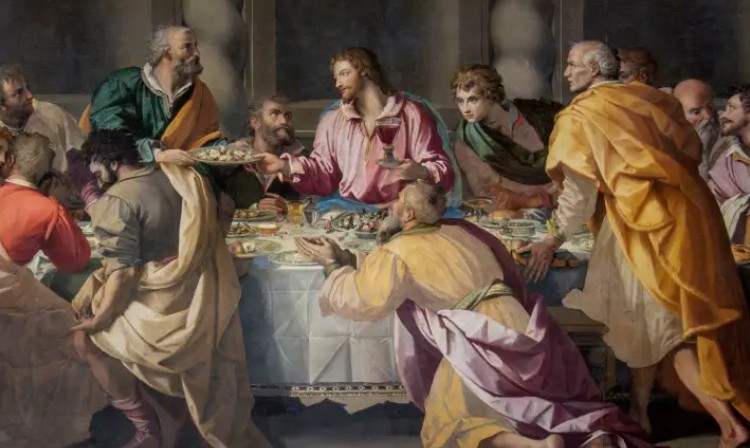
Giovedì Santo: l’Ultima Cena di Allori che pochi conoscono a Firenze
🇮🇹Nel cuore di Museo di Santa Maria Novella, a Firenze, si conserva una delle interpretazioni più affascinanti e meno note dell’Ultima Cena: quella realizzata da Alessandro Allori nel 1584… 🇬🇧In the heart of the Santa Maria Novella Museum in Florence, one of the most fascinating and least-known interpretations of the Last Supper is preserved: the…
-
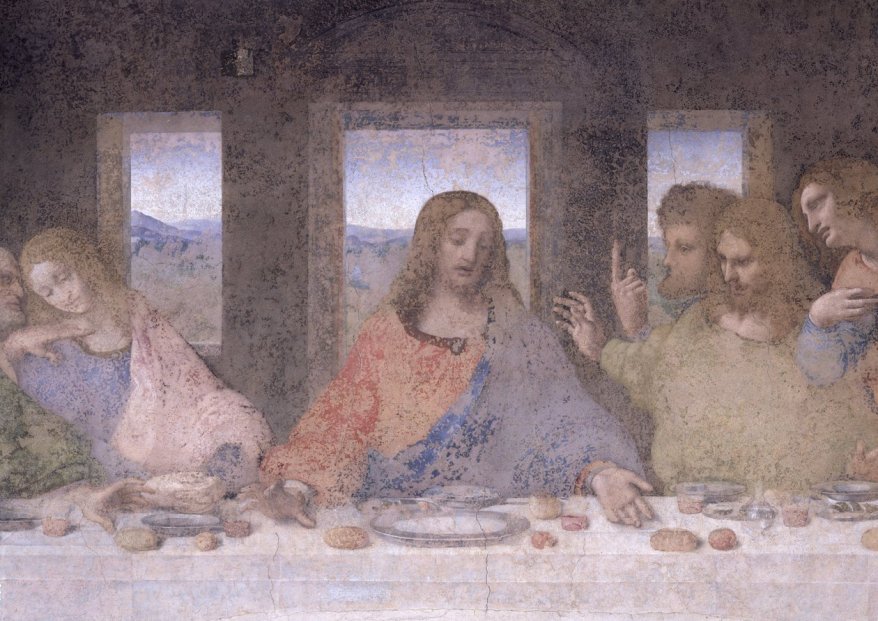
Cenacolo di Leonardo: i dettagli che raccontano il tradimento
🇮🇹Nel Cenacolo di Leonardo da Vinci, custodito a Santa Maria delle Grazie, Cristo annuncia il tradimento e il tempo si ferma… 🇬🇧In Leonardo da Vinci’s Last Supper, housed in Santa Maria delle Grazie, Christ announces the betrayal and time stands still…
Condividi:


Questo sono io





sostienici

Sostienici – Support Us
Se questo blog ti piace e ti appassiona, puoi aiutarci a farlo crescere sempre più sostenendoci in modo concreto condividendo i post, seguendo le pagine social e con un contributo che ci aiuta ad andare avanti con il nostro lavoro di divulgazione. . ENGLISH: If you like and are passionate about this blog, you can help us make it grow more and more by supporting us in a concrete way by sharing posts, following social pages and with a contribution that helps us to move forward with our dissemination work.
€10,00


