

24 agosto: San Bartolomeo apostolo
Oggi 24 agosto la Chiesa Cattolica ricorda San Bartolomeo, uno dei dodici apostoli che seguirono Cristo.
E’ considerato il protettore di tutti quelli che hanno a che fare con la lavorazione delle pelli come i calzolai, i conciatori, i legatori di libri, pellicciai, sarti e finanche dei macellai.
Bartolomeo è il nome con il quale viene chiamati nei sinottici ma nel vangelo scritto da Giovanni viene citato con il nome di Natanaele che significa letteralmente “dono di Dio”.
Originario di Cana, in Galilea, non è dato sapere dove e quando nacque esattamente. E’ incerto anche il luogo del martirio avvenuto attorno al 68 dopo Cristo.
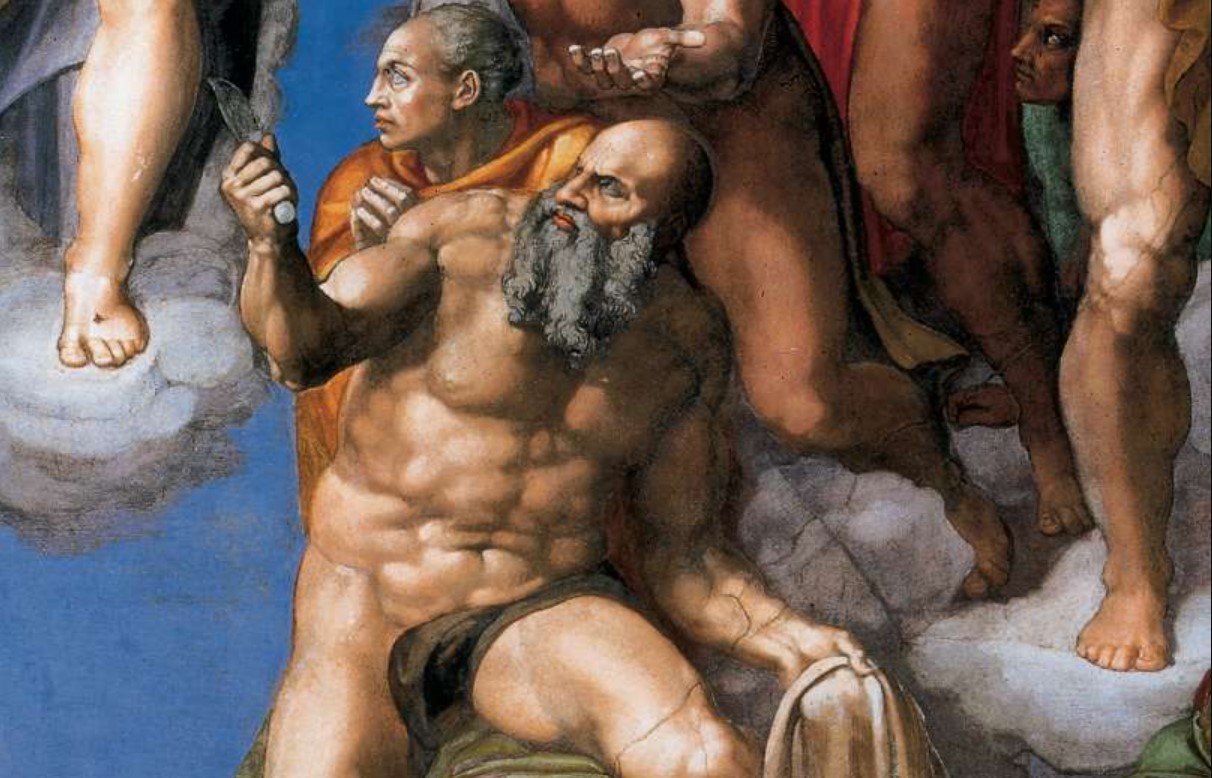
San Bartolomeo era un pescatore galileo come erano un po’ tutti gli apostoli. Dedicò la sua vita a predicare il Vangelo nella Giudea e subì le terribili conseguenze delle persecuzioni.
Il Santo fu rigettato in Giudea così si recò prima in Libia poi in Arabia , indie Orientali e Armenia fino a quando re Astige lo fece incatenare prima di ordinare ai soldati di scorticarlo vivo.
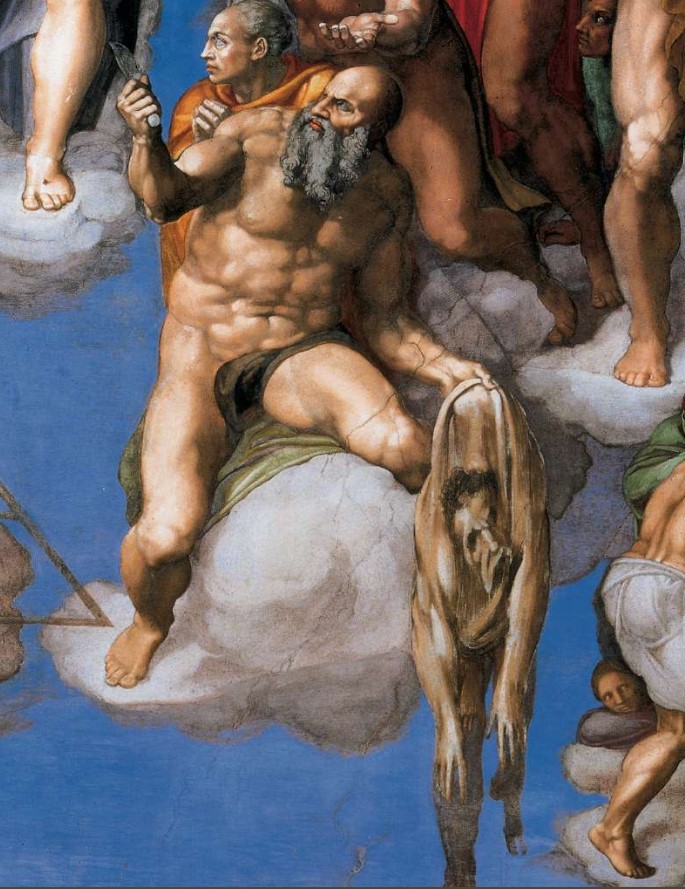
Dedicai a lui un posto d’onore nel Giudizio Universale. E’ infatti una delle figure più conosciute del grande affresco e tiene in mano la pelle che gli hanno strappato di dosso la quale custodisce un segreto.
Ebbene, in quel brandello di carne è stato identificato un mio autoritratto sebbene sfigurato dalla forma cadente che scivola verso il basso sotto il peso della gravità.
Chi poteva tenermi fra le mani ridotto in quel modo se non l’Aretino?
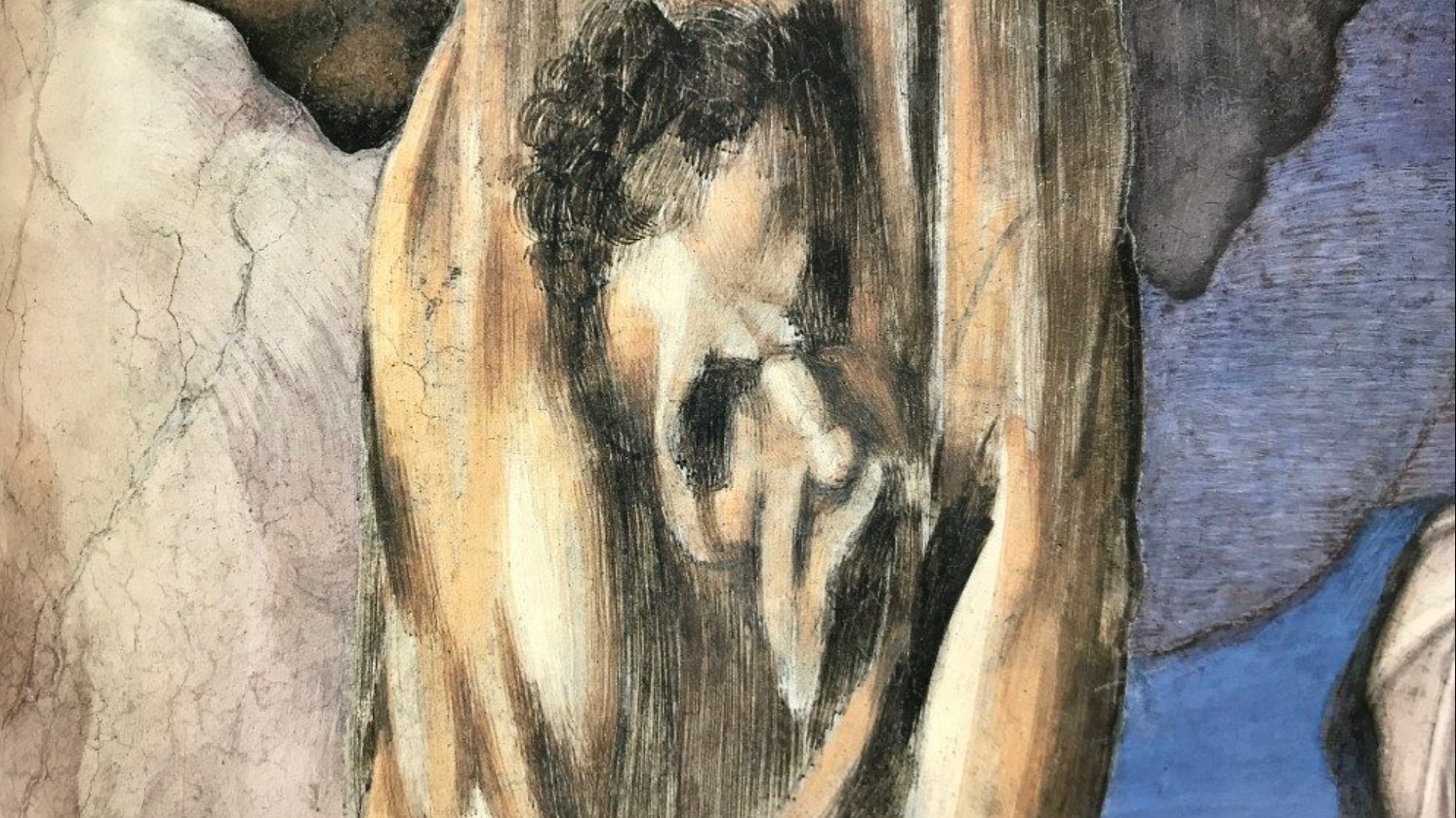
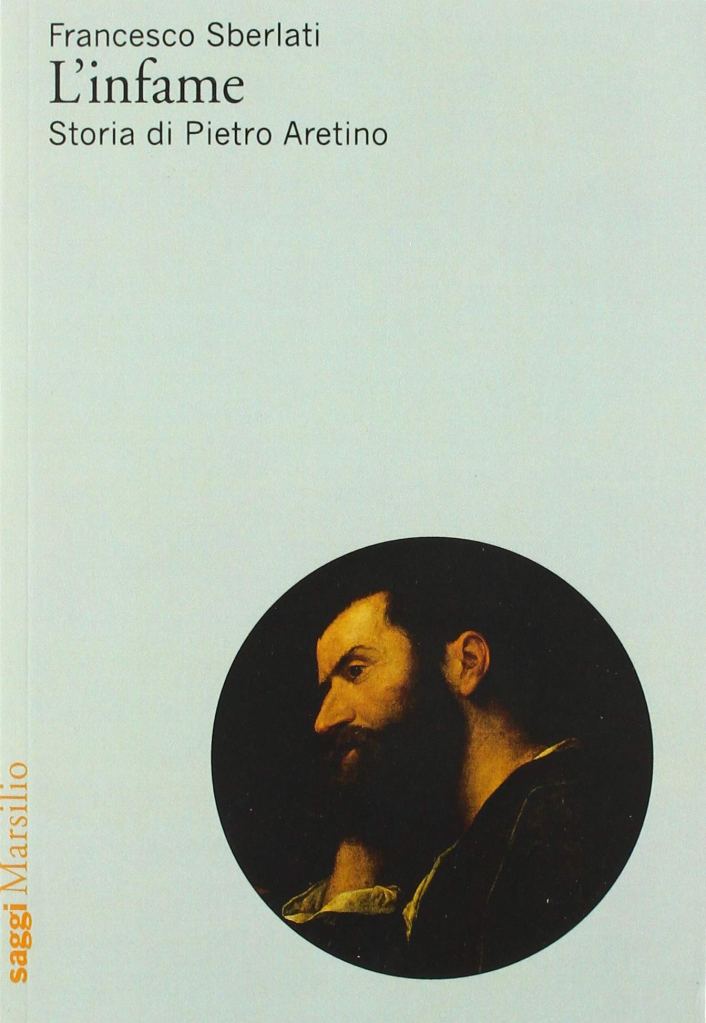
Osservate con attenzione le sembianze del Santo facendo il paragone con il ritratto dell’Aretino di Tiziano: non vi sarà difficile ritrovare gli stessi lineamenti.
Ebbene, volli dare a Bartolomeo le stesse sembianze di quello che l’Ariosto non esitò a definire “Il flagello dei principi” per una ragione ben precisa.
L’Aretino mi torturò per non so quanto tempo per ottenere da me uno schizzo, un disegnetto o finanche qualcosa di appena accennato su carta ma mai glie ne feci dono: l’arte mia la regalavo solo a chi volevo io.
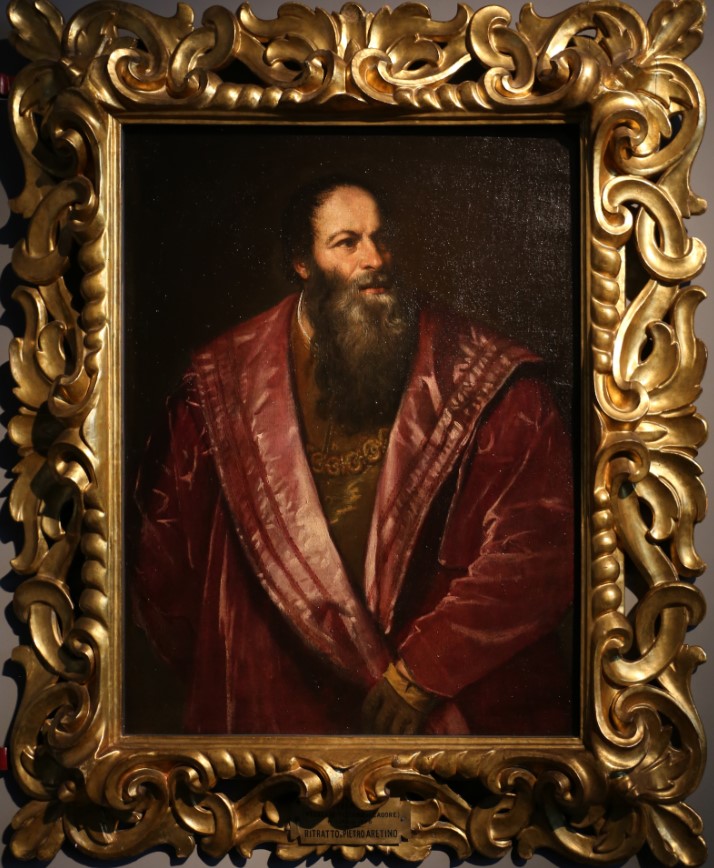
Si vendicò allora scagliandosi contro il Giudizio Universale raccontandone peste e corna. Definì i miei affreschi come pitture da bordello senza nemmeno mai aver avuto modo di vederlo. Sparlava del Giudizio da Venezia, senza mai essere sceso fino a Roma per vederlo con i proprio occhi quando ancora ci stavo lavorando.
Un opportunista fu l’Aretino, pronto a sparlare di quello e di quell’altro o a elevarlo sugli altari per tornacomodo o sotto lauta ricompensa.
Per il momento il vostro Michelangelo Buonarroti vi saluta dandovi appuntamento ai prossimi post e sui social.
August 24: Saint Bartholomew the Apostle
Today, August 24, the Catholic Church remembers San Bartolomeo, one of the twelve apostles who followed Christ.
He is considered the protector of all those who have to do with the processing of leather such as shoemakers, tanners, book binders, furriers, tailors and even butchers.
Bartholomew is the name by which they are called in the synoptics but in the Gospel written by John he is mentioned with the name of Nathanael which literally means “gift of God”.
Originally from Cana, in Galilee, it is not known exactly where and when he was born. The place of martyrdom which took place around 68 after Christ is also uncertain.
St. Bartholomew was a Galilean fisherman like all the apostles were to some extent. He dedicated his life to preaching the Gospel in Judea and suffered the terrible consequences of persecution.
The Saint was rejected in Judea so he went first to Libya then to Arabia, the East Indies and Armenia until King Astige had him chained before ordering the soldiers to flay him alive.
I dedicated him a place of honor in the Last Judgment. He is in fact one of the best-known figures in the great fresco and holds in his hand the skin that they ripped off him which holds a secret.
Well, in that shred of flesh a self-portrait of me has been identified although disfigured by the drooping form that slides downward under the weight of gravity.
Who could have held me in his hands in such a state if not Aretino?
Look carefully at the features of the Saint by comparing it with the portrait of Aretino by Titian: it will not be difficult for you to find the same features.
Well, I wanted to give Bartolomeo the same appearance as what Ariosto did not hesitate to define as “The scourge of princes” for a very specific reason.
Aretino tortured me for I don’t know how long to get from me a sketch, a little drawing or even something just hinted at on paper but I never gave it to him: I only gave my art to whoever I wanted.
He then took his revenge by hurling himself against the Last Judgment by telling of its plague and horns. He defined my frescoes as brothel paintings without ever having seen it. He was gossiping about Judgment from Venice, without ever having gone down to Rome to see it with his own eyes when I was still working on it.
Aretino was an opportunist, ready to gossip about this or that other or to elevate him to the altars for convenience or under a generous reward.
For the moment, your Michelangelo Buonarroti greets you by making an appointment for the next posts and on social media.

Sostienici – Support Us
Se questo blog ti piace e ti appassiona, puoi aiutarci a farlo crescere sempre più sostenendoci in modo concreto condividendo i post, seguendo le pagine social e con un contributo che ci aiuta ad andare avanti con il nostro lavoro di divulgazione. . ENGLISH: If you like and are passionate about this blog, you can help us make it grow more and more by supporting us in a concrete way by sharing posts, following social pages and with a contribution that helps us to move forward with our dissemination work.
8,00 €
-
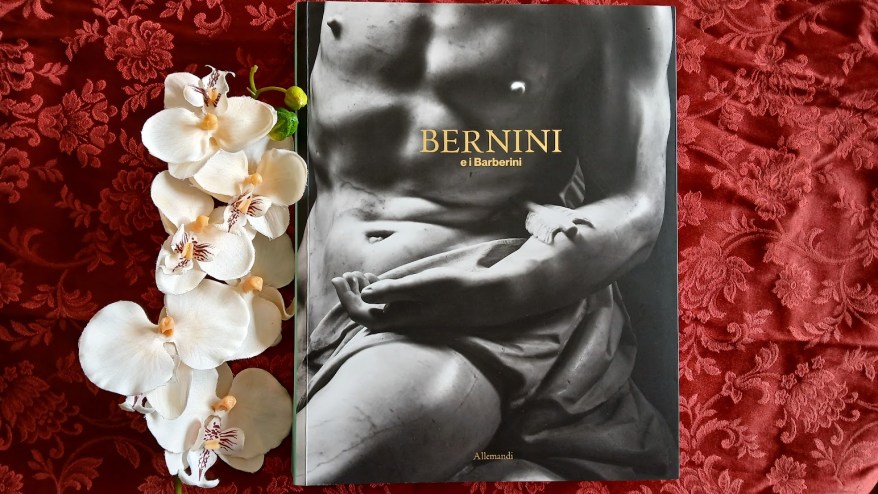
Dentro il catalogo di Bernini e i Barberini: arte, potere e immagini mozzafiato
Arte, storia e immagini sorprendenti: il catalogo “Bernini e i Barberini” racconta il legame tra Bernini e Urbano VIII in modo unico.
-
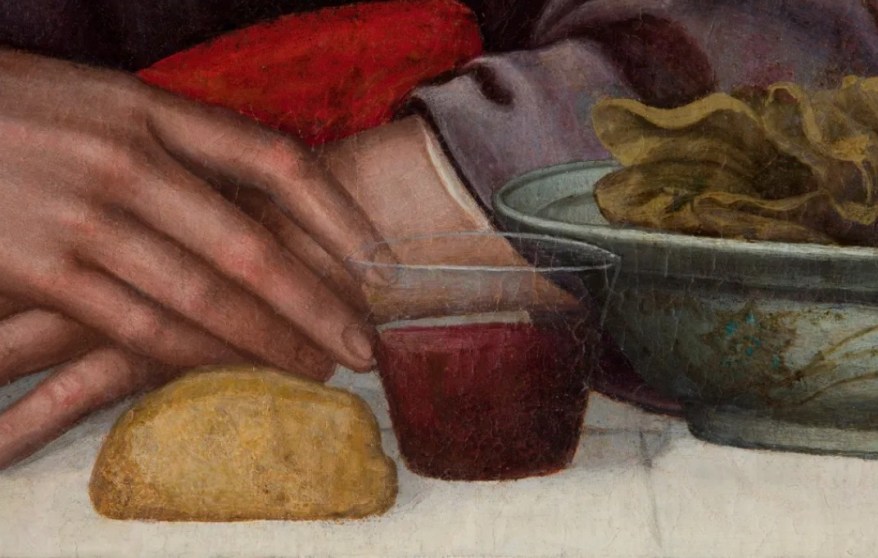
Pasqua: l’Ultima Cena della monaca pittrice Plautilla Nelli
🇮🇹Nel tempo della Pasqua, tra riflessione e rinascita, emerge la figura straordinaria di Plautilla Nelli: un’artista che, sfidando i limiti imposti alle donne, ha lasciato un segno profondo nella storia del Rinascimento. Vi propongo il suo capolavoro: l’Ultima Cena di Santa Maria Novella, a Firenze 🇬🇧During the Easter season, between reflection and rebirth, the extraordinary…
-
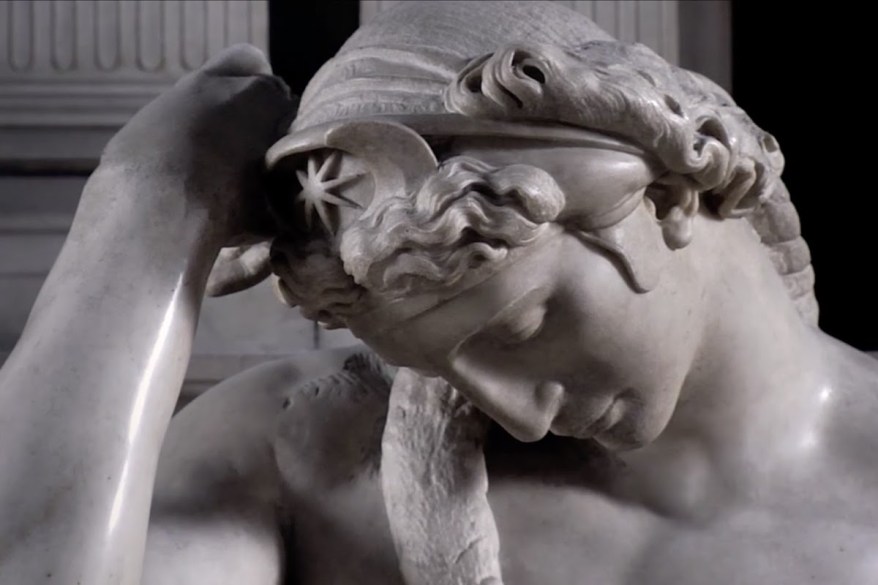
Il Giorno e la Notte: eterni nel loro alternarsi
🇮🇹Il marmo respira? No, ma è capace di trattenere il fiato fissando nell’eternità momenti che altrimenti si perderebbero per sempre… 🇬🇧Does marble breathe? No, but it is capable of holding its breath, capturing in eternity moments that would otherwise be lost forever…
Condividi:


Questo sono io





sostienici

Sostienici – Support Us
Se questo blog ti piace e ti appassiona, puoi aiutarci a farlo crescere sempre più sostenendoci in modo concreto condividendo i post, seguendo le pagine social e con un contributo che ci aiuta ad andare avanti con il nostro lavoro di divulgazione. . ENGLISH: If you like and are passionate about this blog, you can help us make it grow more and more by supporting us in a concrete way by sharing posts, following social pages and with a contribution that helps us to move forward with our dissemination work.
€10,00


