
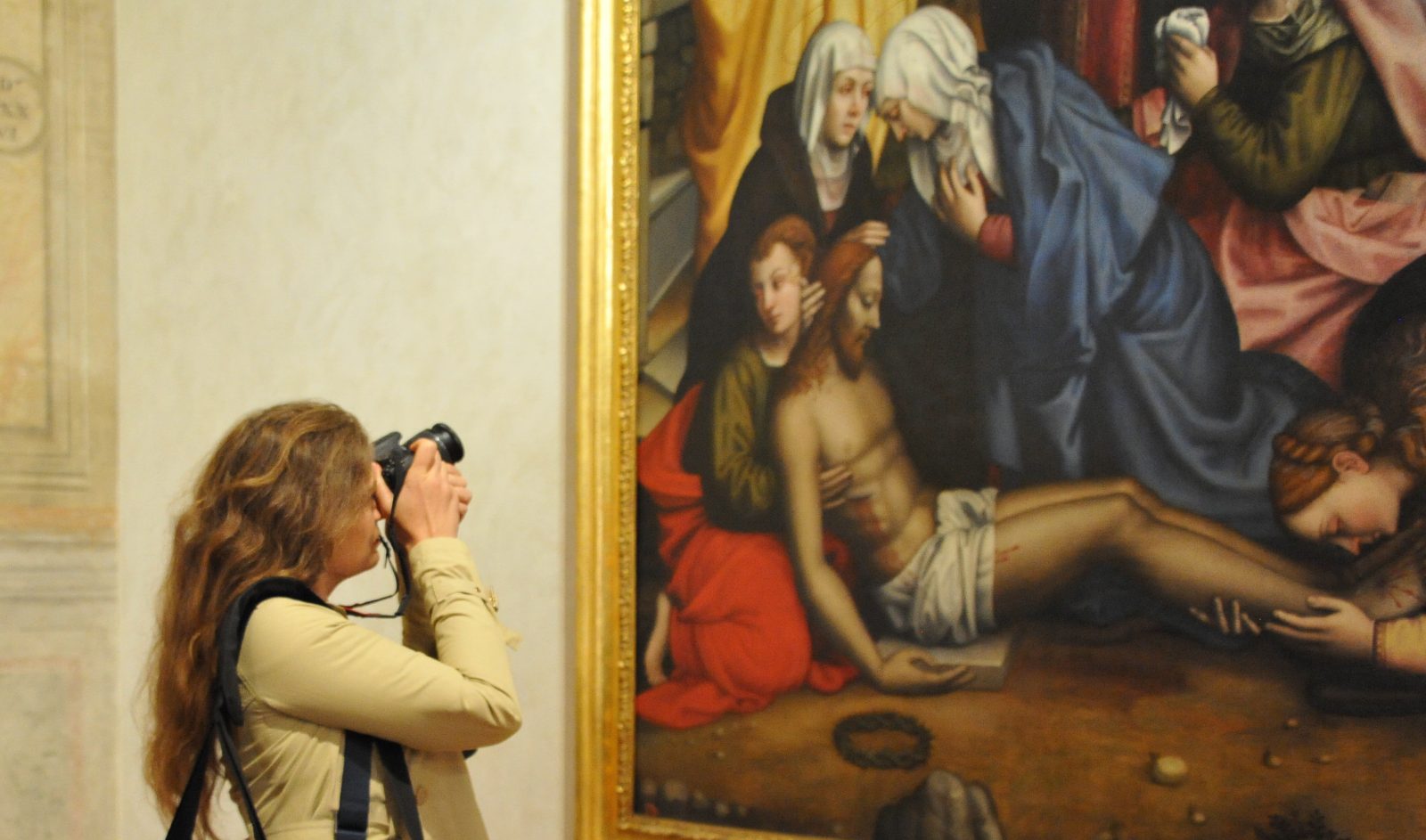
Antonio Mini, il mio caro allievo e servitore morto dal dispiacere
Antonio Mini: se chiudo gli occhi ancora mi par di rivedere il suo volto gioioso. Fu per me bravo collaboratore, un fedele servitore e con il passare degli anni anche un caro amico ma ebbe una sorte avversa, tragica direi.
Fu Antonio Gondi a raccomandarmi quel ragazzetto spaurito quando fui costretto a cacciare Piero Urbano. L’Urbano m’aveva rovinato il Cristo della Minerva nel 1521 con le sue mani e non per errore, ma per sciatteria e poca voglia di far bene.
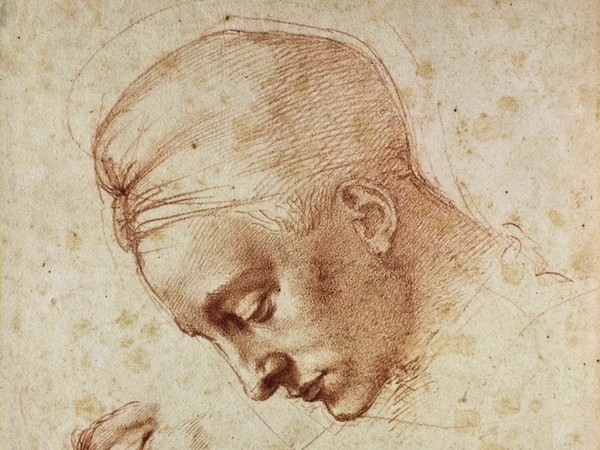
Il Mini al tempo aveva sedici anni, arrivava da una famiglia perbene e aveva una gran voglia di far bene. Desideroso di imparare, era sempre a disegnare con un sorriso stampato in faccia. Gli piaceva copiare i miei disegni.
A volte m’arrabbiavo perché magari necessitavo sbrigasse in vece mia qualche commissione ma capivo che aveva del talento. Non volevo andasse sprecata quella sua voglia di disegnare e far sempre meglio.
Venne a stare con me nel 1522. In un disegno che il Mini copiò da me, oggi al British Museum, scrissi di mano mia “Disegnia Antonio, disegnia Antonio, disegnia, non perder tempo”.
Gli volevo bene, era un gran lavoratore, sincero fino alla midolla e di animo buono. Feci menzione di lui tempo dopo pure a papa Clemente VII.
Lionardo il Sellaio infatti, in una lettera datata 10 marzo del 1526, mi scrisse: “Salutate Antonio ed ditegli che gli comando per parte del Papa che studi”.

Lo portai con me quando partii di nascosto per Venezia nel 1529 e con me forse rimase durante i mesi dell’assedio a Firenze.
La sorte però non degnò quel giovane di talento di uno sguardo benevolo. Anzi, gli si rivoltò contro tutto d’un tratto. Partì alla volta della Francia in cerca di fortuna, nella speranza di vedere il quadrone che gli avevo regalato della Leda col Cigno al re.
Arrivò a Lione nel dicembre del 1531 e poi proseguì alla volta di Parigi.
Fu raggirato da chi si proponeva di aiutarlo, soprattutto dal tesoriere del re, Giuliano Bonaccorsi. Il dipinto fu sottratto al Mini e poi venduto ma lui da quella vendita non ne ricavò nulla.
Morì due anni dopo col cuore infranto, preso in giro da chi pensava d’essere più furbo di lui, da chi scambiò la furbizia per disonestà e vigliaccheria.
Per il momento il vostro Michelangelo Buonarroti vi saluta dandovi appuntamento ai prossimi post e sui social.
Antonio Mini, my dear pupil and servant who died of sorrow
Antonio Mini, if I close my eyes again I seem to see his joyful face again. He was a good collaborator for me, a faithful servant and over the years also a dear friend.
It was Antonio Gondi who recommended that frightened boy to me when I was forced to expel Piero Urbano. Urbano had ruined the Christ of Minerva for me in 1521 with his own hands and not by mistake, but out of sloppiness and little desire to do well.
Mini was sixteen at the time, came from a respectable family and had a great desire to do good. Eager to learn, he was always drawing with a smile on his face. He liked to copy my drawings.
Sometimes I got angry because maybe I needed him to run some errands for me but I understood that he had talent. I didn’t want his desire to draw and always do better to go to waste.
He came to stay with me in 1522. In a drawing that Mini copied from me, now in the British Museum, I wrote by my hand “Draw Antonio, draw Antonio, draw, don’t waste time”.
I loved him, he was a hard worker, sincere to the bone and good-hearted. Some time later I also mentioned him to Pope Clement VII.
In fact, Lionardo il Sellaio, in a letter dated March 10, 1526, wrote to me: “Greet Antonio and tell him that I command him on behalf of the Pope to study”.
I took him with me when I secretly left for Venice in 1529 and perhaps he stayed with me during the months of the siege of Florence.
However, fate did not deign that talented young man with a benevolent gaze. Indeed, it turned against him all of a sudden. He left for France to seek his fortune, in the hope of seeing the big picture I had given him of Leda with the Swan to the King.
He arrived in Lyons in December 1531 and then continued on to Paris. He was deceived by those who proposed to help him, above all by the treasurer of the king Giuliano Bonaccorsi. The painting was stolen from Mini and then sold but he got nothing from that sale.
He died two years later with a broken heart, teased by those who thought they were smarter than him, mistaking cunning for dishonesty and cowardice.
For the moment, your Michelangelo Buonarroti greets you by making an appointment for the next posts and on social media

Sostienici – Support Us
Se questo blog ti piace e ti appassiona, puoi aiutarci a farlo crescere sempre più sostenendoci in modo concreto condividendo i post, seguendo le pagine social e con un contributo che ci aiuta ad andare avanti con il nostro lavoro di divulgazione. . ENGLISH: If you like and are passionate about this blog, you can help us make it grow more and more by supporting us in a concrete way by sharing posts, following social pages and with a contribution that helps us to move forward with our dissemination work.
8,00 €
-
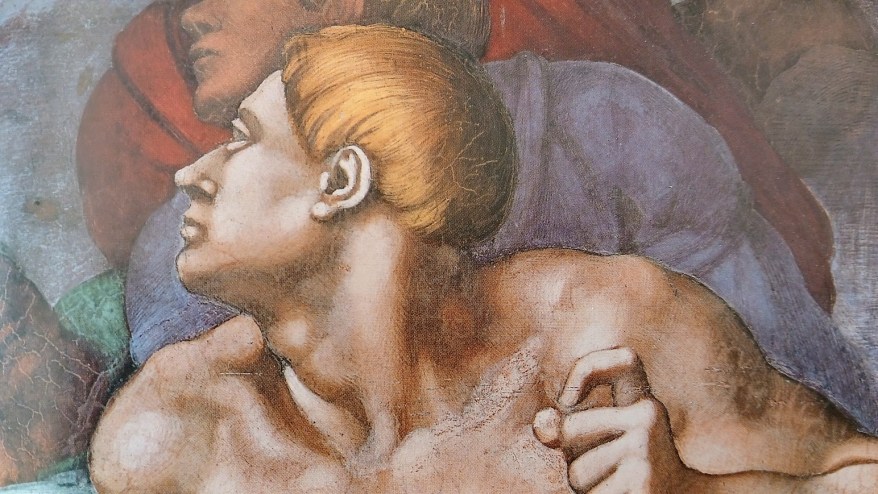
Il taglio a scodella nel Cinquecento: la curiosa acconciatura che compare nel Giudizio Universale della Sistina
🇮🇹Prima dei caschetti moderni e delle tendenze lanciate dai parrucchieri, nel Cinquecento esistevano già acconciature che ricordano sorprendentemente quelle di oggi e nel Giudizio Universale si vede bene… 🇬🇧<Long before modern bobs and trends set by hairstylists, 16th-century hairstyles existed that are surprisingly reminiscent of today's styles—as clearly seen in *The Last Judgment*…
-

La Natività mistica di Botticelli: il significato nascosto del dipinto più enigmatico del Natale
🇮🇹Angeli danzanti, demoni in fuga e una profezia apocalittica: scopri che cosa si nasconde nella Natività mistica di Sandro Botticelli, il dipinto che trasforma la nascita di Gesù in un messaggio di speranza per un mondo in crisi… 🇬🇧Dancing angels, fleeing demons, and an apocalyptic prophecy: discover what lies hidden in Sandro Botticelli’s *Mystic Nativity*,…
-
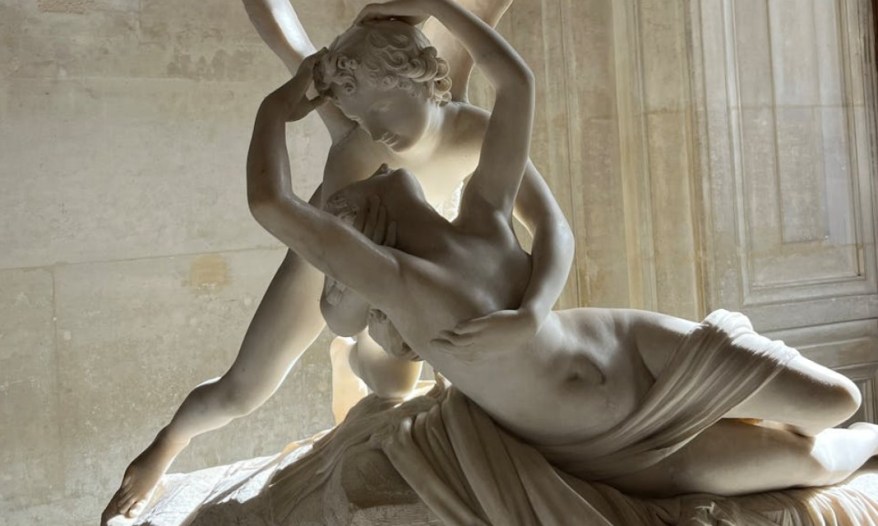
Antonio Canova, 13 ottobre 1822: muore lo scultore che diede vita al marmo
🇮🇹Il 13 ottobre 1822 moriva Antonio Canova. Scopri la vita, i capolavori, il rapporto con Napoleone e la missione per recuperare le opere d’arte italiane… 🇬🇧Antonio Canova died on October 13, 1822. Discover his life, his masterpieces, his relationship with Napoleon, and his mission to recover Italian works of art…
Condividi:


Questo sono io




sostienici

Sostienici – Support Us
Se questo blog ti piace e ti appassiona, puoi aiutarci a farlo crescere sempre più sostenendoci in modo concreto condividendo i post, seguendo le pagine social e con un contributo che ci aiuta ad andare avanti con il nostro lavoro di divulgazione. . ENGLISH: If you like and are passionate about this blog, you can help us make it grow more and more by supporting us in a concrete way by sharing posts, following social pages and with a contribution that helps us to move forward with our dissemination work.
€10,00


