
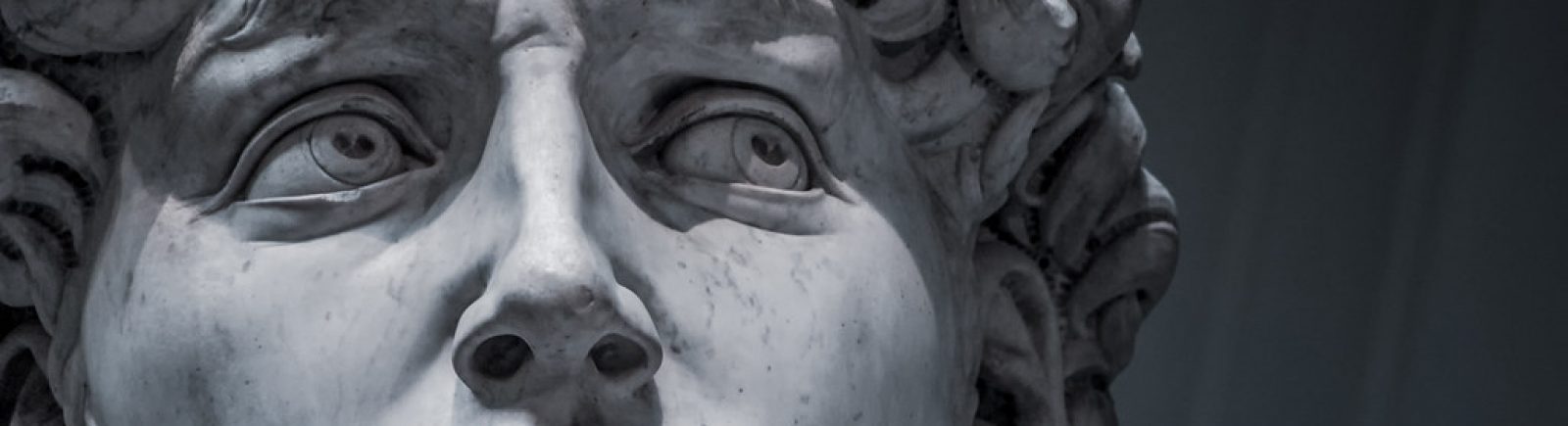
9 maggio: Sant’Isaia. Ecco il mio
Oggi 9 maggio la chiesa cattolica ricorda il più grande sei profeti di Israele che preannunciò la venuta del Messia: Isaia. A lui volli dare un posto d’onore nella volta della Cappella Sistina.
Era il figliolo di Amos e nacque attorno al 765 a.C. da una tribù di Israele. Visse in un periodo storico caratterizzato da tensioni sociali e politiche non trascurabili. Israele in quel momento era sotto minaccia di una imminente invasione assira.
Le profezie di Isaia ebbero inizio nel 740 a. C., lo stesso anno in cui morì re Ozio. In sogno gli apparve Dio che lo chiamò a compiere la propria missione.

Le visioni di Isaia proseguirono per i 44 anni successivi e 44 anni circa. Quando il regno di Giuda passò nelle mani di Manasse, il Signore mandò il profeta Isaia a richiamarlo al culto dell’unico Dio.
Manasse, preso dai suoi idoli e dalla sua ferocia che non lasciava scampo a nessuno, condannò Isaia a una morte atroce.

Isaia non poteva mancare nella volta della Sistina e lo raffigurai assieme agli altri profeti e alle sibille. Il vento scompiglia i suoi capelli e il panneggio verde che avvolge l’assistente alle sue spalle. Per dare più movimento alla chioma, adoperai delle pennellate di nero vite, la stessa cosa che feci con Dio Padre al centro della volta.
Il profeta ha un’espressione concentrata su un pensiero mentre viene richiamato dall’assistente.
Prima di essere interrotto, Isaia stava consultando il grande libro delle profezie con la copertina in smaltino. Per non perdere il segno, infila fra le pagine le dita della mano sinistra.
“Lo spirito del Signore Dio è su di me perché il Signore mi ha consacrato con l’unzione; mi ha mandato a portare il lieto annunzio ai miseri, a fasciare le piaghe dei cuori spezzati, a proclamare la libertà degli schiavi, la scarcerazione dei prigionieri.”
Isaia 61,1
Nell’affrescare Isaia non persi mai di vista ciò che le Sacre Scritture narravano di lui. Volli infatti raffigurarlo forte, pieno di autocontrollo e mansueto, proprio come viene descritto.
Per il momento il vostro Michelangelo Buonaroti vi saluta dandovi appuntamento ai prossimi post e sui social.
May 9: Saint Isaiah. Here’s mine
Today, May 9, the Catholic Church remembers the greatest six prophets of Israel who foretold the coming of the Messiah: Isaiah.
He was the son of Amos and was born around 765 BC. from a tribe of Israel. He lived in a historical period characterized by not negligible social and political tensions. Israel at the time was under threat of an imminent Assyrian invasion.
Isaiah’s prophecies began in 740 BC. C., the same year in which King Ozio died. In a dream, God appeared to him and called him to fulfill his mission.
Isaiah’s visions continued for the next 44 years and about 44 years. When the kingdom of Judah passed into the hands of Manasseh, the Lord sent the prophet Isaiah to call him back to the worship of the one God.
Manasse, taken by his idols and by his ferocity that left no one out, condemned Isaiah to an atrocious death.
Isaiah could not be missing from the vault of the Sistine Chapel and I depicted him together with the other prophets and the sibyls. The wind ruffles his hair and the green drapery that wraps the assistant behind him. To give more movement to the hair, I used brushstrokes of black vine, the same thing I did with God the Father in the center of the vault.
He has an expression focused on a thought as he is called back by the assistant.
Before being interrupted, Isaiah was consulting the large enamel-covered book of prophecy. In order not to lose his place, he slips the fingers of his left hand between the pages.
“The spirit of the Lord God is upon me because the Lord hath anointed me; he has sent me to bring glad tidings to the needy, to bind up the sores of the brokenhearted, to proclaim the freedom of the slaves, the release of the prisoners.”
Isaiah 61.1
In frescoing Isaiah I never lost sight of what the Holy Scriptures narrated about him. In fact, I wanted to portray him as strong, self-possessed and meek, just as he is described.
For the moment, your Michelangelo Buonaroti greets you by making an appointment for the next posts and on social media.

Sostienici – Support Us
Se questo blog ti piace e ti appassiona, puoi aiutarci a farlo crescere sempre più sostenendoci in modo concreto condividendo i post, seguendo le pagine social e con un contributo che ci aiuta ad andare avanti con il nostro lavoro di divulgazione. . ENGLISH: If you like and are passionate about this blog, you can help us make it grow more and more by supporting us in a concrete way by sharing posts, following social pages and with a contribution that helps us to move forward with our dissemination work.
8,00 €
-
Artemisia Gentileschi, a Firenze una mostra eccezionale: oltre 50 opere e Caravaggio
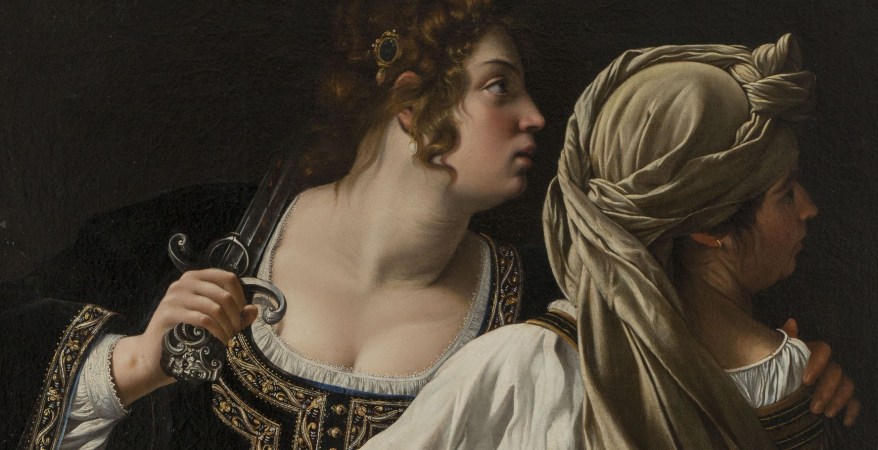
🇮🇹Artemisia Gentileschi a Firenze: oltre 50 opere al Museo degli Innocenti dal 20 ottobre 2026. In mostra Giuditta, l’Allegoria dell’Inclinazione e due capolavori di Caravaggio… 🇬🇧Artemisia Gentileschi in Florence: over 50 works at the Museo degli Innocenti starting October 20, 2026. On display are Judith, the Allegory of Inclination* and two masterpieces by Caravaggio…
-
Louvre bloccato dalle proteste in Francia: museo chiuso
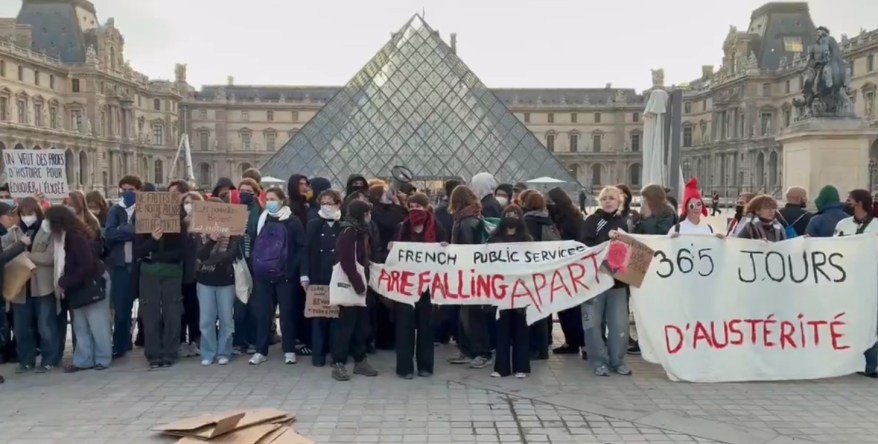
🇮🇹Il Museo del Louvre chiude, bloccato dalle proteste. Il museo più visitato al mondo non ha potuto aprire regolarmente questa mattina. A Parigi, un gruppo di studenti ha bloccato gli ingressi del Louvre per esprimere solidarietà al movimento dei liceali e denunciare la repressione della polizia… 🇬🇧The Louvre Museum is closed, blocked by protests. The…
-
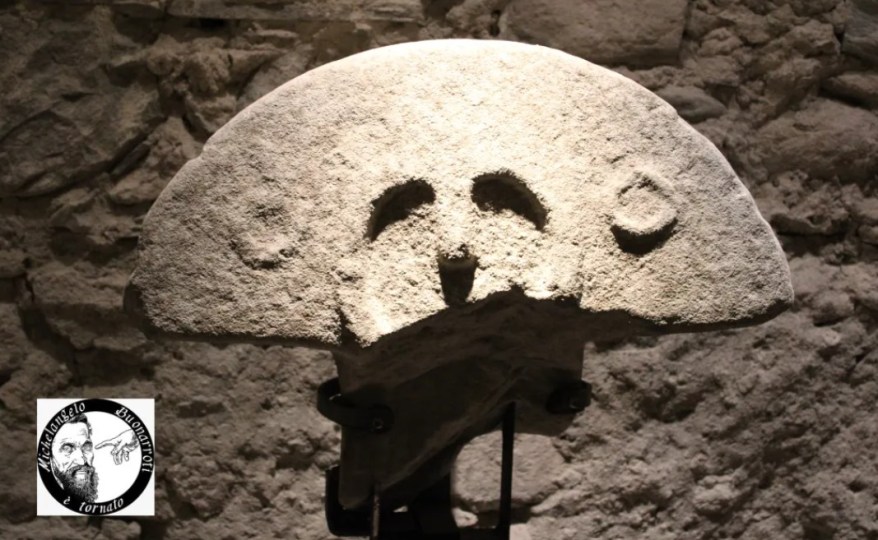
Pontremoli: il fascino silenzioso delle Statue Stele e il profumo dell’Amor
🇮🇹Ritorno al Castello del Piagnaro a Pontremoli: una visita al Museo delle Statue Stele Lunigianesi tra misteriosi volti di pietra e la dolce sosta all’Amor Pontremoli… 🇬🇧A return to the Castle of Piagnaro in Pontremoli: a visit to the Museum of the Lunigiana Stele Statues, amidst mysterious stone faces, followed by a delightful stop for…
Condividi:


Questo sono io




sostienici

Sostienici – Support Us
Se questo blog ti piace e ti appassiona, puoi aiutarci a farlo crescere sempre più sostenendoci in modo concreto condividendo i post, seguendo le pagine social e con un contributo che ci aiuta ad andare avanti con il nostro lavoro di divulgazione. . ENGLISH: If you like and are passionate about this blog, you can help us make it grow more and more by supporting us in a concrete way by sharing posts, following social pages and with a contribution that helps us to move forward with our dissemination work.
€10,00


