
Papa Paolo III Farnese nel mio studio romano nel dipinto di Ritting
Il dipinto che vi propongo oggi ha come protagonisti me e papa Paolo III Farnese. L’artista Peter Ritting volle riproporre a olio su tela nel 1834 il momento in cui il pontefice venne a trovarmi nella mia casa che adoperavo anche come laboratorio a Macel de’ Corvi, a Roma.
L’opera fu realizzata si commissione del conte Rudolf Von Lützow che in quel momento ricopriva il ruolo di ambasciatore straordinario del Re di Prussia presso la Santa Sede.
Lo stesso dipinto fu menzionato e descritto in maniera accurata dal collezionista, storiografo e membro onorario dell’Accademia di San Luca Athanasius von Raczynski nella celeberrima Histoire dell’art moderne en Allemagne, data alle stampe nel 1841.
Il dipinto in questione passò dalla collezione del conte Von Lützow alla collezione romana degli eredi Cardelli. L’opera riscosse un successo inaspettato grazie soprattutto anche alla diffusione della litografia eseguita da Battistelli, una nota stamperia romana.

Senza dubbio l’opera di Ritting è una delle sue migliori tele. L’ambiente ricostruito è assai fantasioso ma soprattutto è fantasiosa la disposizione delle mie opere con incongruenze temporali evidenti. La Pietà Vaticana esposta assieme alla pianta della Basilica di San Pietro e al modello della cupola non sta né in cielo né in terra.
Se aguzzate la vista vedrete pure quello che potrebbe essere il cartone della Madonna del Giudizio Universale e sullo sfondo la riconoscibilissima ombra del Mosè.
Nella scena Ritting raffigurò altri personaggi oltre a me e al papa. Secondo l’interpretazione di von Raczynski potrebbero essere Giovanni Maria del Monte che poi diverrà papa Giulio II, il Sansovino, Marcello Cervini da Monte Pulciano che in seguito prenderà il nome di Marcello II, Giovan Pietro Carafa ovvero il futuro papa Paolo IV, Alessandro Farnese, Odoardo Farnese e il duca di Parma Ottavio Farnese.
Per il momento il vostro Michelangelo Buonarroti vi saluta dandovi appuntamento ai prossimi post e sui social.
Pope Paul III Farnese in my Roman studio in the Ritting painting
The painting that I propose today has as protagonists me and Pope Paul III Farnese. The artist Peter Ritting wanted to reproduce in oil on canvas in 1834 the moment when the pontiff came to visit me in my house which I also used as a workshop in Macel de ‘Corvi, in Rome.
The work was commissioned by Count Rudolf Von Lützow who at that time held the role of extraordinary ambassador of the King of Prussia to the Holy See.
The same painting was mentioned and accurately described by the collector, historian and honorary member of the Academy of San Luca Athanasius von Raczynski in the famous Histoire dell art moderne en Allemagne, printed in 1841.
The painting in question passed from the collection of Count Von Lützow to the Roman collection of the Cardelli heirs. The work was an unexpected success thanks above all to the spread of lithography performed by Battistelli, a well-known Roman printing house.
Undoubtedly, Ritting’s work is one of his best paintings. The reconstructed environment is very imaginative but above all the arrangement of my works with obvious temporal inconsistencies is imaginative. The Vatican Pietà exhibited together with the plan of St. Peter’s Basilica and the model of the dome is neither in heaven nor on earth.
If you look closely you will also see what could be the cartoon of the Madonna of the Last Judgment and in the background the very recognizable shadow of Moses.
In the scene Ritting portrayed other characters besides me and the pope. According to von Raczynski’s interpretation, they could be Giovanni Maria del Monte who later became Pope Julius II, Sansovino, Marcello Cervini da Monte Pulciano who later took the name of Marcello II, Giovan Pietro Carafa or the future Pope Paul IV, Alessandro Farnese , Odoardo Farnese and the Duke of Parma Ottavio Farnese.
For the moment, your Michelangelo Buonarroti greets you by giving you an appointment at the next posts and on social networks.

Sostienici – Support Us
Se questo blog ti piace e ti appassiona, puoi aiutarci a farlo crescere sempre più sostenendoci in modo concreto condividendo i post, seguendo le pagine social e con un contributo che ci aiuta ad andare avanti con il nostro lavoro di divulgazione. . ENGLISH: If you like and are passionate about this blog, you can help us make it grow more and more by supporting us in a concrete way by sharing posts, following social pages and with a contribution that helps us to move forward with our dissemination work.
5,00 €
-
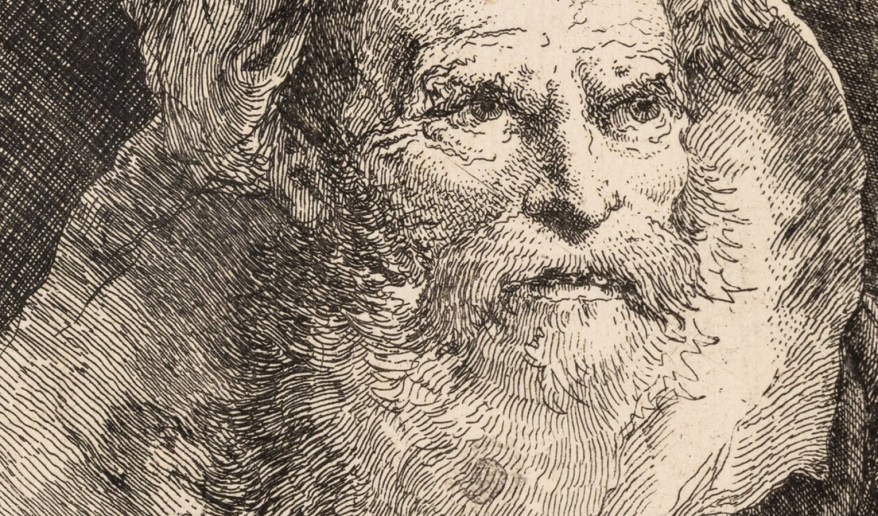
Tiepolo, 62 opere svelano il mondo segreto di padre e figlio: la mostra ai Musei Reali di Torino
🇮🇹Giambattista e Giandomenico Tiepolo in mostra a Torino: 62 disegni e incisioni, Pulcinella, opere inedite e visioni misteriose da oggi 15 ottobre 2026… 🇬🇧Giambattista and Giandomenico Tiepolo on display in Turin: 62 drawings and engravings, Pulcinella, previously unseen works, and mysterious visions—starting today, October 15, 2026…
-
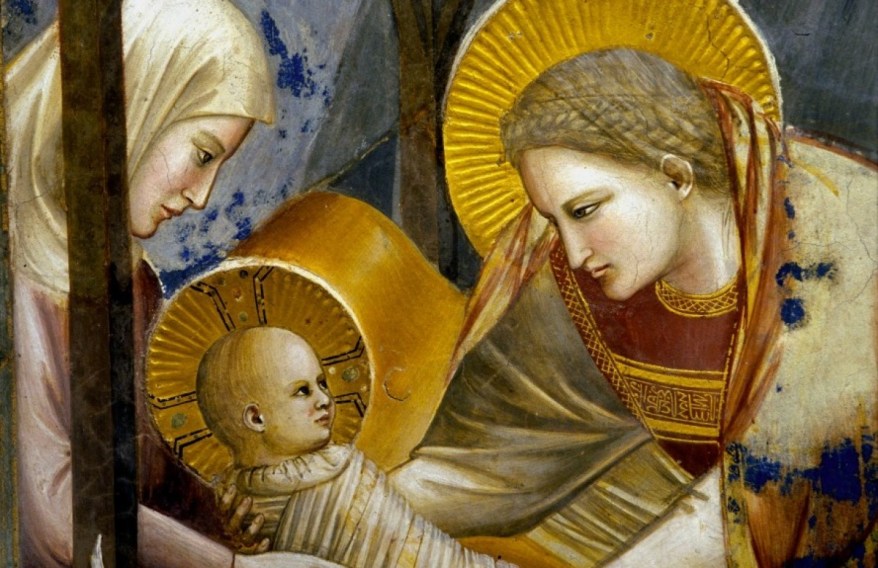
Come Giotto ha cambiato per sempre il modo di rappresentare la Natività
🇮🇹Nella Cappella degli Scrovegni a Padova, Giotto trasforma la nascita di Gesù in una scena piena di emozioni, gesti naturali e dettagli sorprendenti. Ecco perché la sua Natività ha segnato una svolta nella storia dell’arte… 🇬🇧In the Scrovegni Chapel in Padua, Giotto transforms the birth of Jesus into a scene filled with emotion, natural gestures,…
-
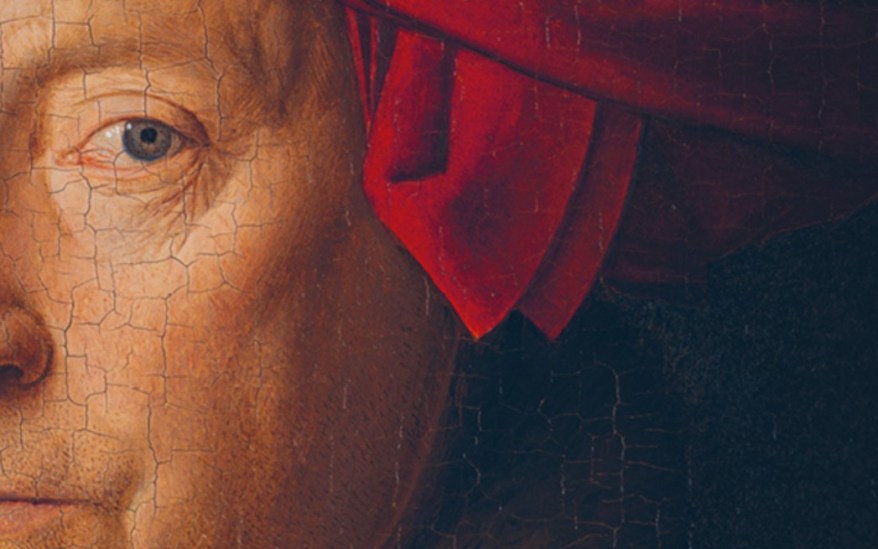
Van Eyck, i ritratti che sembrano vivi: a Londra una mostra irripetibile
🇮🇹Dal 21 novembre 2026 all’11 aprile 2027, la National Gallery ospiterà Van Eyck: The Portraits… 🇬🇧From November 21, 2026, to April 11, 2027, the National Gallery will host Van Eyck: The Portraits..
Condividi:


Questo sono io




sostienici

Sostienici – Support Us
Se questo blog ti piace e ti appassiona, puoi aiutarci a farlo crescere sempre più sostenendoci in modo concreto condividendo i post, seguendo le pagine social e con un contributo che ci aiuta ad andare avanti con il nostro lavoro di divulgazione. . ENGLISH: If you like and are passionate about this blog, you can help us make it grow more and more by supporting us in a concrete way by sharing posts, following social pages and with a contribution that helps us to move forward with our dissemination work.
€10,00


