

I tre cerchi intrecciati: la mia firma sul marmo
Quando me ne andavo nelle cave a cercare i marmi per l’opere mie, impiegavo parecchi mesi prima di trovare proprio ciò di cui abbisognavo. Poi sapete, oggi si fa presto a cavare un blocco ma ai tempi miei ci voleva tanto per staccarli dal monte. Una volta scelti e dopo averne concordato l’acquisto col proprietario, ci scalpellavo sopra sempre tre cerchi intrecciati.
Era un modo per render manifesto a tutti che quelli stavano per me e dovevano essere portati a valle poi imbarcati alla volta di Firenze o Roma, a seconda delle necessità del momento.
Che significato avevano quei tre cerchi? Beh, un modo semplice per dire che le arti della pittura, della scultura e dell’architettura sono strettamente collegate fra di loro e interdipendenti… forse.
“Michelangnolo in vita per suo contrassegno (…) usò sempre i tre cerchi intrecciati insieme (…) fusse ciò perchè Michelagnolo intendesse, che le tre professioni di scultura, pittura, et architettura sono intrecciate, e legate insieme in modo, che l’una dà e riceve dall’altra commodo, et ornamento; et che le non si possono édeono spiccar d’insieme (…) o ci havesse dentro più sottile intendimento”.

Questo è ciò che disse Benedetto Varchi nell’orazione funebre che mi fece ma, giacché in quella circostanza non ebbi modo di ribattere, chissà se davvero volessi intendere tutto ciò oppure no. Fatto sta che quel significato lì rimase appiccicato ai miei tre cerchi tanto che l’Accademia delle Arti del Disegno di Firenze ne fece il proprio simbolo.
Sapete, sula parte alta del blocco non ancora sbozzato del Prigione Atlante ancora oggi sono visibili i tre cerchi scalpellati, un vascello stilizzato e la lettera L che probabilmente stava per il capo cava Leone.
Il sempre vostro Michelangelo Buonarroti
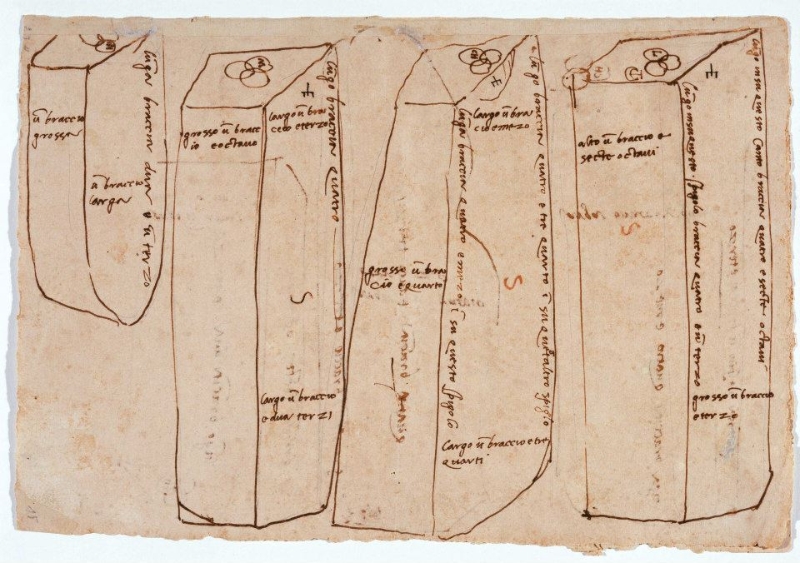
The three intertwined circles: my signature on the marble
I used to go to the quarries to look for marbles for my work, it took me several months to find just what I needed. Then you know, today it is easy to dig out a block but in my time it took so long to remove them from the mountain. Once chosen and after having agreed to purchase it with the owner, I would always chisel over three intertwined circles.
It was a way to make it clear to everyone that those were for me and had to be brought downstream then embarked to Florence or Rome, depending on the needs of the moment.
What did those three circles mean? Well, a simple way to say that the arts of painting, sculpture and architecture are closely linked and interdependent … maybe.
“Michelangnolo in life by his mark (…) always used the three intertwined circles together (…) that was why Michelagnolo meant, that the three professions of sculpture, painting, and architecture are intertwined, and tied together so that one gives and receives from the other commode, and ornament; and that it cannot be done, they must summarize (…) or have a more subtle understanding in them ”.
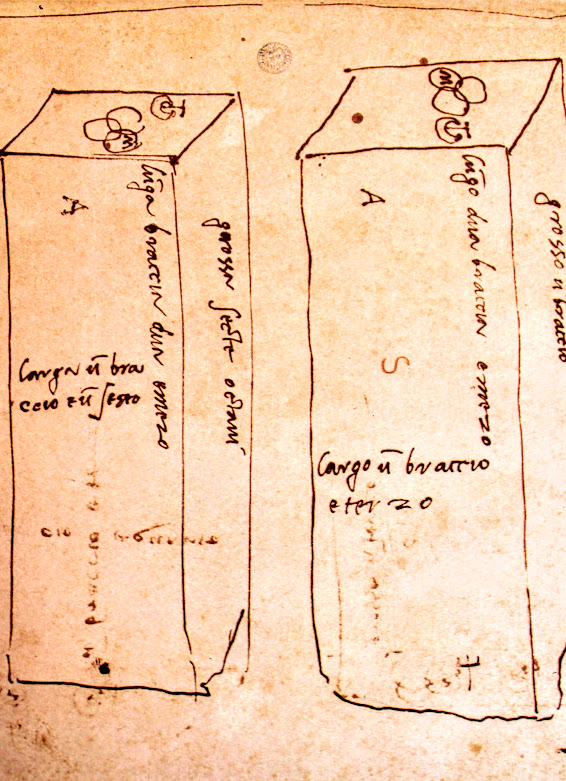
This is what Benedetto Varchi said in the funeral prayer he gave me, but since on that occasion I had no way to reply, who knows if I really wanted to understand all this or not. The fact is that that meaning remained stuck to my three circles so that the Academy of Arts of Design in Florence made it its symbol.
You know, on the upper part of the not yet rough-hewn block of the Atlante Prison the three chiseled circles, a stylized vessel and the letter L that probably stood for the quarry chief Leone are still visible today.
Your always Michelangelo Buonarroti

Sostienici – Support Us
Se questo blog ti piace e ti appassiona, puoi aiutarci a farlo crescere sempre più sostenendoci in modo concreto condividendo i post, seguendo le pagine social e con un contributo che ci aiuta ad andare avanti con il nostro lavoro di divulgazione. . ENGLISH: If you like and are passionate about this blog, you can help us make it grow more and more by supporting us in a concrete way by sharing posts, following social pages and with a contribution that helps us to move forward with our dissemination work.
10,00 €
ULTIMI ARTICOLI
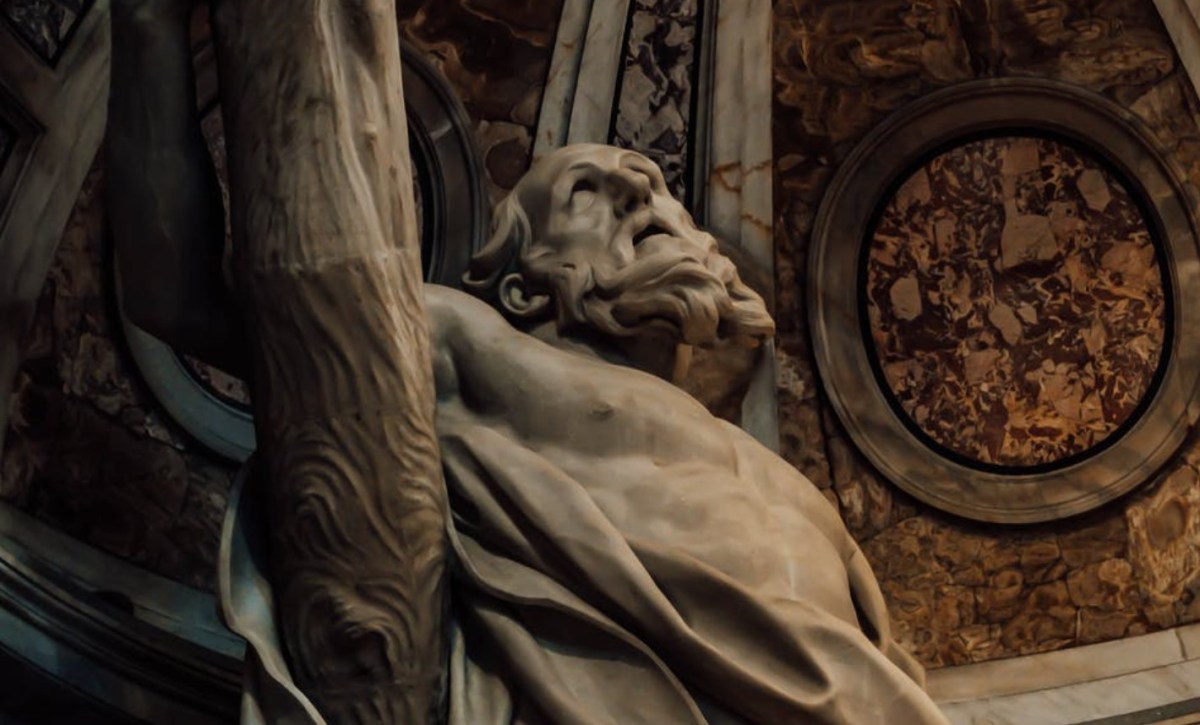
François Duquesnoy: quando la scultura cercò la grazia
🇮🇹François Duquesnoy, lo scultore fiammingo che conquistò Roma. Dal Sant’Andrea in San Pietro alla Santa Susanna, la sua sfida a Bernini nel segno della grazia e dell’armonia classica.
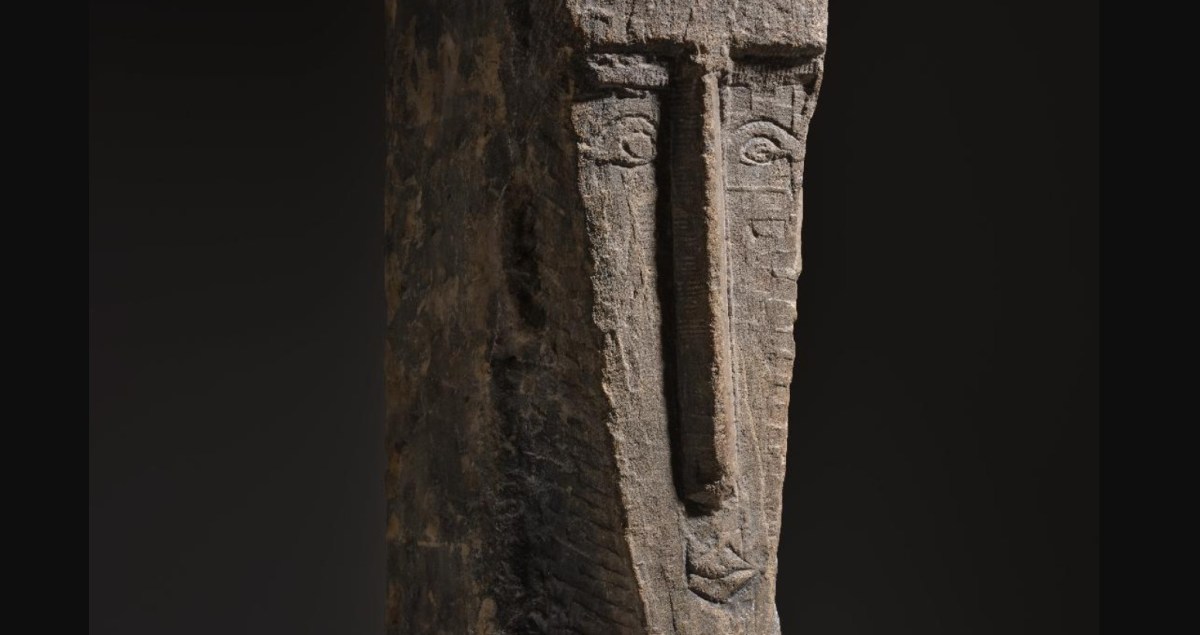
Modigliani, scultura da 35 milioni di dollari: Tête all’asta dopo 50 anni
🇮🇹Una rarissima scultura di Modigliani torna all’asta dopo oltre 50 anni: Tête, del 1911-1912, è stimata fino a 35 milioni di dollari… 🇬🇧A very rare Modigliani sculpture returns to auction after more than 50 years: Tête (1911–1912) is estimated at up to $35 million…
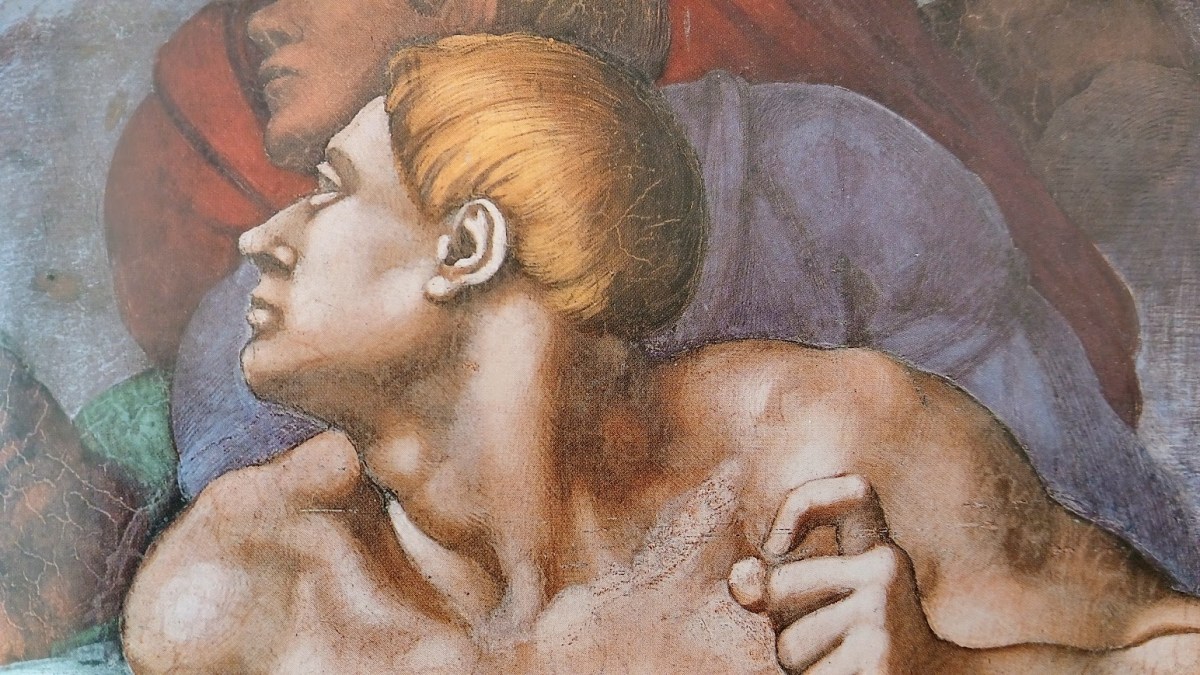
Il taglio a scodella nel Cinquecento: la curiosa acconciatura che compare nel Giudizio Universale della Sistina
🇮🇹Prima dei caschetti moderni e delle tendenze lanciate dai parrucchieri, nel Cinquecento esistevano già acconciature che ricordano sorprendentemente quelle di oggi e nel Giudizio Universale si vede bene… 🇬🇧<Long before modern bobs and trends set by hairstylists, 16th-century hairstyles existed that are surprisingly reminiscent of today's styles—as clearly seen in *The Last Judgment*…
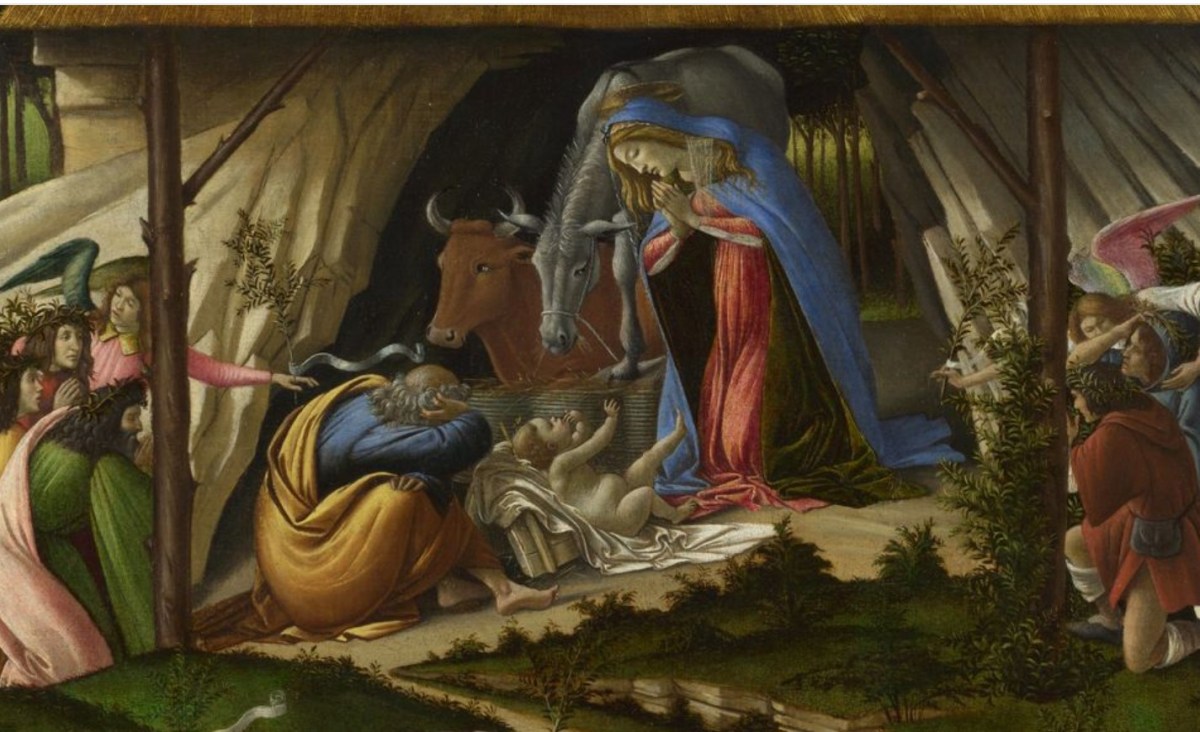
La Natività mistica di Botticelli: il significato nascosto del dipinto più enigmatico del Natale
🇮🇹Angeli danzanti, demoni in fuga e una profezia apocalittica: scopri che cosa si nasconde nella Natività mistica di Sandro Botticelli, il dipinto che trasforma la nascita di Gesù in un messaggio di speranza per un mondo in crisi… 🇬🇧Dancing angels, fleeing demons, and an apocalyptic prophecy: discover what lies hidden in Sandro Botticelli’s *Mystic Nativity*,…
Si è verificato un problema. Aggiorna la pagina e/o riprova in seguito.
Condividi:


Questo sono io




sostienici

Sostienici – Support Us
Se questo blog ti piace e ti appassiona, puoi aiutarci a farlo crescere sempre più sostenendoci in modo concreto condividendo i post, seguendo le pagine social e con un contributo che ci aiuta ad andare avanti con il nostro lavoro di divulgazione. . ENGLISH: If you like and are passionate about this blog, you can help us make it grow more and more by supporting us in a concrete way by sharing posts, following social pages and with a contribution that helps us to move forward with our dissemination work.
€10,00


Ci sono alcuni refusi nel testo, molto interessante peraltro. Grazie.
"Mi piace""Mi piace"
Grazie…la fretta 😉
"Mi piace"Piace a 1 persona