
La pala d’altare distrutta della Cappella Sistina
Quando il pontefice Clemente VII mi commissionò la decorazione della parete d’altare della Sistina mica era spoglia di ornamenti. Era tutta affrescata perbenino dal Perugino e pure da me.
Nel secondo registro infatti il Perugino aveva affrescato da una parte la Natività di Cristo e dall’altra il Ritrovamento del Mosè: in pratica entrambi gli affreschi iniziavano la narrazione dei due cicli dedicati alle storie di Gesù sulla parete Nord e alle storie di Mosè su quella Sud. Purtroppo di quegli affreschi non sono giunti fino a voi cartoni, disegni né copie dell’epoca. Mica finita lì però.
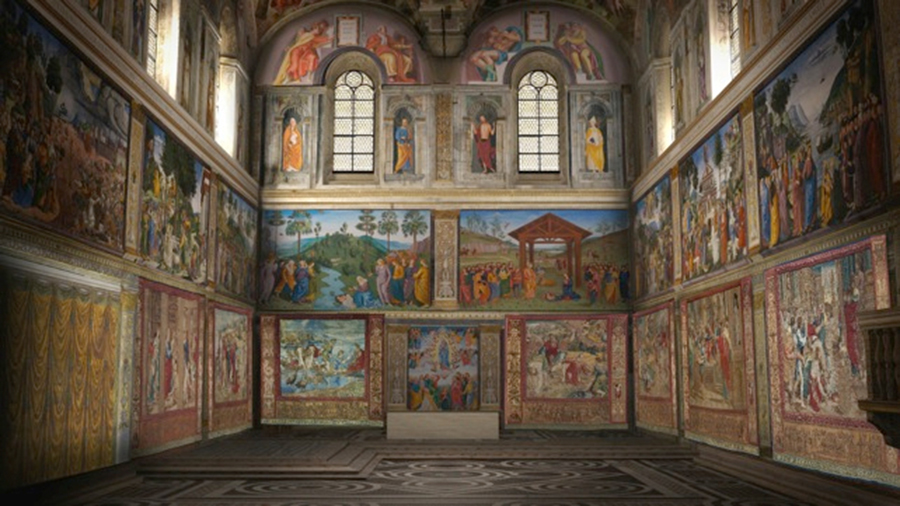
Fra le due scene c’era un grande affresco realizzato sempre dal Perugino che aveva per soggetto l’Assunta in Cielo.
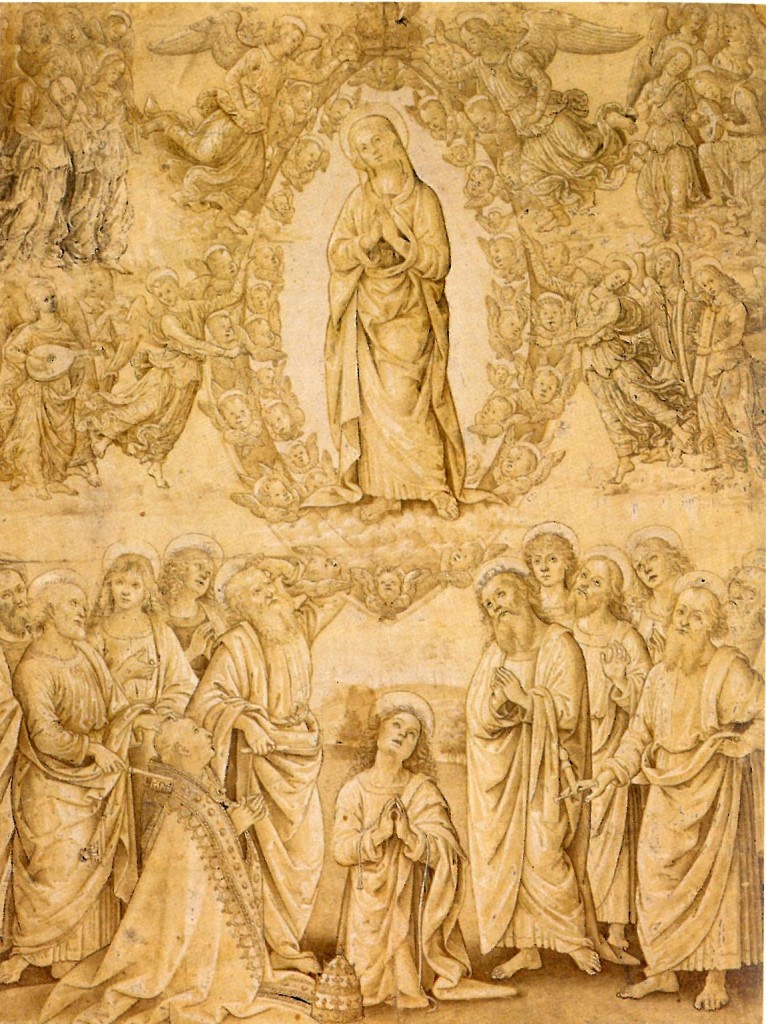
Di questa opera però esiste un disegno realizzato da un artista ignoto che lavorava nella bottega del Perugino, conservato a Vienna: è quello che vi propongo nell’immagine a seguire.
La Vergine viene assunta in cielo in una mandorla di luce: a farle da cornice cherubini e angeli. Ai suoi piedi compaiono i dodici Apostoli mentre a sinistra in primo piano c’è papa Sisto IV inginocchiato che già ha posato la tiara in terra.
E’ ipotizzabile pensare che a metter mano a quell’affresco ci sia stato anche il Pinturicchio: il Perugino avrebbe realizzato la parte in basso mentre il suo allievo Pinturicchio quella in alto. Le due zone infatti sono molto diverse dal punto di vista dello stile e della composizione.
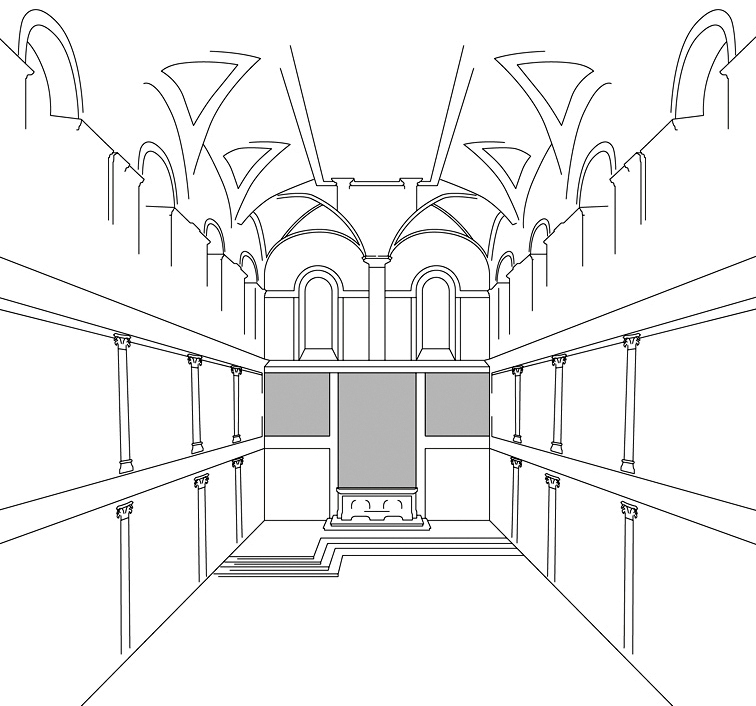
Insomma, per creare il grande affresco del Giudizio Universale dovetti coprire queste opere. O meglio, le feci scalpellare via oppure si trovano dietro la contro-parete inclinata di mattoni che feci realizzare? Vasari narra che feci proprio scalpellare quei lavori.
Fatto sta che oggi questo tre capolavori del Perugino non ci son più come d’altro canto non ci son più i papi affrescati nel terzo registro, le finestre che feci tappare e le mie due lunette con la prima e l’ultima generazione degli antenati di Cristo.
A seguire vi mostro uno schema di come si mostrava la parete dell’altare prima del mio intervento. In grigio potete vedere gli affreschi del Perugino che eliminai. Il sempre vostro Michelangelo Buonarroti e i suoi racconti quotidiani.
The destroyed altarpiece of the Sistine Chapel
When Pope Clement VII commissioned me to decorate the Sistine altar wall, it was already completely decorated. It was in fact frescoed by Perugino and also by me.
In the second register the Perugino frescoed on one side the Nativity of Christ and on the other the Finding of the Moses: in practice both frescoes began the narration of the two cycles dedicated to the stories of Jesus on the North wall and to the stories of Moses on the South Unfortunately, no frescoes, drawings or copies of the period have survived these frescoes. But that is not all.

Between the two scenes there was a large fresco also made by Perugino who had the Immaculate Conception by subject. Of this work, however, there is a drawing made by an unknown artist who worked in the workshop of Perugino, preserved in Vienna: this is what I propose in the image below. The Virgin is assumed in the sky in an almond of light: cherubim and angels frame her. At his feet appear the twelve Apostles while on the left in the foreground there is Pope Sixtus IV kneeling who has already laid the tiara on the ground. It is conceivable to think that Pinturicchio was also involved in the fresco: the Perugino would have realized the lower part while his pupil Pinturicchio the one at the top. In fact, the two areas are very different from the point of view of style and composition.
To create the great fresco of the Last Judgment I had to cover these works. Or rather, did I chisel away or were behind the slanting brick wall I had to make? It is not known. The fact is that today these three masterpieces of Perugino are no longer there as on the other hand there are no longer the popes frescoed in the third register, the windows that I had closed and my two lunettes with the first and the last generation of the ancestors of Christ.
Next I show you a diagram of how the altar wall was shown before my intervention. In gray you can see the frescoes by Perugino that I eliminated. Your always Michelangelo Buonarroti and his daily stories.

Sostienici – Support Us
Se questo blog ti piace e ti appassiona, puoi aiutarci a farlo crescere sempre più sostenendoci in modo concreto condividendo i post, seguendo le pagine social e con un contributo che ci aiuta ad andare avanti con il nostro lavoro di divulgazione. . ENGLISH: If you like and are passionate about this blog, you can help us make it grow more and more by supporting us in a concrete way by sharing posts, following social pages and with a contribution that helps us to move forward with our dissemination work.
10,00 €
Ultime dal blog
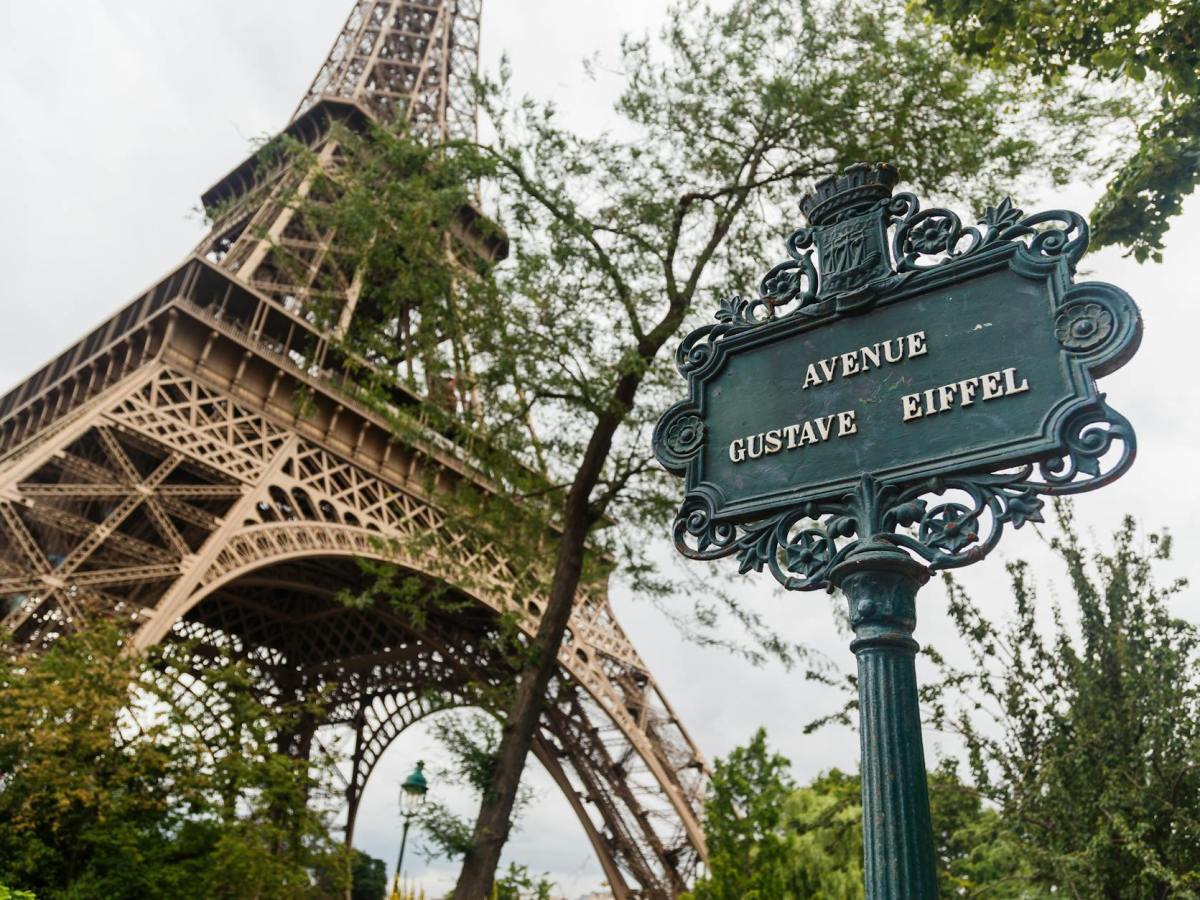
31 marzo 1889: inaugurata la Torre Eiffel tra critiche feroci e un destino inaspettato
🇮🇹Il 31 marzo 1889 segna una data destinata a cambiare per sempre il volto di Parigi e dell’immaginario collettivo globale: viene inaugurata la Torre Eiffel, l’opera più audace e discussa del suo tempo… 🇬🇧March 31, 1889 marks a date destined to change the face of Paris and the global collective imagination forever: the Eiffel Tower,…
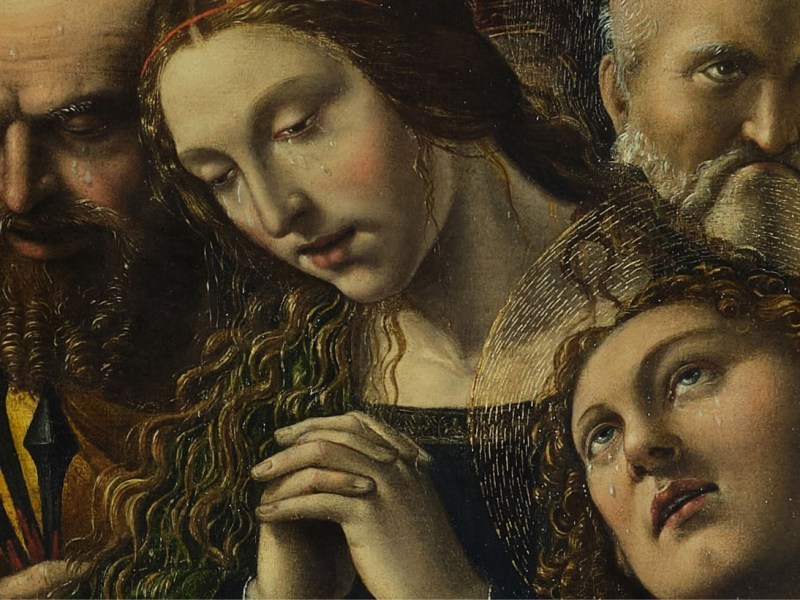
Sodoma in mostra a Torino: il Rinascimento al Museo Accorsi-Ometto
🇮🇹Al Museo di Arti Decorative Accorsi-Ometto arriva una mostra dedicata al Sodoma: oltre 50 opere, alcune mai viste prima, raccontano la formazione dell’artista e il suo dialogo con maestri come Pinturicchio… 🇬🇧An exhibition dedicated to Sodoma arrives at the Accorsi-Ometto Museum of Decorative Arts: over 50 works, some never before seen, recount the artist’s development…
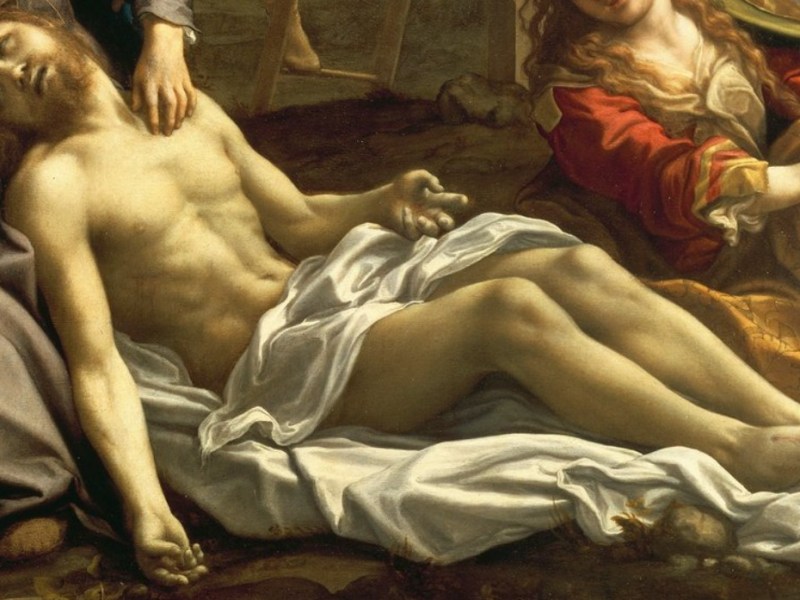
Il Compianto sul Cristo morto di Correggio: pathos e devozione
🇮🇹Con l’inizio della Settimana Santa, vi propongo il Compianto sul Cristo morto di Antonio Allegri, più noto come il Correggio: uno dei vertici assoluti della pittura emiliana del Cinquecento… 🇬🇧With the beginning of Holy Week, I propose the Lamentation over the Dead Christ by Antonio Allegri, better known as Correggio: one of the absolute peaks…
Condividi:


Questo sono io





sostienici

Sostienici – Support Us
Se questo blog ti piace e ti appassiona, puoi aiutarci a farlo crescere sempre più sostenendoci in modo concreto condividendo i post, seguendo le pagine social e con un contributo che ci aiuta ad andare avanti con il nostro lavoro di divulgazione. . ENGLISH: If you like and are passionate about this blog, you can help us make it grow more and more by supporting us in a concrete way by sharing posts, following social pages and with a contribution that helps us to move forward with our dissemination work.
€10,00


1 commento »