
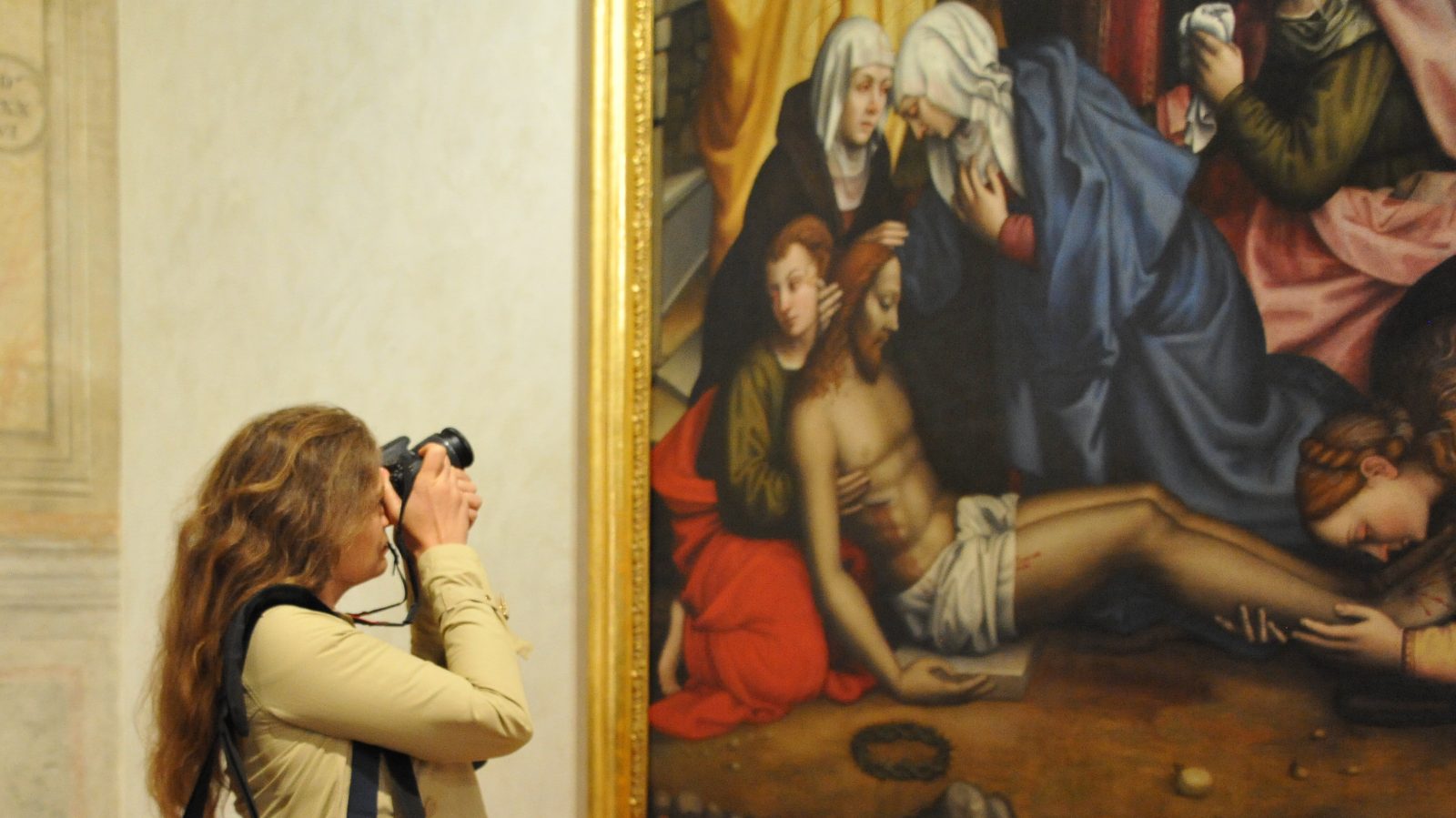
15 Agosto 1483: la consacrazione della Cappella Sistina
Era il 15 Agosto del 1483 quando la Cappella Sistina venne consacrata alla Vergine Assunta in Cielo. Con una cerimonia solenne, papa Sisto IV inaugurò quel grandioso complesso da lui fortemente voluto e che lo avrebbe fatto passare alla storia. Era già presente una vecchia struttura dove oggi sorge la Sistina ma c’era la necessità di trasformarla in qualcosa di grandioso, qualcosa che avesse le stesse dimensioni del tempio di Re Salomone.
La riedificazione della struttura era stata avviata sotto il papato di Sisto IV della Rovere nel 1475 e i lavori vennero portati a termine nel 1481 su progetto di Baccio Pontelli.

Lo stesso papa aveva commissionato ai più grandi pittori del suo tempo le decorazioni dei registri laterali, della volta e la pala d’altare. Ecco, proprio la pala d’altare era quella che meglio rappresentava la consacrazione della Sistina. Fu il Perugino a dipingere il grande affresco della Vergine Assunta in Cielo e nel suo lavoro inserì pure il papa committente inginocchiato con la tiara papale appoggiata a terra.
Un’opera raffinata che fino ai vostri giorni è arrivata tramite solo un disegno. Diversi anni dopo fui io a distruggerla per far spazio al mio Giudizio Universale. Vi ho raccontato questa storia nel dettaglio QUA.

Piermatteo d’Amelia si occupò di decorare la volta alla stregua di un cielo di lapislazzuli trapuntato di stelle dorate mentre il Botticelli, Signorelli, il Ghirlandaio, Pinturicchio, Bartolomeo della Gatta e altri aiuti, si occuparono di decorare i registri laterali con le storie di Cristo e di Mosè.
Io avrei iniziato a lavorare alle decorazioni della Sistina diversi anni dopo, sotto il papato del nipote di Sisto IV ovvero papa Giulio II della Rovere. Il sempre vostro Michelangelo Buonarroti e i suoi quotidiani racconti
August 15, 1483: the consecration of the Sistine Chapel
It was August 15, 1483 when the Sistine Chapel was consecrated to the Virgin Assumed into Heaven. With a solemn ceremony, Pope Sixtus IV inaugurated that grandiose complex which he strongly desired and which would have made it go down in history. There was already an old structure where the Sistine Chapel stands today but there was a need to transform it into something grandiose, something that had the same dimensions as the temple of King Solomon.
The rebuilding of the structure had started under the papacy of Sixtus IV della Rovere in 1475 and the works were completed in 1481 on a project by Baccio Pontelli.
The pope himself had commissioned the decorations of the side registers, the vault and the altarpiece from the greatest painters of his time. Here, the altarpiece was the one that best represented the consecration of the Sistine Chapel. It was Perugino who painted the large fresco of the Virgin Assumed into Heaven and in his work he also included the commissioning pope kneeling with the papal tiara resting on the ground.
A refined work that until your days came through only a drawing. Several years later I was the one who destroyed it to make room for my Last Judgment. I have told you this story in detail HERE.
Piermatteo d’Amelia was responsible for decorating the vault like a lapis lazuli sky quilted with golden stars while Botticelli, Signorelli, Ghirlandaio, Pinturicchio, Bartolomeo della Gatta and other aides, took care of decorating the lateral registers with the stories of Christ and Moses.
I would have started working on the decorations of the Sistine Chapel several years later, under the papacy of the nephew of Sixtus IV or Pope Julius II della Rovere. The always yours Michelangelo Buonarroti and the daily tales of him.
Sostienici – Support Us
Se questo blog ti piace e ti appassiona, puoi aiutarci a farlo crescere sempre più sostenendoci in modo concreto condividendo i post, seguendo le pagine social e con un contributo che ci aiuta ad andare avanti con il nostro lavoro di divulgazione. . ENGLISH: If you like and are passionate about this blog, you can help us make it grow more and more by supporting us in a concrete way by sharing posts, following social pages and with a contribution that helps us to move forward with our dissemination work.
5,00 €
Ultime dal blog
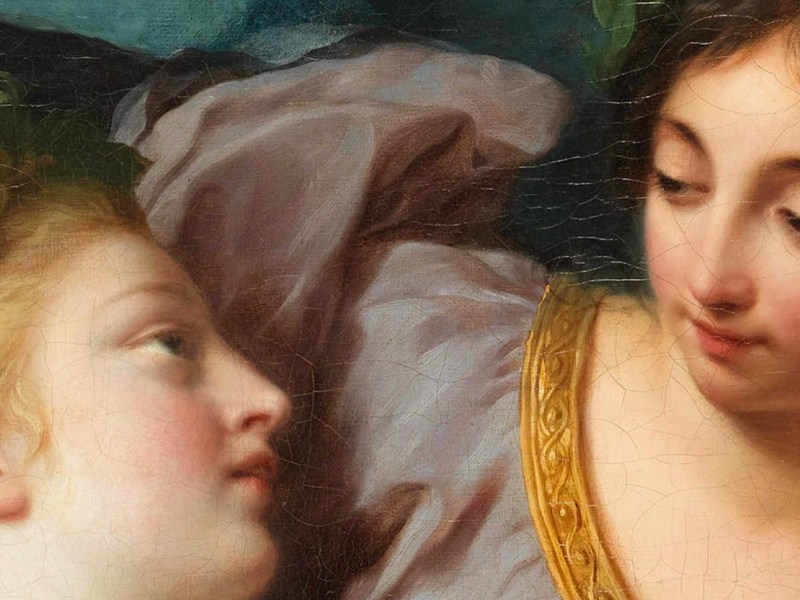
Angelica Kauffmann e Vigée Le Brun: le pittrici che conquistarono l’Europa in mostra a Napoli
🇮🇹Angelica Kauffmann e Élisabeth Vigée Le Brun protagoniste a Napoli: una grande mostra alle Gallerie d’Italia racconta le due pittrici che sfidarono il Settecento… 🇬🇧Angelica Kauffmann and Élisabeth Vigée Le Brun take center stage in Naples: a major exhibition at the Gallerie d’Italia explores the lives of these two female painters who defied the 18th-century…
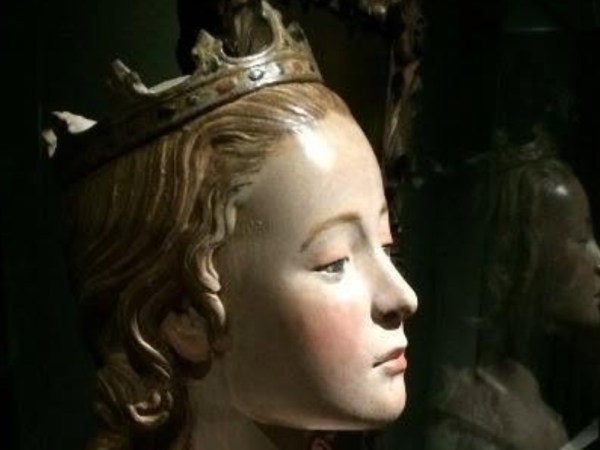
Il volto più moderno del Rinascimento: il busto in marmo dipinto del Torrigiano
🇮🇹Il busto di Santa Fina di Pietro Torrigiano sorprende per il volto incredibilmente moderno. Vi racconto la storia della scultura rinascimentale conservata a San Gimignano… 🇬🇧The bust of Saint Fina by Pietro Torrigiano is striking for its incredibly modern-looking face. Let me tell you the story of this Renaissance sculpture, which is kept in San…
Claude Monet, nato il 14 novembre 1840: il pittore che inventò un nuovo modo di vedere la luce
🇮🇹Il 14 novembre 1840 nasceva Claude Monet. Scopri la vita, i capolavori e la rivoluzione impressionista del pittore delle Ninfee e della luce… 🇬🇧Claude Monet was born on November 14, 1840. Discover the life, masterpieces, and Impressionist revolution of the painter of the Water Lilies and of light…
Condividi:


Questo sono io



sostienici

Sostienici – Support Us
Se questo blog ti piace e ti appassiona, puoi aiutarci a farlo crescere sempre più sostenendoci in modo concreto condividendo i post, seguendo le pagine social e con un contributo che ci aiuta ad andare avanti con il nostro lavoro di divulgazione. . ENGLISH: If you like and are passionate about this blog, you can help us make it grow more and more by supporting us in a concrete way by sharing posts, following social pages and with a contribution that helps us to move forward with our dissemination work.
€10,00


